
White Spruce
Photo:
Valeriia Miller vis Pixabay
If you love seeing wildlife, the white spruce provides nesting sites and shelter as well as food for many kinds of wildlife. Birds and ducks prefer the seeds. Leaves are eaten by rabbits and deer. Red squirrels eat the seeds from the pinecones, and the spruce shoots. The bark is enjoyed by both porcupines and black bears, sometimes to the detriment of the trees.
Commonly used as a holiday tree, and for wood pulp and lumber. Susceptible to spruce budworm.
Quick Growing Guide
Botanical Name: Picea glauca
En français: Épinette blanche
Sun / Shade:
Water: Low to moderate need for water.
Soil:
Height:
Its natural habitat: Grows in a variety of situations, from uplands to wetlands..
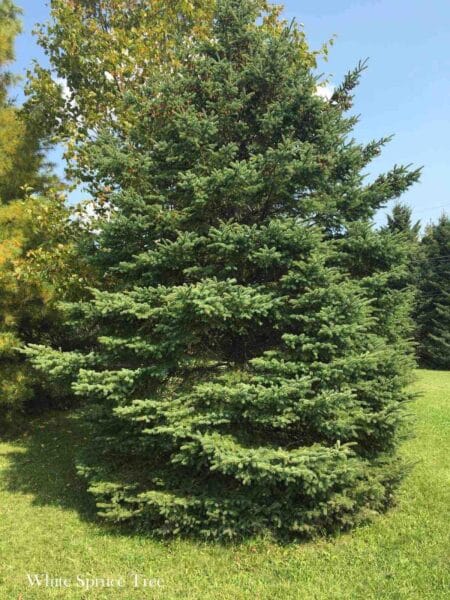
Caring for White Spruce
White Spruce Does best in moist, well-drained humous soil, although will tolerate a variety of acidic and alkaline soils. (ph 5.0-6.0).
These large trees transplant easily. Does best in cool climates but tolerates wind, heat, drought and crowding. Moderate pollution tolerance.
Companion plant suggestions include Trembling Aspen, White Birch, Balsam Fir.
Comments

More From Gardening Calendar
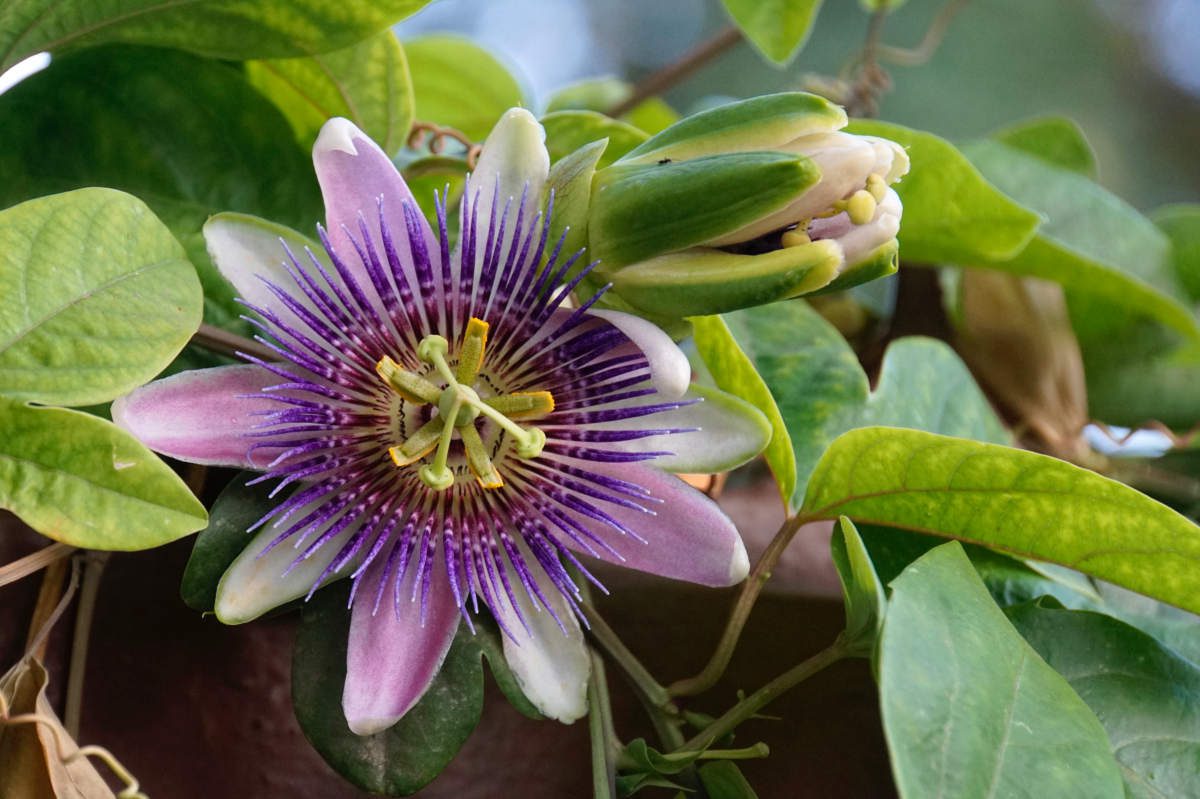
Passion Flower: Growing The Passiflora Vine
Are you growing Passion Flower Vine? Come learn its needs for soil, water, pruning, fertilizer, pests, growing problems, benefits and more.
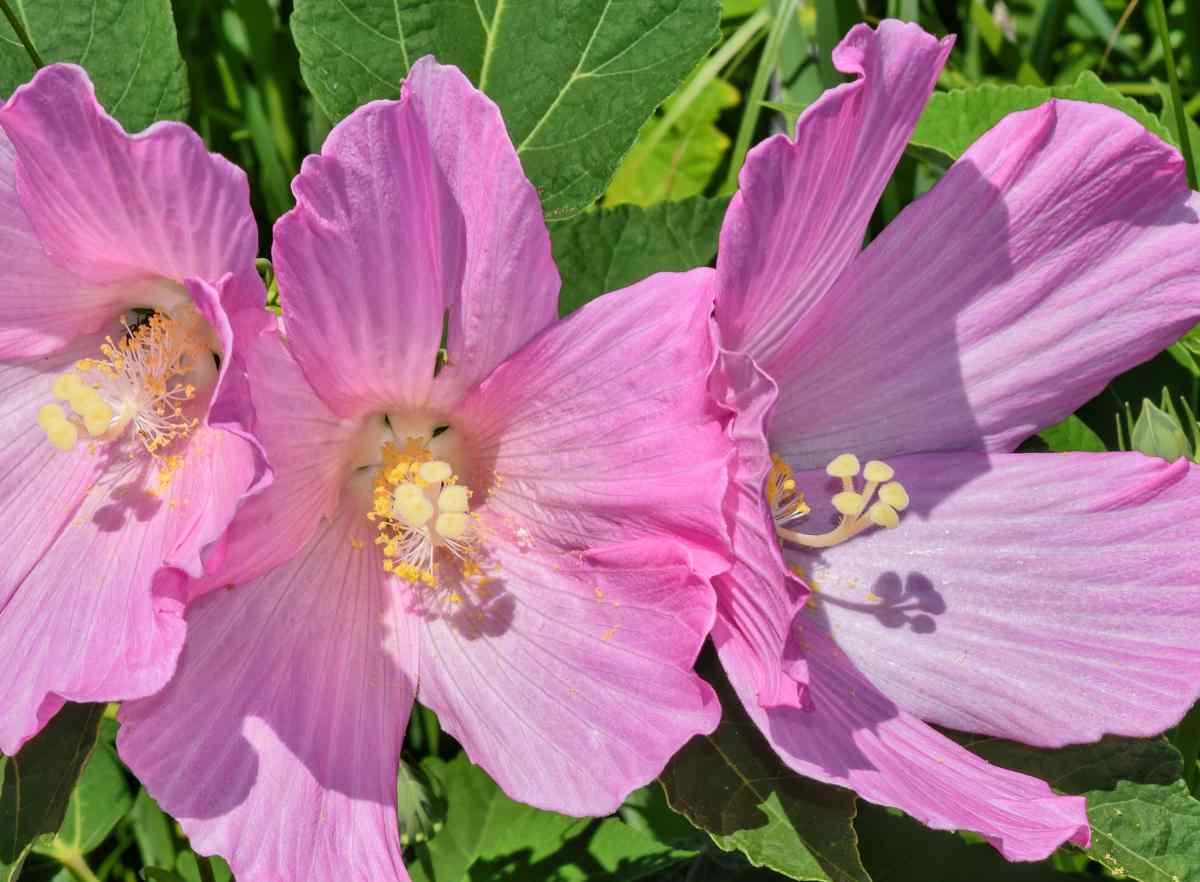
Swamp Rose Mallow
Swamp Rose mallow has exotic, oversized flowers that are very striking. New flowers can open every day from July to September.


Drying Hydrangeas
Learn how to dry hydrangea flowers for stunning winter table arrangements. Follow these simple steps from Master Gardener Gail Labrosse.
Leave a Reply
You must be logged in to post a comment.