How to Deal with Tea Colored or Brown Water
Tea-colored water is something that happens, sooner or later, to most outdoor koi ponds. This is when your pond is clear (not cloudy), but the water has a distinct dark tinge to it, usually a brown or orange color. Like many pond problems, you have to understand and address the cause of the problem to get to the solution.
The Cause of Tea Colored Water
Tea colored water is caused by the buildup of tannins in the water. Tannins are a class of polyphenolic molecules that…. you know what? You don’t need to know that. Tannins come from plants, usually plants breaking down in some way. Lots of different plants produce tannins, such as oak trees (the word tannin comes from an old German word for oak). Tannins are, in fact, what make tea brown and bitter. They also give astringency and color to wine and, to a lesser extent, coffee. Tannins are used to tan leather (that’s where the word “tanning” comes from). They’re useful and desirable molecules in many things, but in your pond, they’re mostly just making the water ugly.
The Cure for Tea Colored Water
Fixing the tea coloration in your pond’s water requires two basic steps: get rid of the source that’s putting it in the water, and taking it out of the water itself.
The first step is generally pretty straightforward, if not always easy. You need to get excess plant material out of the water. Remove biomass! Leaves and sticks on the surface or around the edges of the water are part of this, so skim away. If you have enough tannin-producing debris in your pond to be causing real problems, though, than your source is probably on the bottom of your pond. You need to manually remove vegetation debris (leaves, sticks, and especially acorns) from the bottom of your pond. You’ll probably want to deal with your sludge layer as best you can, as this is where most of that debris will eventually end up, and it’s a major source of tannins. Here’s a more in-depth look at dealing with pond sludge. You really can’t take short cuts in getting rid of the source of the tannins. As long as the source is in there, your water will keep coming up orange, no matter how you treat the water.
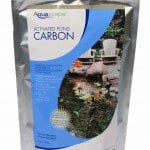
Once you’ve got the source of the tannins dealt with, getting rid of the tannins that are in your water is much easier. A partial water change will help, and bacteria and algae in your pond will break down the tannins over time, but the quickest and easiest way to get rid of the tannins is to add activated carbon to your pond. This will bind with the tannins (and a lot of other unwanted vegetable by-products) and take them right out of the water.
Comments

Gardening guidance for your area—and your garden
Join our newsletter for timely gardening guidance tailored to your area. Looking for a better value? Upgrade your newsletter for personalized plant-care guidance based on the plants growing in your garden.
Leave a Reply
You must be logged in to post a comment.