The Bur Oak (Quercus macrocarpa) is one of the most imposing oaks, characterized by a trunk diameter that can reach up to 10 feet. It typically thrives in open spaces, away from the dense canopy of forests. In Canada, it can attain a height of 12 to 18 meters and a diameter of 60 to 80 centimetres. With an estimated lifespan of 200 to 300 years, the Bur Oak exhibits distinctive growth patterns. Its trunk and upper branches ascend towards the sky, while its middle branches develop horizontally. The Bur Oak’s natural habitats encompass forests, riverbanks, fertile bottomlands, and sandy plains.
In contrast, red oak (Quercus rubra) thrives in well-drained soil, while bur oak (Quercus macrocarpa) flourishes in clay or clay loam soils. Oaks provide habitat for over 500 species of butterflies and moths, which, in turn, support numerous bird species, particularly during the breeding season. Their broad crowns and ability to reach heights of up to 80 feet make them visually appealing. However, it is important to note that oak wilt poses a potential future concern.
Caring for Bur Oak
The bur oak requires patience because it has a slow growth rate of less than 25 cms (12 Inches) per year. This tree thrives in rich, well-drained, alkaline loam soils. It boasts a deep and extensive root system with a prominent taproot. While transplanting may be challenging, it demonstrates high pollution tolerance and adaptability to urban environments. Additionally, it is drought tolerant, which is great!
Comments

More From Gardening Calendar
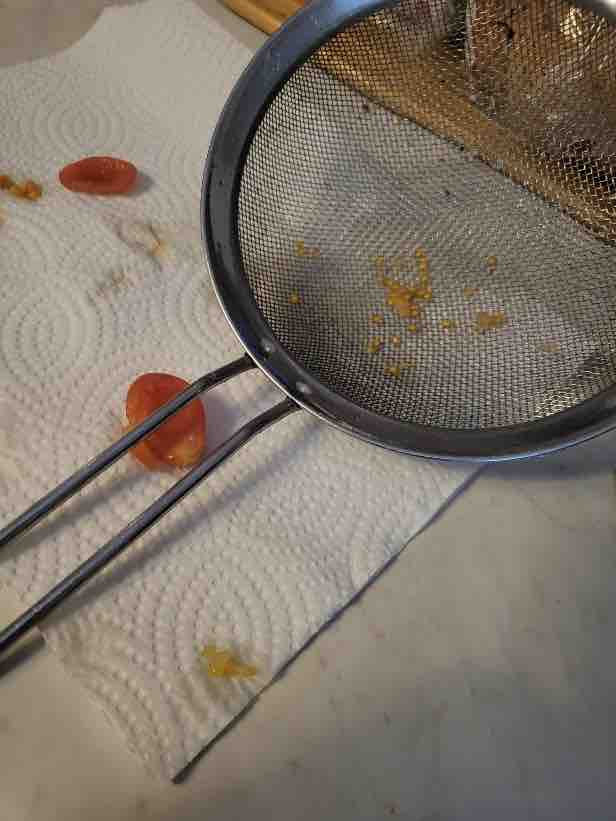
On Saving Tomato Seeds and Using Hügelkultur
In saving tomato seeds for almost 5 decades, I learned that drying seeds on paper towel works, but it’s a hassle detaching the seeds.
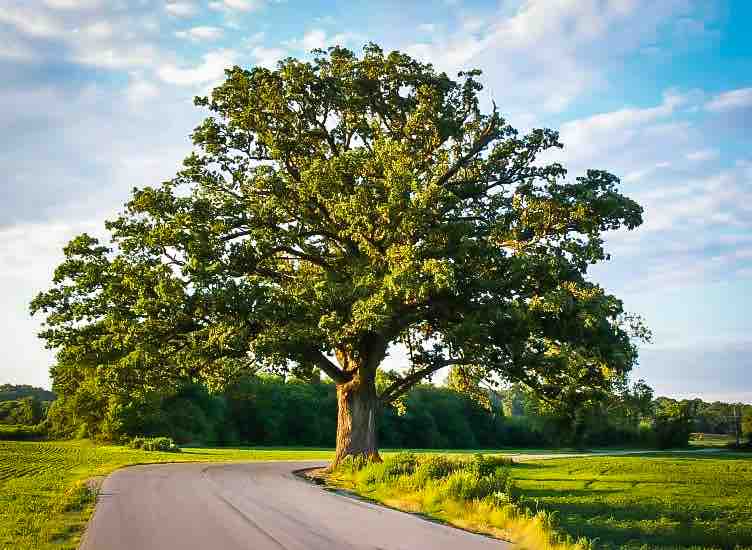
Bur Oak
Bur Oak is one of the most massive oaks. Trunk and upper branches climb towards the sky, middle branches grow horizontally. Discover more.
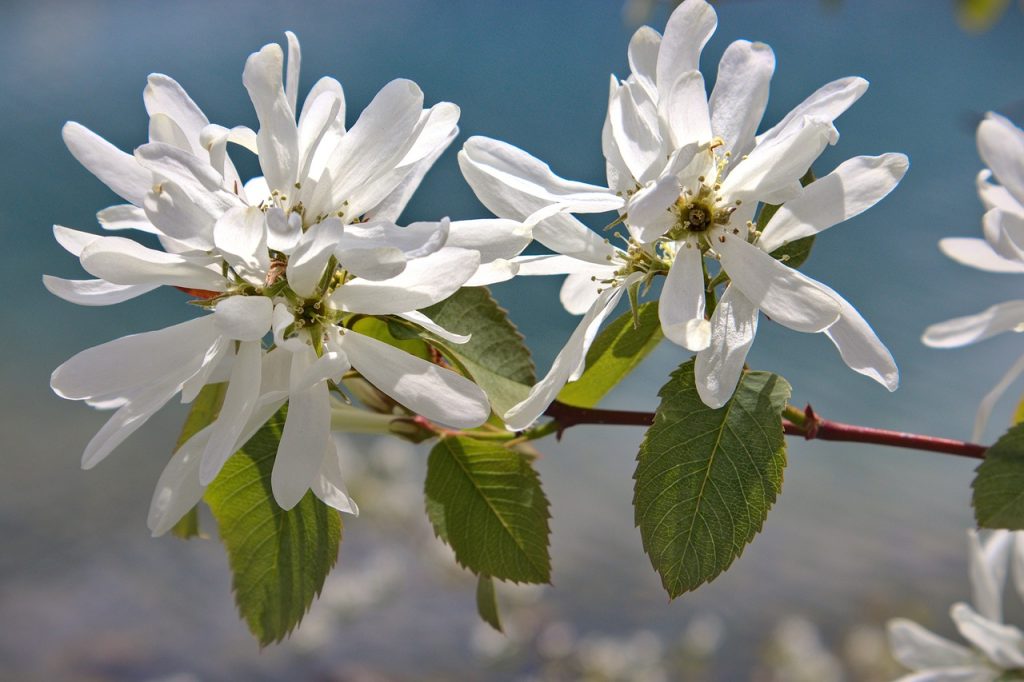
Gardening for Nature: Ecoregion Five
Learn how keystone plants play a crucial role in supporting wildlife and preserving biodiversity in Ontario gardens.
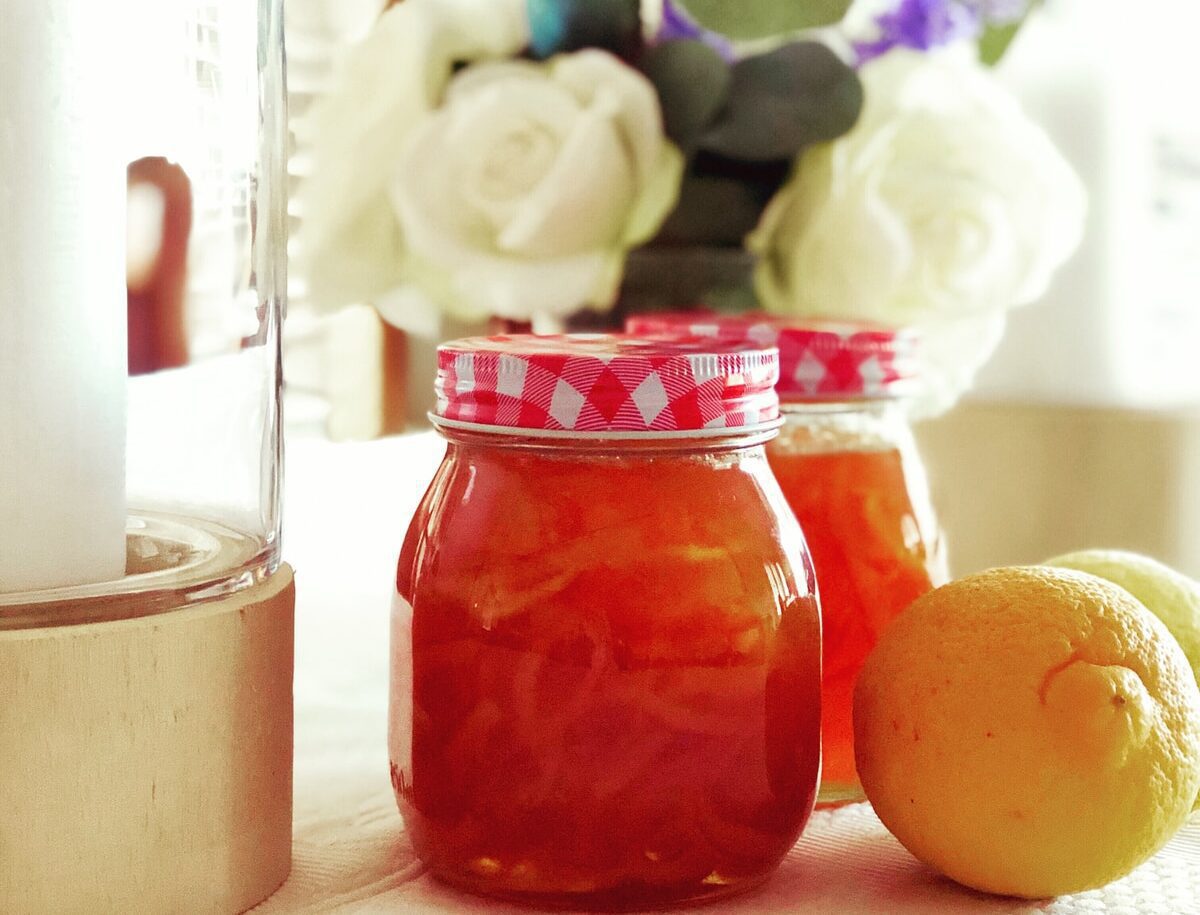
Rosehip Jelly Recipe and Uses
Here’s an easy to make Rosehip Jelly recipe, a tart, sweet jelly. There are many Rosehip uses and benefits, and very good for your health.
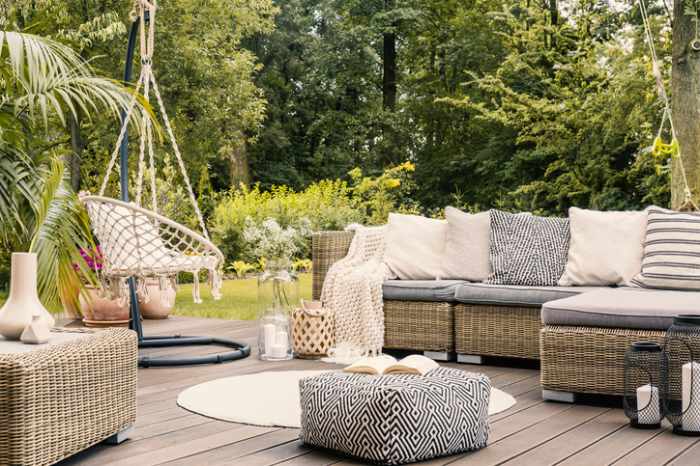
Having Outdoor Living Space That’s Fun and Functional
Having an outdoor space for relaxing with your family and entertaining can benefit both you and the environment at large.
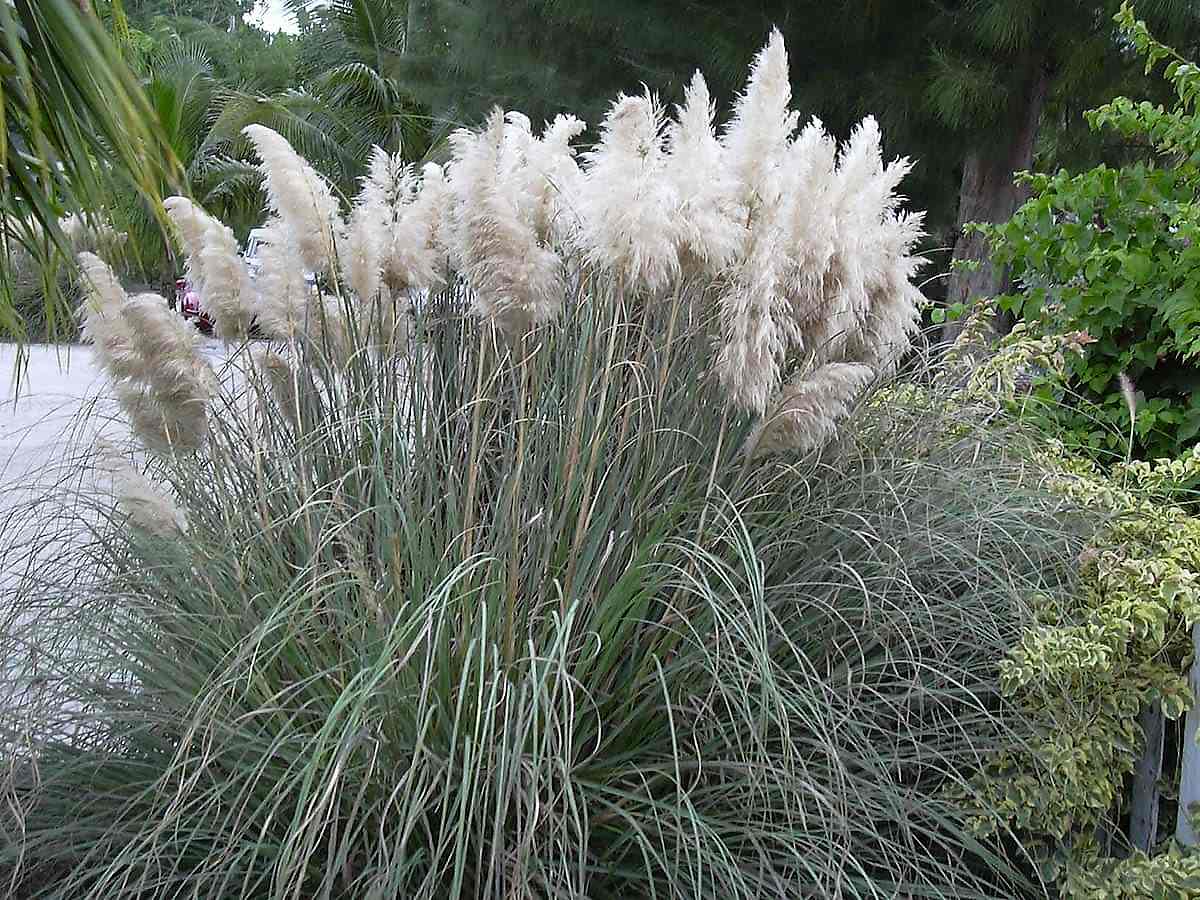
On Using Ornamental Grasses In The Landscape
Ornamental Grasses are very decorative, and well-placed specimens can create very eye-catching points of interest.
Leave a Reply
You must be logged in to post a comment.