
The White Oak has been an important tree in North American society over the centuries. It can live for several hundred years and starts producing acorns at around 50-100 years old, which are eaten by many types of wildlife. Its wood is used in many ways, including wine and whiskey barrel production due to its strength and durability.
Adaptable to a wide variety of soil conditions. Does best on deep, moist, well-drained loam or sandy soil. (pH range 5.5 – 6.5).
Quick Growing Guide
Botanical Name: Quercus alba
En français: Chêneblanc
Sun / Shade:
Water: Low to moderate need for water.
Soil:
Height:
Pollinators:
its natural habitat: Limestone ridges; dry, broadleaf upland forests..
This oak can be difficult to transplant. Dislikes being disturbed, so transplant when small.
Companion plants
Companion plants suggestions for White Oak include Eastern Hemlock, Eastern White Pine, Red Pine.
How to Recognize White Oak
- Bark. They have bark that ranges in colour from off-white to ashy grey. It can have a scaly or platelike appearance. though patches of nearly smooth bark are common in older trees.
- Leaves. White oak leaves are deeply lobed, with rounded tips on the lobes. The leaves of an entire tree will turn scarlet or purple in the fall.
- Acorns. White Oak acorns are about 3/4 in. long.
- It will split straight, but only with effort, since the wood is tough and heavy.
Comments
More From Gardening Calendar

Coffee Grounds for Plants
Coffee grounds are good for some plants and not for others. We explain why and identify specific vegetables, plants and flowers.
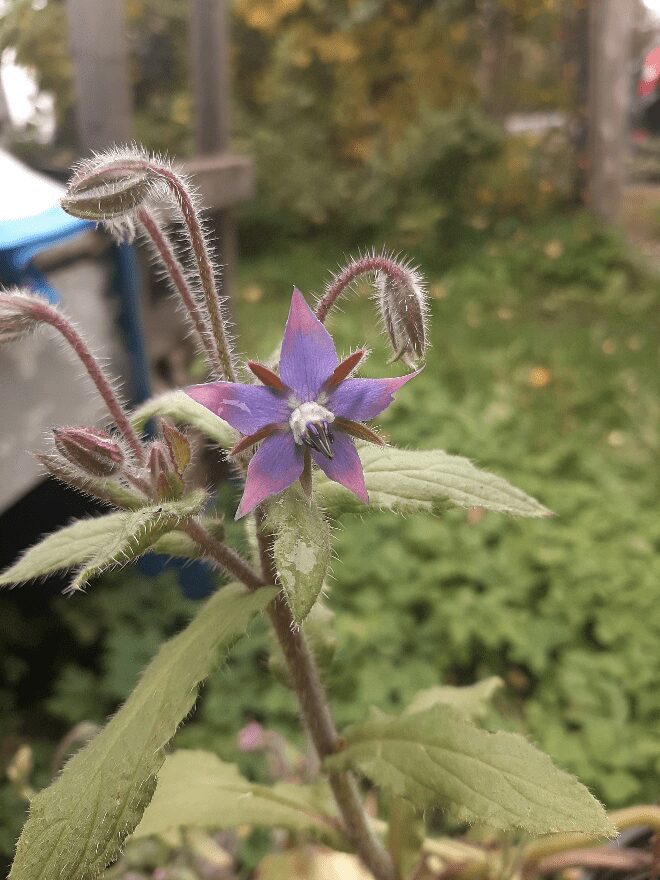
Veggie Bites – Peonies and Borage
Oh, Borage, I love this herb! I am hoping that you will try planting it next year in your garden or in pots.
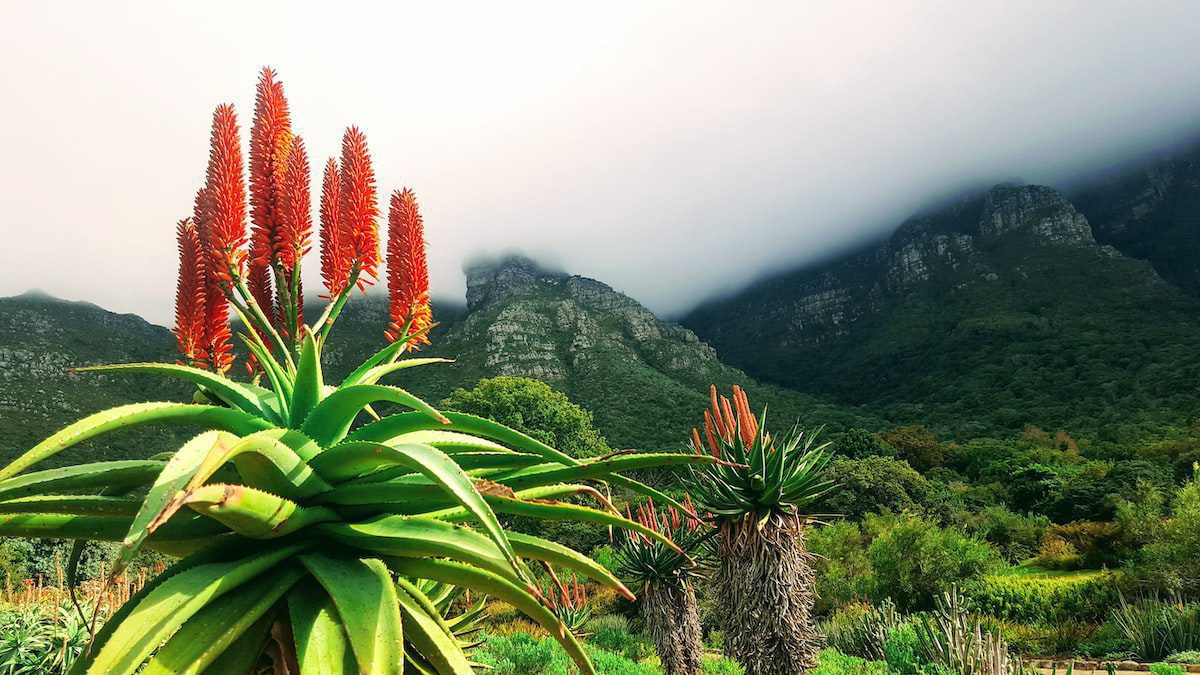
Do Aloe Plants Flower?
Aloe are simple-to-grow succulents in full sun, well-drained soil, and frequent watering. They tolerate a range of minor neglect. Read on.

What is a Hydroponic Garden?
Learn how hydroponic systems can help you grow plants faster, save space, and reduce water usage. Browse types of hydroponic gardens and methods.
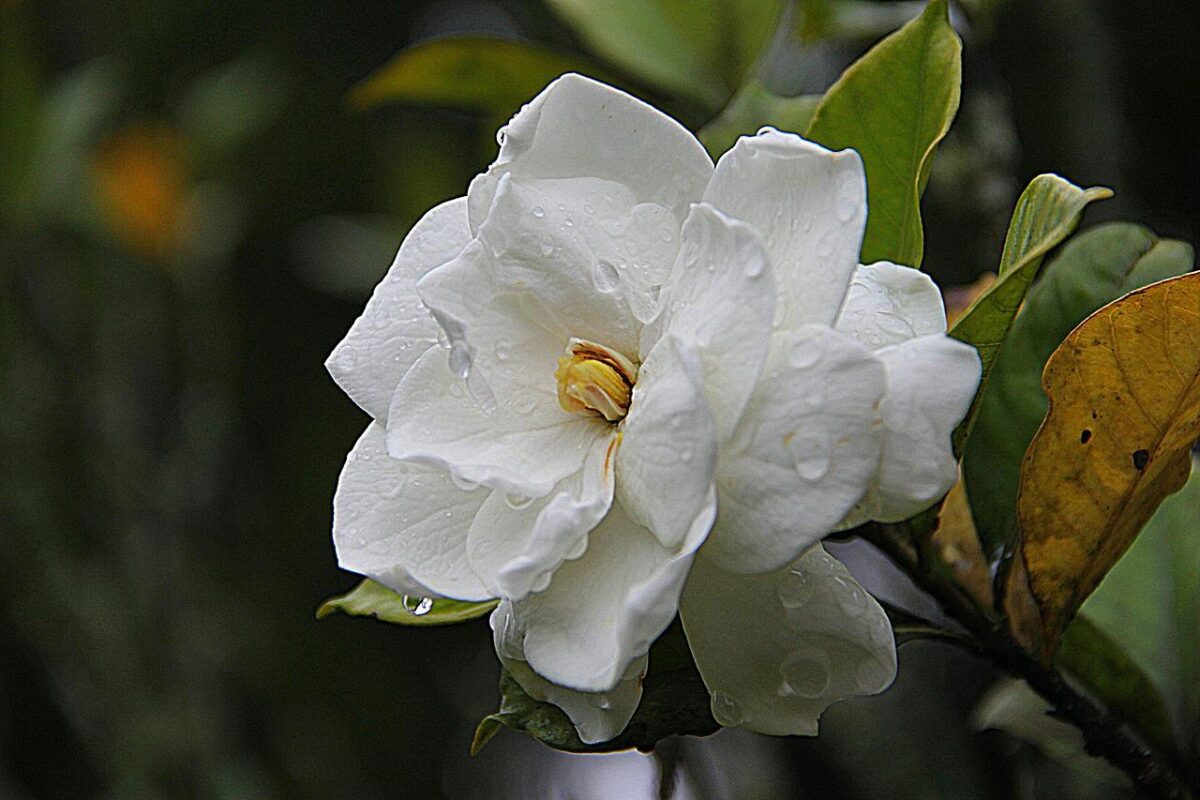
How To Grow and Care For Gardenia Plants
The Gardenia flower fills the air with its intoxicating, unmistakable fragrance from its beautiful waxy white flower.

Carrots and Their Kin
Learn about the Apiaceae family plants list, known as the carrot family, their flavors, health benefits, and how to grow them in your own garden.
Leave a Reply
You must be logged in to post a comment.