
Spotted Beebalm
The Spotted Beebalm is an unusual beauty in form and colour, distinguished by its pagoda-like blossoms. It has eye-catching clusters of creamy purple-spotted tubular blooms sitting on pink, lavender, or ivory bracts. Flowering starts in mid-summer and continues into the fall. Spotted Beebalm, a member of the mint family, has a sweet and pleasant scent. Its rich green fragrant foliage can be used to flavour teas.
The Spotted Beebalm brings a large number of pollinators to the garden. It is a key perennial for attracting the Karner Blue butterfly, which is one of Ontario’s endangered species. The Raspberry Pyrausta moth is also a host plant for Spotted Beebalm. Bumblebees, miner bees, and plasterer bees are also drawn to the blooms. Some moth caterpillars eat on flowers, leaves, or stems. This plant’s fragrance is repulsive to mammalian herbivores, hence it is rarely ingested by them.
Quick Growing Guide
Botanical Name: Monarda punctata
Also Called: Dotted Horsemint; Spotted Horsemint; Dotted Beebalm
En français: Monarde ponctuée
See More Plants in this Botanical Family:
Colour:
Blooms:
Sun / Shade:
Water: Drought tolerant at maturity; keep young plant moist
Soil:
Height:
Width:
Pollinators:
Comments

More From Gardening Calendar
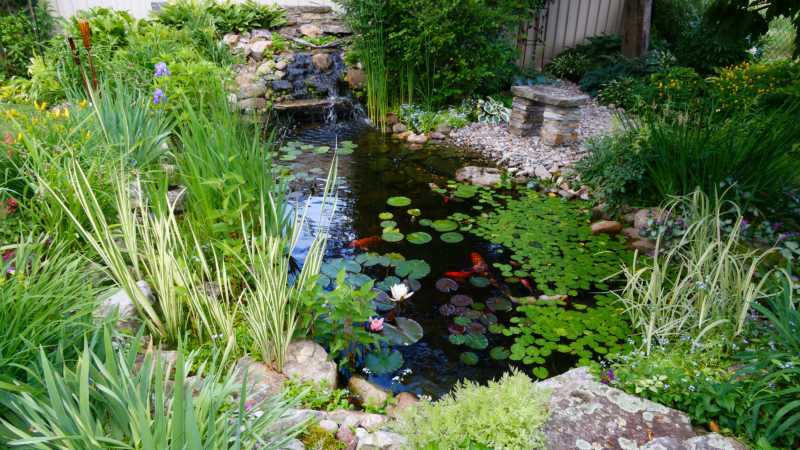
I want a fancy pond with my new bog plants
Learn how to create a stunning pond with carefully planted bog plants and trimmed bullrushes, while also managing garden compromises and tackling goutweed infestation.
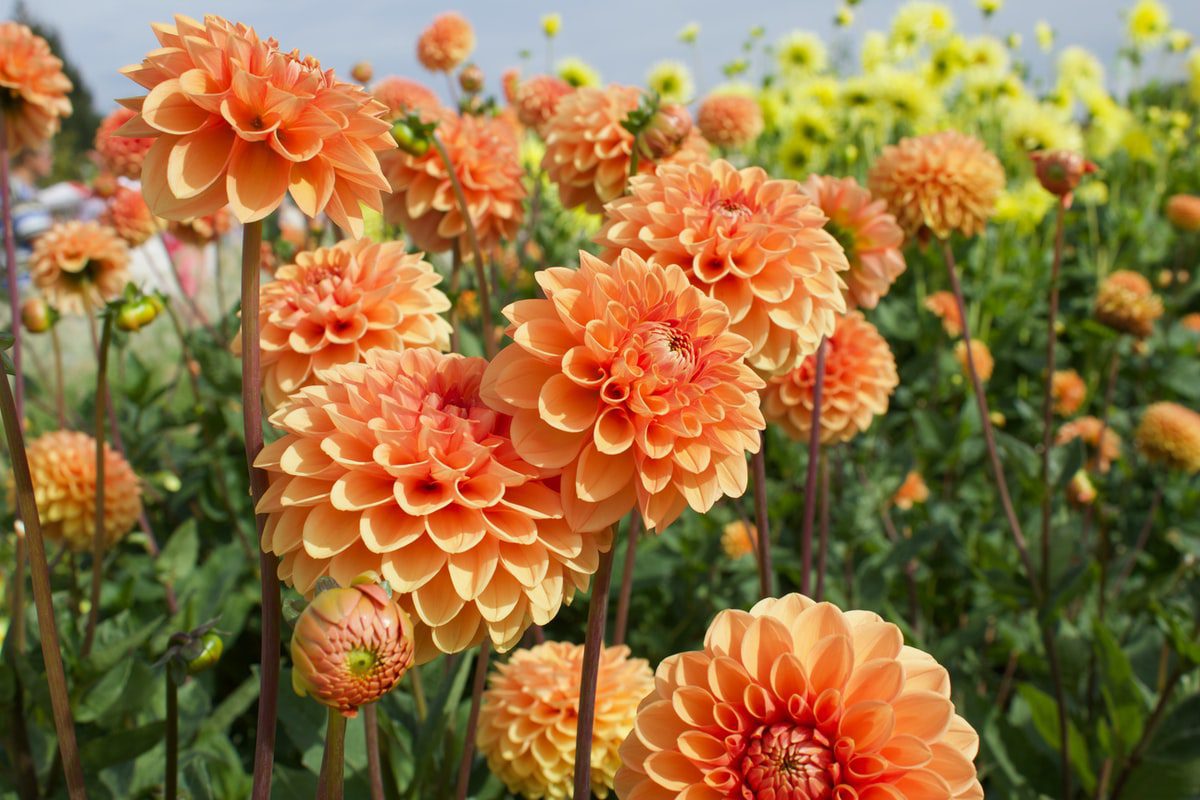
Dahlias Store Energy in their Tubers
Dahlia plants store food and energy on their roots and underground stems called tubers. They look like sweet potatoes.
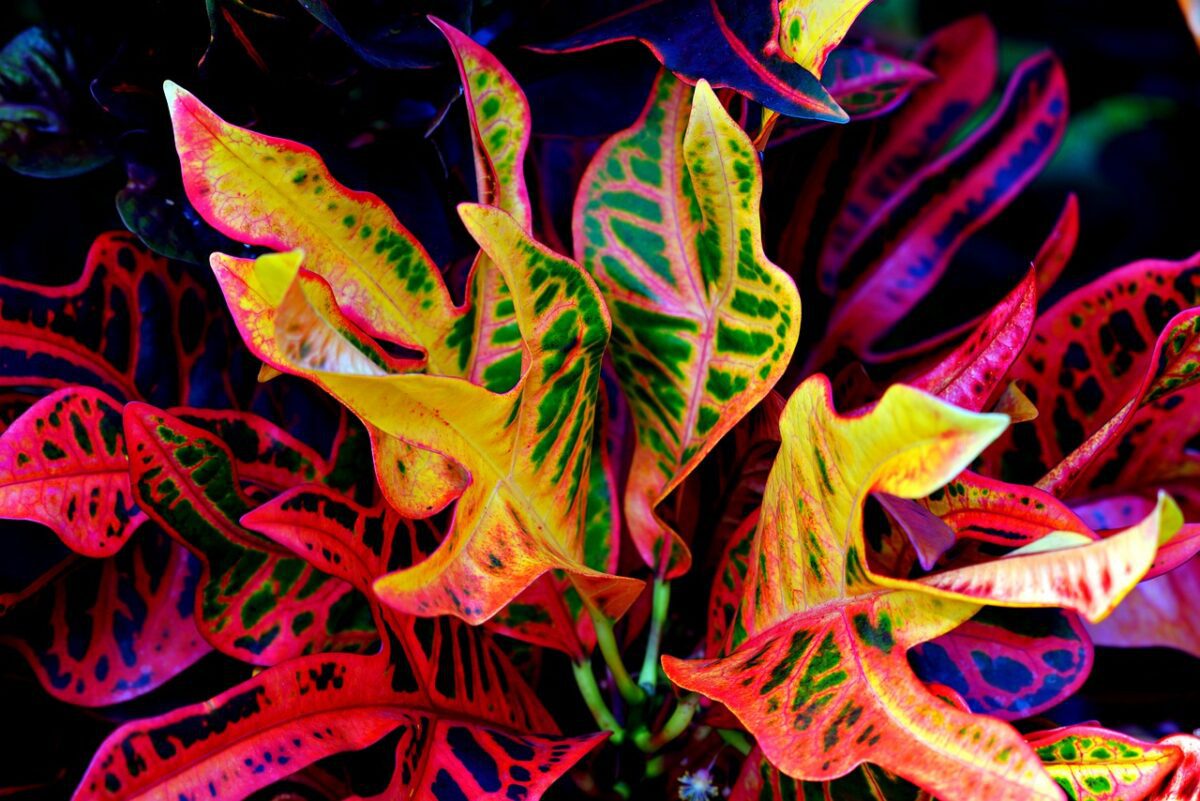
Crotons are Wonderful Colourful Houseplants
Crotons are well-known and loved plants, due in large part to their vivid foliage and intriguing patterns. Discover favorite varieties.
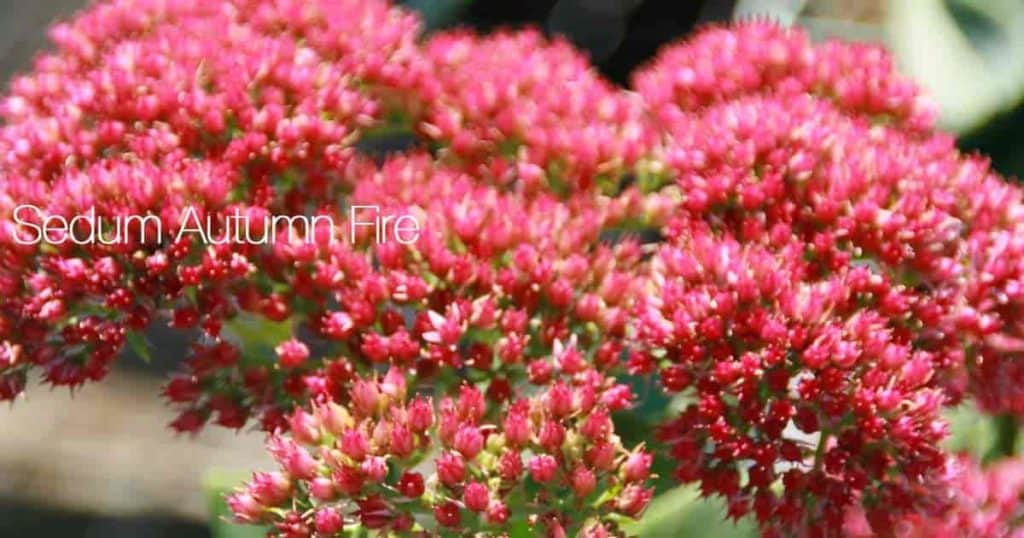
Sedum Autumn Fire Growing And Care
The autumn fire variety features rich, rosy-pick flowers which slowly age throughout the season, eventually turning a coppery red color.
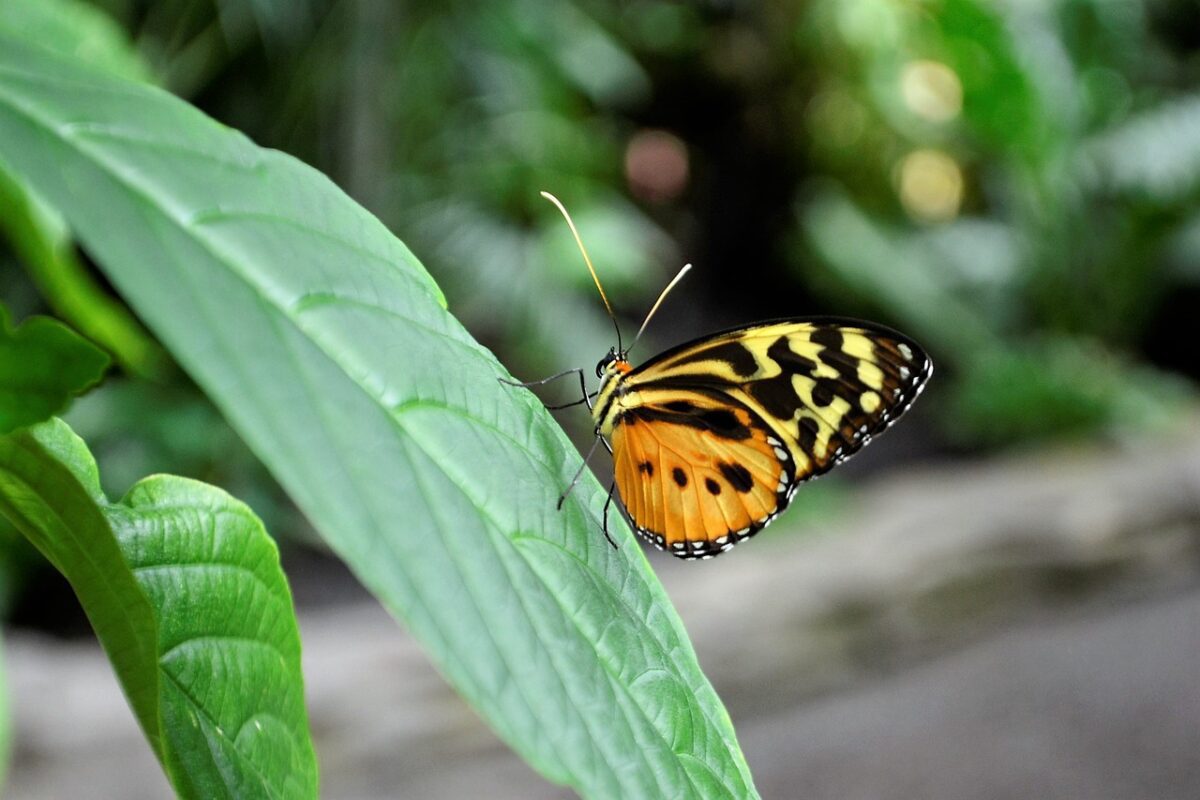
Make An Eco Friendly Garden
Eco friendly gardens are gaining popularity. Here's sharing key elements to make your garden eco-friendlier and more sustainable.
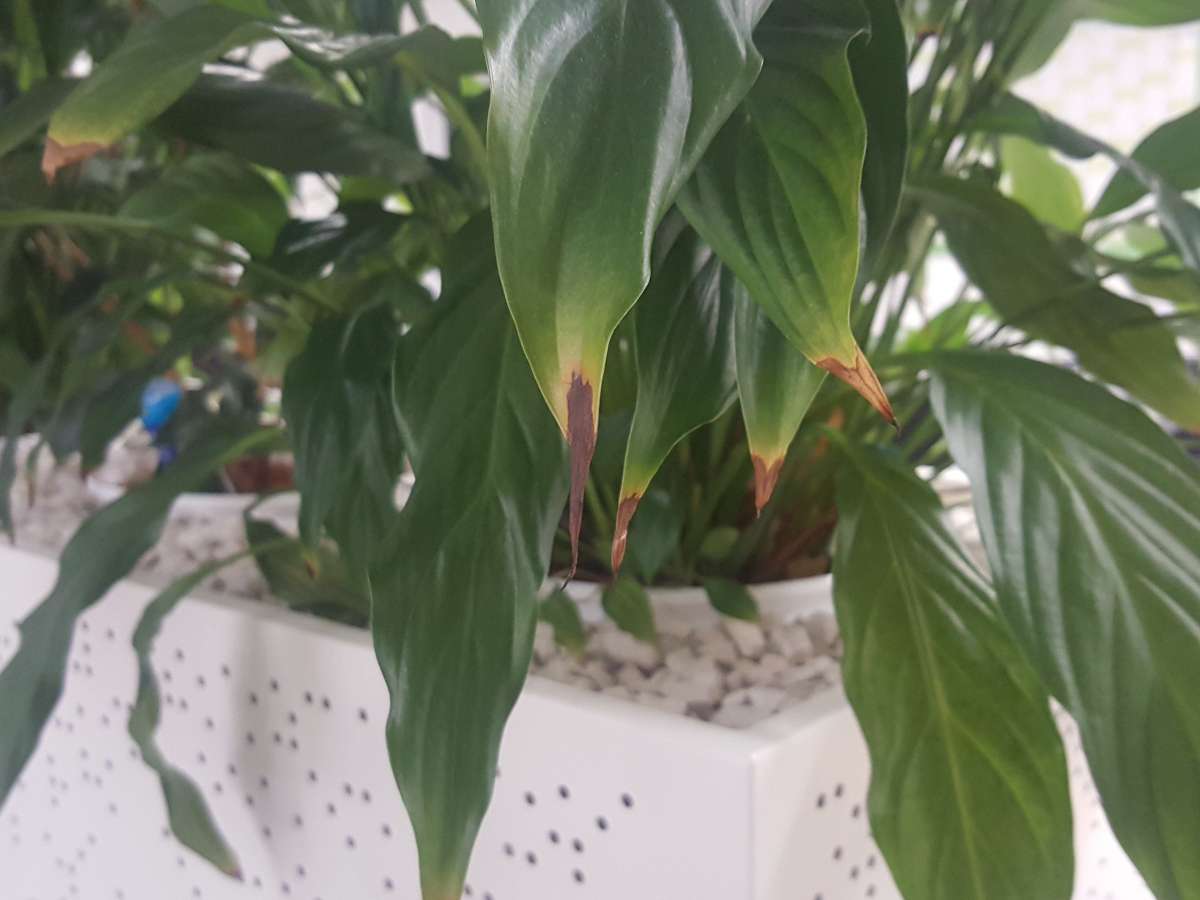
How to Deal with Brown Tips on Indoor Plants
Brown tips on houseplants indicate that the plants are stressed and require attention. Brown tips are due to a variety of circumstances.
Leave a Reply
You must be logged in to post a comment.