The Bur Oak (Quercus macrocarpa) is one of the most imposing oaks, characterized by a trunk diameter that can reach up to 10 feet. It typically thrives in open spaces, away from the dense canopy of forests. In Canada, it can attain a height of 12 to 18 meters and a diameter of 60 to 80 centimetres. With an estimated lifespan of 200 to 300 years, the Bur Oak exhibits distinctive growth patterns. Its trunk and upper branches ascend towards the sky, while its middle branches develop horizontally. The Bur Oak’s natural habitats encompass forests, riverbanks, fertile bottomlands, and sandy plains.
In contrast, red oak (Quercus rubra) thrives in well-drained soil, while bur oak (Quercus macrocarpa) flourishes in clay or clay loam soils. Oaks provide habitat for over 500 species of butterflies and moths, which, in turn, support numerous bird species, particularly during the breeding season. Their broad crowns and ability to reach heights of up to 80 feet make them visually appealing. However, it is important to note that oak wilt poses a potential future concern.
Caring for Bur Oak
The bur oak requires patience because it has a slow growth rate of less than 25 cms (12 Inches) per year. This tree thrives in rich, well-drained, alkaline loam soils. It boasts a deep and extensive root system with a prominent taproot. While transplanting may be challenging, it demonstrates high pollution tolerance and adaptability to urban environments. Additionally, it is drought tolerant, which is great!
Comments

More From Gardening Calendar
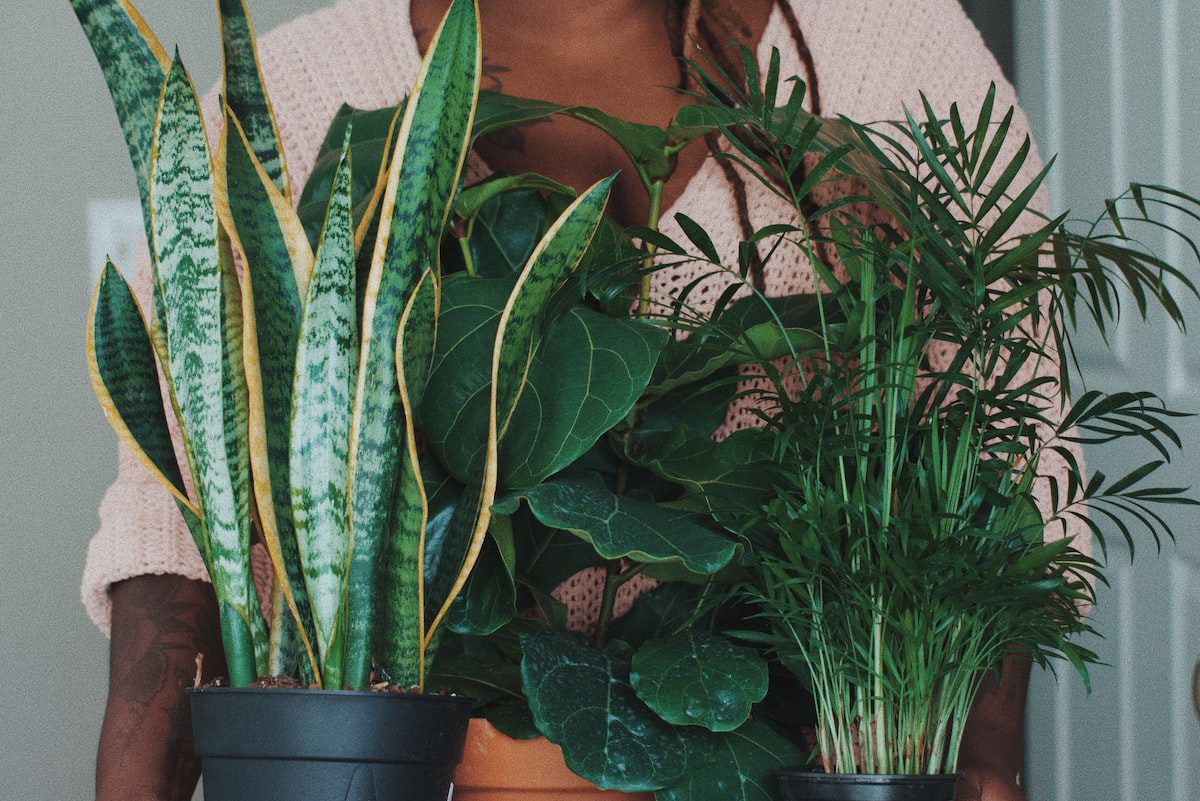
Sansevieria (Snake) Plant Varieties
Snake Plants are available in various shapes, colors, and sizes. Here are a few Sansevieria varieties you should know about.
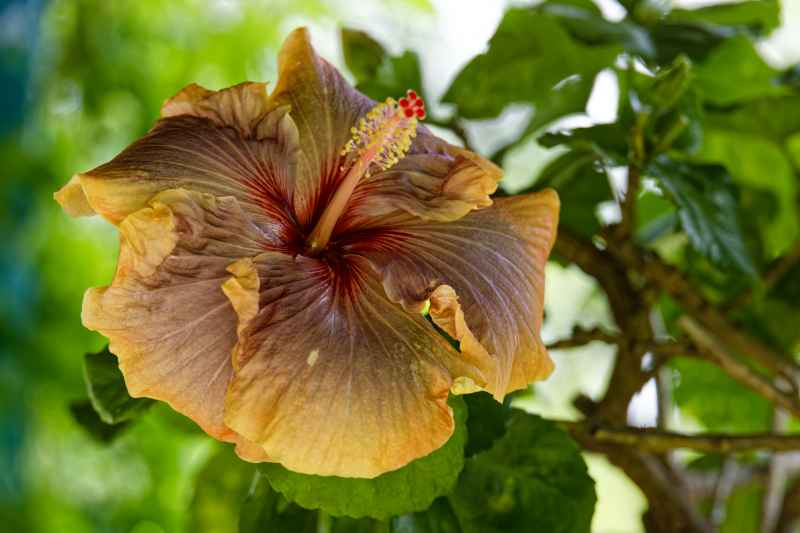
Pruning Hibiscus For Best Growth
Learn the benefits of pruning hibiscus for vibrant blooms and how to adjust your routine based on variety and season. Keep your plants healthy and blooming!
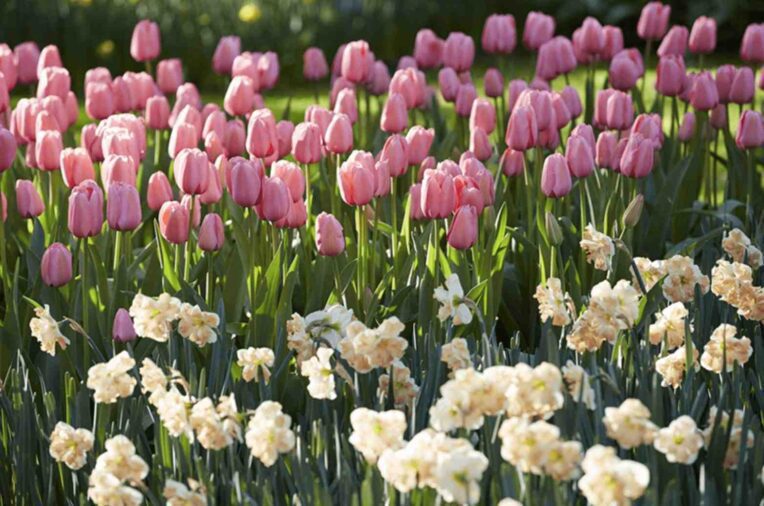
Fall Bulb Design: Easy, Colorful Combinations
Fall-planted bulbs are some of the easiest ways to add impactful colour to your spring garden.
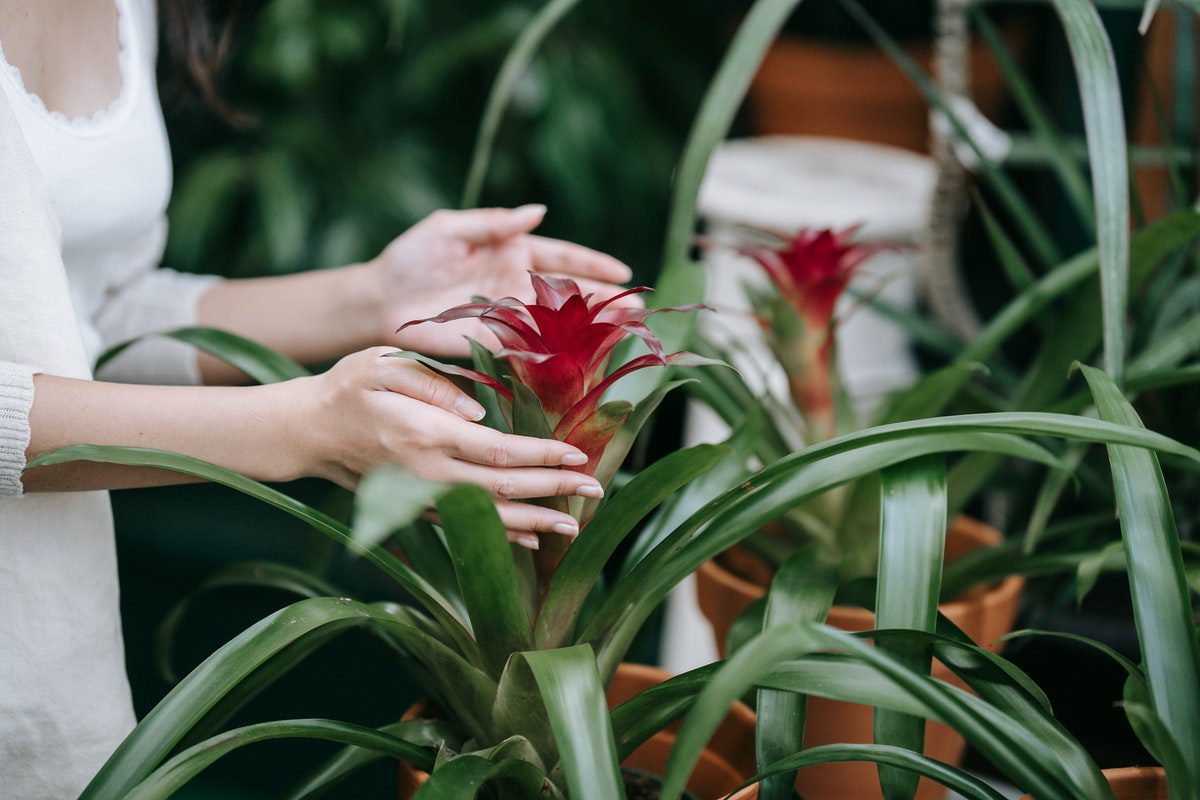
How To Grow And Care For Bromeliads Plants
Bromeliads are low-maintenance plants that bring bright colours and living greenery to practically any house.

2022 Garden of Excellence Award Winner!
Experience excellence beyond North American borders! The VBG was awarded the 2022 "Garden Excellence Award" presented by the APGA. Now's your chance to help us take the Garden to even higher levels of excellence as a top tourism generator & cultural icon in Puerto Vallarta & Mexico. Join us!
Ways to Protect Your Garden in Harsh Heat
Watering alone is not enough to protect your garden. Let us explore all such ways to protect a garden from the harsh summer heat.
Leave a Reply
You must be logged in to post a comment.