
Anise Hyssop is like Licorice in your Garden
Anise Hyssop is simple to cultivate and care for in an ornamental or herb garden. Plants self-sow freely, but unwanted seedlings are easily removed. This plant belongs to the mint family (Lamiaceae), but its fragrant leaves smell like licorice, especially when you rub them, hence the name anise. Salad dressings, herbal tea mixes, and potpourri can all benefit from anise hyssop.
Anise hyssop leaves and flowers are edible and can be harvested. This plant is native to northern North America, including from Ontario to British Columbia in Canada, and attracts as many as 30 species of bees, 12 butterfly and moth species, and insects, as well as hummingbirds.
Quick Growing Guide
Botanical Name: Agastache foeniculum
Also Called: Blue Giant Hyssop
En français: Agastache fenouil
See More Plants in this Botanical Family:
Colour:
Sun / Shade:
Water: Medium
Soil:
Height:
Pollinators:
Care:
It features square stems and opposing leaves, just like the rest of the mint family. On sturdy, branched stems, this herb has vertical clusters of tubular, lipped, light purple flowers. The flowers, unlike the foliage, are odorless.
Pollinators
The blooms emerge in succession, offering a long nectar season and making Anise Hyssop particularly appealing to pollinators such as bumblebees, mining bees, leaf-cutting bees, sweat bees, and masked bees. It also attracts a variety of butterflies, skippers, and moths, as well as hummingbirds. The seeds are eaten by goldfinches and other birds.
Consider adding Anise Hyssop and Purple Giant Hyssop to your wildflower garden; pollinators will love it!
Caring for Anise Hyssop
Anise hyssop is an easy plant to grow in most climates, requiring simply well-drained soil and a minimum of four hours of direct sunlight every day, but thriving with six or more. In rainy or humid conditions, it may develop mildew or root rot, although it is normally pest- and disease-free. It is rarely eaten by rabbits or deer.
Anise hyssop grows in clumps and does not spread widely by runners, as do many other mint family members. It will, however, easily reseed itself. If you wish to reduce reseeding and encourage more bloom, deadhead plants after they flower.
Growing from Seed
The seed matures 3 to 4 weeks after flowering. They need light to germinate and a 30-day cold stratification period. It is best to start the seeds inside in the spring. Push the seed gently into the soil without covering it. Throughout the germination phase, keep the soil moist. When the risk of frost has gone and the leaves have appeared, harden the plant by placing it outside in a sheltered area for a few hours each day, gradually increasing the time spent outside. Plant seedlings should be transplanted into the garden after about a week, keeping them moist as they grow. New plants from seed will typically bloom the first year
Harvesting Anise Hyssop
The best time to harvest its leaves is when its flowers have just finished blooming. Using garden scissors and starting from the plant’s base, snip leaves moving up the plant as needed. Some recommend gathering leaves first thing in the morning. To dry tea leaves, cut complete stems about 4 to 5 inches from the plant’s base and take the leaves away. It’s flowers, on the other hand, should be harvested when they are about three-quarters open.
Use Anise Hyssop as Foods or Medicine.
You can eat the flowers, make tea from the leaves and flowers (dried or fresh), mix them in alcoholic drinks, to make jellies, or use them as a healing infusion wrapped within a cheesecloth and placed under your pillow to help sleep. The tea leaf has been used in folk medicine to treat fever, coughs, and colds, as well as to stimulate sweating and treat a weak heart.
Comments
One response to “Anise Hyssop is like Licorice in your Garden”
More From Gardening Calendar

8 Ways On Killing Weeds Naturally
When looking at all the natural ways to kill weeds, it is always best to bring productivity and harmony to the garden.
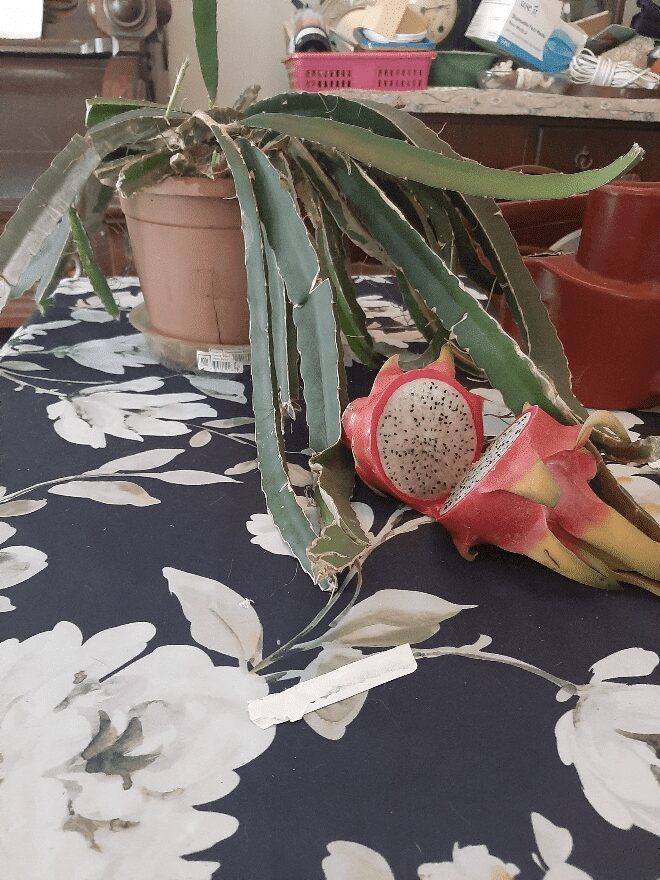
Veggie Bites – Sage and Dragon Fruit
This zone nine sage is a favourite of mine but needs a long growing period if I am ever going to see flowers.
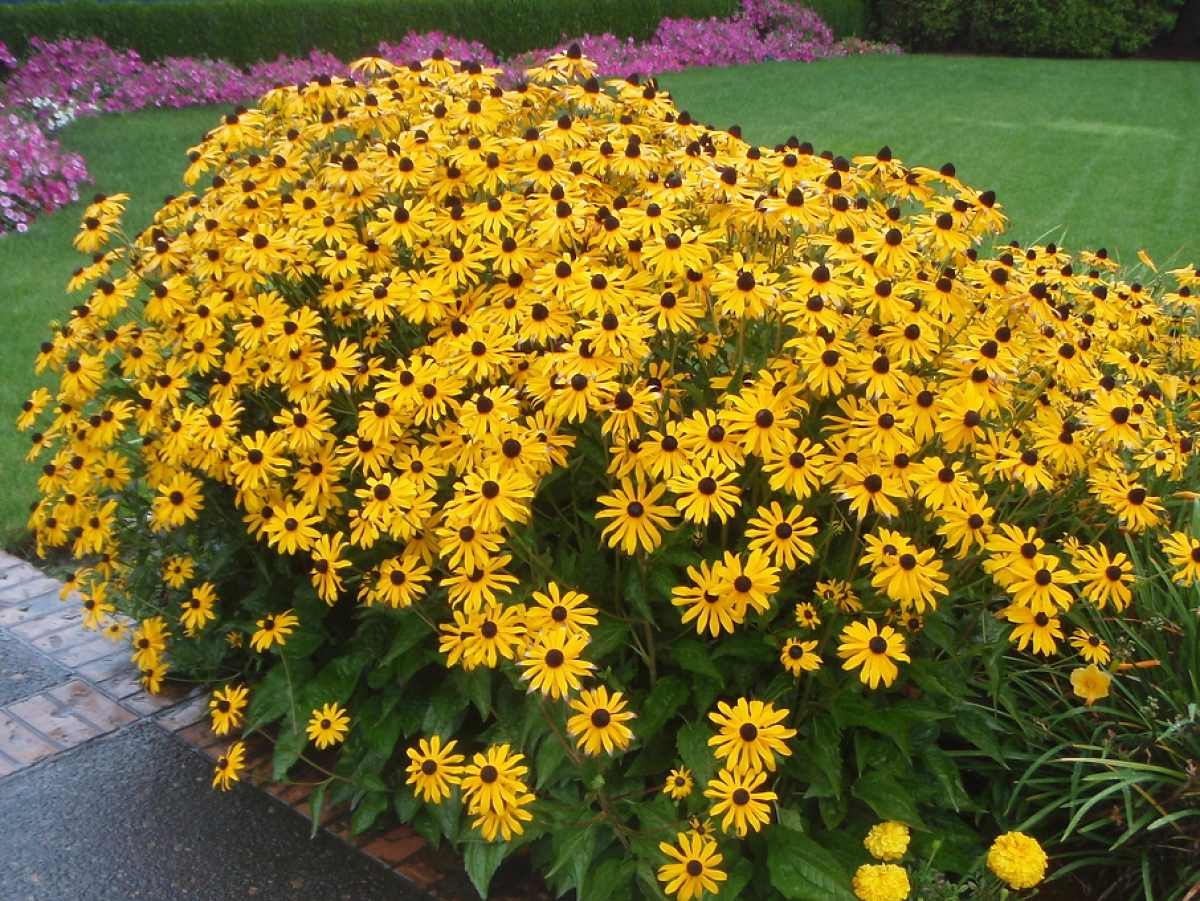
Black-Eyed Susan Brings Cheerful Colour
Black-eyed Susan is a cheerful, widespread plant with daisy-like flowers, vibrant yellow rays, and domed, dark brown center disks.

On Best Mosquito Repellent Plants
Discover the most effective mosquito repellent plants for indoor and outdoor. Also, learn about companion plants that repel mosquitoes and other insects.
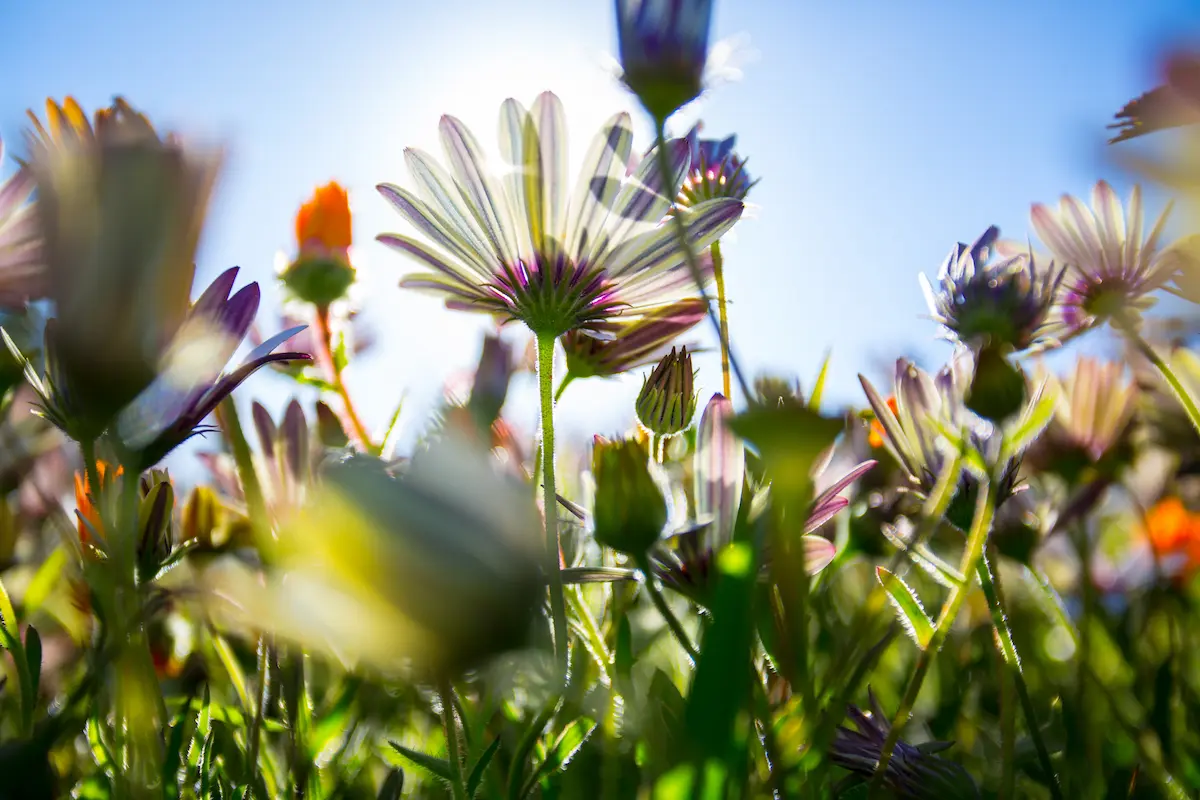
Favorite Easy-To-Grow Wildflower Combinations
Discover the best wildflower combinations like Zinnias and Cosmos for long-lasting blooms and attract bees, butterflies, and beneficial bugs to your garden. Easy to grow and perfect for colorful solutions in any space!
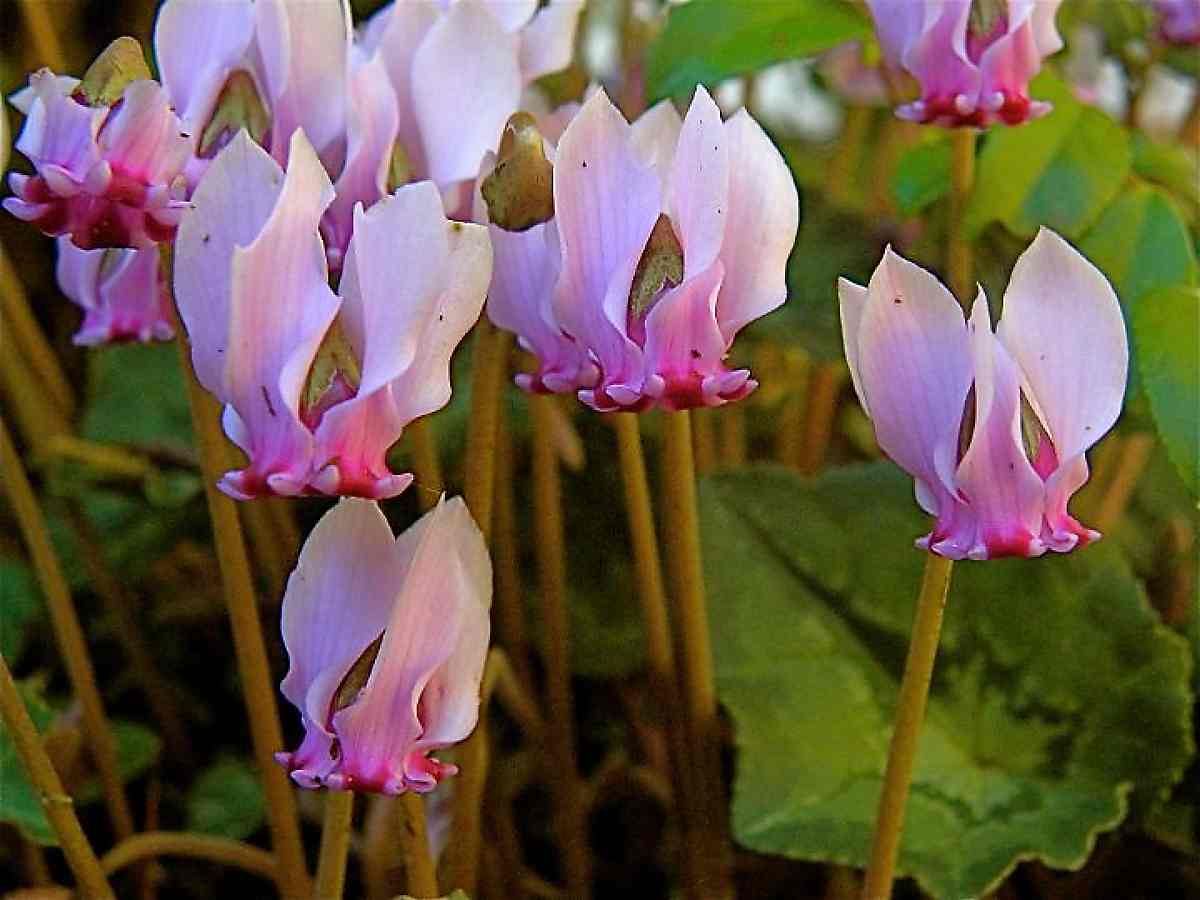
Cyclamen Plant Care For Winter Colour
Cyclamen are beautiful plants that are beloved around the holidays. Indoor cyclamen plant care is quite different from other houseplants.
Leave a Reply
You must be logged in to post a comment.