Partners: Botanical Garden

  • Yeomiji Botanical Garden

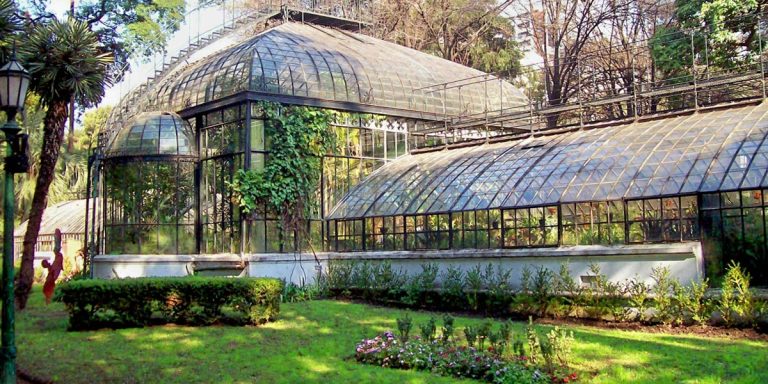
    Indoor Garden: A three acre large glass greenhouse consists of a Mystery Garden, a Central Hall, where various exhibitions of flowers and plants take place, a Flower Garden, an Aquatic Garden, a Cactus Garden, a Jungle Garden, and a Tropical Fruits Garden. At the center is a 38-meter tall observation tower.

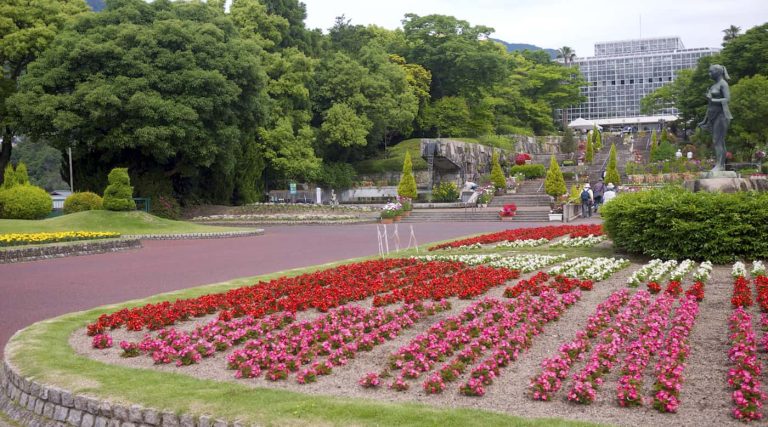
    Outdoor Garden: On 24 acres of land, there are about 1,000 kinds of warm temperate and temperate zone plants in various gardens, including Japanese, Korean, Italian, and French Gardens and Lawn, as well as Herb and Bog Gardens.

  • Singapore Botanic Gardens

    The Singapore Botanic Gardens are spectacular. The Gardens is the first and only tropical botanic garden on the UNESCO’s World Heritage List. It is the first in Asia and the third botanic gardens inscribed in the world following Orto botanico di Padova and the Royal Botanic Gardens, Kew. Each Core of four (4) core components of the gardens presents an exciting array of attractions. 

  • Hakgala Botanic Garden

    Botanic Gardens at Hakgala were established in 1861 for the purpose of experimentation and promotion of Cinchona cultivation in Sri Lanka. The gardens lying in the hill country among Sri Lanka’s tea plantations in the Nuwara Eliya district are located along the Badulla Road, 9.5 km South-east of Nuwara Eliya, the popular holiday resort.

  • Queen Sirikit Botanic Garden

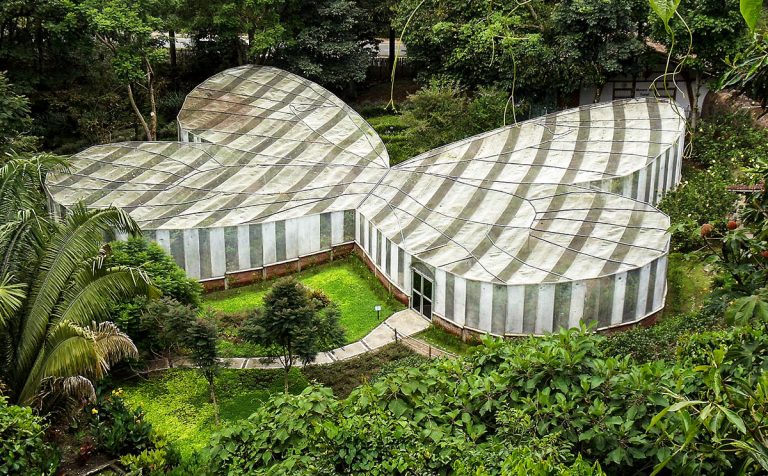
    Thailand’s first botanic garden is now a popular tourist destination in the Mae Rim district, covering a mountainous area of 560 acres and displaying a diverse collection of plants from around the world. The garden, which was established in 1992 to honour HM Queen Sirikit, has several highlights, including a Rainforest Glasshouse where you can walk among abundant types of plants from all tropical forests in Asia.

  • National Botanical Garden Godawari

    The National Botanical Garden (NBG) was exquisitely designed by two British architects, Geoffrey Herklots and Tony Schilling. It is well-known as a center of plant conservation, education, research, display and recreation. It covers an area of 82 hectares with varying topography, 40 hectares of which have been transformed into various thematic gardens. It is surrounded by a natural evergreen forest with Schima-Castanospsis-Alnus as the dominant tree species. It is located at the base of Mt. Phulchowki (2765 m), the highest peak of the Kathmandu valley, and lies about 10 km southeast of Satdobato, Lalitpur District. A natural stream, Godawari, runs through the middle of the garden, adding to its beauty.

  • Perdana Botanic Garden

    The Perdana Botanical Garden has always been a part of the green lung of the city and has a history of over a decade. Originally created as part of a recreational park but planted with collections of tropical plants, the garden have been rehabilitated and turned into a Botanical Garden. The garden also houses features that give the visitors the ambiance of being in a tropical rainforest, despite being in the middle of a bustling metropolis.

  • Koishikawa Botanical Garden

    Koishikawa Botanical Garden is also one of Tokyo’s most pleasant and interesting places for cherry blossom viewing, because it does not get as crowded as other hanami spots and features cherry trees of various varieties. It is not to be confused with the similarly named Koishikawa Korakuen. This botanical garden is not only the oldest botanical garden in Japan, but also one of the oldest botanical gardens in the world.

  • Kyoto Botanical Garden

    Founded in 1924, Kyoto Botanical Gardens is the oldest and most comprehensive public botanical garden in Japan. With seasonal plants and various conservatories, the Gardens is ever-changing and can be enjoyed all year round. More than 450 cherry blossom trees bloom beautifully in spring and leaves of deciduous trees such as maple color exquisitely in autumn. At other times of the year, lush greenery and a wide variety of trees and flowers can be enjoyed. Kyoto Botanical Gardens is a living museum of plants that offers opportunities for both education and relaxation.

  • Higashiyama Zoo and Botanical Garden

    The botanical garden has about 7,000 kinds of plants, and there is also a “greenhouse” designated as an important national cultural property, and a “gassho-zukuri house” relocated from Gifu Prefecture’s Shirakawa-go, which has become a World Heritage site. 
    In addition to popular animals such as koalas and giraffes, you can meet about 450 species of animals from large elephants to small killifish. This is the largest number of species in Japan, and you can see the unique ecology of a wide variety of animals.

  • Tokyo Jindai Botanical Garden

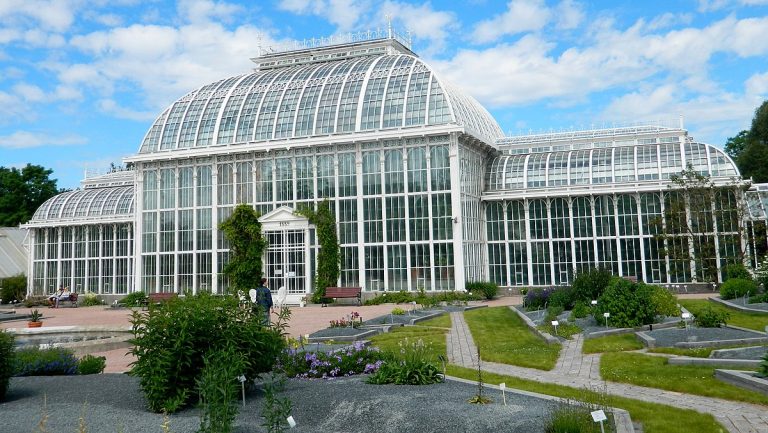
    In the garden where vestiges of Musashino remain, you can enjoy the beauty of plants and flowers throughout the four seasons. Currently, about 4,800 kinds and 100,000 trees/stocks have been planted. The garden is divided into 30 blocks for each type of plant, including a rose garden, azalea garden, plum garden, and hagi garden, so that visitors can acquire knowledge about plants while admiring the scenery.

  • Hiroshima Botanical Garden

    After passing through the front gate, visitors are greeted by seasonal flowers. You can enjoy tropical water lilies with beautiful flowers and a wide variety of species throughout the year. In addition, there is a carnivorous plant corner on the north side. The number of orchids, such as fragrant orchids and small orchids, is one of the largest in Japan! There are also orchids that can only be seen here, and much more.
  • Achariya Jagadish Chandra Bose

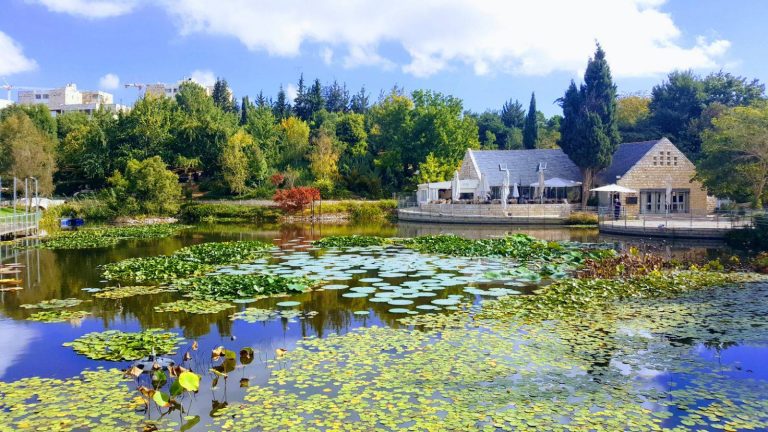
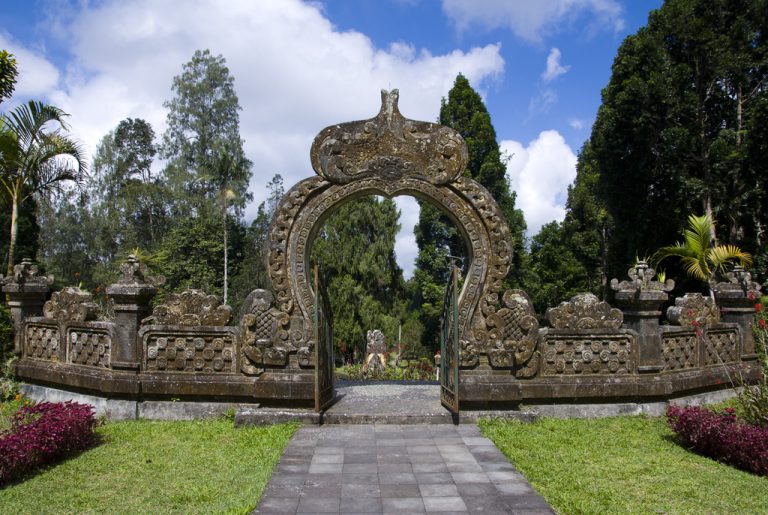
    The best-known landmark of the garden is The Great Banyan, an enormous banyan tree (Ficus benghalensis) that is reckoned to be the largest tree in the world, at more than 330 metres in circumference. It partially inspired the novel Hothouse by Brian Aldiss.[12] The gardens are also famous for their enormous collections of orchids, bamboos, palms, and plants of the screw pine genus (Pandanus).
    Animals seen inside the Botanic Garden include the Jackal (Canis aureus), Indian mongoose and the Indian Fox (Vulpes bengalensis). Many species of snake are also to be found in the garden.

  • Wroclaw Botanic Garden

    Welcome to the website of the Botanical Garden of the University of Wrocław! The Botanical Garden is an oasis of beauty and peace in the heart of Wrocław.

    It is the second (after the Krakow Garden) oldest garden in Poland, entered on the list of monuments of the province. Dolnośląskie Voivodeship
    and located within the boundaries of the historical center of Wrocław, which is subject to special protection.
    We invite you to visit our Garden!

  • Krakow Botanic Garden

    The Botanical Garden of the Jagiellonian University in Krakow, founded in 1783, is currently the oldest in Poland. For over two hundred years, it has played a major role in the development of science, education and culture as a place of research, artistic inspiration and a “living museum” of the world’s flora, visited by thousands of people every year.

  • Belmonte Arboretum

    A garden is so much more than a collection of plants, trees, lawns and paths. All sorts of things happen in, on and under these parts. The birds, insects and butterflies, small mammals above the ground, and below the surface a rich soil life, larger and smaller. We always try to find a balance between the interests of the collection and nature, to do justice to all these ‘inhabitants’ of our garden.

  • University of Uppsala Botanic Garden

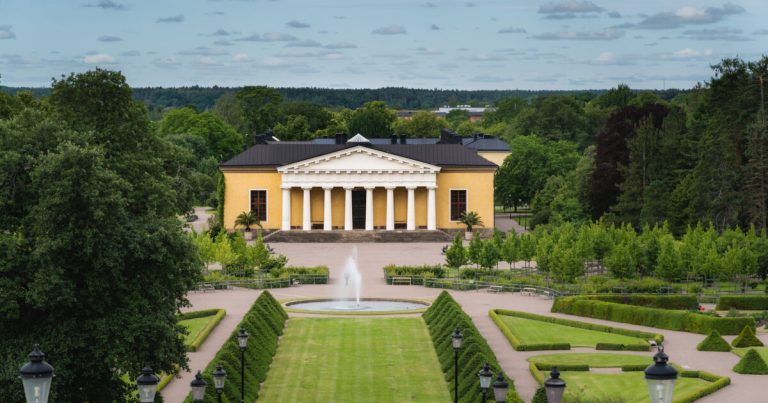
    Welcome to one of the most popular sights in Uppsala, with a magnificent baroque garden, a 200 years old orangery and the only rainforest in Uppsala!

    During the spring, lawns and fields are filled with flowering bulbs and sedges. Magnolias, cherries and tulips are blooming. The flowering then continues throughout the summer. Towards late summer, the kitchen plant country is at its most beautiful, and in autumn both native and exotic trees and shrubs offer a splendor of colour.

  • Leiden University Botanic Garden

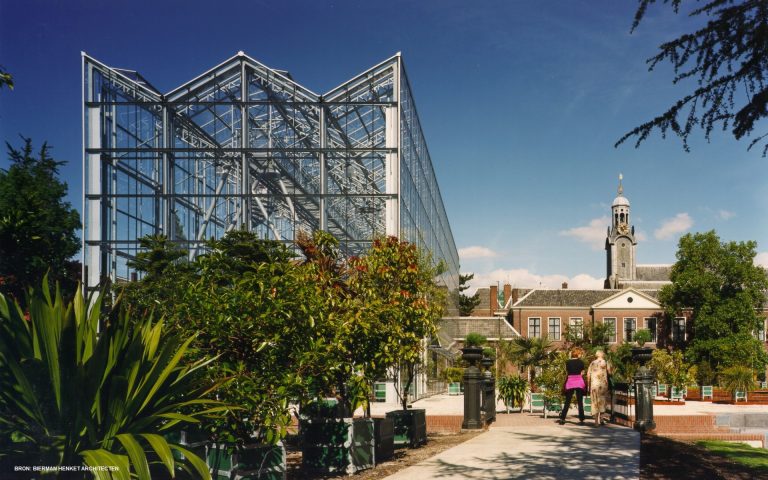
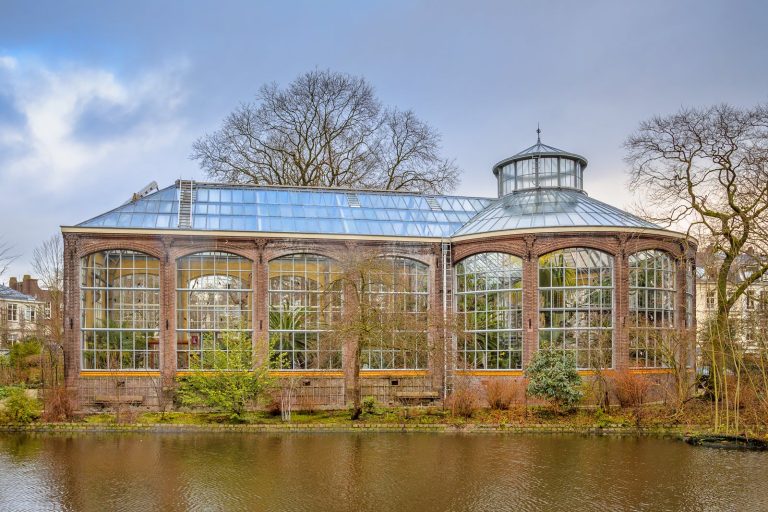
    The Hortus botanicus Leiden is the oldest botanical garden in the Netherlands. Built in 1590 and expanded in the following centuries, the Hortus is the green heart of Leiden. Here Carolus Clusius grew the first large collections of tulips in Europe, and Philipp Franz von Siebold introduced about 700 hitherto unknown plants from Japan and China. Visitors can go here for a relaxing walk; researchers from all over the world come here to conduct research into the renowned collection of the Hortus.