Partners: Botanical Garden

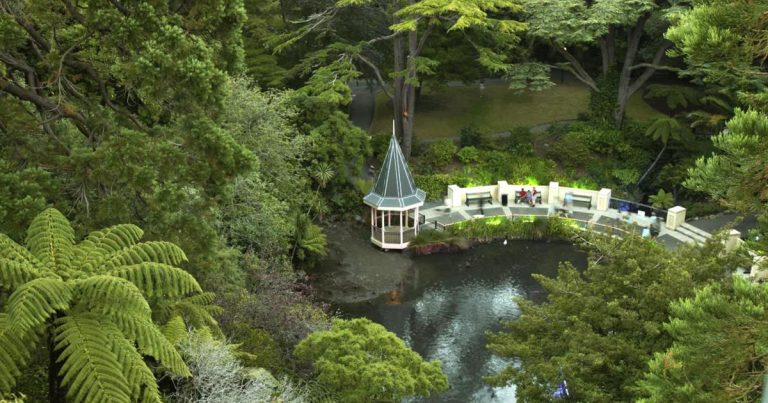
  • Wellington Botanic Garden

    Visit Wellington Botanic Garden and enjoy 25 hectares of specialised plant collections, colourful botanical displays, unique landscape, protected native forest, and views over Wellington City.

    The diverse gardens help to show how important plants have been, are now, and will be in the future. The vital role plants play in our lives is crucial for our planet’s health.  

    Visit our wildflower garden for the pollinators, see different examples of how to grow your own food and experience the interconnectedness of nature in action.
  • Royal Tasmanian Botanic Gardens

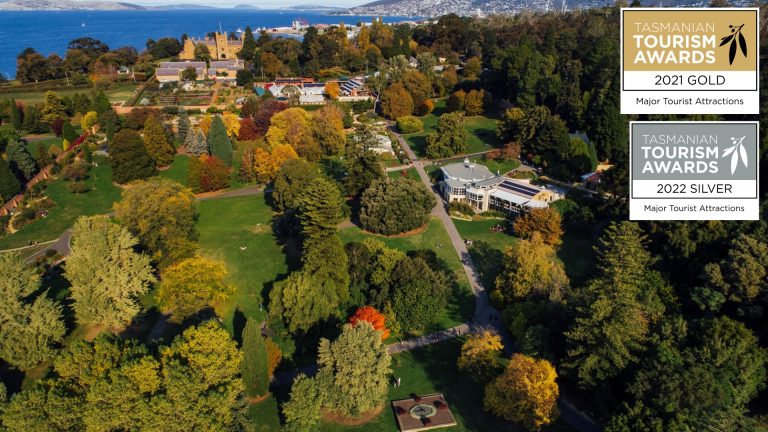
    At 14 hectares the Royal Tasmanian Botanical Gardens are easily viewed over the course of a relaxed day. If your time is limited, you can tailor your walk to encompass your personal interests. For instance, if you want to take in the Garden’s most significant cultural heritage landscapes and major iconic trees the walks above the Lily Pond would be rewarding and could be coupled with a visit to the Gatekeeper’s Cottage and the Gardens’ heritage walls, the Arthur and Eardley-Wilmot Walls. If you want to learn about Tasmanian plants, walk through and discover the Tasmanian Collection then visit the Greater Hobart Garden to look at our local flora. You should also add the Subantarctic Plant House to experience the closely related flora of wind blown Macquarie Island.

  • Royal Botanic Gardens Victoria

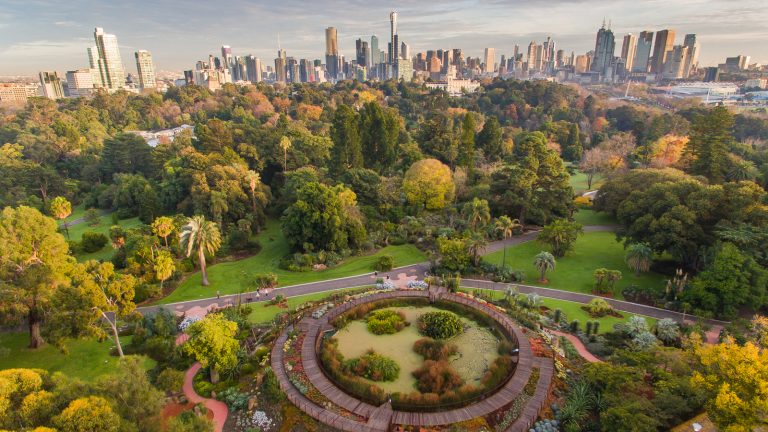
    Royal Botanic Gardens Melbourne has been a treasured part of Melbourne’s cultural life for more than 170 years – much loved by generations of Victorians, as well as by many visitors from interstate and overseas. It is a picturesque haven for recreation and an important resource for education, conservation, science and horticulture. Melbourne Gardens extends over 38 hectares and houses a collection of more than 8,500 species of plants from around the world, including amazing and diverse plant collections such as camellias, rainforest flora, cacti and succulents, roses, Californian species, herbs, perennials, cycads, plants from Southern China and, in the Rare and Threatened Species Collection, plants from south-eastern Australia.

  • Kings Park & Botanic Garden

    Kings Park is one of the world’s largest and most beautiful inner city parks. It is rich in Aboriginal and European history, contemporary culture and offers innovative design, displays and services. Kings Park has an international reputation for scientific research, leading horticulture, conservation and public education. Kings Park is home to the spectacular Western Australian Botanic Garden, which displays over 3,000 species of the State’s unique flora. Two thirds of the 400 hectare park is protected as bushland and provides a haven for native biological diversity.

  • Dunedin Botanic Gardens

    The Dunedin Botanic Garden celebrates its 160th anniversary in 2023, marking its position as New Zealand’s first botanic garden. It occupies 33 hectares in North Dunedin at an altitude of 25 – 85 metres above sea level. The Garden has hill views from sunny lawns, more than 6,800 plant species and the song of wild native bellbirds, wood pigeons and tui.

  • Christchurch Botanic Gardens

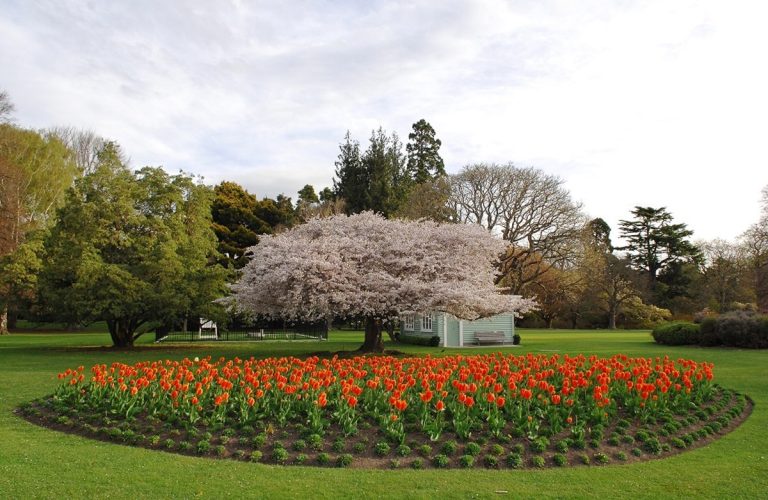
    Founded in 1863 with the planting of an English oak tree, the Christchurch Botanic Gardens have grown from small beginnings to become a much-loved destination for Cantabrians and visitors alike. Over the years natural wetlands and sand dunes have been transformed into an elegantly cultivated 21 hectare park with more than 10 different gardens framed by mature trees and expansive lawns, which are mostly contained within a loop of the Avon River.
    From the spring drifts of daffodils, spectacular summer roses, stunning autumn leaf displays and cosy conservatories to explore over winter, there’s something to delight in every season.

  • Australian National Botanic Gardens

    Nestled in the foothills of Black Mountain, the Australian National Botanic Gardens is the perfect retreat from the rush of city life. Come to the Gardens, breathe in the fresh air, listen to the birds and watch the trees sway with the breeze. Take a stroll beneath the canopy of the Rainforest Gully, enjoy a coffee or a massage, and leave feeling rejuvenated. With over 4,500 species on display, the Gardens is the only place where you can see the true variety of native Australian plants in one location.

  • Auckland Botanic Garden

    The Auckland Botanic Gardens covers 64 hectares (156 acres) of land, including 10 hectares of native forest. Opening to the public in 1982, the Auckland Botanic Gardens is a young garden by world standards.

    The Gardens attract over 1 million visitors each year and is a member of the New Zealand Gardens Trust, an organisation that assesses gardens for the quality of visitor experience and promotes garden visiting.

    Our team are extremely knowledgeable about plants, and are passionate about connecting our visitors to plants and gardens. As horticultural experts, our role is to help people engage with plants and gardens, and to highlight their importance in everyday life. We run regular workshops and drop-in sessions where our staff can give expert advice and tips to our visitors.

  • Royal Botanical Gardens

    As the largest botanical garden of its kind in Canada, this National Historic Site is part of the Niagara Escarpment World Biosphere Reserve. The Royal Botanical Garden is known as “Canada’s Biodiversity hotspot” featuring 2,700 acres of historical outdoor plant collections within four distinct gardens and 27 kms of nature trails. This open-air museum is filled with gardens, natural wonders and nature sanctuaries. It contains 25% of all wild plants in Canada and 40% of all wild plants found in Ontario.

    The year-round attraction is comprised of the world’s largest lilac collection, 100,000 spring bulbs, 3,000 rose bushes, an iris garden, and an indoor Mediterranean Garden to name a few. The calendar of events includes floral society shows, bloom festivals coinciding with bloom times plus many other seasonal events. Each visit promises to be a new experience.

  • NongNooch Botanical Garden

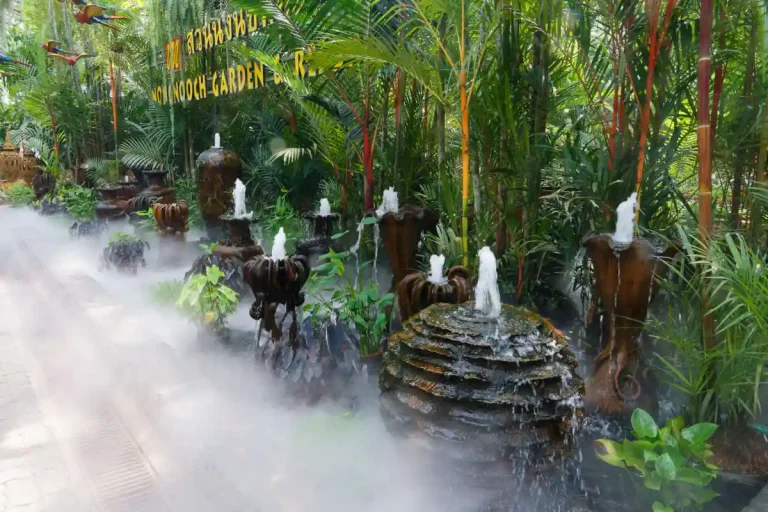
    Nong Nooch Tropical Garden is a popular tourist destination with an area of ​​over 1,700 rai, welcoming tourists from all over the world. More than 5,000 people visit each day and the gardens are recognized as one of the ten most beautiful gardens in the world. It is highly ranked by global websites and has received the following accolades and awards. Currently, Nong Nooch Garden Pattaya has been revived and expanded as a tourist attraction for those living in the 21st century. Importantly, it will also be upgraded to be a tourist attraction in the Eastern Economic Corridor (EEC) area, becoming a tourist destination. Outstanding in the world as well.

  • Shanghai Botanical Garden

    Shanghai Botanical Garden, located in Xuhui District, Shanghai, is a comprehensive urban botanical garden focusing on plant introduction and domestication, botany research, scientific communication, and horticultural display.  There are 15 specialized parks, including a bonsai garden, an herbal medicine garden, an exhibition greenhouse, and an orchid room. It collects and screens a large number of horticultural varieties for urban greening, with more than 3,500 species of living plants and 6,000 varieties.

  • Shanghai Chenshan Botanical Garden

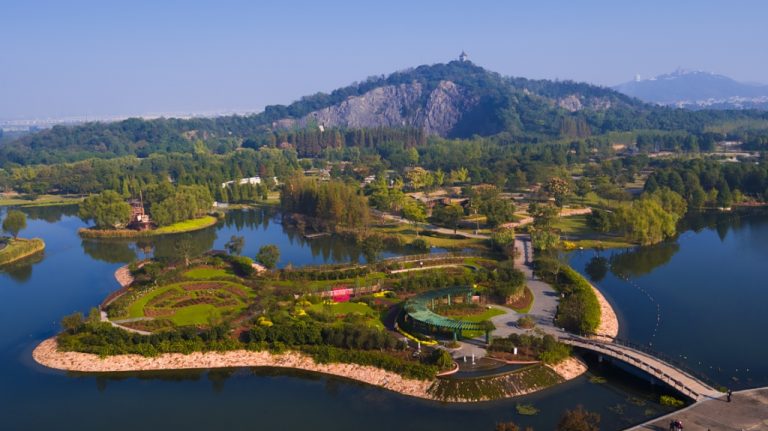
    This remarkable new 207-hectare botanical garden was opened in 2010. Set amidst the fast-developing suburbs of Shanghai, it provides both a green resource for the city and a new center for plant science.  It is a popular public attraction with three spectacular glasshouses, a calendar of festivals, and 26 themed areas. We also have a large and growing education program for children and teenagers. 

  • Yeomiji Botanical Garden

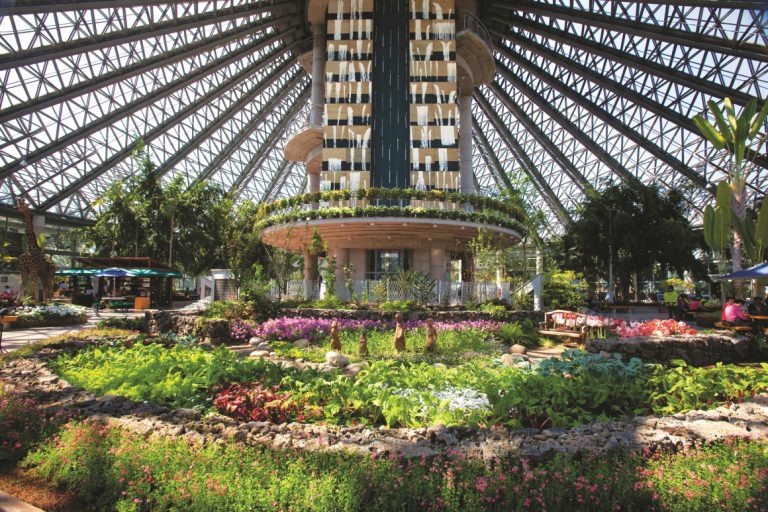
    Indoor Garden: A three acre large glass greenhouse consists of a Mystery Garden, a Central Hall, where various exhibitions of flowers and plants take place, a Flower Garden, an Aquatic Garden, a Cactus Garden, a Jungle Garden, and a Tropical Fruits Garden. At the center is a 38-meter tall observation tower.

    Outdoor Garden: On 24 acres of land, there are about 1,000 kinds of warm temperate and temperate zone plants in various gardens, including Japanese, Korean, Italian, and French Gardens and Lawn, as well as Herb and Bog Gardens.