
Wild Senna Is an Underrated Winner
Wild senna is an underrated plant with striking yellow blooms and attractive foliage. Exposure to full sun provides the energy for more flowers. It is a host plant for sulphur butterflies ( Phoebis sennae, Phoebis philea, and Abaeis nicippe). Birds appreciate the many seedpods, and the plant is an essential food source for game birds like quail.
Yet, In the home landscaping, this wildflower is underappreciated. In nature, it can be found in meadows, pastures, roadsides and long riverbanks.
Quick Growing Guide
Botanical Name: Senna hebecarpa
Also Called: American Senna
En français: Sené sauvage
See More Plants in this Botanical Family:
Colour:
Blooms:
Sun / Shade:
Height:
Width:
Pollinators:
Propagation Control Needed
Wild senna reproduces easily from seeds released by the plant or begun in the early fall, and through root division in the early spring or fall. To keep the number of plants in the garden under control, clip back ripe seed heads in late summer and early fall. Once established, this plant is drought resistant.
Medicinal Uses
Many centuries ago, its leaves were utilised for cathartic tea. Today, the leaves and seeds are utilised as a laxative. Indigenous peoples utilise the plant’s root to treat high fevers, as a worm medicine, to treat fainting episodes, and to treat pneumonia.
Comments

More From Gardening Calendar

A Guide to Organic Lawn Fertilizer
Looking for good ways to fertilize your lawn? We’re breaking down everything related to organic lawn fertilizer and how it works.
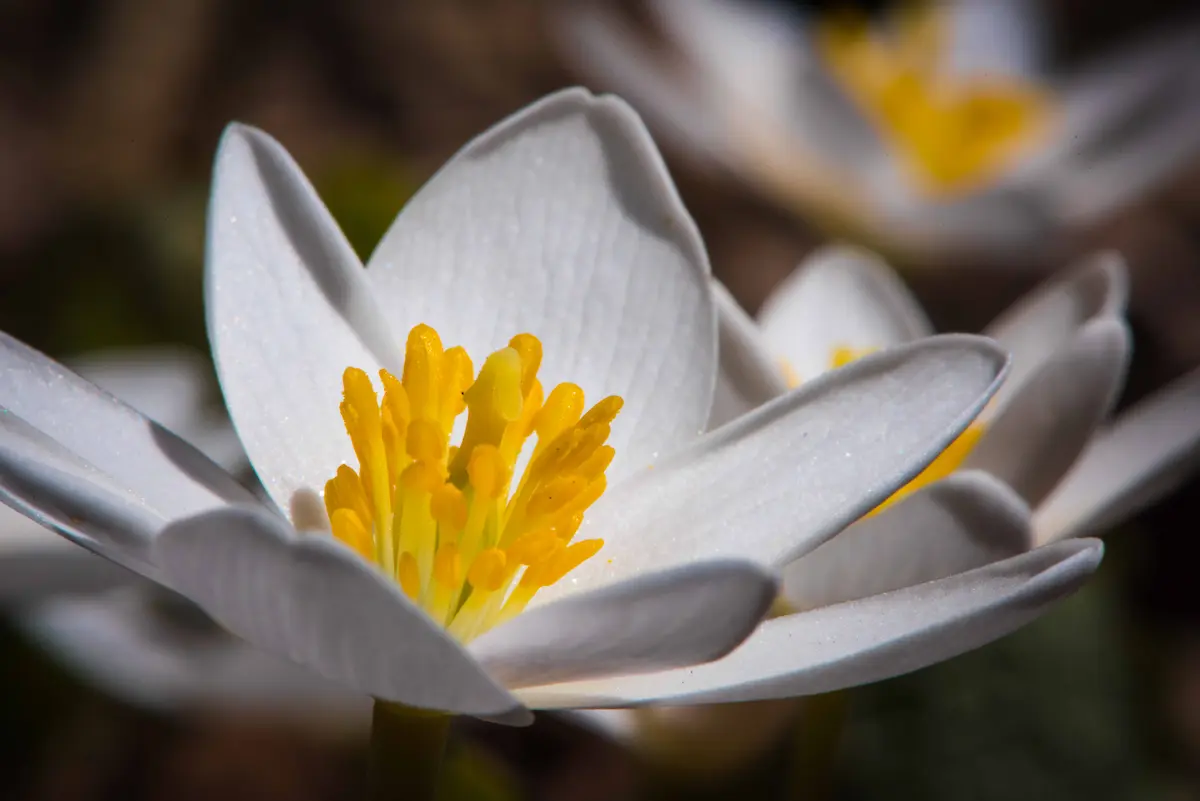
All About Bloodroot: Characteristics, Propagation, and Care
Discover the fascinating qualities of Bloodroot, a perennial herbaceous plant known for its white flowers, historical medicinal significance, and ornamental value in gardens. Learn how to cultivate and maintain this beautiful plant in your landscape.
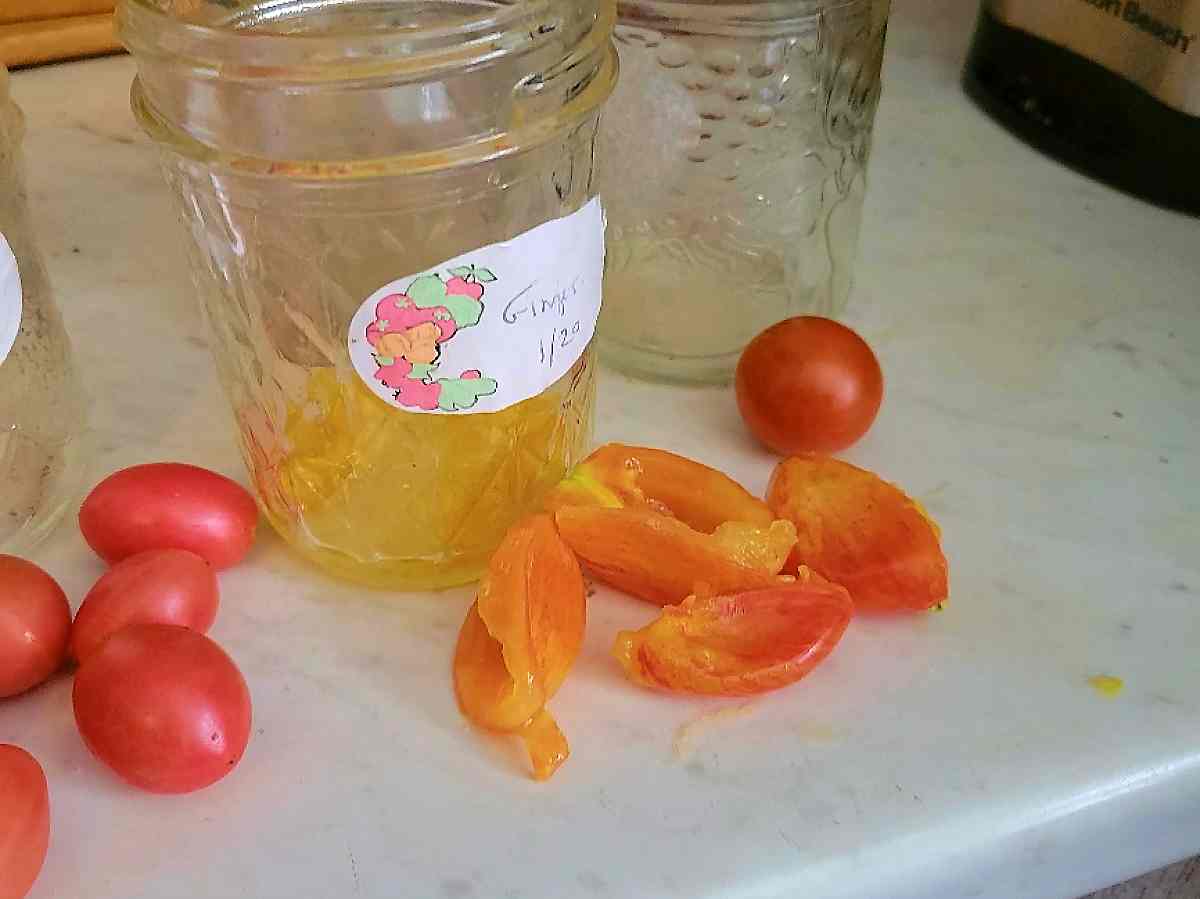
A Method for Saving Tomato Seeds
Learn how to ferment your tomato seeds to improve their quality, and plan for upcoming frost in your garden with Judith's tips!
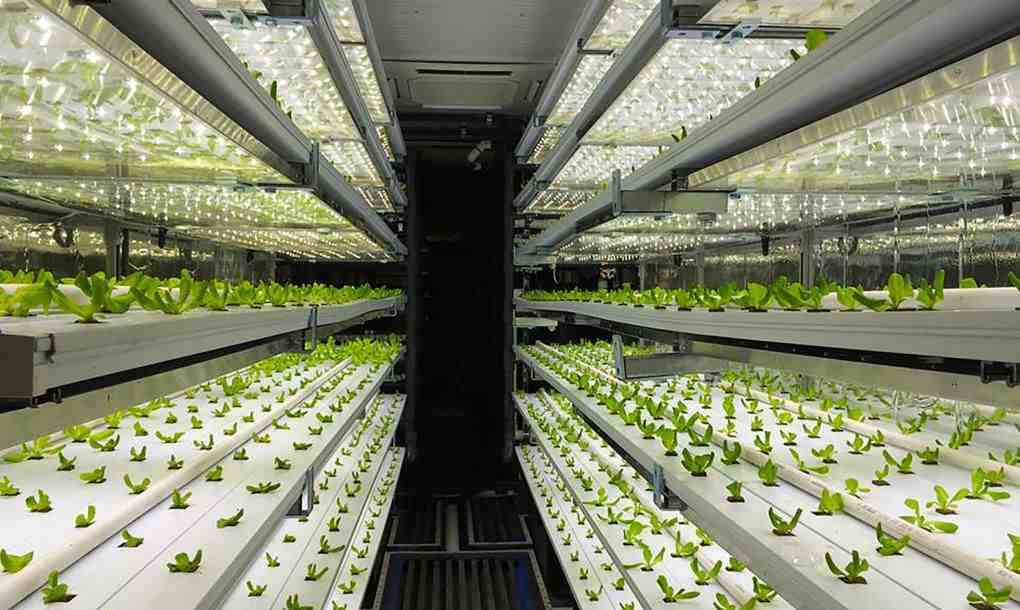
Shipping Containers and Sustainable Food Production
There is a growing need for new ideas in sustainable food production. Shipping container gardening getting attention.
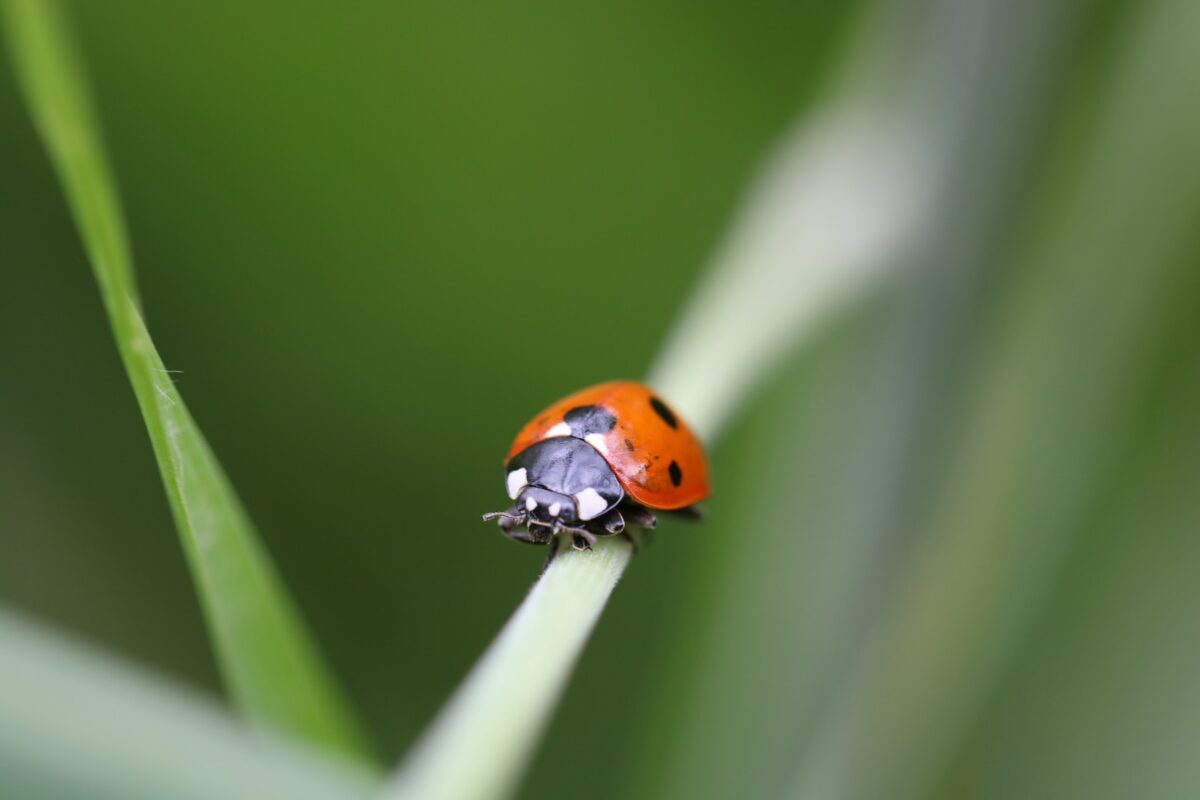
Beneficial Insects and Good Bugs For Your Garden
Discover how beneficial insects can control pests, save money, and enhance your garden ecosystem in Ontario. Identify and attract these beneficial bugs.
Seed Sources in Canada
One of my dear friends found a seed resource and seed sources on Facebook. I thought you might find it interesting.
Leave a Reply
You must be logged in to post a comment.