
Thimbleweed Care, Propagation, Toxicity
Photo:
Krzysztof Ziarnek, Kenraiz, CC BY-SA 4.0, via Wikimedia Commons
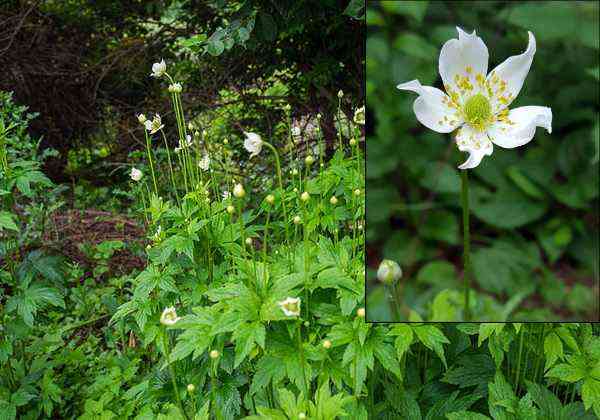
Thimbleweed is an excellent spring flower for the shaded or woodland garden, with flowers from summer to early fall. It is a good choice for naturalized areas or native wildflower gardens. It is not an aggressive species.
Anemone virginiana Description
A few fine, short, soft hairs grow on the plant. It has a ramified stem that grows 60 to 100 cm tall above the small leaves that grow around the flower (involucre). The stalks of the basal leaves are long. They are divided into three sections, which are further subdivided.
Quick Growing Guide
Botanical Name: Anemone virginiana
Also Called: Tall Anemone
En français: Anémone de Virginie
Colour:
Blooms:
Sun / Shade:
Height:
- The flower stalks range in length from 15 to 30 cm.
- The flowers are greenish-white in colour.
- Its ovate or cylindrical fruit measures more than 1 cm in diameter.
Caring for Thimbleweed
Anemone virginiana is easily grown in average, dry to medium, well-drained, sandy-humusy soil. Though it prefers in full sun to part shade, it tolerates full shade. It is not as aggressive as most other anemone species.
You can propagate thimbleweed by seeds sown in fall or early spring. Or, divide older established plants.
Meadows, borders, and fence lines are its natural habitat. Ferns, False Solomon’s seal, may apple, yellow wood poppy, amsonia, asters, and sedges are all good companion plants.
Toxicity
This wild plant is spurned by animals due to its blistering sap. Even deer will avoid browsing the plant because all parts have a chemical which causes pain, blisters and irritation of the mouth that can develop into vomiting and diarrhea if ingested.
When consumed in large quantities, all parts of this plant are toxic. This plant is expectorant, astringent, and emetic. A decoction of its roots was used by indigeneous nations to treat coughs, tuberculosis, and diarrhoea.
Comments

More From Gardening Calendar
Canadian Burnet
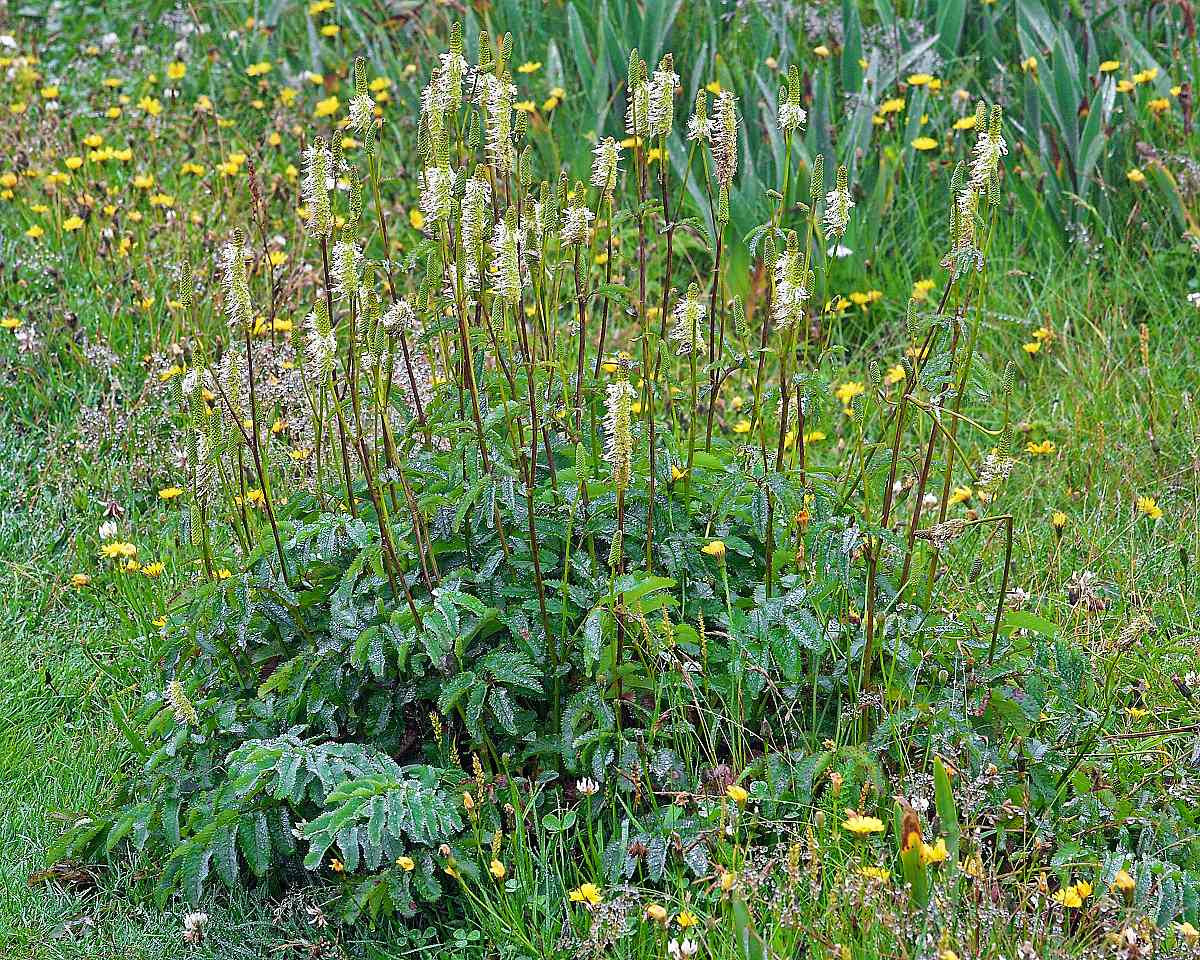
Canadian Burnet features airy spikes of white flowers at the ends of the stems from mid summer to early fall. It attracts bees.

How to Grow Cannabis Like a Pro: Step-by-Step Guide
There are different options for marijuana strains, grow lights, nutrients, and grow spaces. We present a step-by-step guide.
Dahlias Store Energy in their Tubers
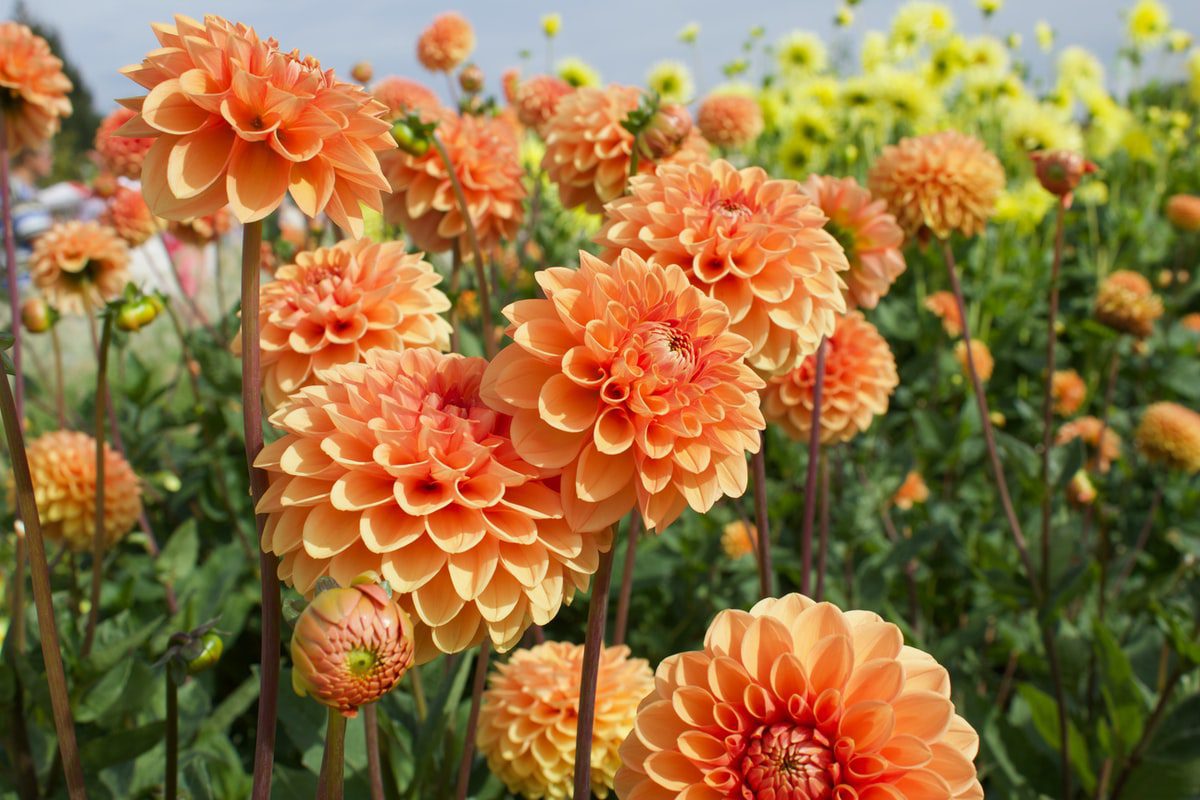
Dahlia plants store food and energy on their roots and underground stems called tubers. They look like sweet potatoes.
Blackberry is Easy to Grow
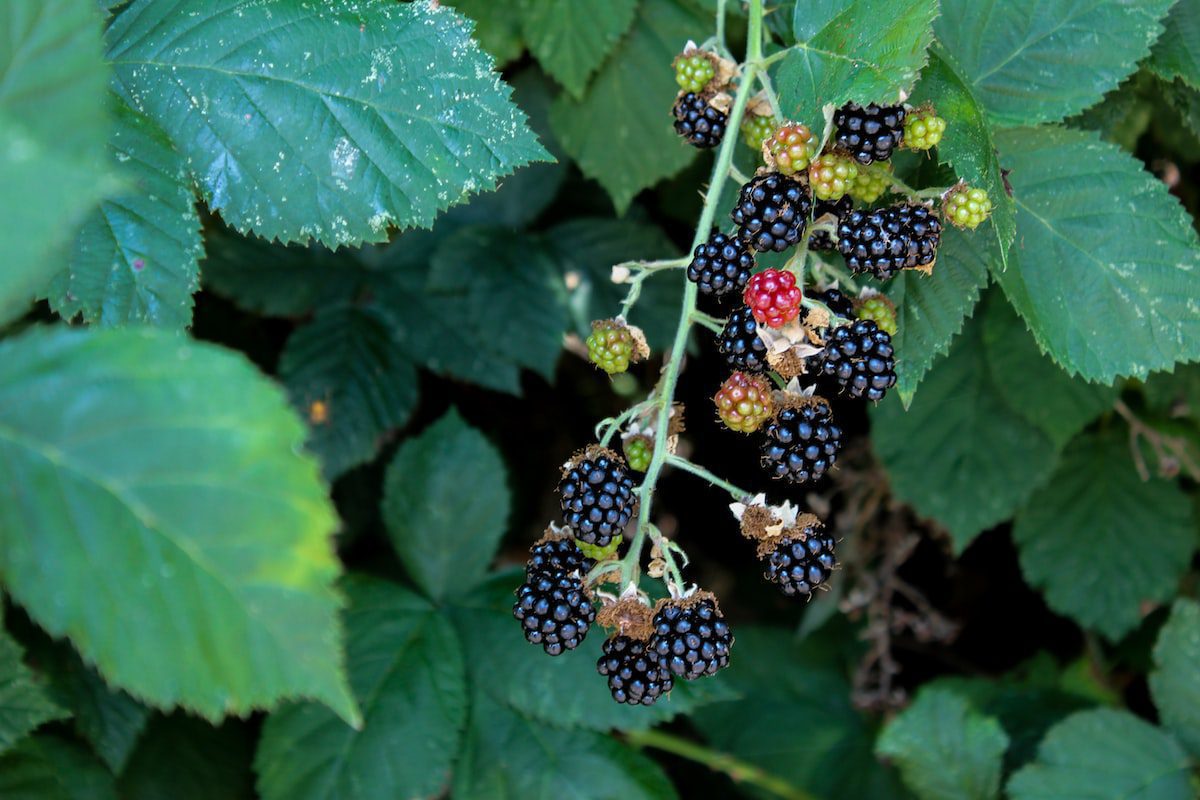
Feed them 1 pound of 10-10-10 per 100 sq ft. of garden s Reward yourself with luscious blackberries – plant a Blackberry bush! Perfect for limited space, 1 bush can produce 20 white flowers and a large crop of juicy, sweet-tasting blackberries in zones 5-8 with bright sun and well-drained soil. Care & feeding instructions included.
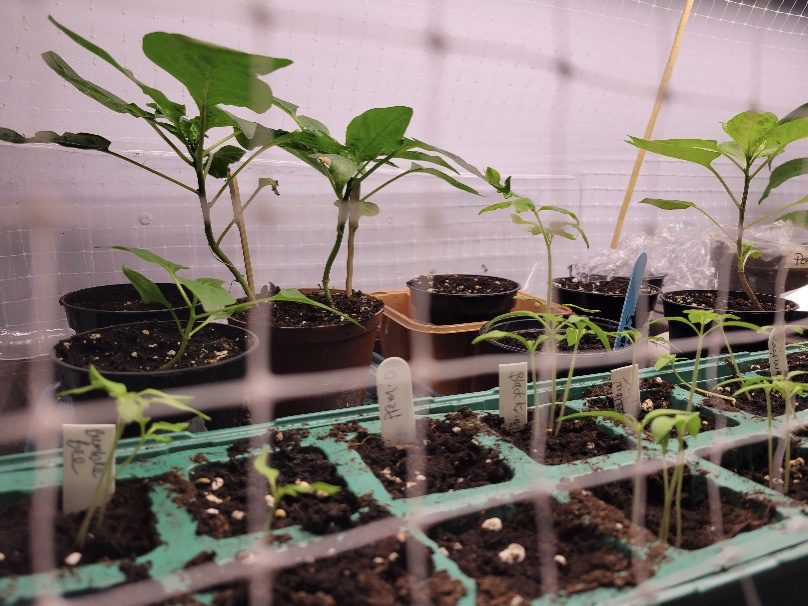
Tomato Seed Leaves
Two tomato seed leaves have appeared and are developing their true leaves. Be sure there are several true leaves before you transplant them.
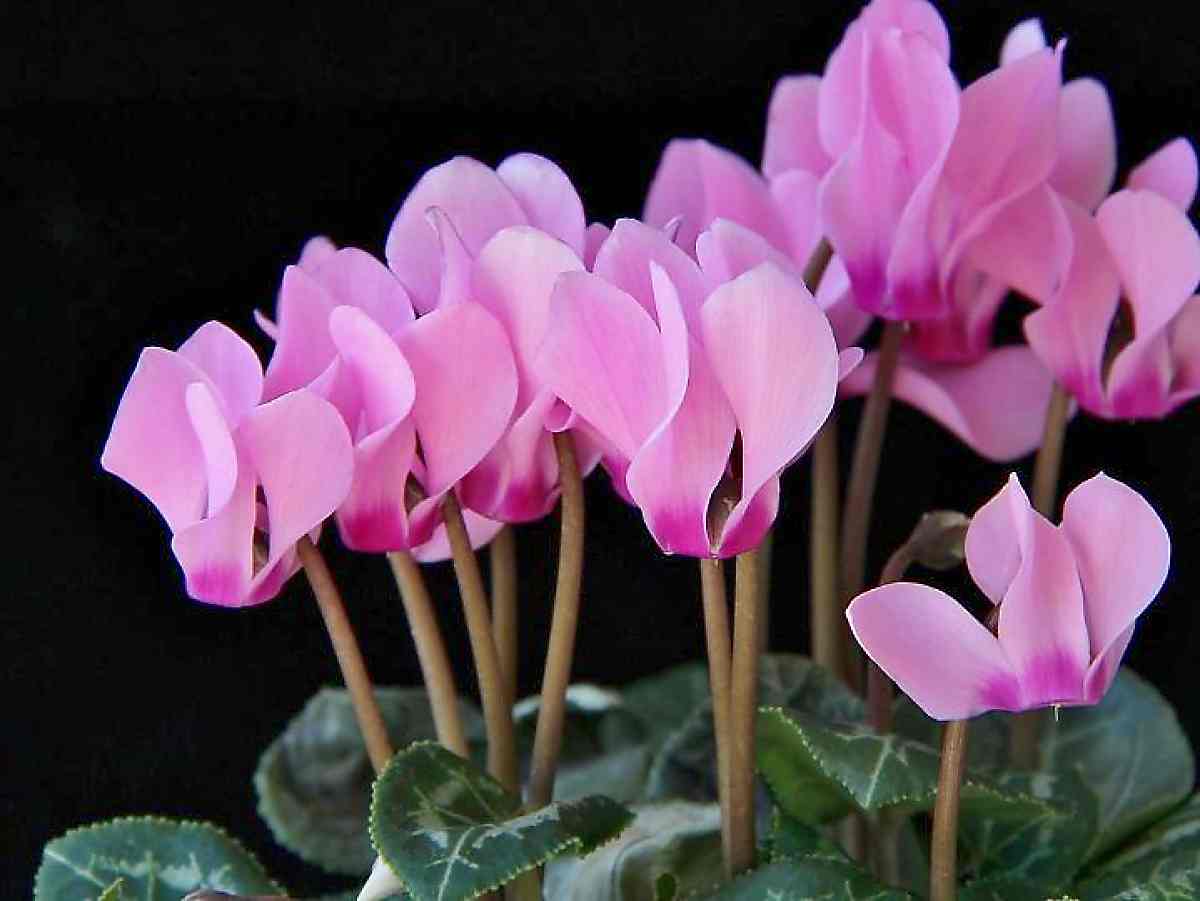
How to Propagate Cyclamen
When propagating cyclamens, remember that each propagation technique is not necessarily suitable for all types of cyclamens.. We explain how.
Leave a Reply
You must be logged in to post a comment.