Smooth Solomon’s Seal
Photo:
Jean Carr
Smooth Solomon’s Seal (Polygonatum commutatum) is a drought tolerant perennial for the shade garden, native to Ontraio and Eastern North America. It adds a unique architectural structure with its arching foliage and white bell shaped flowers that dangle along the leaves. It is rhizomatous with lustrous, alternate leaves.
You might be interested in learning more about the False Solomon Seal or the Starry Flase Solomon Seal.
Quick Growing Guide
Botanical Name: Polygonatum biflorum
Also Called: Great Solomon’s-seal, Solomon’s seal
En français: Sceau de Salomon
See More Plants in this Botanical Family:
Colour:
Sun / Shade:
Water: Moist (careful not to over water)
Height:
Width:
Pollinators:
In autumn the leaves of Solomon’s seal turn a vivid and saturated yellow, shading fat purple fruit, and adding unexpected perennial color to the chilling garden.
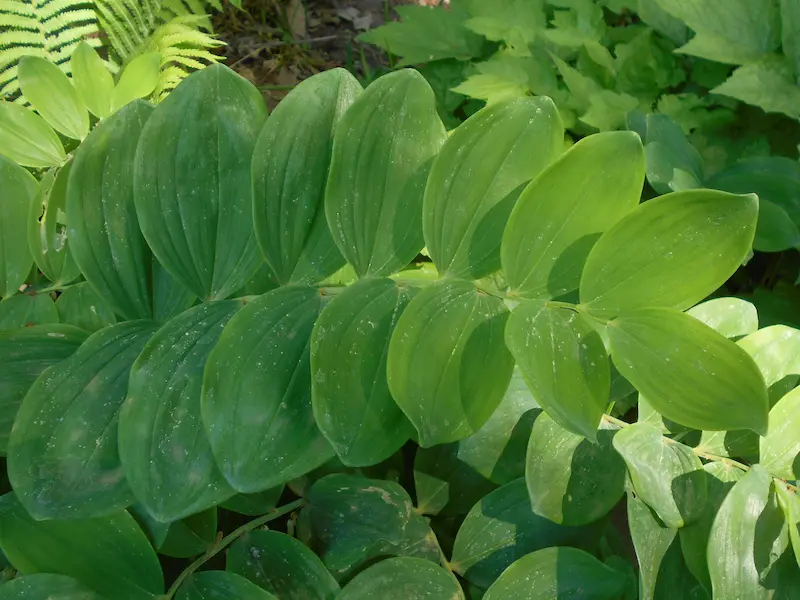
Credit: Salicyna, CC BY-SA 4.0via Wikimedia Commons
Caring for Smooth Solomon’s Seal
Easily grown in part shade to full shade in ordinary, medium-to-moist, well-drained soil. Soils should be wet and humusy. In ideal growing conditions, rhizomes slowly expand to create colonies.
Dividing Rhizomes
In the spring and fall, you can divide the plant’s thick roots. Carefully dig out the rhizomes and separate parts from the knotty root segments. Transplant them to other parts of the garden.
Companion Plants
Smooth solomon’s seal may be found in nature along forest borders, woods, meadows and fields, and woodlands. It is suitable for use in a cottage garden with slightly shaded borders or in rock gardens. Astilbe and ferns are good companion plants.
Comments

More From Gardening Calendar

Rhodora
Rhodora is a small northern shrub has stunning blooms that appear before or alongside the leaves. Read on how to care and prune.
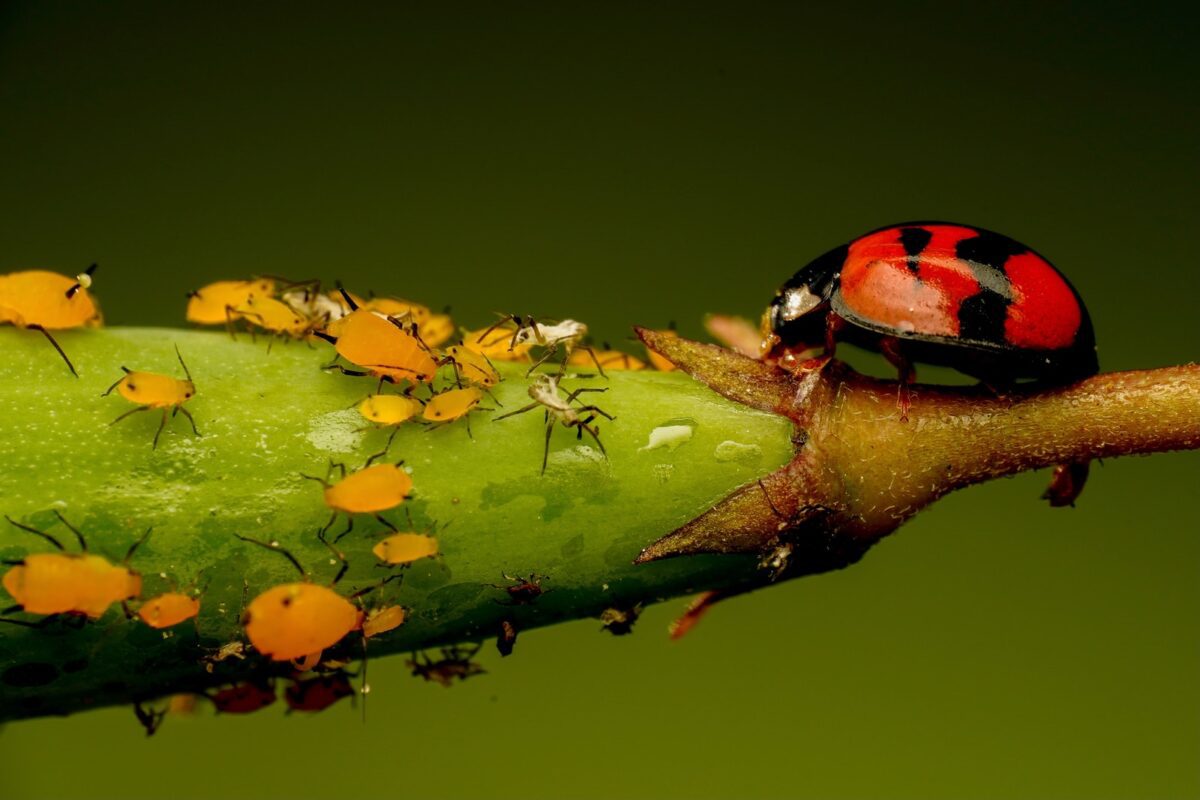
Getting Rid Of Aphids: Yes, but Don’t Be Too Quick About It
We give you many options to get rid of aphids naturally. Control and stop leaf piercing and eating pests on your outdoor and indoor plants.
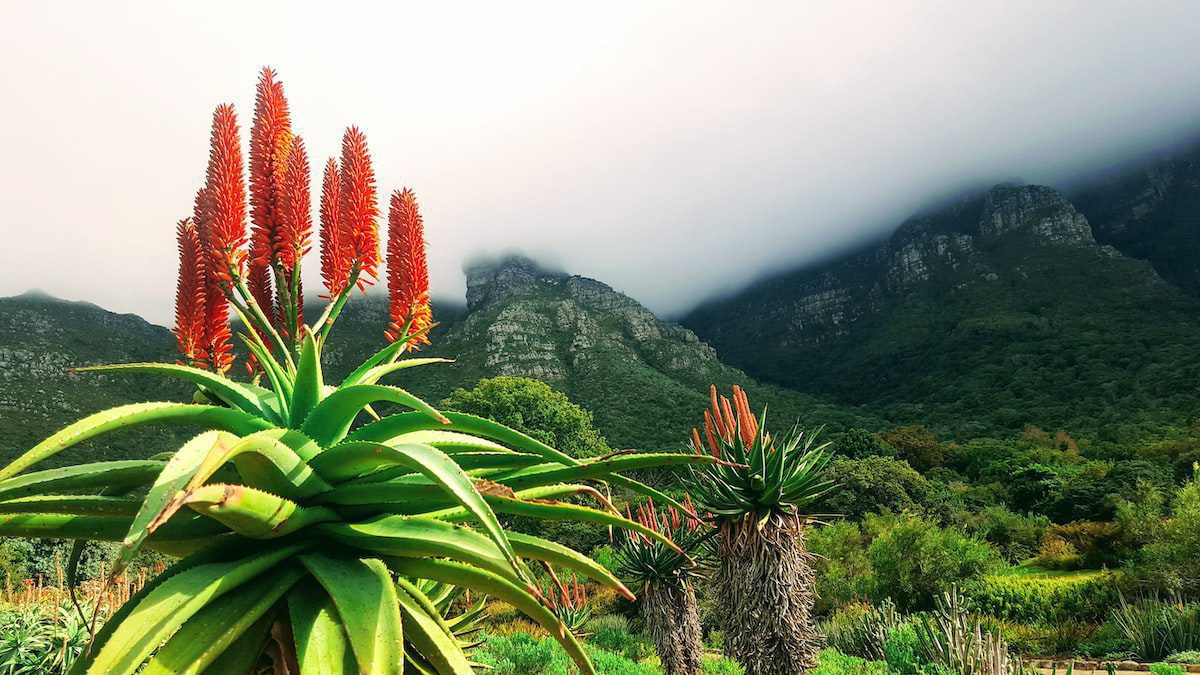
Do Aloe Plants Flower?
Aloe are simple-to-grow succulents in full sun, well-drained soil, and frequent watering. They tolerate a range of minor neglect. Read on.

Railing Planters Bring Color To Outdoor Living
Railing planters are the ideal choice to make better use of limited space and add to any deck, porch, patio, or balcony railing.
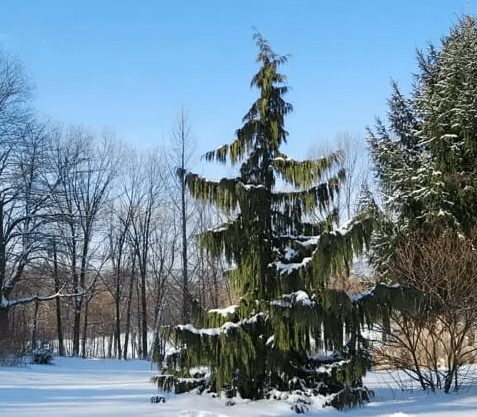
Weeping Alaskan Cedar
The beautiful and fragrant Weeping Alaskan Cedar offers a conical form, soft & wispy foliage, and up to 30 ft of height – perfect for even the smallest of city gardens. See why this is a favorite among many and get design and planting advice from Ottawa's own Patricia.
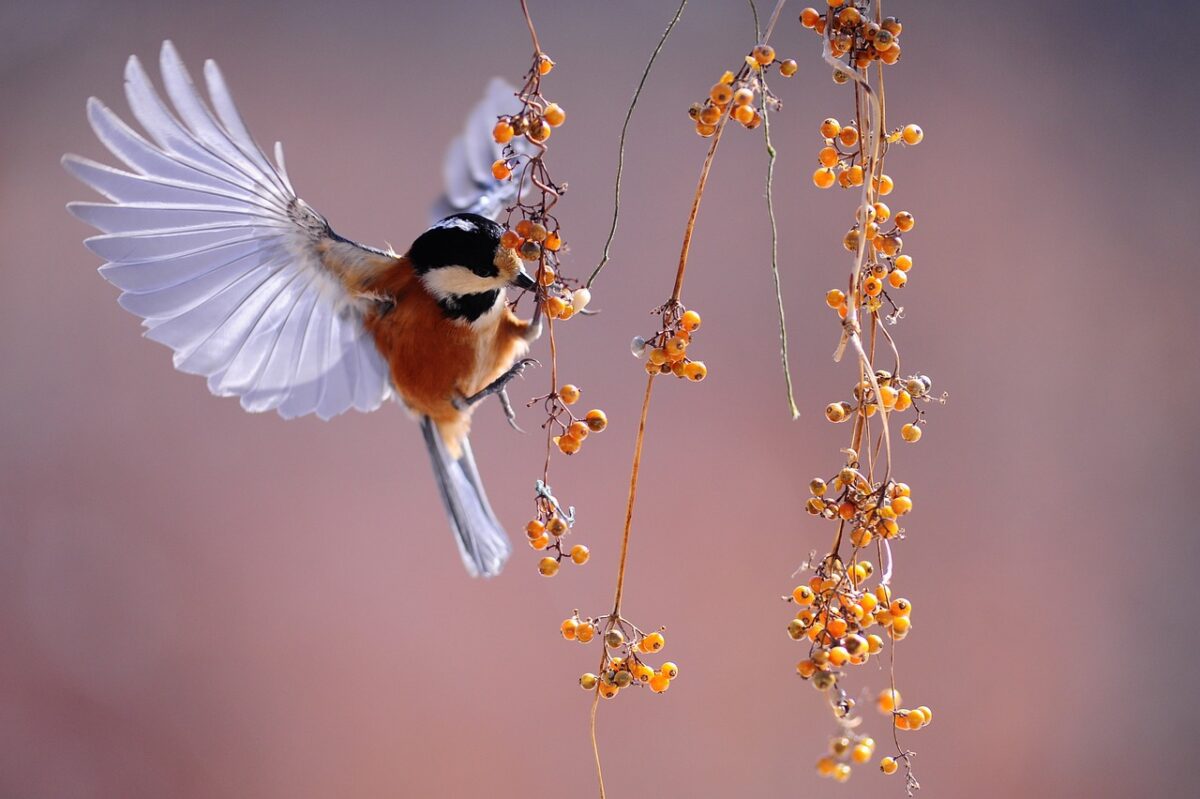
10 Shrubs with Berries for Fall and Winter Bird Treats
Discover why birds love berried shrubs for winter – Winterberry, Mountain Ash, Cranberry, Coralberry, Tartan Dogwood, Snowberry, Serviceberry, Chokeberry and Elderberry – to provide essential nutrients, calories, and visuals your garden needs!
Leave a Reply
You must be logged in to post a comment.