
Purple Giant Hyssop is Great for Pollinators
Photo:
USDA NRCS, Public domain, via Wikimedia Commons
Purple Giant Hyssop sets soft plumes of the palest purple flowers that top out at 6 feet, soaring above most other plants in the garden. The individual blossoms open over a period of several weeks in the fall.
From seed, it is easy to grow, but be mindful that the first blooms will typically appear in the second year. With the purple giant hyssop, the best practice is to start seeds indoors about 8 weeks before the latest frost date in your location. When you’re ready to transplant outdoors, find a spot that gets plenty of direct sunlight. Plant in dry, sandy, light, rocky soil and water moderately. Be mindful that it does not like to be in a crowded area; leave lots of room for it to grow without competition.
Quick Growing Guide
Botanical Name: Agastache scrophulariifolia
Also Called: Figwort Giant Hyssop
En français: Agastache à feuilles de scrofulaire
Colour:
Sun / Shade:
Water: Medium-Wet, Medium, Medium-Dry
Height:
Pollinators:
Care:
Pruning Giant Hyssop
Pruning is an essential step in developing your hyssop for a fresh bloom and a healthy plant. To revitalise a purple giant hyssop plant, cut the stems to as low as 2 inches (5 cm) from the ground. The pruning scissors or knife must be sterilised. This task is best done in early spring.
Pollinators
The long bloom time, combined with high nectar content, makes this plant highly attractive to bees and butterflies, including the endangered Rusty Patched Bumblebee.
Birds feed on the seeds that follow.
Comments

More From Gardening Calendar
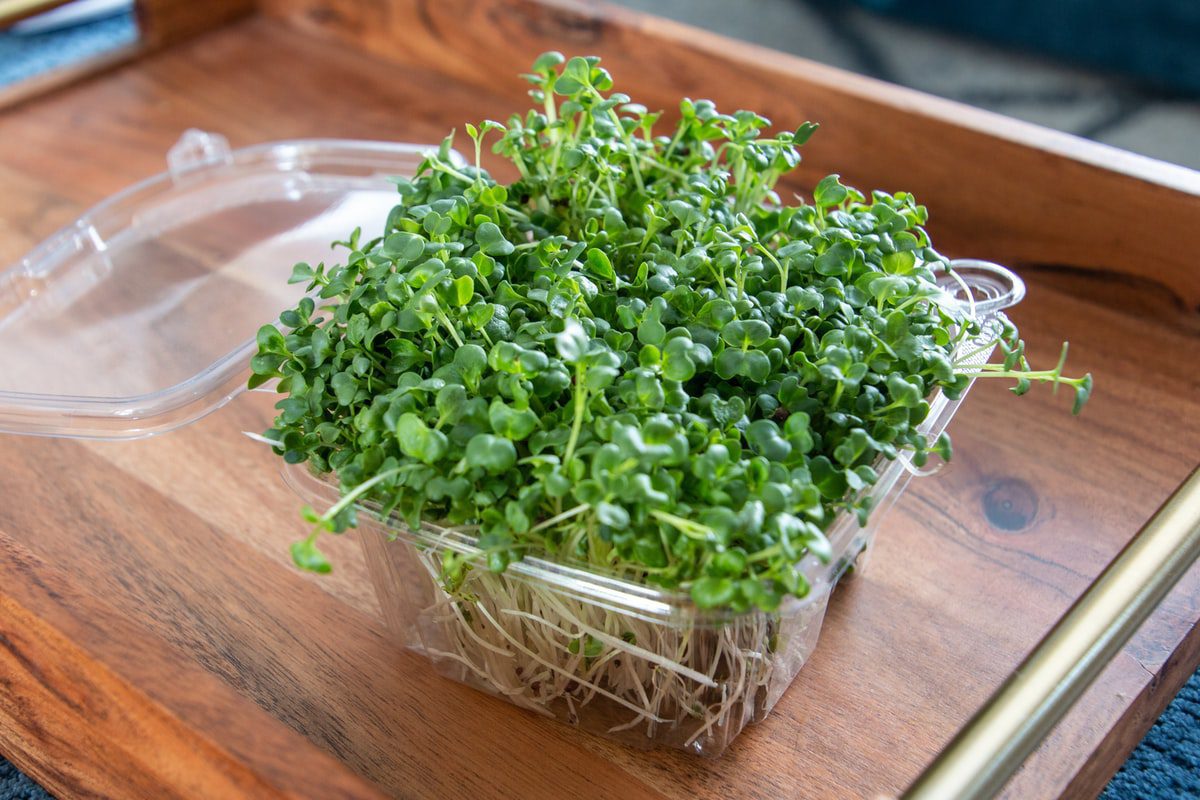
Growing Microgreens from Seed
Growing microgreens from seed does not require a fancy set-up. You can use a plastic tray with drainage holes with a see-through lid.

Keep Dogs Out of Your Garden
Keep your dog out of your garden and precious flowerbeds without limiting their freedom. Sometimes they may ingest something harmful.
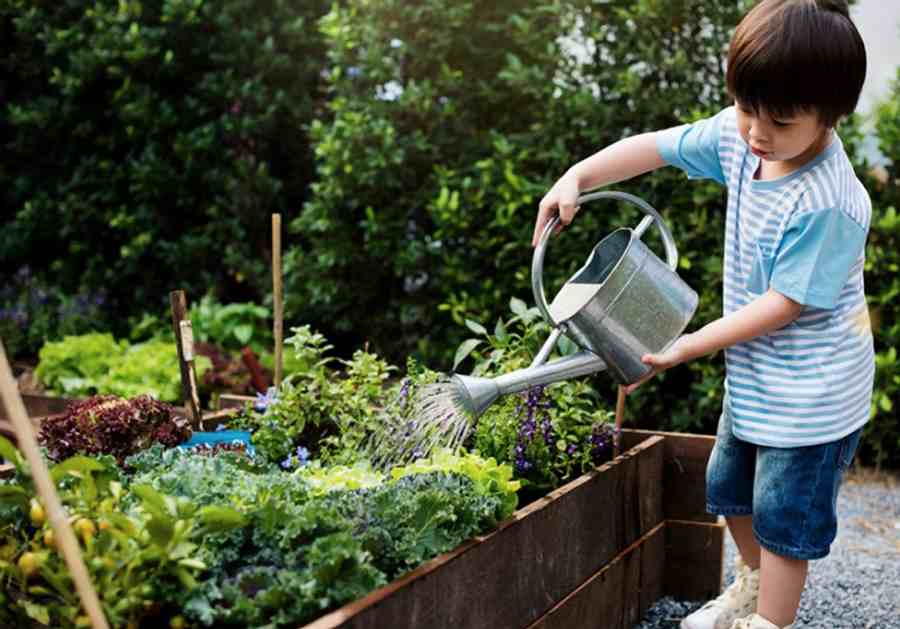
How to Get Kids Interested in Gardening
Here’s how you can foster a good mood among the children once you decide to bring them out for an afternoon in the garden.
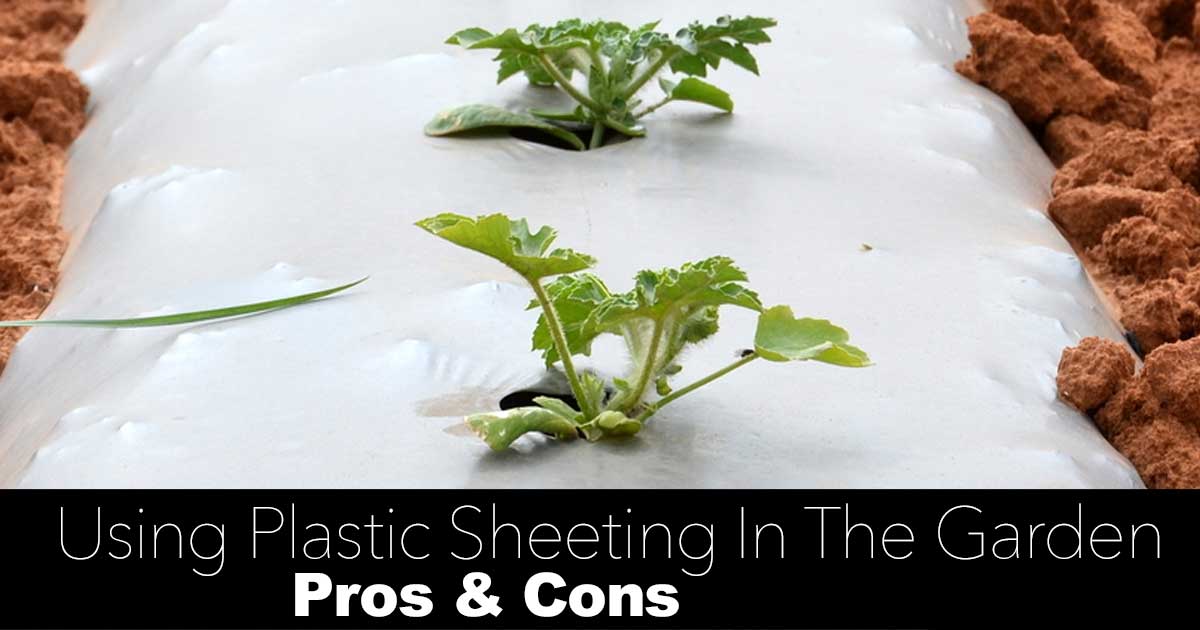
How To Use Plastic Sheeting And Mulch In The Garden
Discover the benefits of using plastic sheeting and mulch in your garden to boost plant growth, control pests, and improve yields.

Maximize Your Outdoor Space
Maximizing outdoor space is about making the most of the space you have, to suit your tastes and lifestyle.

Pergola Design: Make Your Backyard A Beautiful Hangout
Proper pergola designs are a beautiful and easy way to make your outdoor space feel like an oasis! Pergolas use posts for structural support.
Leave a Reply
You must be logged in to post a comment.