
Named monkeyflower after the apparent resemblance the blooms have to a monkey’s face, the Square-Stemmed Monkeyflower bears asymmetrical, tubular violet or pink flowers which bloom nearly continuously over a long season from early summer to fall. The flowers contrast nicely with the bright green leaves; both the foliage and the flowers of this plant are quite attractive. It will slowly spread into a bushy plant, making it appealing in a landscape setting.
Bumblebees visit and favor the flowers for their nectar. They are one of quite a few insects that are strong enough to force their way into the partially closed throat of the flower’s corolla. The caterpillars of some butterflies, insects, and moths feed on the foliage. Monkey flower serves as an important host plant for the larvae of two butterflies: the Baltimore checkerspot and the common buckeye.
Quick Growing Guide
Botanical Name: Mimulus ringens
Also Called: Allegheny Monkeyflower
En français: Mimule à fleurs entrouvertes
Colour:
Blooms:
Sun / Shade:
Water: Keep wet at all times; sue mulch to help
Height:
Pollinators:
Care:
Where to Plant
The rhizomatous, upright perennial Mimulus ringens is usually found in swampy areas, wet meadows, ponds, and low woods and is best grown in part shade. You can plant it in cottage gardens, wildflower gardens, pollinator gardens, wet gardens. The flowers resemble the face of a monkey, earning it the common name, and blooms are long-stalked and solitary. On the upper portion of the monkey flower plant, they will grow in pairs opposite each other and bloom at different times.
Does monkey flower need full sun?
Monkey flowers do well in full sun or partial shade if they receive plenty of moisture. There are two lobes on the upper petal of monkey flowers and three lobes on the lower petal. Many of the blossoms are spotted and multicolored, and they resemble monkeys in their appearance.
What flowers have monkey faces?
A wide variety of colors and shapes are displayed by the 400,000 plant species that grow on our planet. The size of the trees varies from microscopic algae that look like snowflakes to giant sequoias that tower hundreds of feet high. There are several plants that bloom with monkey faces, including Monilaria Obconica, White Egret Orchids, Square-Stemmed Monkeyflowers, and Bush Monkey Flowers.
How to propagate sticky monkey flowers?
You can use cuttings to propagate monkey flowers. The growing tip should be between four and six inches long. After removing the bottom leaves, You should place the stem in a moist growing medium. It should take the monkey flower plant about two months for the cutting to root.
Is monkey flower invasive?
As a native of North America, it is not known to overtake areas due to its comparatively non-aggressive nature. In any case, make sure to use only native monkey flower plants in your garden or pond if you’re having double thoughts on other Mimulus.
Comments

More From Gardening Calendar
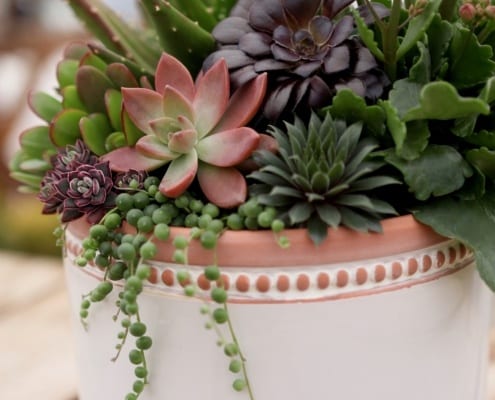
Get Inspired to Create a Next Level Succulent Arrangement
Create your own stunning succulent arrangements with this DIY video from Garden Answer! Enjoy indoors & out w/ plenty of textures, colors, & heights to choose from. Easy to take care of – just follow the tips & you’ll have a beautiful flower show year round.
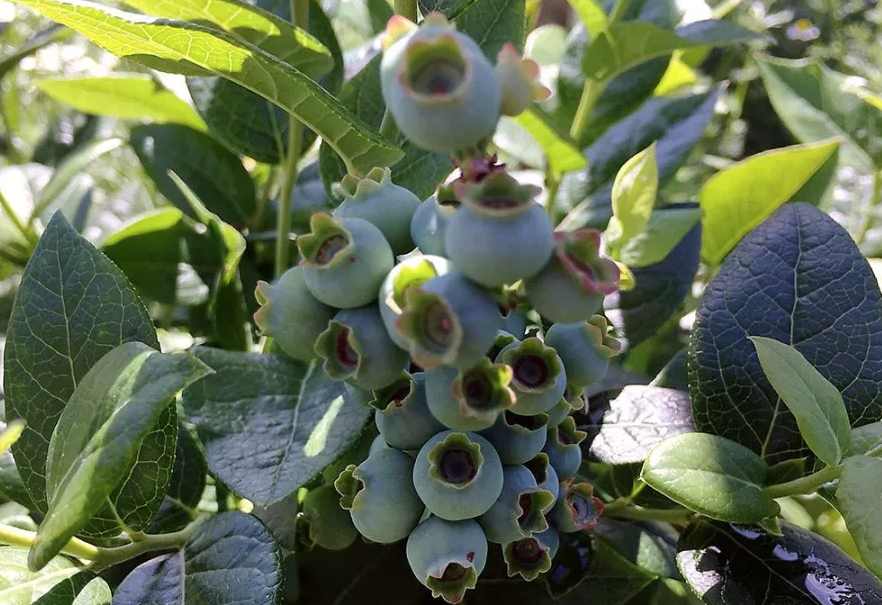
How to Prune Blueberries
Learn how to successfully plant and prune blueberry bushes for a productive crop with this easy to follow guide. Discover the importance of highly acidic and well-drained soil and how to get your blueberries to thrive with winter pruning.
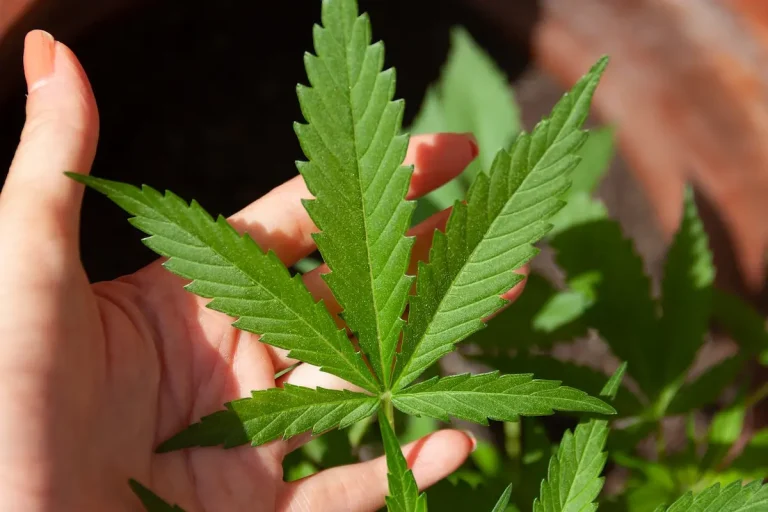
How (And Why) You Can Grow Hemp At Home
Discover the many talents of hemp, from fiber to CBD, and learn about the legal landscape and regulations for cultivating hemp at home.
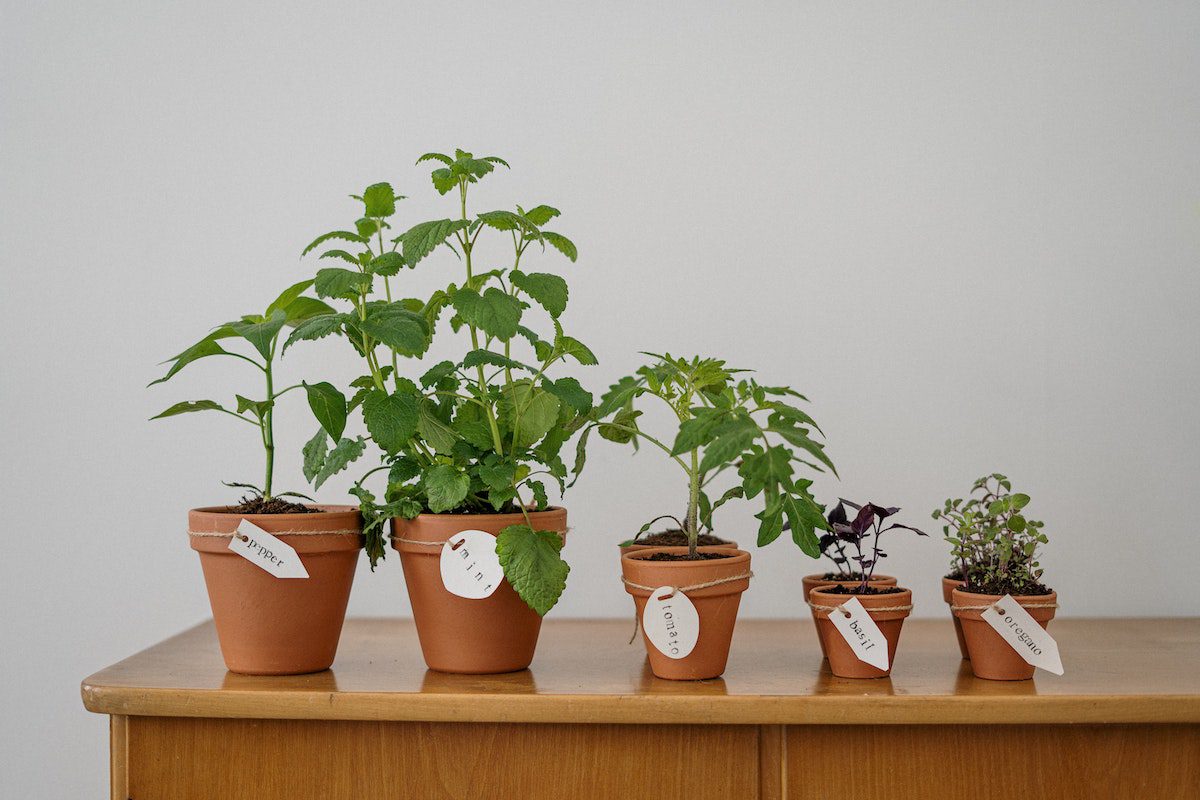
Growing All My Peppers in Pots
Plant peppers and make terracotta pot wreaths this winter while enjoying the warmth of the woodstove in your garden. You will get the benefit of pollinators going to your peppers and the joy of finished decoration for your outdoor space. A great way to spend your evening!
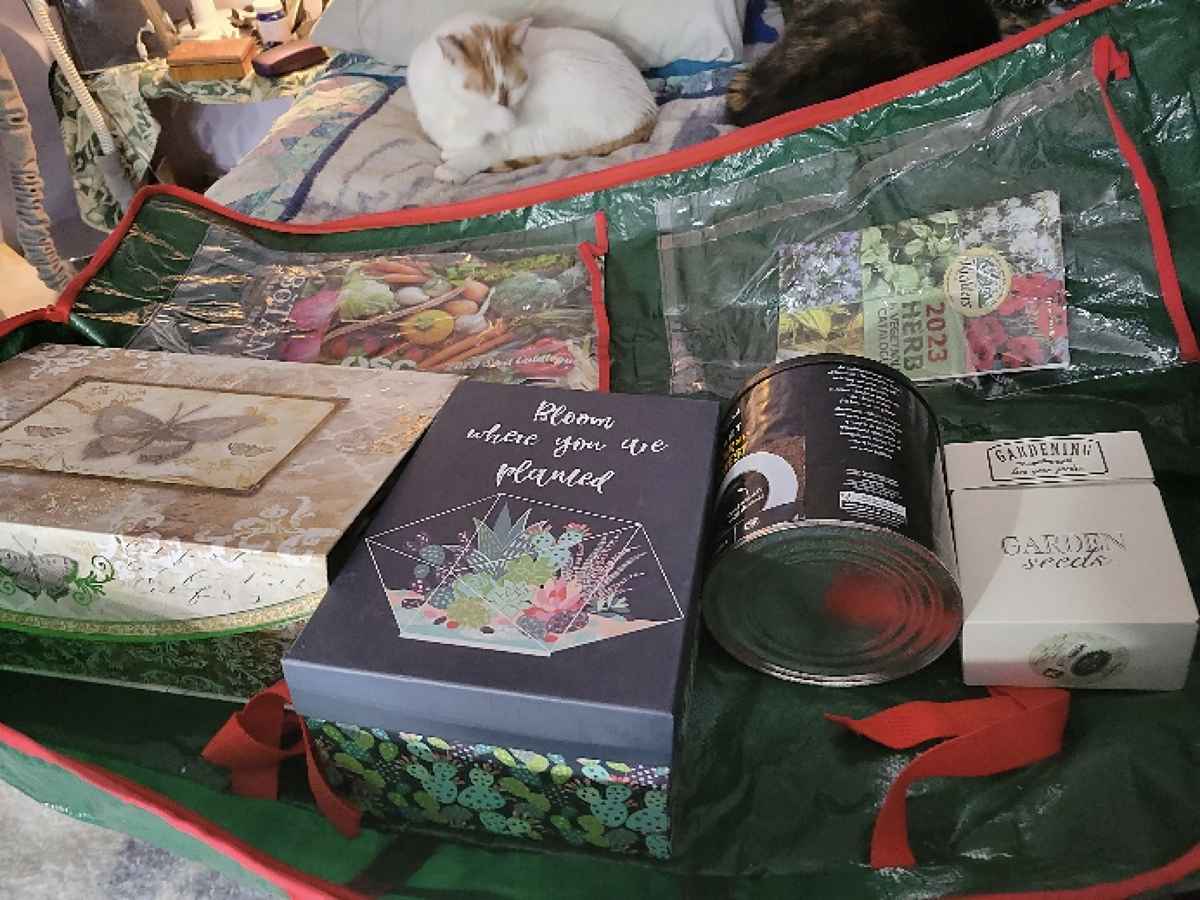
Organizing My Seeds
Organize your seeds for winter and get ready for the next growing season- use a Christmas container to store your seed catalogues and packages for convenient access when you need them. Let the too-many cats help you clean off the top two shelves of the plant compound and get ready for the dirt.
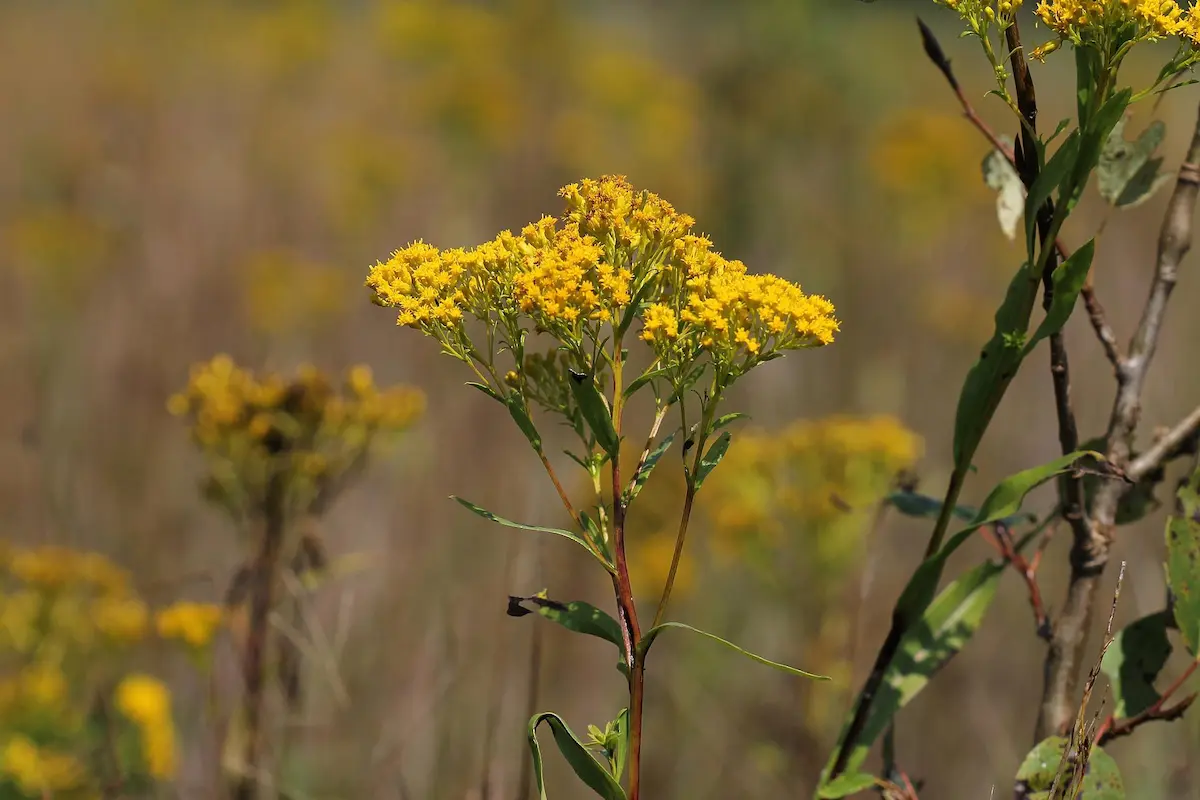
Ohio Goldenrod
Ohio Goldenrod has a compact form that belies its large, exuberant, and long floral display late in the season, attracting many pollinators.
Leave a Reply
You must be logged in to post a comment.