
Blue-stemmed Goldenrod is well behaved.
Photo:
Fritzflohrreynolds, CC BY-SA 3.0 via Wikimedia Commons
The blue-stemmed goldenrod is sometimes referred to as Wreath Goldenrod. It is a well-behaved woodland species. It forms pretty, loose clumps with arching stems and long, thin leaves. Tiny clusters of bright yellow flowers form in the leaf axils for half the stem’s length. Stem color in mature plants has a dark, bluish tone.
The blue-stemmed goldenrod attracts many pollinators such as bees and butterflies. White-tailed deer may browse the foliage, but they are generally unpalatable to deer or rabbits.
Quick Growing Guide
Botanical Name: Solidago caesia
Also Called: Wreath Goldenrod
En français: Verge d’or bleuâtre
See More Plants in this Botanical Family:
Colour:
Sun / Shade:
Water: Adaptable to moisture
Soil:
Height:
Pollinators:
Care:
It is commonly mistaken for a plant that causes hayfever, but this is not the case. Hayfever is caused by wind-borne pollen, but the pollen from the blue-stemmed goldenrod is actually transported from bloom to bloom by bees, butterflies and other pollinators.
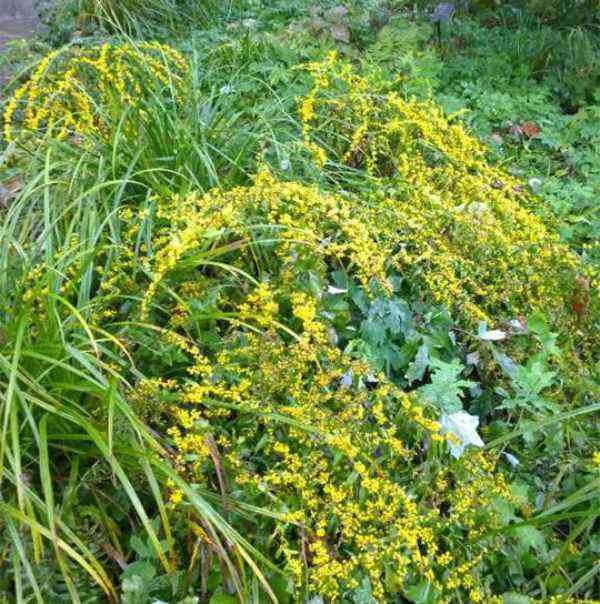
Where to Plant
It can be found in nature in open deciduous woods. It is popular in native plant gardens, open woodland gardens, borders, wild gardens, cottage gardens, meadows, and butterfly gardens.
The blue-stemmed goldenrod is usually found in upland woods where deciduous trees dominate. It bears bright yellow flowers in the fall, which are on long, slender stems that turn bluish or purplish with age. It is a perennial that grows 1-3 feet and tolerates shade and various soils.
Caring for Blue-stemmed Goldenrod
Plants are tough. Easily grown in average, dry to medium, well-drained soils in full sun to part shade, and does not spread aggressively as do some of the other goldenrod species and hybrids.
Companion plant suggestions include Try pairing Solidago caesia with Aster cordifolius, Chasmanthium latifolium, Chrysogonum virginianum, Heliopsis helianthoides or Amsonia hubrichtii.
Pruning Verge d’or bleuâtre
Deadhead to prevent self-seeding. Divide in spring or fall.
It may be affected by powdery mildew, rust, or fungal spots.
Other Goldenrods
Discover the differences among many these goldenrods.
- Grass Leaved Goldenrod
- Early Goldenrod
- Stiff Goldenrod
- Squarrose Goldenrod
- Rough-stemmed Goldenrod
- Zigzag Goldenrod
- Ohio Goldenrod
They each have their own uniqueness.
Comments
More From Gardening Calendar
Spectacular Annuals for Containers
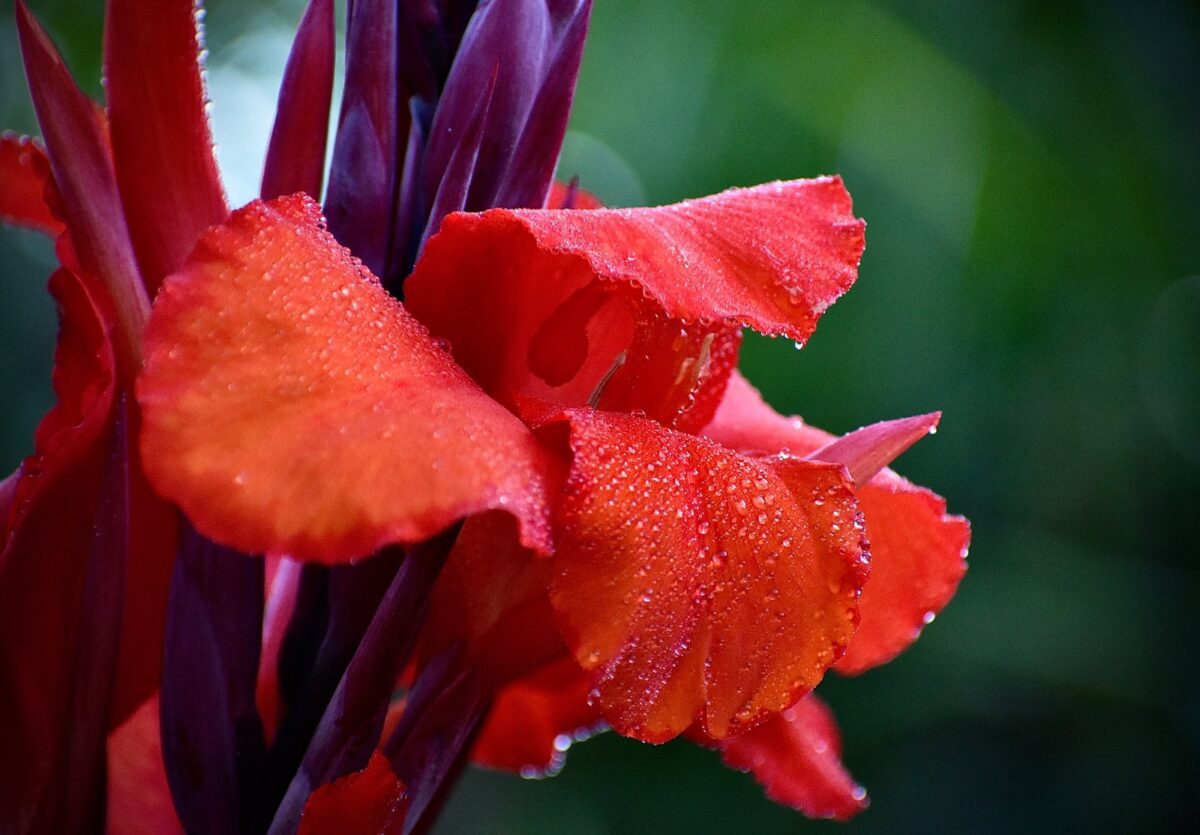
Annuals for container gardening are great for novice gardeners or anyone who wants to add interest and colour to their porch or patio.
Ideas for Long Blooms in Small Spaces
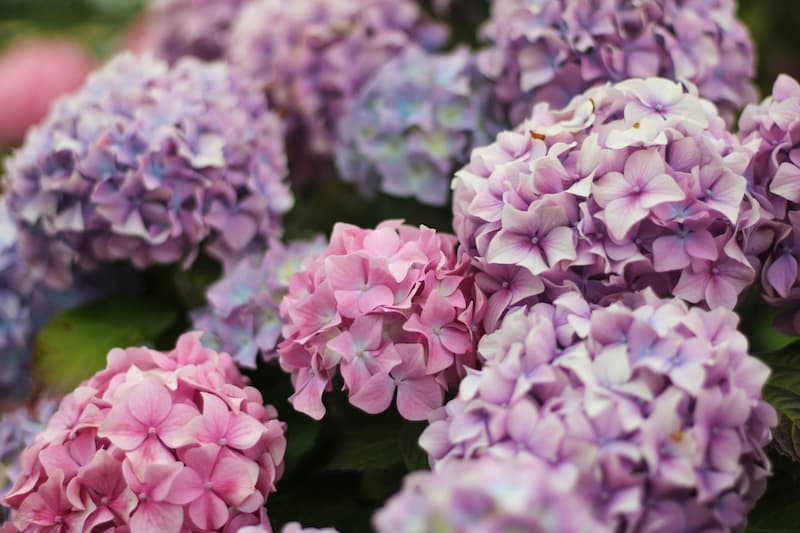
Discover a variety of plants that bloom for weeks, from hydrangeas to clematis, perfect for adding color to your garden all year round.
Gray-black Warbler (Setophaga nigrescens)
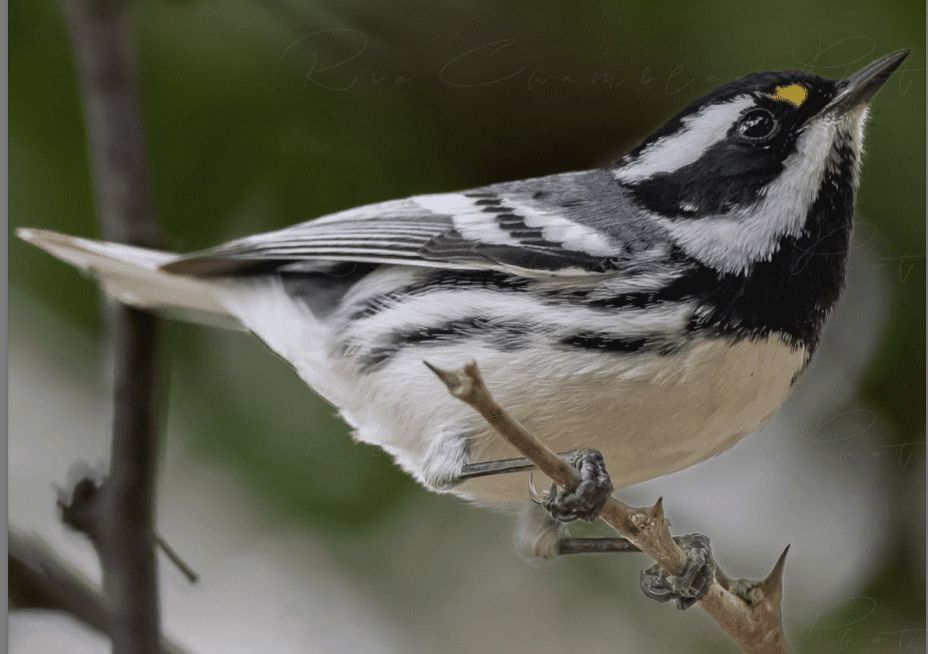
Discover our resident and migratory birds in the Vallarta Botanical Garden! This February, the Gray-black Warbler (Setophaga nigrescens) brings its buzzing song, grayscale plumage and yellow dot to the garden. Join us for our Bird and Nature Festival to celebrate the diversity of these feathered travelers and explore our coniferous and oak forests while they hunt insects and their larvae! Listen to the Warbler's song: http://bit.ly/3kPMpP6
Pimentos, Beans and Red Pepper Jelly Recipe
This week’s tour around the garden features Scarlett Runner beans, Pimentos and ends with a favourite Red Pepper Jelly recipe and benefits.
Deadhead Flowers For More Flowers!
Deadheading flowers is a very important job to do in the garden as it helps to increase the number of blooms on your plants.
Blister Beetle – How To Control Blister Beetles [In The Garden]
Discover why Blister Beetles are all around us. Learn all about the 2500 different species and their habitats, life cycles and diets. Plus, find tips and advice on how to keep Blister Beetles in check and away from your garden and crops.
Leave a Reply
You must be logged in to post a comment.