Tôfuku-ji Gardens
The famous garden created by ink painter Sesshu (1420-1506), it is considered one of the oldest dry landscape gardens in Kyoto. The style is Zen-style Karesansui.

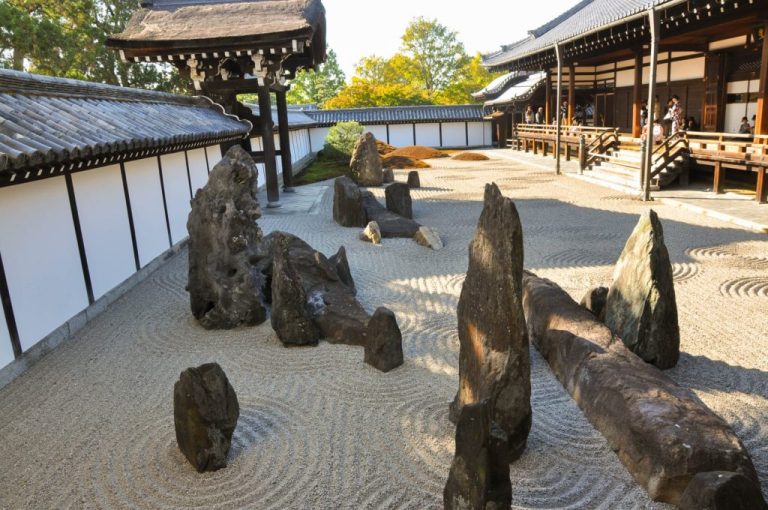
The famous garden created by ink painter Sesshu (1420-1506), it is considered one of the oldest dry landscape gardens in Kyoto. The style is Zen-style Karesansui.
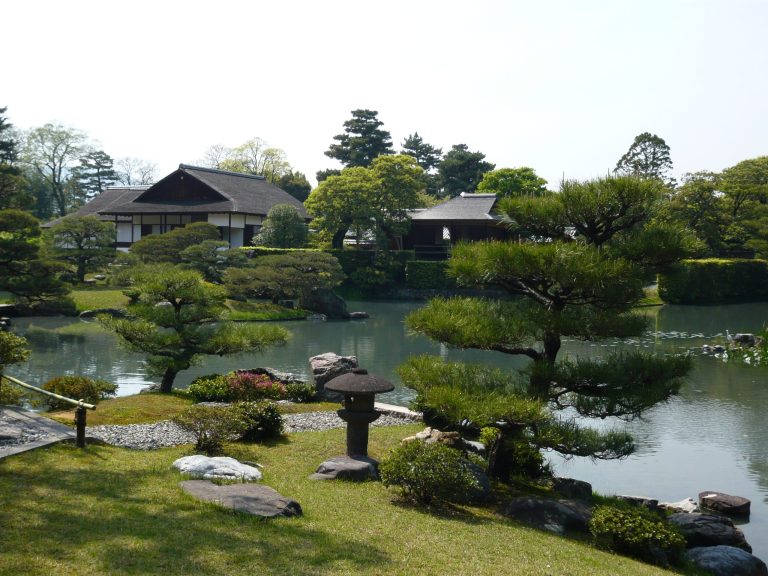
The villa and gardens are nationally recognized as an Important Cultural Property of Japan. Built between the beginning and middle of the 17th century, it is said to be the most famous Japanese garden.
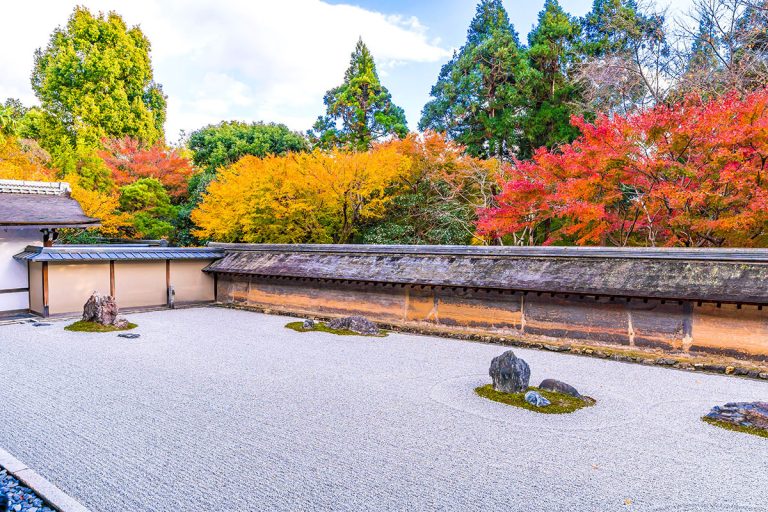
Ryoanji Temple is the site of Japan’s most famous rock garden.
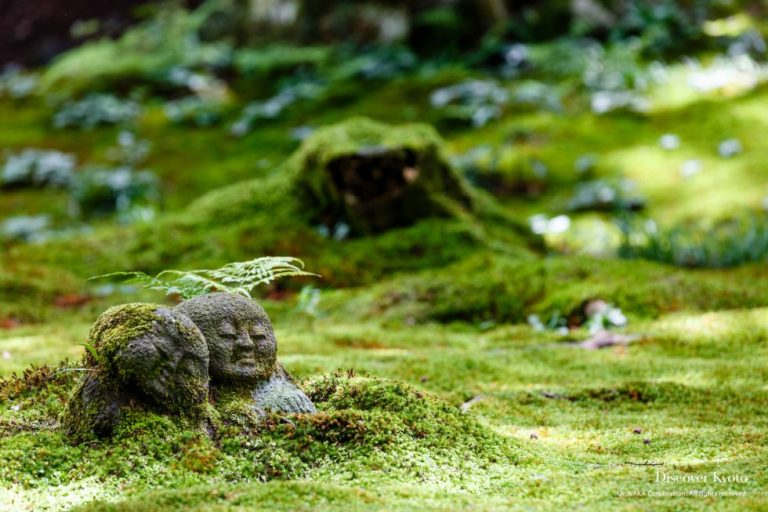
Starting with the spacious garden and majestic architecture, we will introduce the precincts of Sanzen-in Temple where you will be healed.
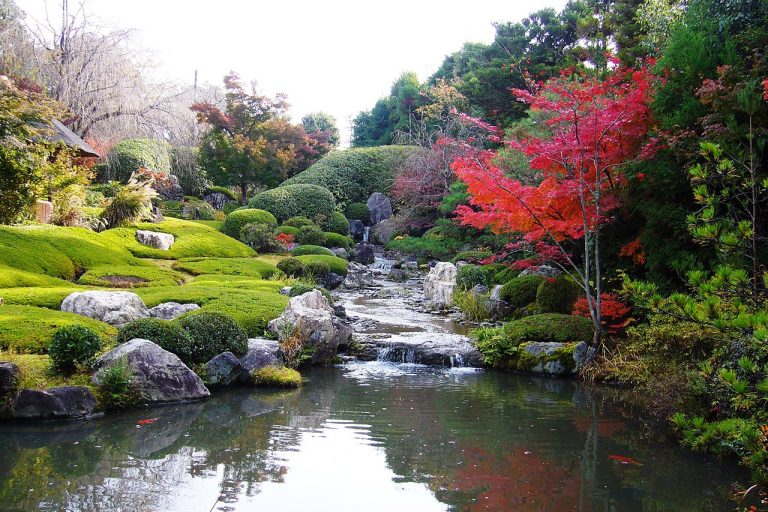
Taizo-in is a “Real Japanese Garden”. With its beautiful gardens and treasures of Japanese art, Taizo-in is the oldest and most famous sub-temples of the Myoshin-ji complex. It was founded in 1404 and the gardens are said to have been designed by the painter Kano Motonobu in the Muromachi period.
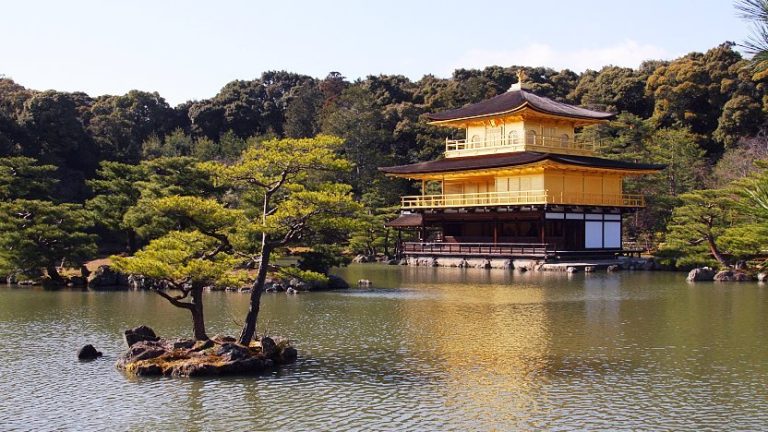
Its official name is Rokuonji, the garden and architecture centered on the Kinkaku are said to represent the Pure Land of Bliss to the world, and it is a stage that has contributed to the development of culture by inviting Emperor Gokomatsu. The culture of this period is called the Kitayama culture.
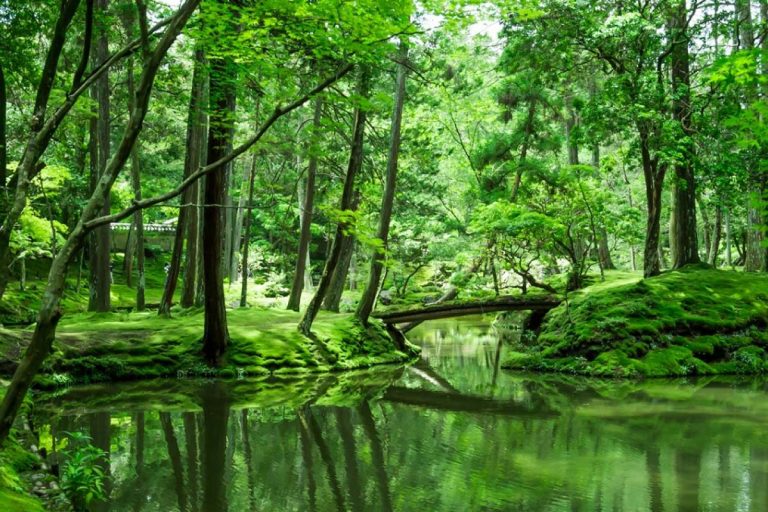
Koinzan is also called “moss temple” because the precincts are covered with more than 120 kinds of moss. Many Zen temples in Japan were founded in the Kamakura period when Zen Buddhism was introduced and flourished. It has a long history of over 1,200 years.
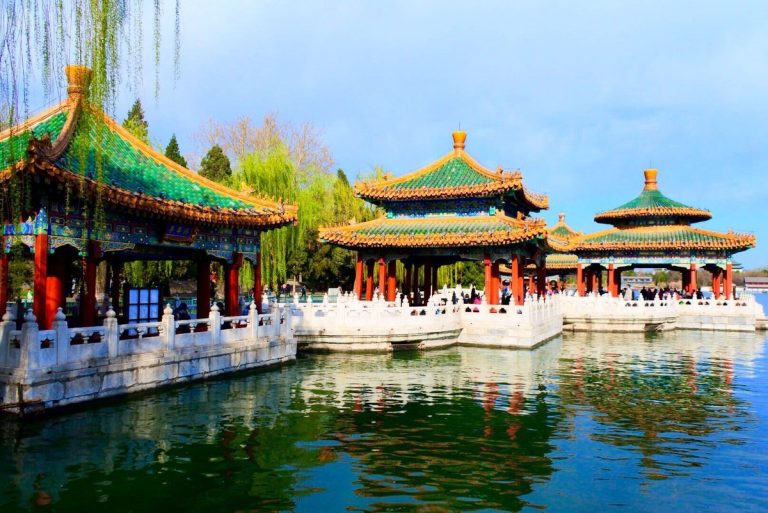
Located in the center of Beijing, Beihai is the earliest, best-preserved, and most profound classical royal garden in the existing history of China. The formation and development of Beihai has gone through several dynasties of Jin, Yuan, Ming and Qing Dynasties, carrying nearly a thousand years of Chinese history and culture, and forming a gardening art style represented by royal gardens.
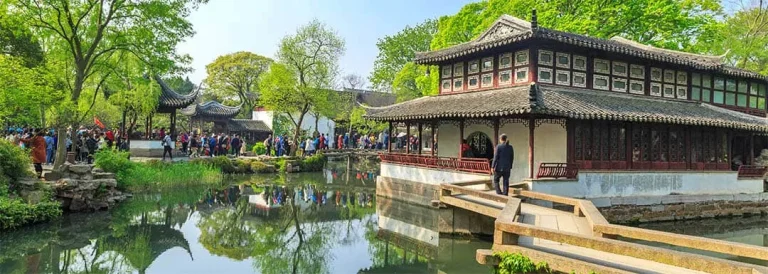
The Humble Administrator’s Garden covers 5.2 ha. and is one of the 4 most famous gardens of China. In 1961 it was listed as cultural relics of national importance. Serving as a fine specimen of the classical gardens of Suzhou, it was inscribed the World Heritage List by UNESCO in 1997.
Yu Garden reflects Jiangnan garden architecture from the Ming and Qing dynasties. It flawlessly combines decorative halls, elaborate pavilions, glittering ponds, zigzag bridges, archways, and exquisite rockeries.
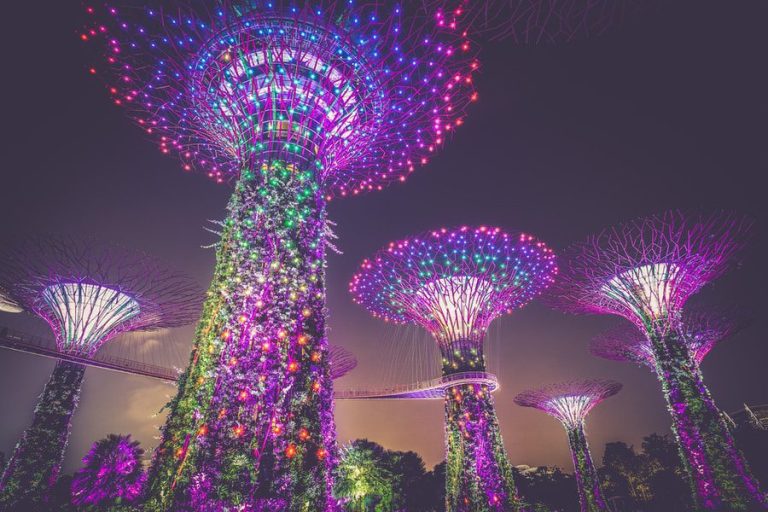
A national garden and premier horticultural attraction for local and international visitors, Gardens by the Bay is a showpiece of horticulture and garden artistry that presents the plant kingdom in a whole new way, entertaining while educating visitors with plants seldom seen in this part of the world, ranging from species in cool, temperate climates to tropical forests and habitats.
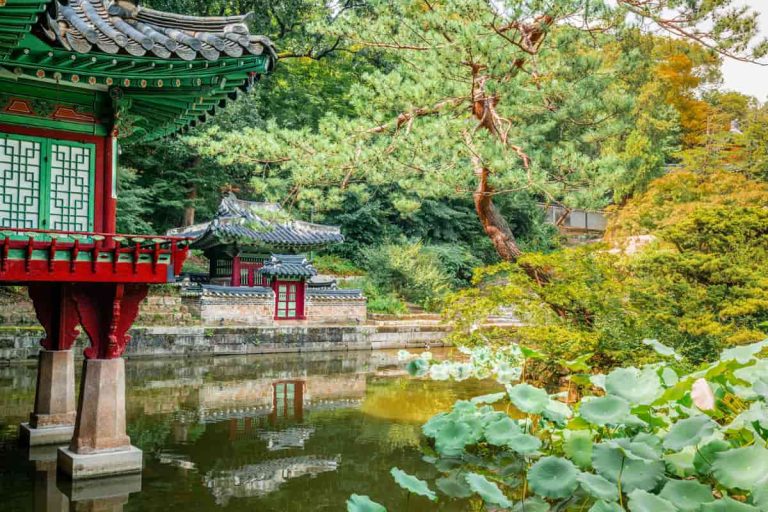
Changdeokgung and its secret garden actually served as the primary royal residence from the early 1600s – 1800s. I’ve been twice now, once in late spring and recently mid-autumn, and it’s definitely one of those places in Seoul I’ll never tire of visiting. It’s a UNESCO World Heritage Site, one of the most significant Korean landmarks, and the best preserved of all the palaces.
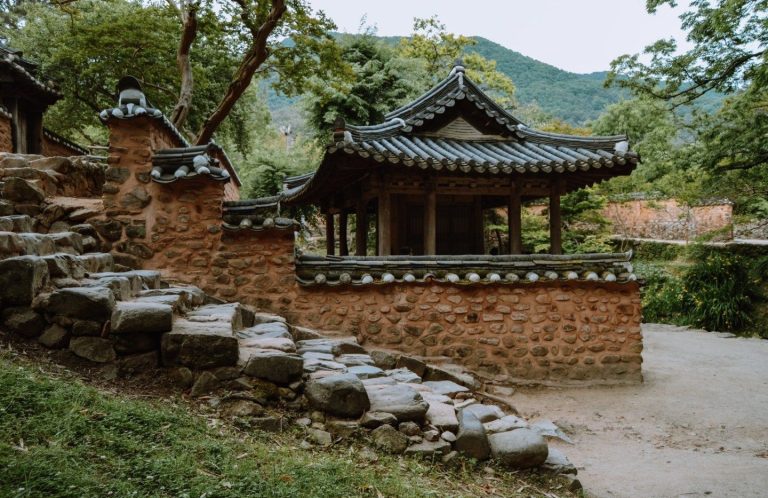
Soswaewon Garden epitomizes the literati gardens of the mid-Joseon Dynasty. Nature and artificial elements are carefully harmonized in this woodland garden, which embodies the upright mind and restrained aestheticism of ancient Korean scholars.
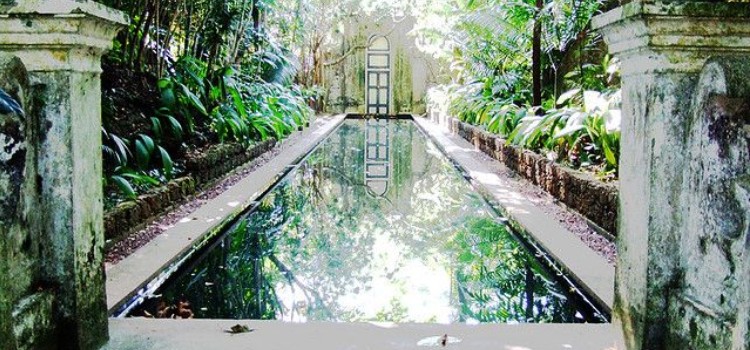
Sri Lankan architect Geoffrey Bawa set up the Geoffrey Bawa Trust 40 years ago in 1982 and made the remarkable decision to foster ecological and environmental sciences, art, and architecture – a visionary choice of intertwined disciplines. To Lunuganga is organised across three seasons, considering the overarching and increasingly unpredictable temporalities at Lunuganga, and its relationship to the Earth’s crust, to the biosphere, and the cosmos.
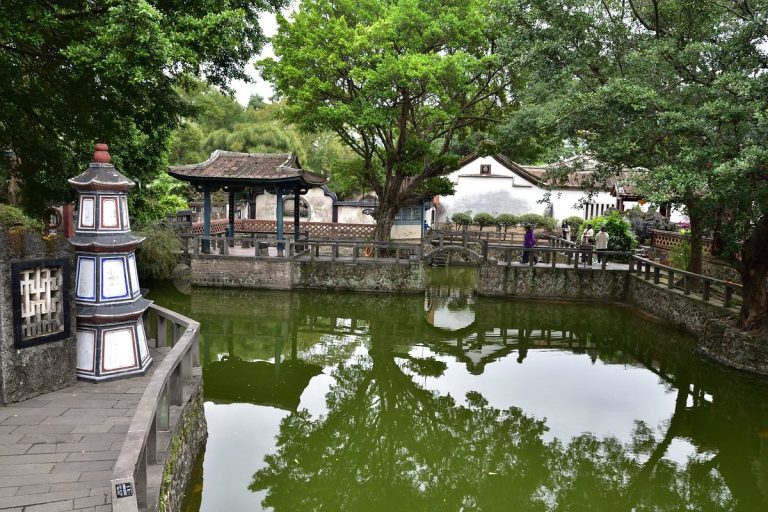
The Lin Ben Yuan Family Mansion and Garden was a residence built by the Lin Ben Yuan Family. It is Taiwan’s most complete surviving example of traditional Chinese garden architecture.
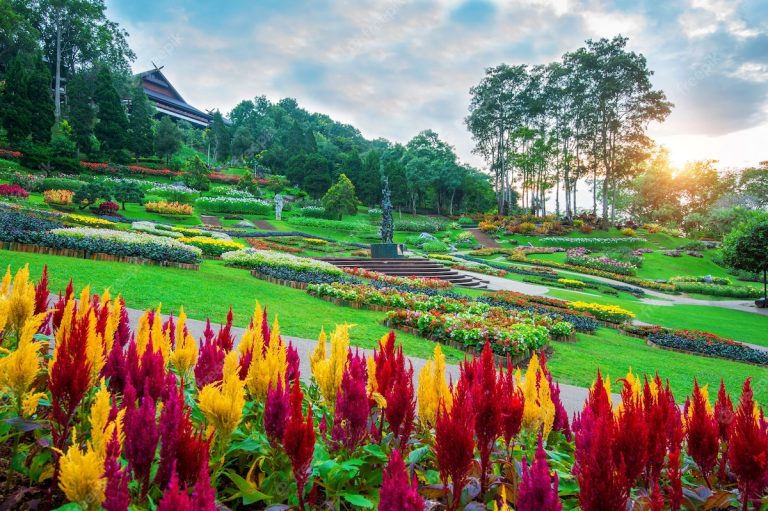
Mae Fah Luang Gardens is located on Doi Tung Mountain, about a 60-minute drive from Chiang Rai. This award-winning garden features a diverse array of colourful floral species and temperate flowers that add to the allure of the location. Worth a visit.
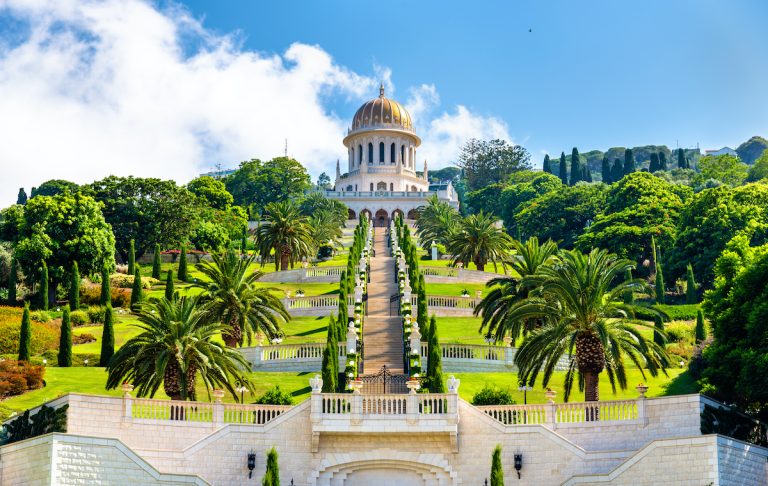
The Baháʼí Terraces, or the Hanging Gardens of Haifa, are garden terraces on Mount Carmel in Haifa, and one of the most popular tourist destinations in Israel. Completed in 2001, there are 19 terraces and more than 1,500 steps ascending the mountain.
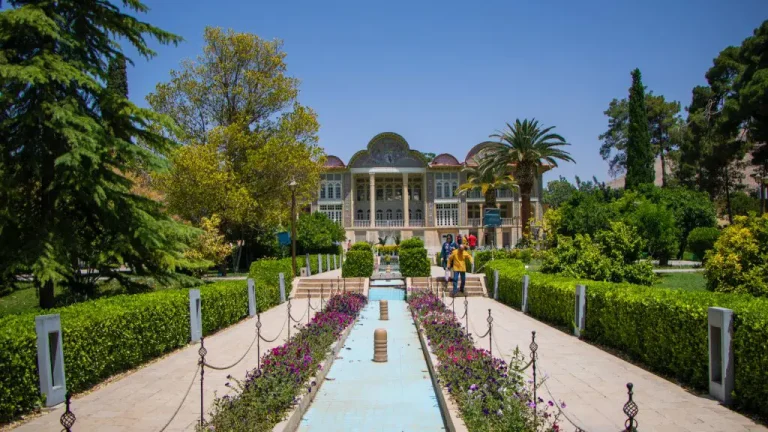
Bâgh-e Eram Garden is open to the public and part of Iran’s Cultural Heritage Organization.
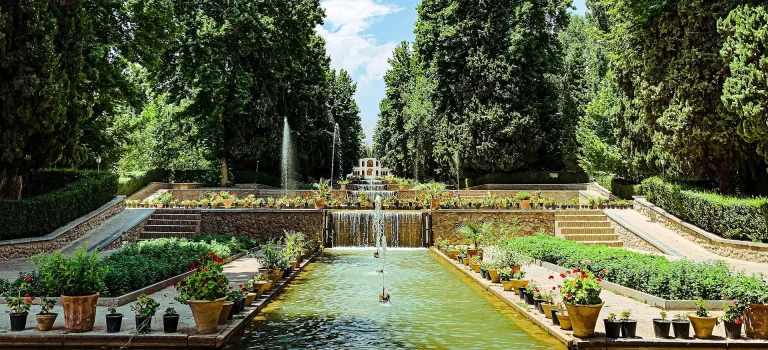
A magnificent oasis in the heart of the desert.
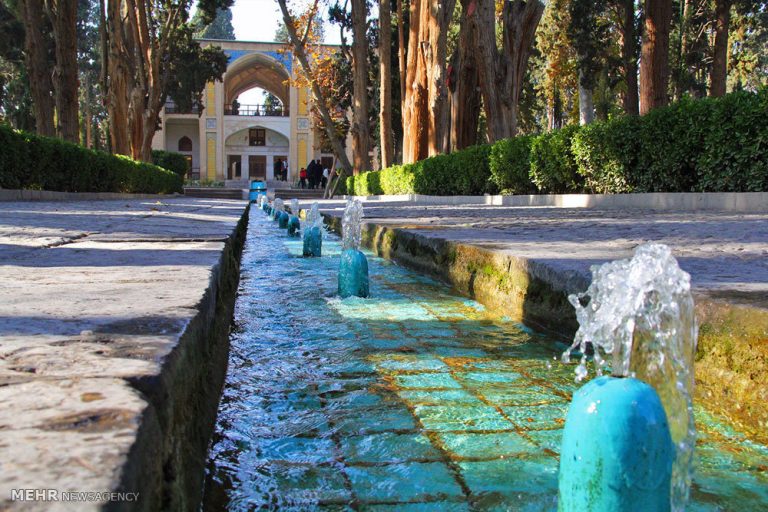
Fin Garden, a splendid sample of Persian gardens, exhibits a good combination of nature, culture, history, and architecture.
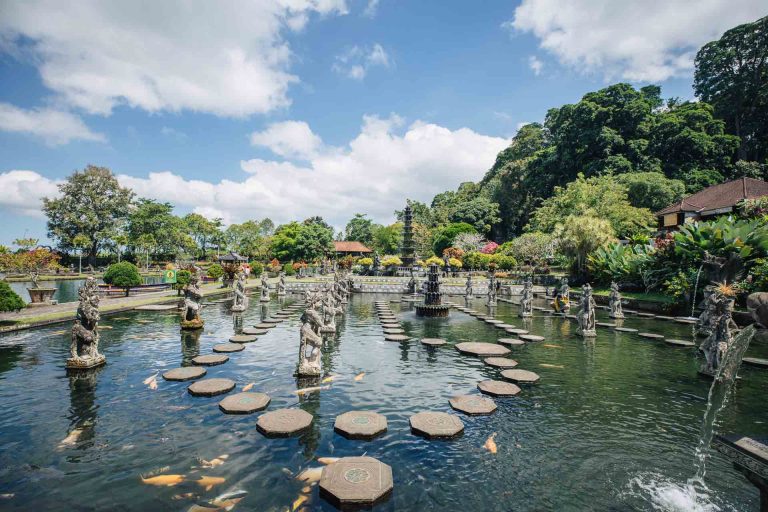
Tirta Gangga Water Palace is one of the most popular Bali Places. The gardens of Tirta Gangga Water Palace show a unique mix of Balinese and Chinese architecture. The grounds of the water garden (ca 1.2 ha.) consists of three separate complexes each with ponds and many sculptures. The complex on the lowest level has two large ponds and a water tower. At the second complex (middle level) of the Bali water palace are the swimming pools. The third level houses the main complex with the country home of the former Raja.
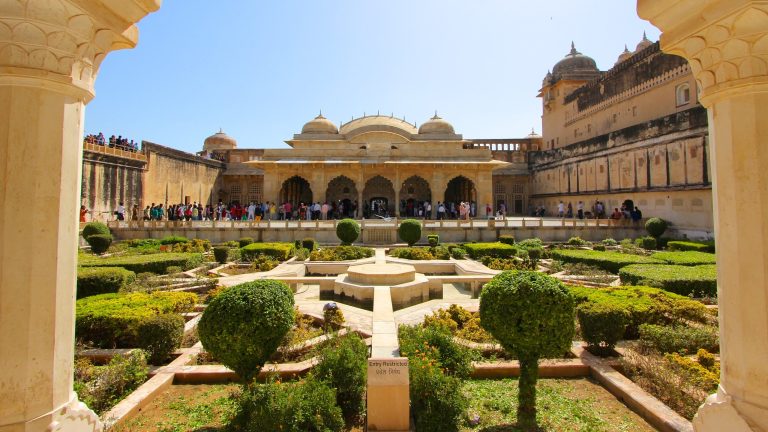
Char Bagh garden lies beyond this, which has lais out in four-quartered style favored by the Mughals. In Char garden we can enjoy panoramic views of the Pink City. Sukh Mahal is situated across this which includes cooling system apart from beautifully designed.
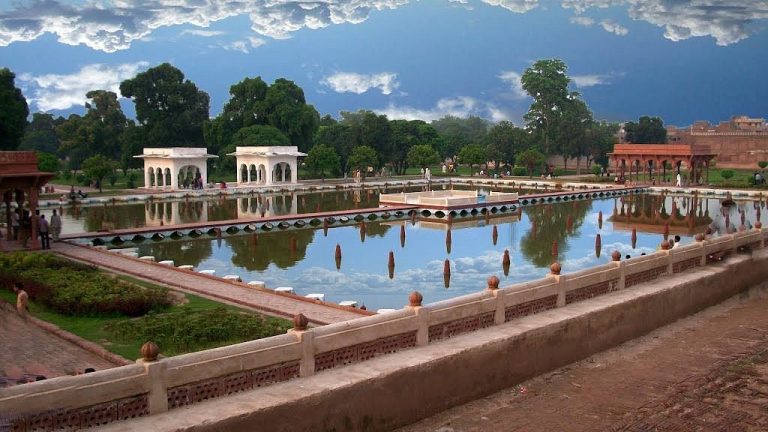
Shalimar Bagh is a Mughal garden in Srinagar, Jammu and Kashmir, India, linked through a channel to the northeast of Dal Lake. It is also known as Shalimar Gardens, Farah Baksh, and Faiz Baksh. The other famous shoreline garden in the vicinity is Nishat Bagh, ‘The Garden of Delight’. The Bagh was built by Mughal Emperor Jahangir in 1619. The Bagh is considered the high point of Mughal horticulture. It is now a public park and also referred to as the “Crown of Srinagar”.
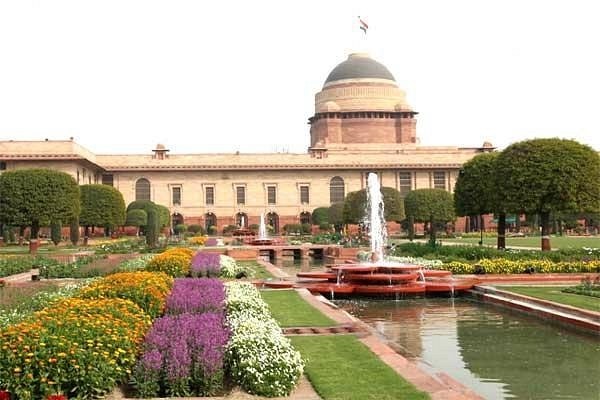
Rashtrapati Bhavan, home to the President of the world’s largest democracy, epitomizes India’s strength, its democratic traditions and secular character. Rashtrapati Bhavan was the creation of architects of exceptional imagination and masterfulness, Sir Edwin Lutyens and Herbert Baker. It was Sir Lutyens who conceptualized the H shaped building, covering an area of 5 acres on a…
GardeningCalendar.ca gets some funding from advertisers. If you click on links and advertisements at no cost to you, the site may receive a small commission that helps fund its operation.
© 2025 J&S Calendars Ltd.