Sanzen-in Gardens
Starting with the spacious garden and majestic architecture, we will introduce the precincts of Sanzen-in Temple where you will be healed.
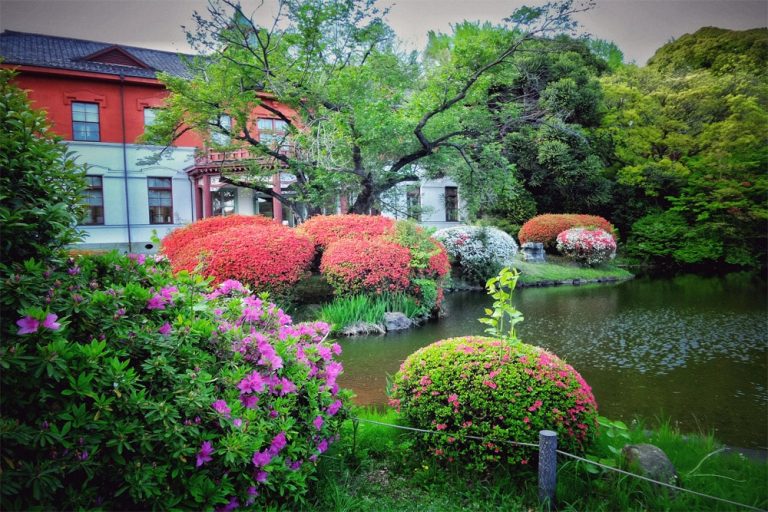
Taizo-in is a “Real Japanese Garden”. With its beautiful gardens and treasures of Japanese art, Taizo-in is the oldest and most famous sub-temples of the Myoshin-ji complex. It was founded in 1404 and the gardens are said to have been designed by the painter Kano Motonobu in the Muromachi period.
Its official name is Rokuonji, the garden and architecture centered on the Kinkaku are said to represent the Pure Land of Bliss to the world, and it is a stage that has contributed to the development of culture by inviting Emperor Gokomatsu. The culture of this period is called the Kitayama culture.
Koinzan is also called “moss temple” because the precincts are covered with more than 120 kinds of moss. Many Zen temples in Japan were founded in the Kamakura period when Zen Buddhism was introduced and flourished. It has a long history of over 1,200 years.
Located in the center of Beijing, Beihai is the earliest, best-preserved, and most profound classical royal garden in the existing history of China. The formation and development of Beihai has gone through several dynasties of Jin, Yuan, Ming and Qing Dynasties, carrying nearly a thousand years of Chinese history and culture, and forming a gardening art style represented by royal gardens.
The Humble Administrator’s Garden covers 5.2 ha. and is one of the 4 most famous gardens of China. In 1961 it was listed as cultural relics of national importance. Serving as a fine specimen of the classical gardens of Suzhou, it was inscribed the World Heritage List by UNESCO in 1997.
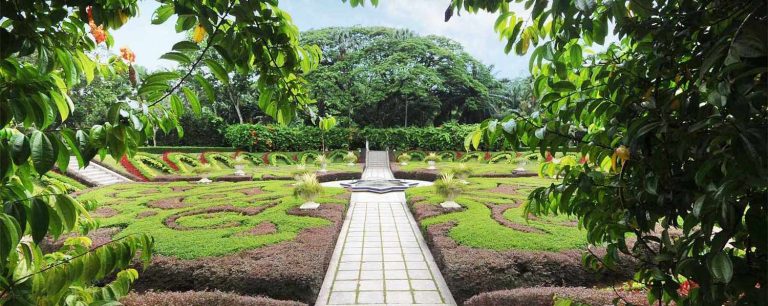
The Royal Botanic Gardens at Peradeniya was established in 1821. Less than 5.5 Km from Kandy, it occupies a loop of the river Mahawel. More than 4000 species of plants including woody trees, Palms, Ferns, Orchids and shrubs currently present within the gardens.
Yu Garden reflects Jiangnan garden architecture from the Ming and Qing dynasties. It flawlessly combines decorative halls, elaborate pavilions, glittering ponds, zigzag bridges, archways, and exquisite rockeries.
Shanghai Botanical Garden, located in Xuhui District, Shanghai, is a comprehensive urban botanical garden focusing on plant introduction and domestication, botany research, scientific communication, and horticultural display. There are 15 specialized parks, including a bonsai garden, an herbal medicine garden, an exhibition greenhouse, and an orchid room. It collects and screens a large number of horticultural varieties for urban greening, with more than 3,500 species of living plants and 6,000 varieties.
This remarkable new 207-hectare botanical garden was opened in 2010. Set amidst the fast-developing suburbs of Shanghai, it provides both a green resource for the city and a new center for plant science. It is a popular public attraction with three spectacular glasshouses, a calendar of festivals, and 26 themed areas. We also have a large and growing education program for children and teenagers.
Shenzhen Xianhu Botanical Garden has a variety of plant species and beautiful lakes and mountains. The popular Hongfa Temple is also located here.
The Xishuangbanna Tropical Botanical Garden is a comprehensive research institution integrating scientific research, species preservation, and popular science education, and a well-known scenic spot at home and abroad. The Garden promotes the protection and sustainable development of my country’s biodiversity.
The Chollipo Arboretum is a legacy of Min Byeong-gal, and it collects and preserves plants from Korea and the world to create a beautiful garden.
Dedicated to research and education, instill the spirit of love for nature in people and give them creative inspiration and happiness. It is a world-class arboretum with 17,000 kinds of plants.
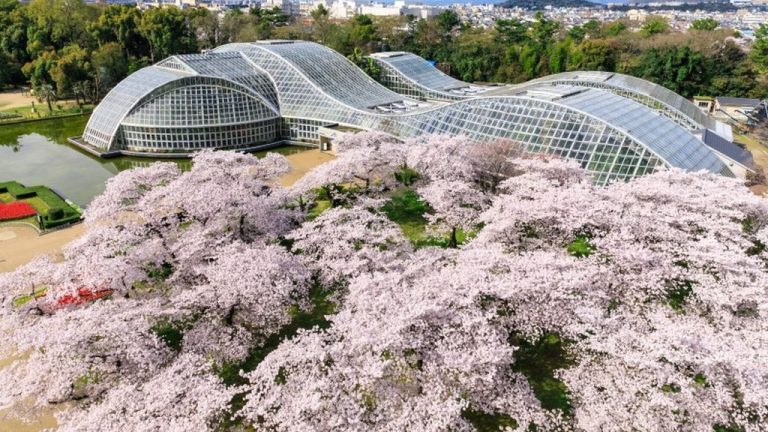
Indoor Garden: A three acre large glass greenhouse consists of a Mystery Garden, a Central Hall, where various exhibitions of flowers and plants take place, a Flower Garden, an Aquatic Garden, a Cactus Garden, a Jungle Garden, and a Tropical Fruits Garden. At the center is a 38-meter tall observation tower.
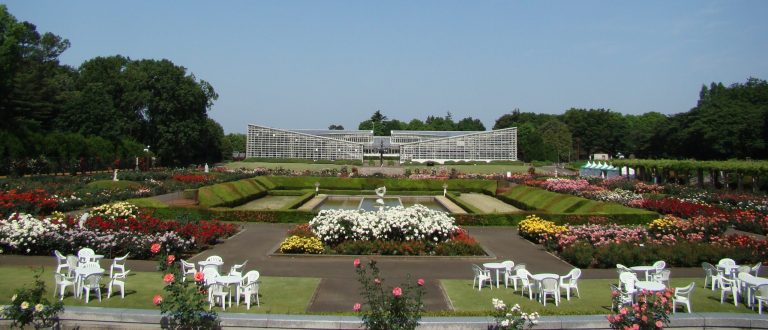
Outdoor Garden: On 24 acres of land, there are about 1,000 kinds of warm temperate and temperate zone plants in various gardens, including Japanese, Korean, Italian, and French Gardens and Lawn, as well as Herb and Bog Gardens.
A national garden and premier horticultural attraction for local and international visitors, Gardens by the Bay is a showpiece of horticulture and garden artistry that presents the plant kingdom in a whole new way, entertaining while educating visitors with plants seldom seen in this part of the world, ranging from species in cool, temperate climates to tropical forests and habitats.
The Singapore Botanic Gardens are spectacular. The Gardens is the first and only tropical botanic garden on the UNESCO’s World Heritage List. It is the first in Asia and the third botanic gardens inscribed in the world following Orto botanico di Padova and the Royal Botanic Gardens, Kew. Each Core of four (4) core components of the gardens presents an exciting array of attractions.
Henarathgoda Botanic Gardens, Gampaha was established in 1876 for the introduction of rubber to Sri Lanka and possess an array of botanical and horticultural attractions with a rich history. It is situated in Gampaha with a total extent of 17.4 ha. This garden consists of important plant collections of about 2000 species of Sri Lanka and other countries.
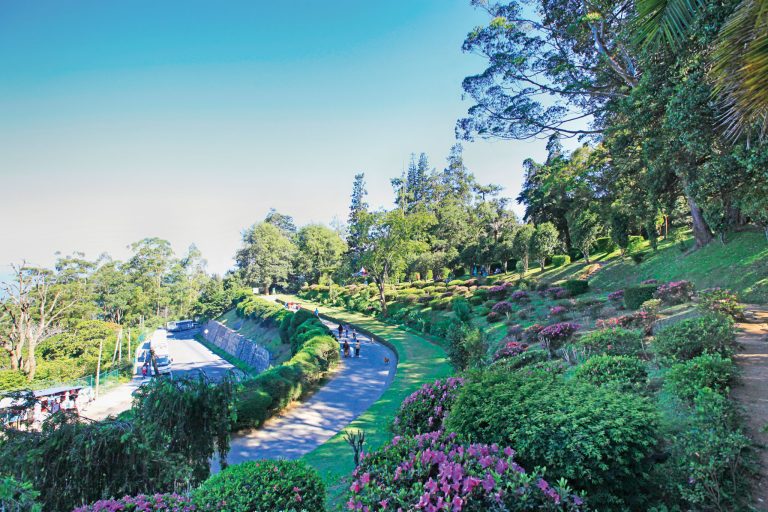
Botanic Gardens at Hakgala were established in 1861 for the purpose of experimentation and promotion of Cinchona cultivation in Sri Lanka. The gardens lying in the hill country among Sri Lanka’s tea plantations in the Nuwara Eliya district are located along the Badulla Road, 9.5 km South-east of Nuwara Eliya, the popular holiday resort.
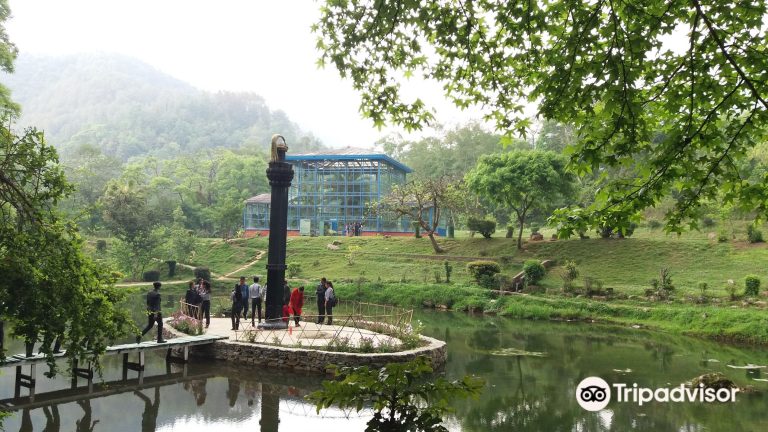
Thailand’s first botanic garden is now a popular tourist destination in the Mae Rim district, covering a mountainous area of 560 acres and displaying a diverse collection of plants from around the world. The garden, which was established in 1992 to honour HM Queen Sirikit, has several highlights, including a Rainforest Glasshouse where you can walk among abundant types of plants from all tropical forests in Asia.
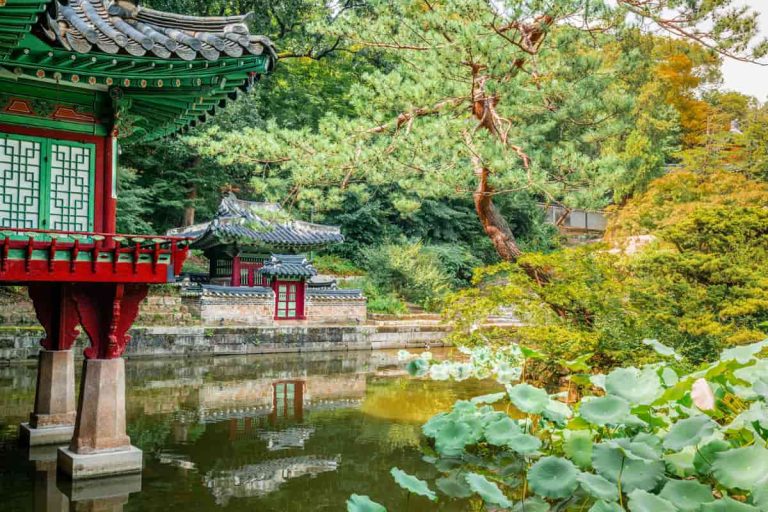
Changdeokgung and its secret garden actually served as the primary royal residence from the early 1600s – 1800s. I’ve been twice now, once in late spring and recently mid-autumn, and it’s definitely one of those places in Seoul I’ll never tire of visiting. It’s a UNESCO World Heritage Site, one of the most significant Korean landmarks, and the best preserved of all the palaces.
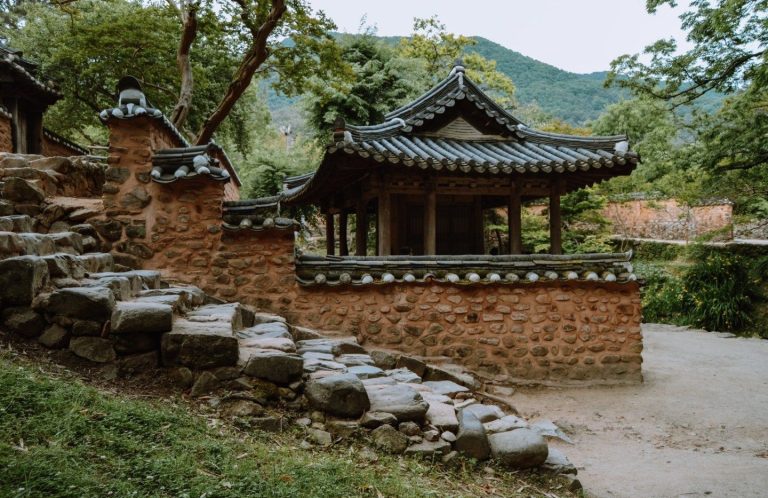
Soswaewon Garden epitomizes the literati gardens of the mid-Joseon Dynasty. Nature and artificial elements are carefully harmonized in this woodland garden, which embodies the upright mind and restrained aestheticism of ancient Korean scholars.
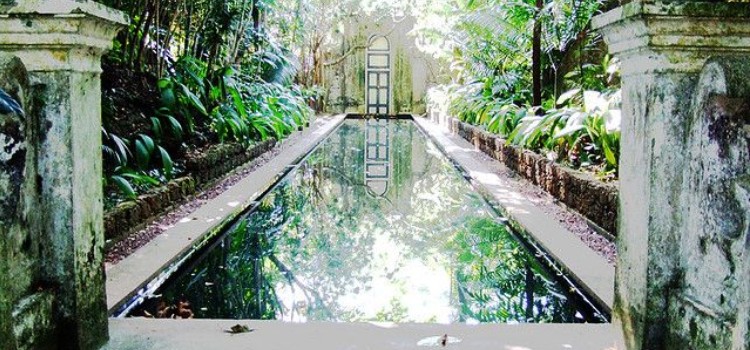
Sri Lankan architect Geoffrey Bawa set up the Geoffrey Bawa Trust 40 years ago in 1982 and made the remarkable decision to foster ecological and environmental sciences, art, and architecture – a visionary choice of intertwined disciplines. To Lunuganga is organised across three seasons, considering the overarching and increasingly unpredictable temporalities at Lunuganga, and its relationship to the Earth’s crust, to the biosphere, and the cosmos.
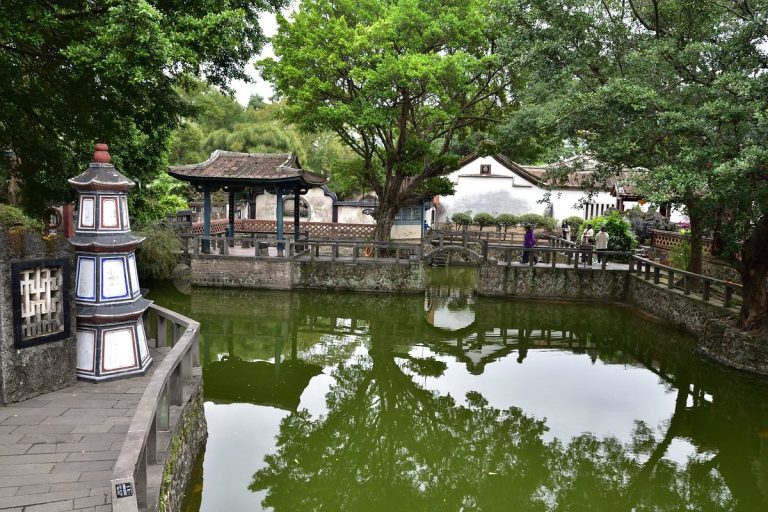
The Lin Ben Yuan Family Mansion and Garden was a residence built by the Lin Ben Yuan Family. It is Taiwan’s most complete surviving example of traditional Chinese garden architecture.
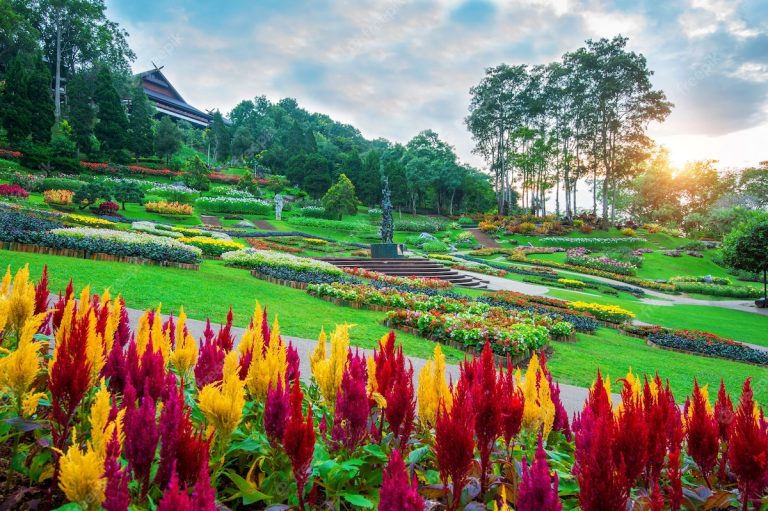
Mae Fah Luang Gardens is located on Doi Tung Mountain, about a 60-minute drive from Chiang Rai. This award-winning garden features a diverse array of colourful floral species and temperate flowers that add to the allure of the location. Worth a visit.
GardeningCalendar.ca gets some funding from advertisers. If you click on links and advertisements at no cost to you, the site may receive a small commission that helps fund its operation.
© 2025 J&S Calendars Ltd.