
The Sugar Maple, a majestic tree species, possesses an impressive lifespan exceeding two centuries. Its vibrant colours reach their zenith during the autumn season, when the leaves undergo a remarkable transformation, transforming into hues of vibrant yellow, orange, and red.
Recognized as the national tree of Canada, the Sugar Maple holds significant importance in the country’s cultural and economic landscape. Its primary resource extraction involves the collection of sap, which is subsequently processed into the delectable confectionery known as maple syrup.
Quick Growing Guide
Botanical Name: Acer saccharum
En français: Érable à sucre
Sun / Shade:
Water: Low to moderate need for water.
Height:
Pollinators:
The Sugar Maple thrives in its natural habitat, which encompasses rich woodlands and rugged hillside environments.
Sugar maple flowers and leaves emerge simultaneously. The plant exhibits moderate to rapid growth. While it tolerates shade, it requires full sun for optimal development. Its extensive root system should not be planted in areas susceptible to road salt, pollution, or soil compaction.
Companion plant suggestions include American Beech, White Pine, and Eastern Hemlock.
Comments

More From Gardening Calendar
Deadhead Flowers For More Flowers!
Deadheading flowers is a very important job to do in the garden as it helps to increase the number of blooms on your plants.
Gardening for Birds: Planting for American Robins
Learn how to attract American robins with the right plants, food sources, and habitats for these beloved springtime visitors.
Veggie Bites – Bulbs Growing
I have bulbs growing and that is amazing. I am keeping watch. Each day new and interesting things are emerging.
Great St. John’s Wort Care and Uses
St. John’s Wort is a magnificent, vivacious plant that can grow very tall with the right soil conditions. Learn how to care for it.
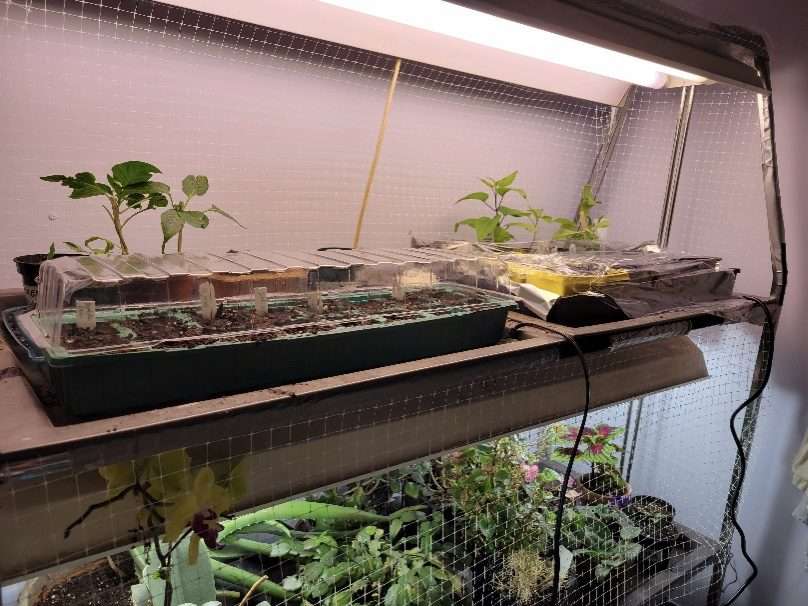
Tomato Cotyledons and Pruning Roses
Tomato cotyledons are waving at me and are all reaching for the light. I leave them on their heated mat until they are ready to pot up.
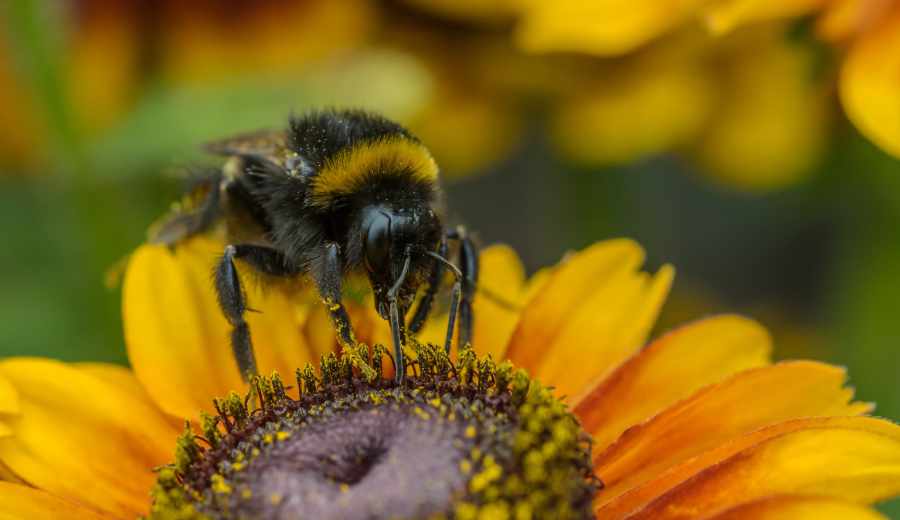
Pollinator Tips for Summer Gardens
Discover how to attract pollinators like bees, butterflies, and hummingbirds to your garden with these expert gardening tips.
Leave a Reply
You must be logged in to post a comment.