
Thoughts on Planning Your Garden
Planning your garden for the next season can add to the joy of gardening. Planning allows new ideas and accentuating what worked well.
Greetings fellow gardeners,
Planning a garden is as difficult as you choose to make it. A simple points list can be your plan, or a map, made to scale, of all your garden rooms. I like to be somewhere in the middle. Planning your garden for the next season does not need to be a pain; it can be an addition to the joy that is gardening. Your plan allows you to introduce new ideas and consolidate those features that worked well.
The too-many cats and I are watching the snowflakes swirling down and the fat fuzzy blue jays that are tapping their sunflower seeds against the tree. Winter has truly arrived. Soon the many seed catalogues that I love to look through will start to show up in my mailbox, so I want to get started on my garden plans.
After supper, with the warmth of the woodstove mellowing the too-many cats, I get out my squared paper, pencils, black pen, and highlighters. I do an approximation on the paper of the true size of my garden, but you can assign a number value to the squares should you wish. For example, one square can represent one foot or perhaps thirty centimeters. I find it easiest to break down my garden into rooms. The front garden is a room and so is the side garden, and so forth.

Front and Back Gardens
Let’s start with the front garden. I map out the existing cedar trees, the roses, the water feature, the lilacs, the forsythia, and the cherry bush. I do a review of what I had in this garden last summer. Primarily it had pots of tomatoes, as it has had for a while now, and it is time to rotate those tomatoes to another area. Usually, I like to change the location of my tomatoes so that I am not providing a constant environment for fungal diseases and pests. Every little bit helps!
The plus side of this garden is that while the cedars are along the back, near the front is full sunshine. While that is ideal for tomatoes, it is also ideal for other sunshine vegetables.
The negative side of this garden is that it is nearly all cedar root, which makes direct digging difficult. This garden works best with pots.
Vegetables in Pots
Next, I need to decide which vegetable I will grow in those pots. After I decide on the vegetable I need to see if I have seed for it collected this summer or extra in a package. If I have no seeds, I will write down a seed request on my to-be-ordered paper. I still have last year’s catalogues as well as access to the companies online, so I can find the seeds that I want. Remember to get your seed orders in by mid-January if possible so you can get everything that you want.
It would seem that I have a lot of work ahead of me as I have more than a few garden rooms to map. I have my paper ready and am also enjoying a few little dreams about next summer’s garden. Enjoy your week. Judith.
Contact Judith through her Website https://www.lapisdragonarts.com/. Find more weekly Veggie Bites experiences on the Veggie Bites page.
About the Author
Comments
More From Gardening Calendar
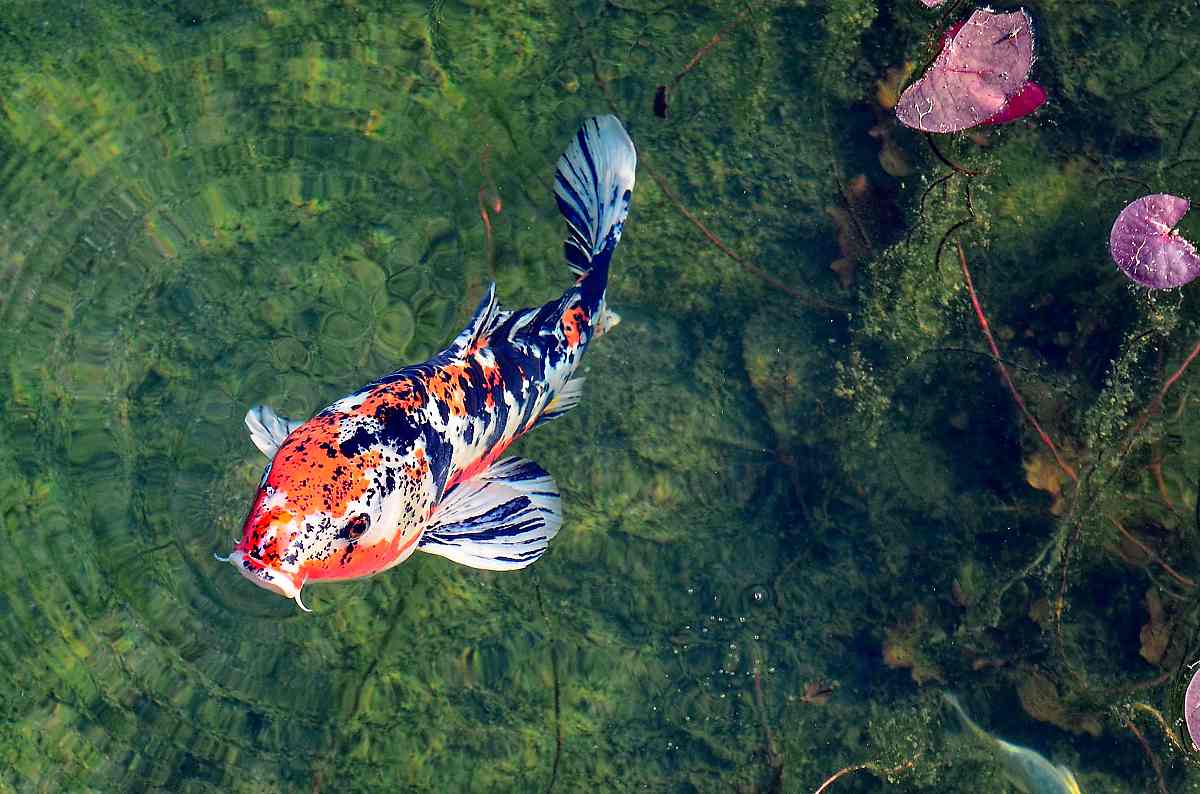
Tips For Keeping A Healthy Koi Pond
A koi pond can be a beautiful addition to your garden. These colourful and majestic fish can create a dramatic focal point
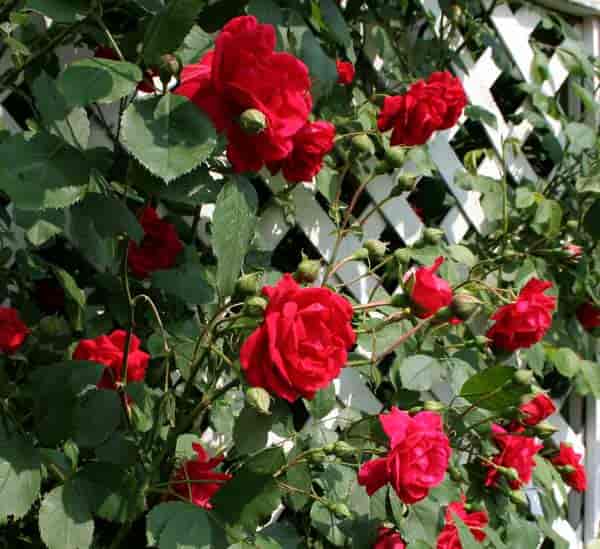
How To Winterize Roses and Rose Bushes
Depending on location and type of rose, there are a variety of ways to winterize roses and rose bushes. The key is to start early.

Deal With Heat Stress in Weed Plants
Learn why heat stress in cannabis plants can discolor foliage, cause stunted growth, and more. Understand the symptoms and causes, and find out how to prevent this issue to help ensure your marijuana crops remain healthy. Plant White Widow feminized seeds or similar heat- and disease-resistant strains today!
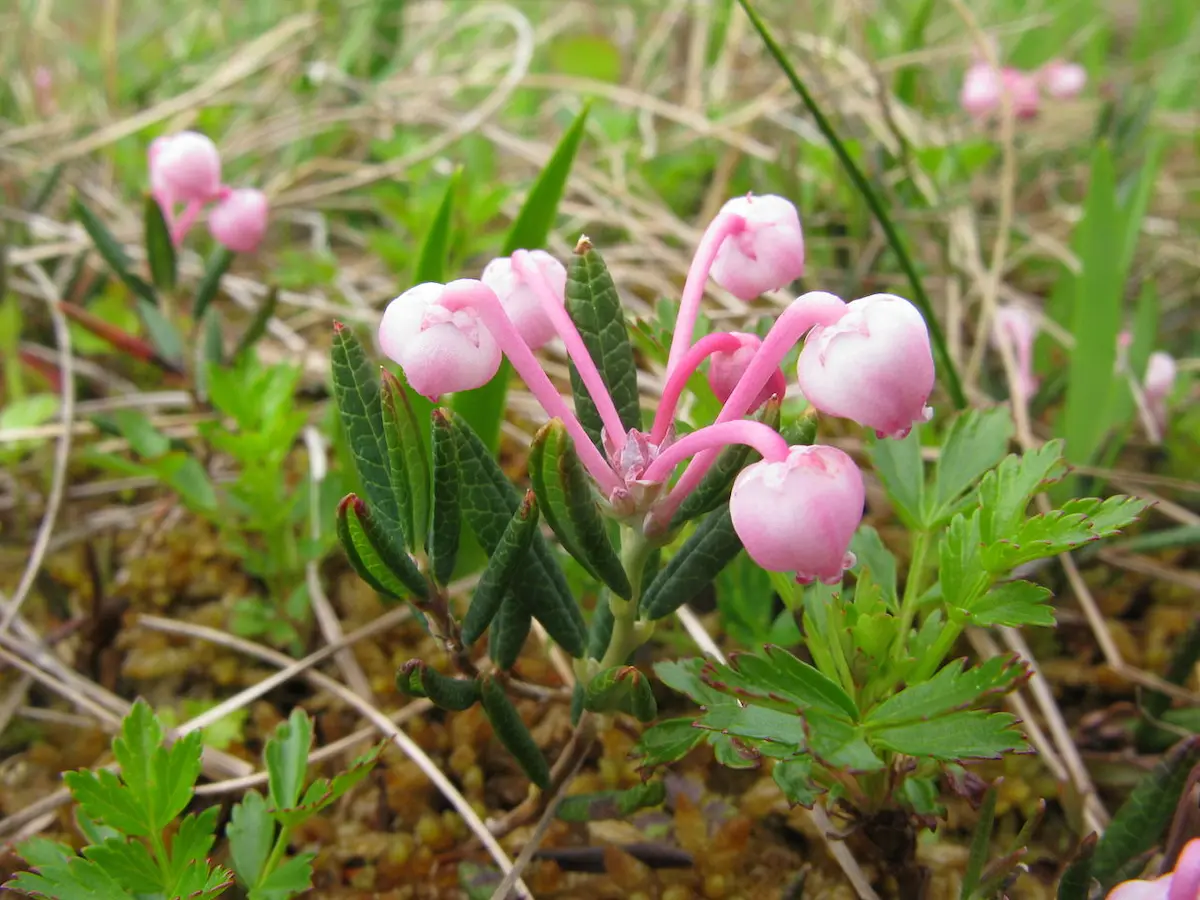
Bog Rosemary
Bog rosemary is an arctic-tough, garden-pretty, small evergreen shrub. See why it is easy to care for and why animals leave it alone.
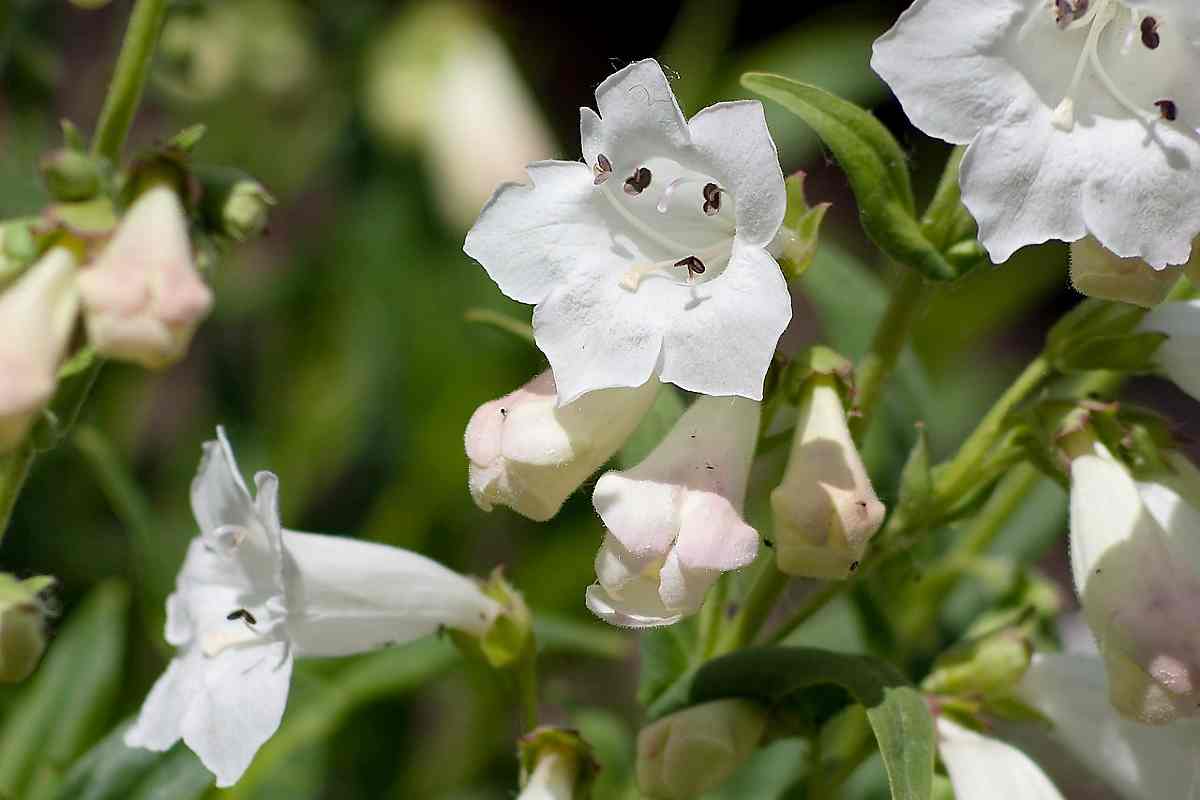
Foxglove Beardtongue
Penstemon digitalis bell-shaped flowers are nectar-rich, which makes them one of the best plants to attract hummingbirds.
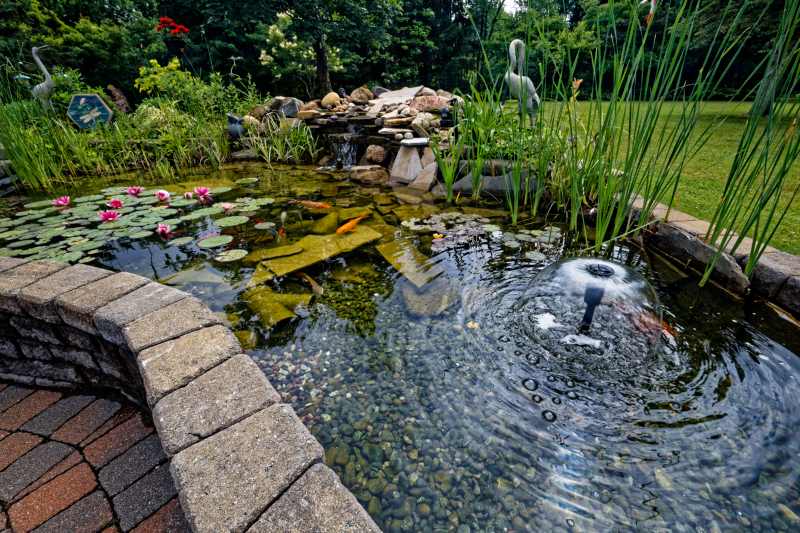
Is a Pond Aerator the Silver Bullet for Your Pond Problems?
Oxygenation of your pond using a good pond aeration system is crucial for the health of your pond’s ecosystem including the water, fish and plants.
Leave a Reply
You must be logged in to post a comment.