Starting Tomatoes
All of the tomatoes that I am growing are heirloom tomatoes, and they are all indeterminate. Indeterminate tomatoes continue to grow, and you can prune them and not lose much fruit.
Greetings fellow gardeners,
At last, it is time to start my tomatoes. If I were that organized gardener, I would have immediate access to my seeds. Alas, it is me, so I have been digging through boxes and bags and containers looking for all the seeds that I had set aside.
Tomato Seeds
All of the seeds that I collected are from heirloom tomatoes, so they will be the same as the original tomato. I would not collect seeds from hybrid tomatoes because you never know what kind of tomato you will get. The same will happen if you use supermarket tomatoes because these tomatoes are hybrids. The tomatoes that grow from these seeds are rarely the same as the original tomato. You can also buy tomato seedlings from a nursery later in the season but starting your own is so rewarding.
Once I had found everything, I got down to business. I got my seed-starting container, which is a tray with deep cells. I added a light seed-starting soil, overfilling the cells and sweeping the excess away. I added water to the soil so that it was moistened all the way through. I planted several rows of different types of tomatoes and carefully sprinkled soil over the top of the seeds. I placed the tray under the lights of my plant stand and covered it with plastic wrap. I couldn’t find the plastic dome, but it would not have fit over the identification labels anyway. If you do not have a plant stand, you can start your tomatoes on a sunny windowsill or on a table under a grow light.
Heirloom and Determinate Tomatoes
What are heirloom tomatoes? They are tomatoes and seeds, which are passed down from season to season.
For now, I shall leave them to grow and form strong roots before I transplant them into a larger pot. All of the tomatoes that I am growing are heirloom tomatoes, and they are all indeterminate. Determinate or bush tomatoes usually stop growing at three to four feet, and it is not a good idea to prune them as you may lose fruit production. Indeterminate tomatoes continue to grow, and you can prune them and not lose much fruit.
These are the tomatoes that I have started so far:
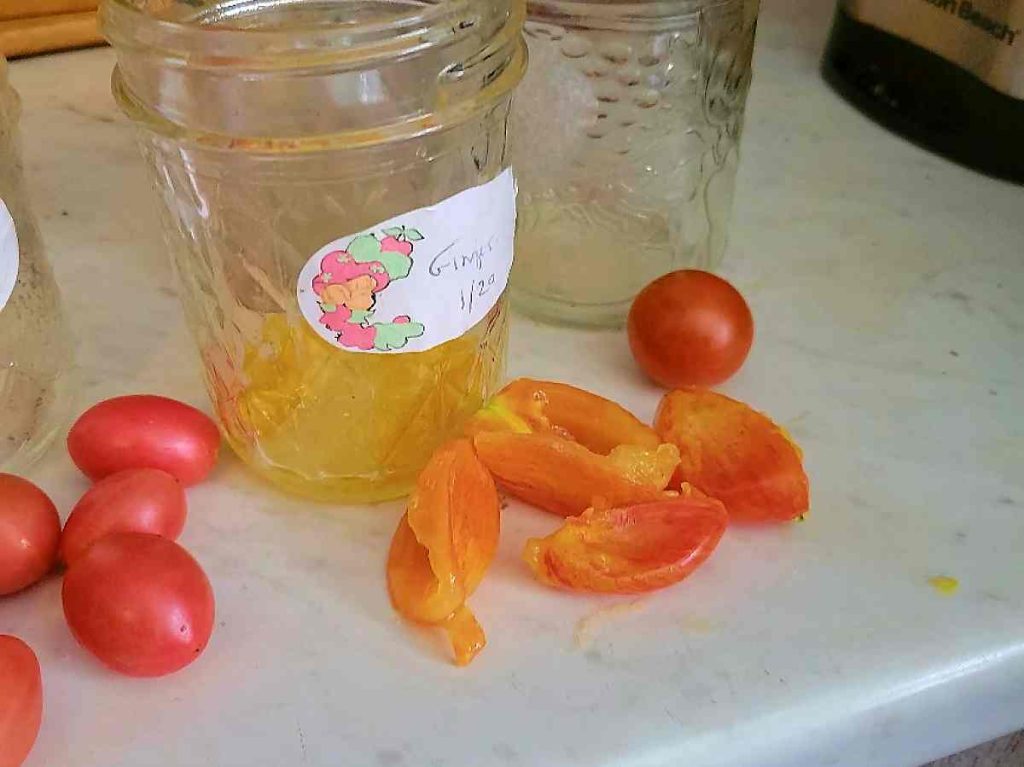
- Yellow Pear – sweet tiny tomatoes that are shaped like pears! If there is someone in your life that is grumpy about tomatoes, then these little sweet darlings will change their mind.
- Pink Ponderosa – my friend Joan gave me seeds for these large pink beefsteak-style tomatoes. Oh, what a sandwich these will make.
- Polish Raspberry– this strange little tomato comes from Poland and is red and oval. It has the biggest tomato flavour I have ever tasted.
- Black Krim – a larger tomato that is very dark and sweet with a touch of acidity.
- Red Currant – a tiny tomato that is the size of a currant. I love scattering these over a salad.
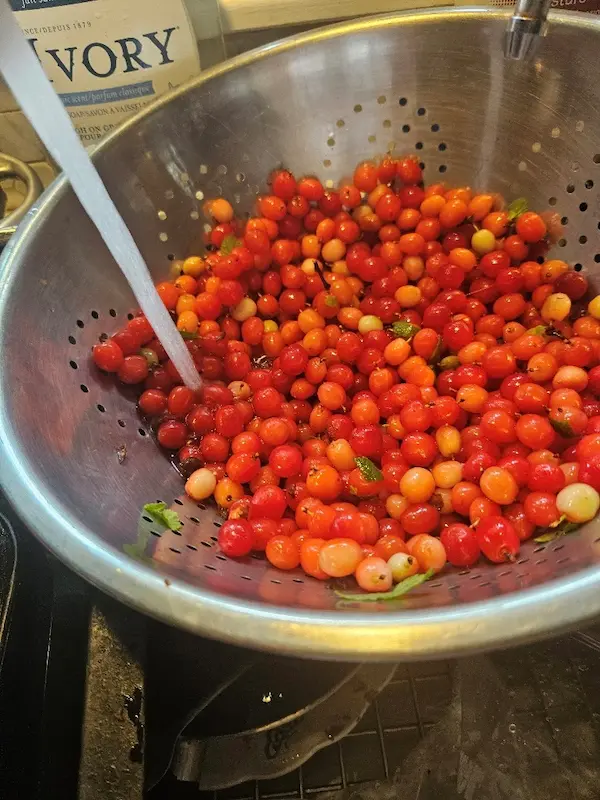
I would also like to grow some Indigo Rose again, so I hope to pick up some seeds soon.
The world seems to be waking up. I see red-winged blackbirds and the bird song is filling my world. The temperature is moving up and it smells like dirt, except in some areas that my dog Belle prefers to frequent. Have a wonderful week and try planting some tomatoes! Judith.
About the Author
Comments

Gardening guidance for your area—and your garden
Join our newsletter for timely gardening guidance tailored to your area. Looking for a better value? Upgrade your newsletter for personalized plant-care guidance based on the plants growing in your garden.
Leave a Reply
You must be logged in to post a comment.