A Quick Growing Guide for Miterwort
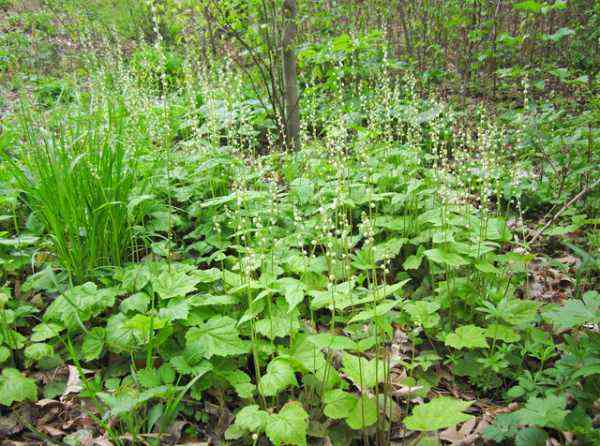
Photo:
Cbaile19, CC0, via Wikimedia Commons
The Miterwort, Mitella diphylla, is the jewel of the spring shade garden. Plant close enough to a path that the small flowers can be enjoyed up close. Welcome mitewort to shady gardens, cottage gardens, woodland gardens, and naturalized areas.
This plant has a 20 to 45 cm long hairy stem. It bears two opposite leaves near the middle of the stem. There are other leaves, with long stalks, near the base of the plant. Its tiny flowers are only 3 or 4 mm across. Miterwort petals are delicately fringed and arranged in a long, terminal cluster. The fruit is a mitre-shaped capsule, giving the plant its name. It contains black seeds.
Quick Growing Guide
Botanical Name: Mitella diphylla
Also Called: Bishop’s Cap, Twoleaf miterwort
En français: Mitrelle à deux feuilles
Colour:
Blooms:
Sun / Shade:
Soil:
Height:
In nature, you’ll find it in deciduous woods and borders.
Comments

Gardening guidance for your area—and your garden
Join our newsletter for timely gardening guidance tailored to your area. Looking for a better value? Upgrade your newsletter for personalized plant-care guidance based on the plants growing in your garden.
Leave a Reply
You must be logged in to post a comment.