Flat-Topped Aster
The Flat-topped Aster attracts a wide range of types of pollinators: long-and short-tongued bees, wasps, beetles, flies, and butterflies. It is a great candidate for pollinator gardens, cottage gardens, and wildflower gardens.
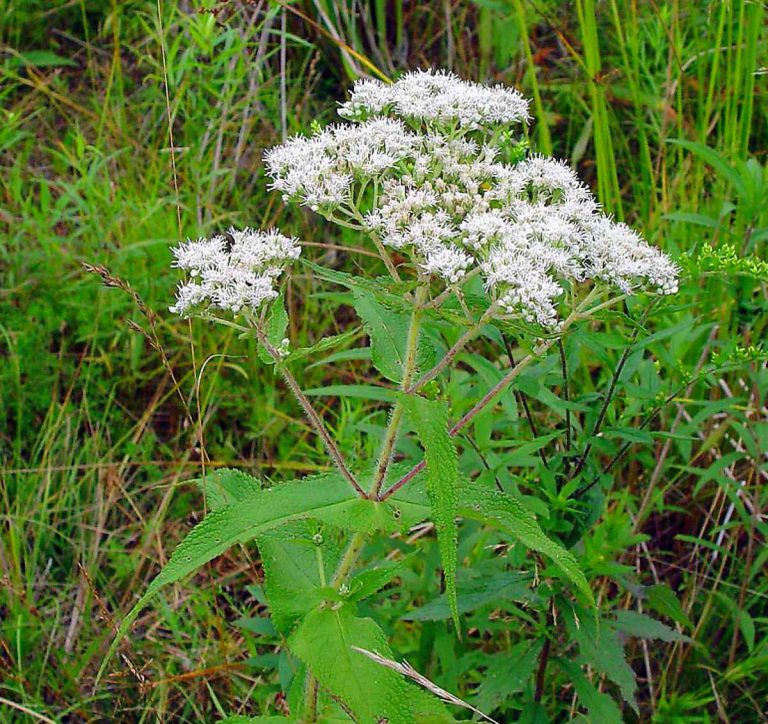
The Flat-topped Aster attracts a wide range of types of pollinators: long-and short-tongued bees, wasps, beetles, flies, and butterflies. It is a great candidate for pollinator gardens, cottage gardens, and wildflower gardens.
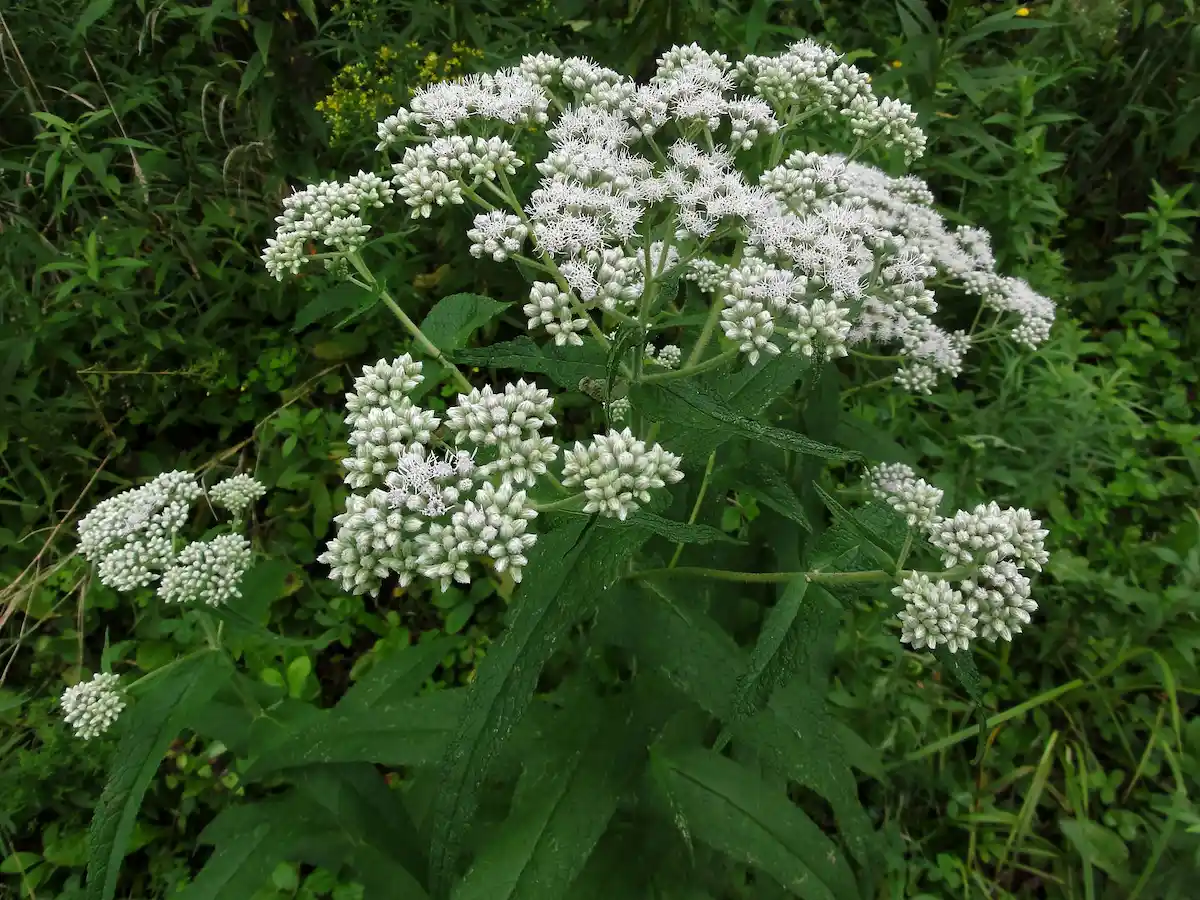
Native to the marshes of North America, common boneset has a long history of use as a medicine and a lovely, recognizable appearance. It is still occasionally cultivated and harvested for its medicinal qualities. Gardeners also find it appealing as a native plant that draws pollinators. It grows thick and hairy in wet areas like…
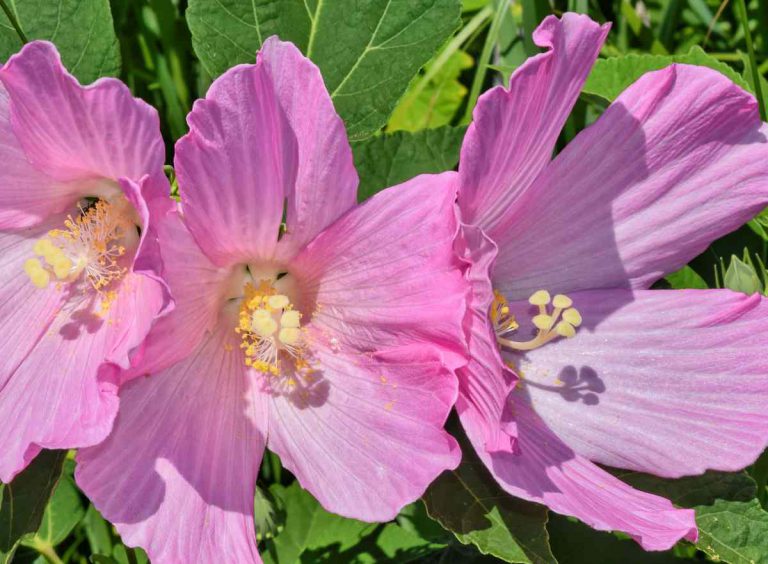
Swamp Rose Mallow, known as hibiscus moscheutos, has exotic, oversized flowers that are very striking. There are five overlapping petals, each with a reddish-purple to dark crimson base that forms a sharp contrast with the central eye of the flower. The bloom lasts only 1-2 days, but new flowers open every day over the long…
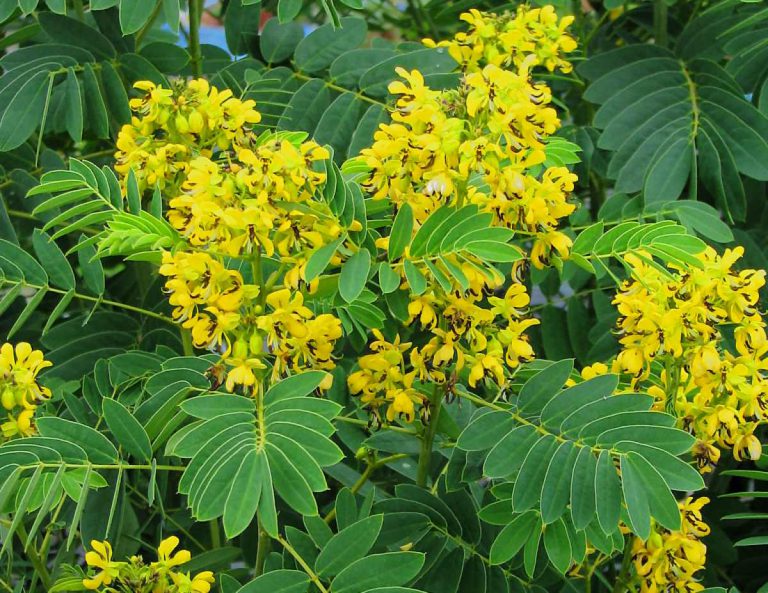
Wild senna is an underrated plant with striking yellow blooms and attractive foliage. Exposure to full sun provides the energy for more flowers. It is a host plant for sulphur butterflies ( Phoebis sennae, Phoebis philea, and Abaeis nicippe). Birds appreciate the many seedpods, and the plant is an essential food source for game birds…
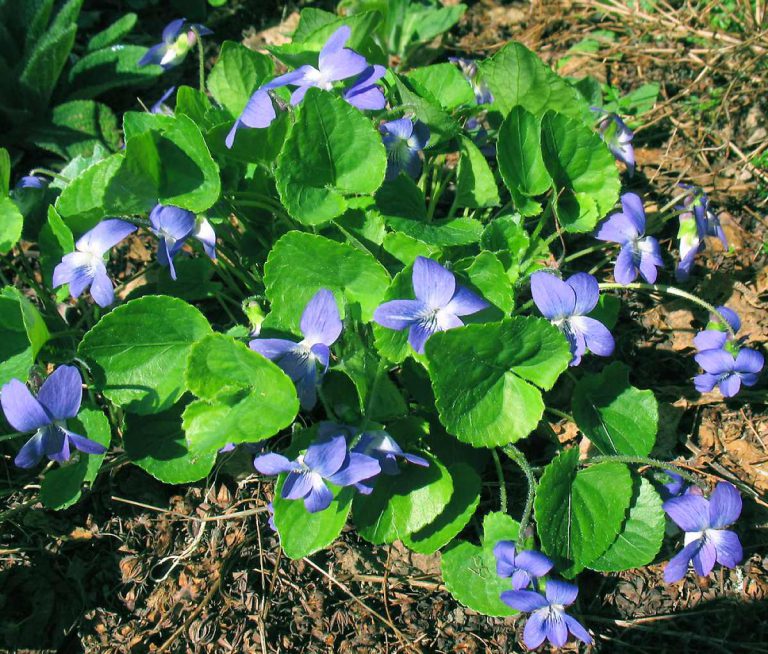
Common Blue Violet is a ground cover that provides an early nectar source for bees and other pollinators. It is also self-seeding and spreads. This violet is found throughout central and eastern North America in suburban lawns, busy roadsides, city parks, cracks in the sidewalk, and overgrown areas, in addition to the lush forest floors…
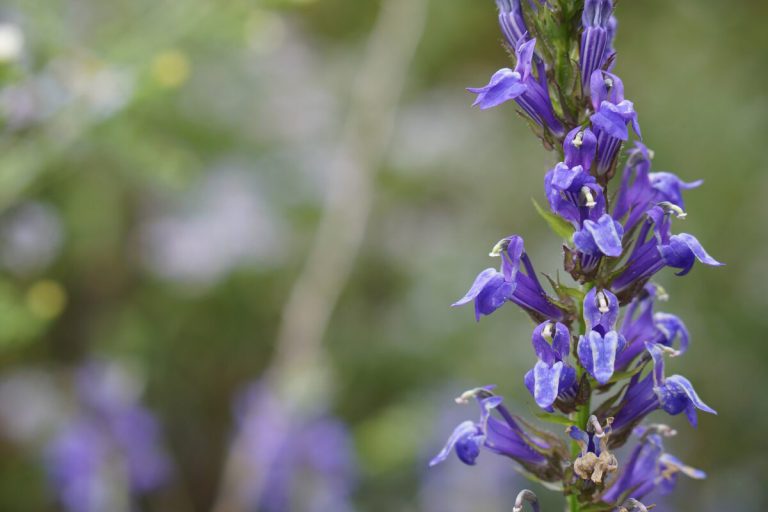
The Great Blue Lobelia is a clump-forming perennial which grows large spikes featuring bright blue tubular flowers. The showy flowers form an elongated cluster on a leafy stem. This blue counterpart of the Cardinal Flower is the most desirable plant for woodland gardens since the blue flowers offer a welcome contrast to the yellows and…
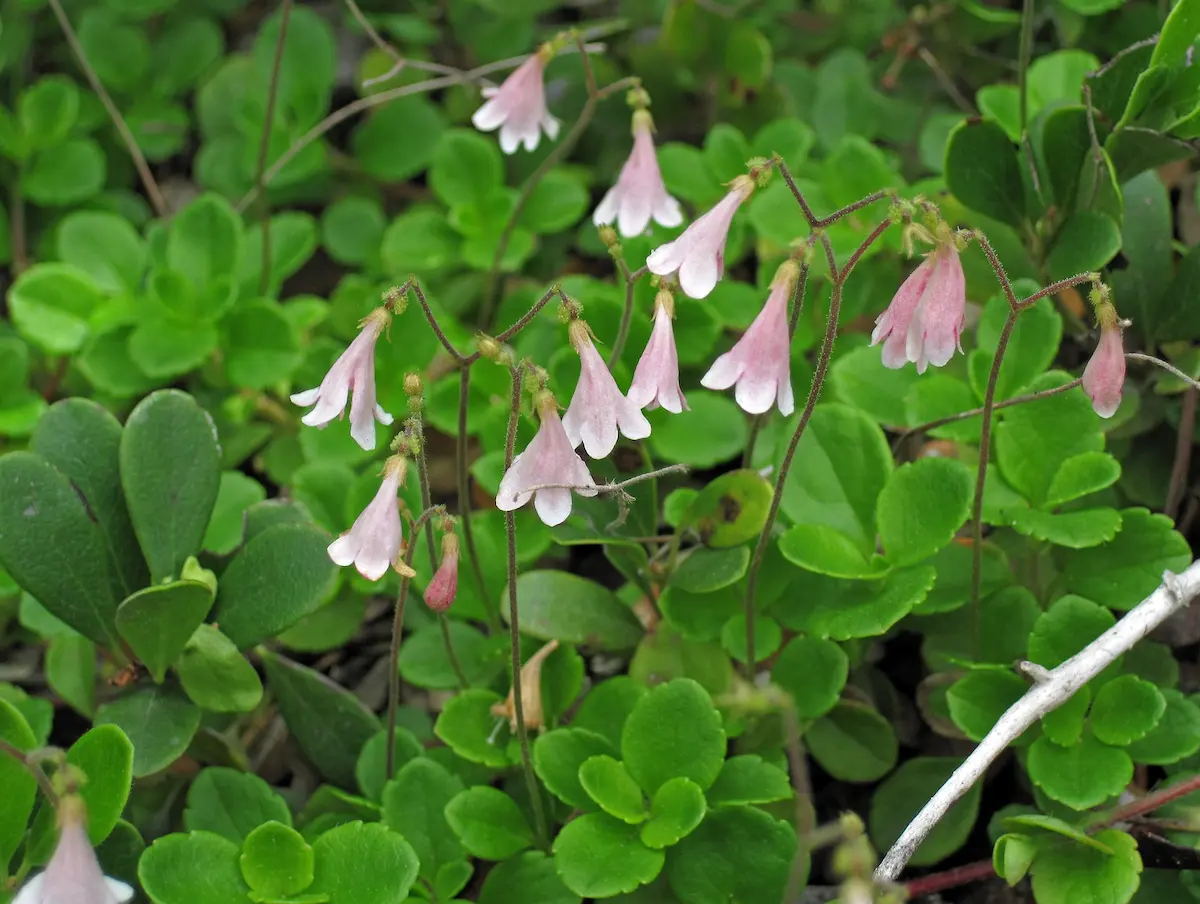
Twin flower is a charming evergreen creeping vine that forms large mats in moist, shady woods. Its sweet-smelling blooms attract bees. After the flowers have faded, the plant’s evergreen leaves remain beneath the snow all winter. The Twin flower (Linnaea borealis) is a plant found throughout the northern hemisphere in circumboreal habitats. It occurs across…
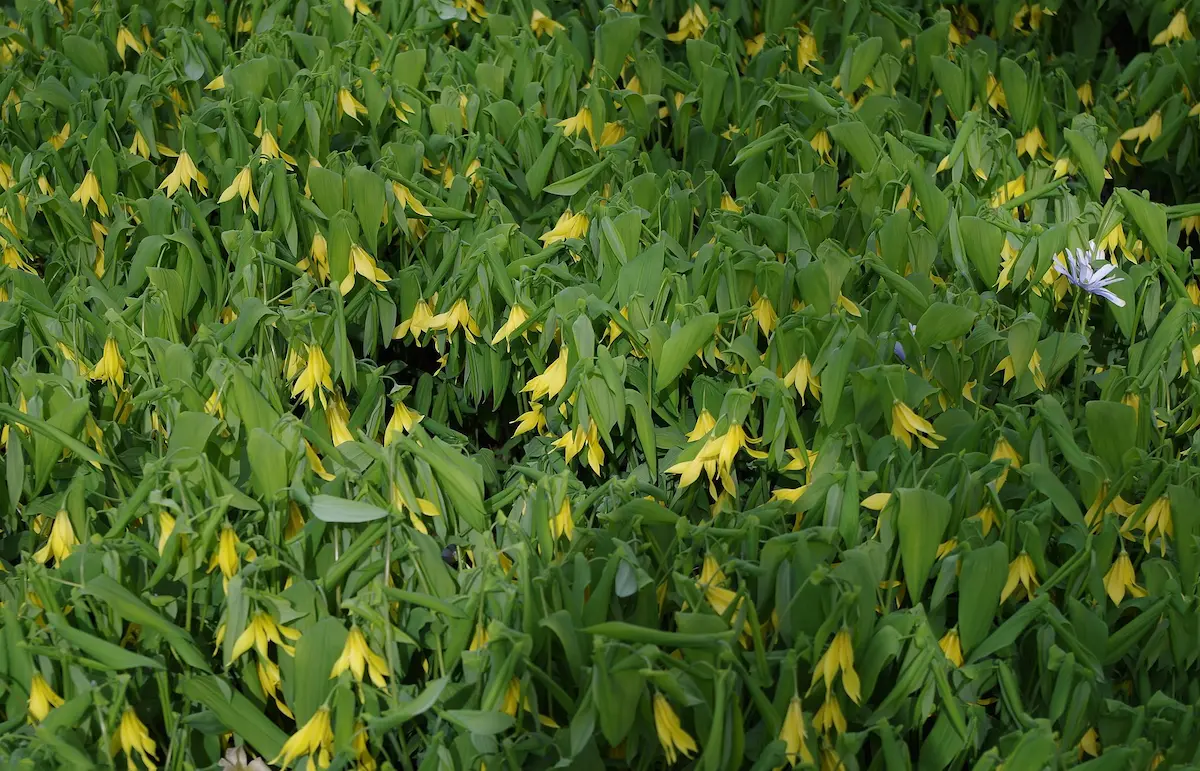
Bellwort is an excellent early-blooming native shade plant for the woodland garden, shaded border, wildflower garden, or naturalized area. It spreads slowly by rhizomes, so you can achieve a mass planting look under shade trees or along wood margins in a relatively short amount of time. Bellwort is easily grown in average, well-drained soil in…
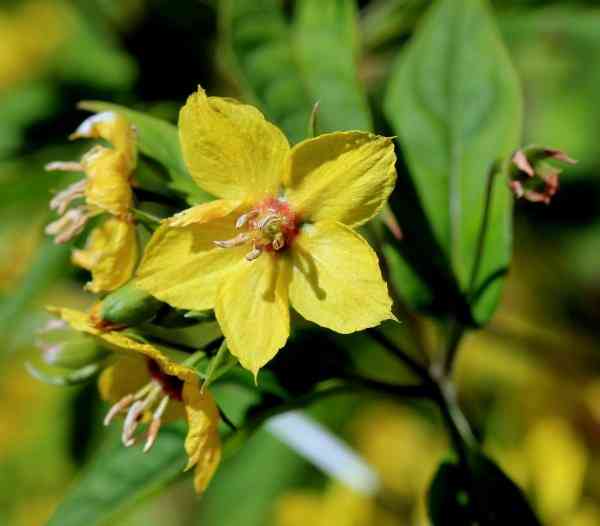
Yellow Loosestrife, a vibrant wildflower, thrives in moist to wet conditions, both seasonal and persistent. It also flourishes in loamy, rich soils. Its striking, showy blooms and deep, rich maroon fall foliage make it a captivating addition to any landscape. It can quickly expand as a ground cover with a striking visual impact. Where to…
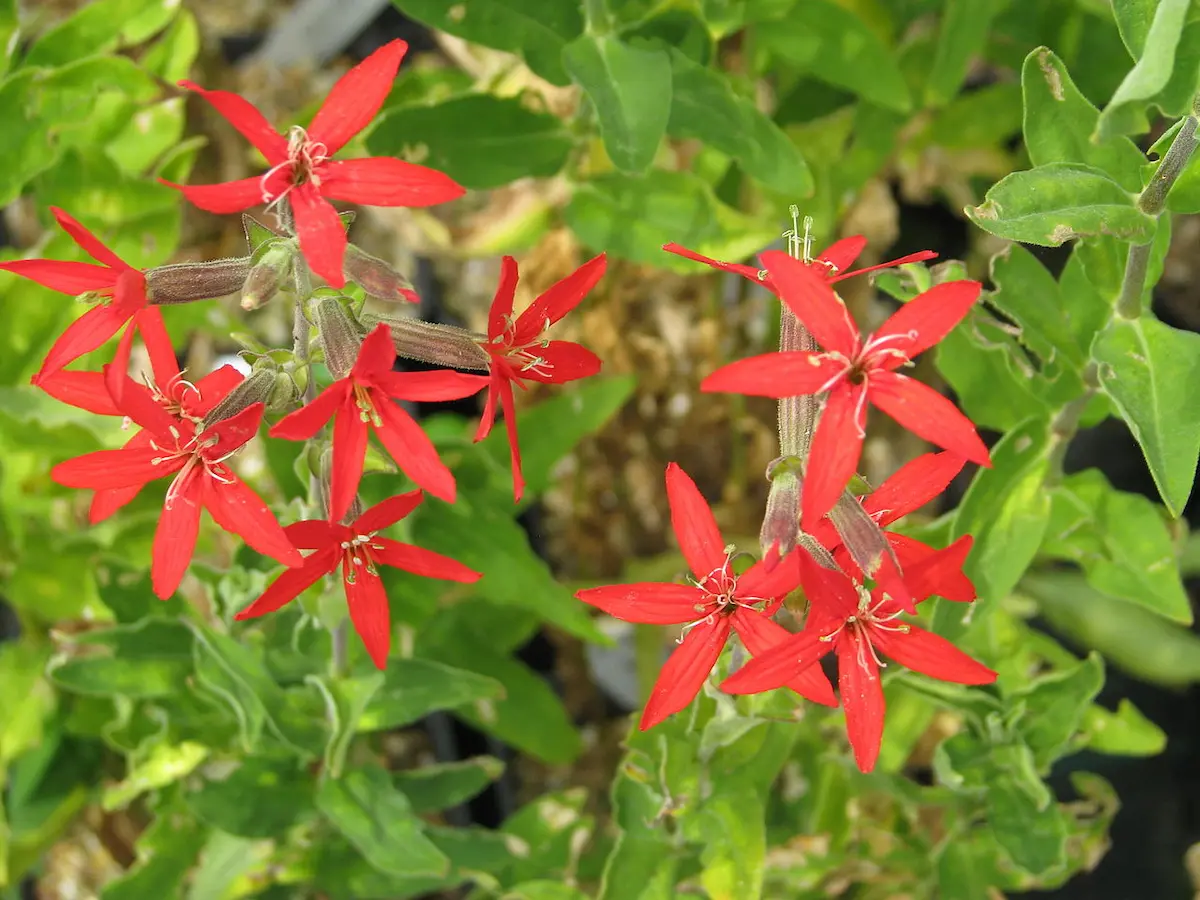
Royal Catchfly has showy, brilliant red flowers that attract hummingbirds and butterflies such as the Black Swallowtail. It is ideal for butterfly gardens, open woods, rocky soils, borders, and prairies. It gets its name from the sticky calyx on its leaves, which can trap or catch small insects; but It seems its main purpose is…
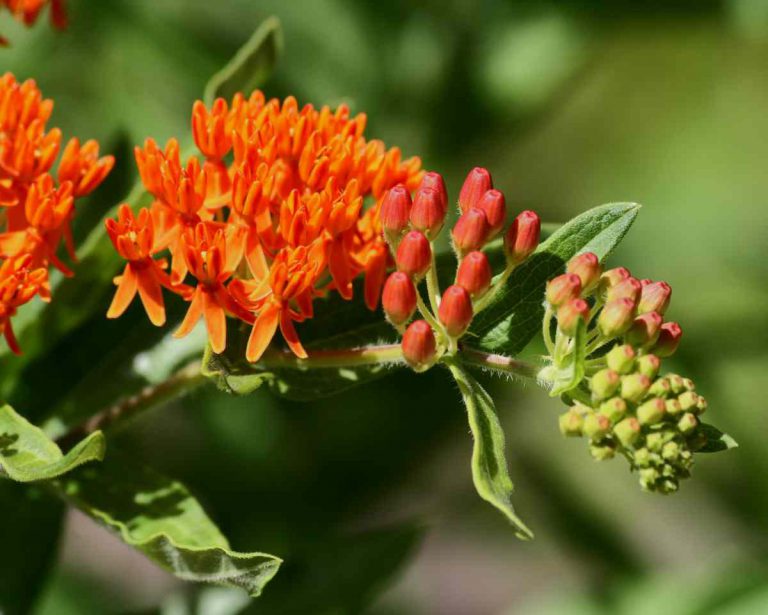
Butterfly Milkweed is valued for its magnificent clusters of bright orange to yellow-orange blooms that bloom all summer. They tend to be a great additon to many gardens. The lush vegetation creates a dark green backdrop that enhances the colourful blooms. This plant is a well-known choice for all sorts of gardens due to its…
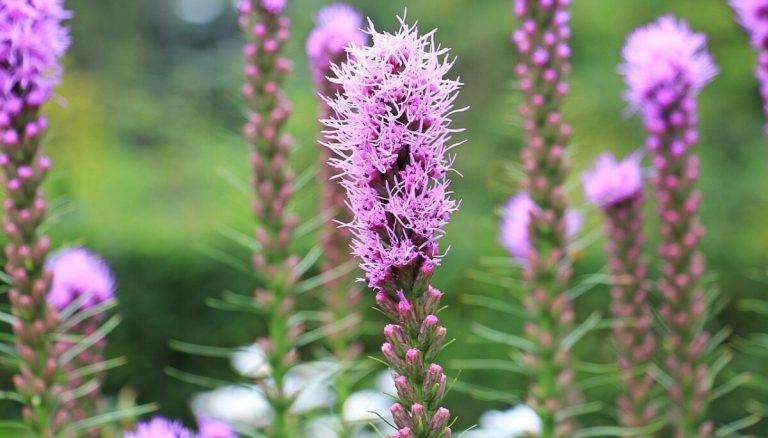
Dense Blazing Star, Liatris spicata, has long-lasting purple wands of packed blooms that face all directions and bloom from the top of the stem down from midsummer to fall. The blooms resemble feather boas held upright on numerous spikes per plant. Although it lacks smell, Dense Blazing Star will please your other senses: the purple…
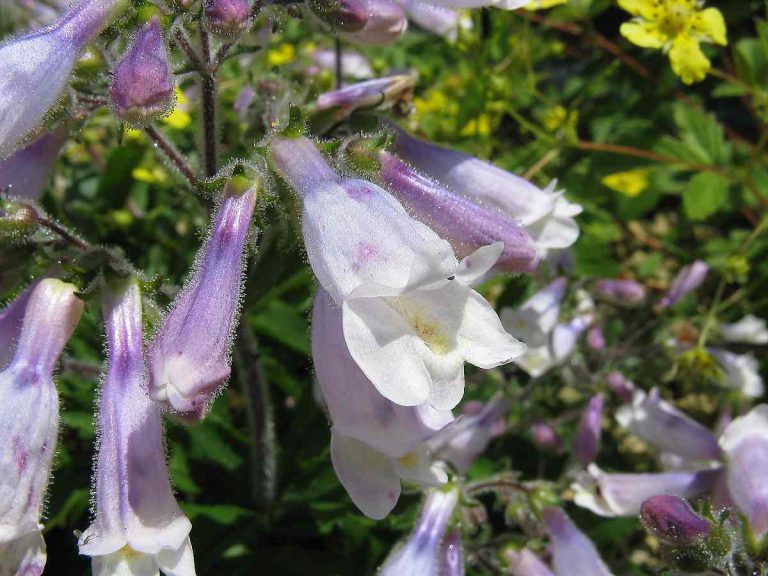
The Hairy Beardtongue possesses many beneficial characteristics. It is, for example, small and controllable, does not compete or spread widely, has attractive and delicate blooms, and is tough (meaning it is hard to kill). It is a larval host for the Baltimore Checkerspot Butterfly and is an excellent choice for a butterfly garden or many…
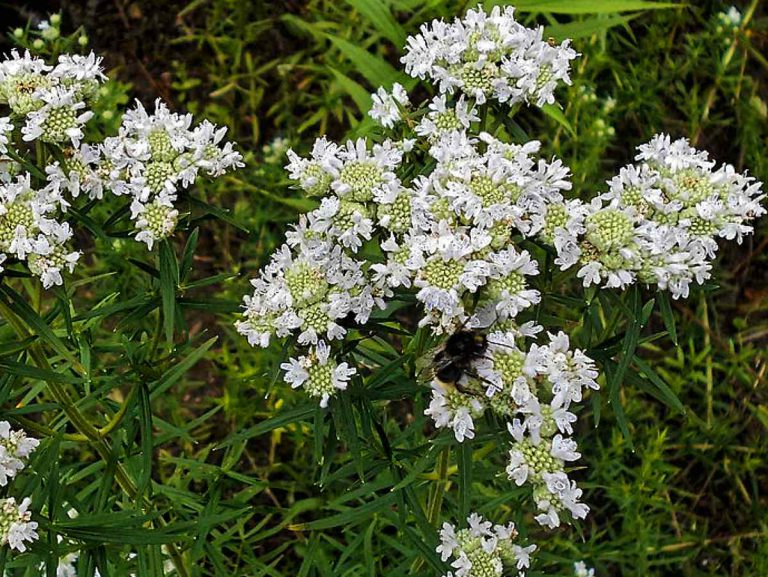
Virginia Mountain Mint is a vigorous and long-lasting plant that is ideal for meadows, wildlife gardens, and woodland edges where it can roam freely. When crushed, the leaves emit a strong odour, and the flowers and leaves have numerous applications in Native American herbal medicine. A fantastic choice for a pollinator garden.
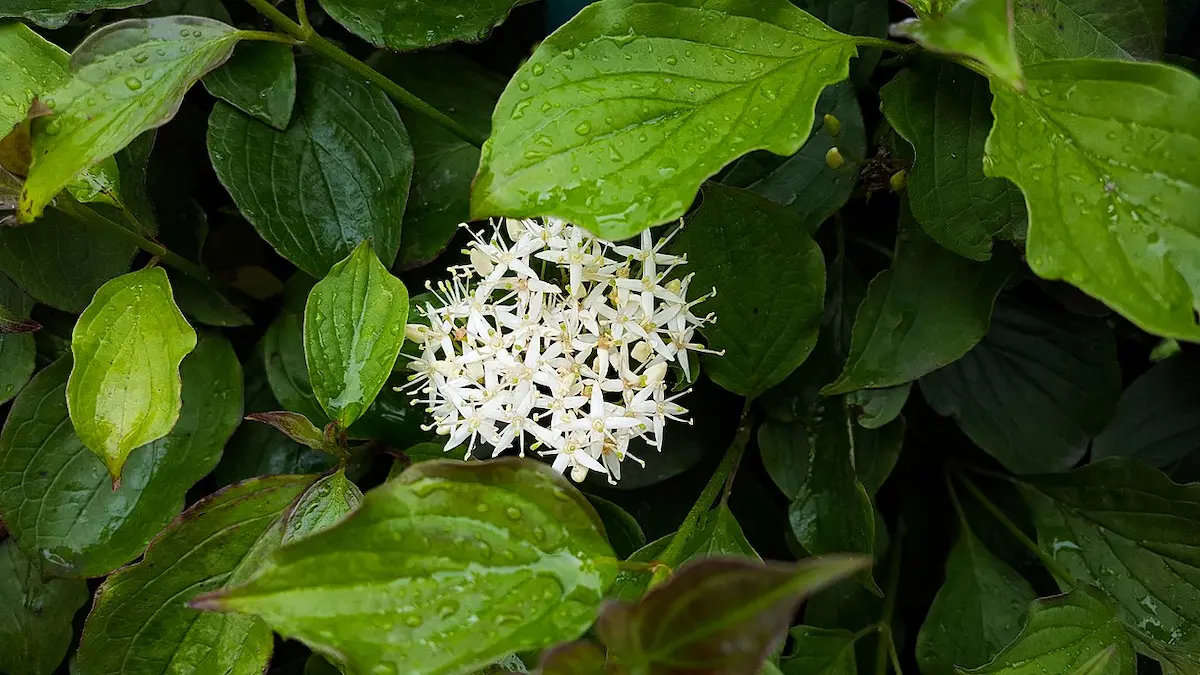
Grey dogwood is a hardy, low-maintenance shrub that provides subdued beauty all year round. Around June, white flower panicles enliven the surroundings. In the late summer and early fall, white berries draw a large number of birds. And the gray bark is nicely contrasted by the reddish-pink fruit stems that survive into the winter. Dogwoods…
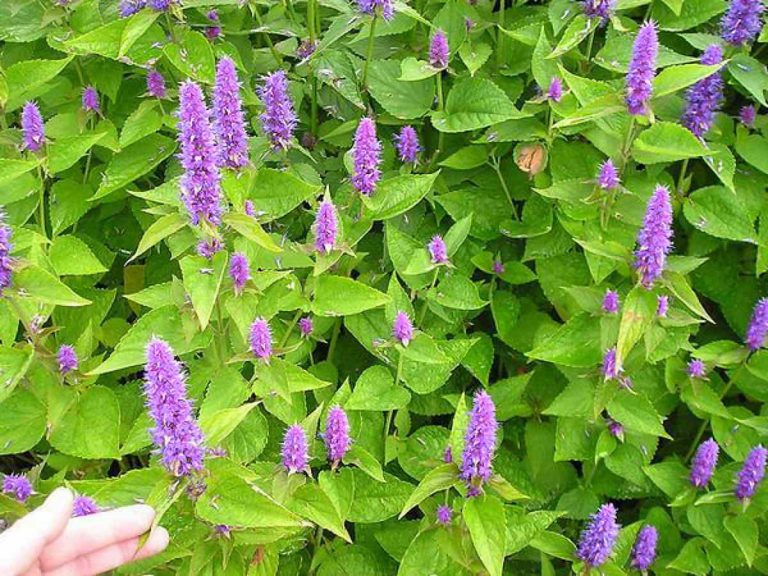
Anise Hyssop is simple to cultivate and care for in an ornamental or herb garden. Plants self-sow freely, but unwanted seedlings are easily removed. This plant belongs to the mint family (Lamiaceae), but its fragrant leaves smell like licorice, especially when you rub them, hence the name anise. Salad dressings, herbal tea mixes, and potpourri…
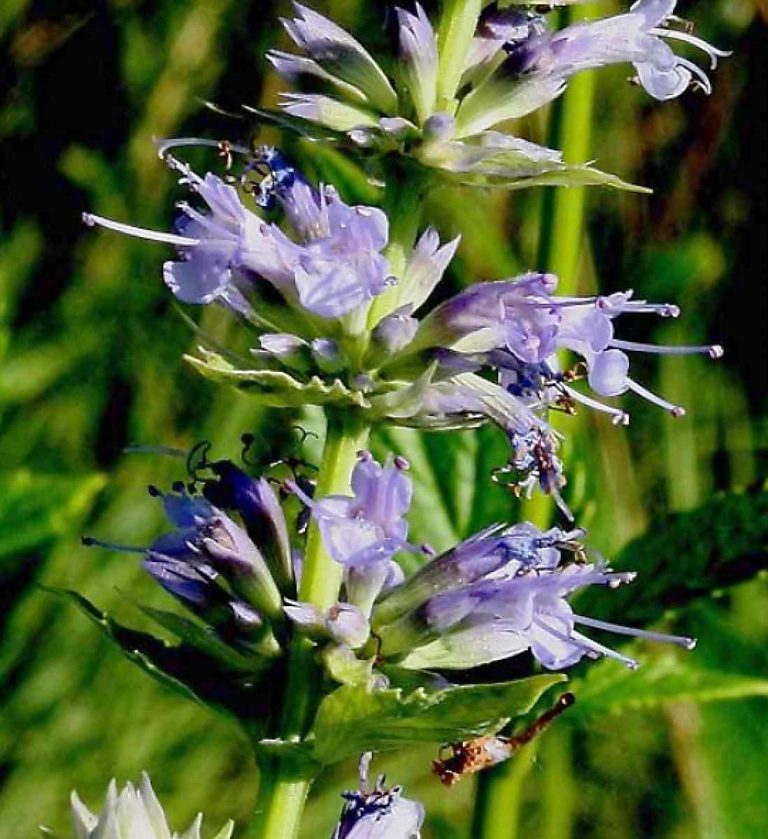
Purple Giant Hyssop sets soft plumes of the palest purple flowers that top out at 6 feet, soaring above most other plants in the garden. The individual blossoms open over a period of several weeks in the fall. From seed, it is easy to grow, but be mindful that the first blooms will typically appear…
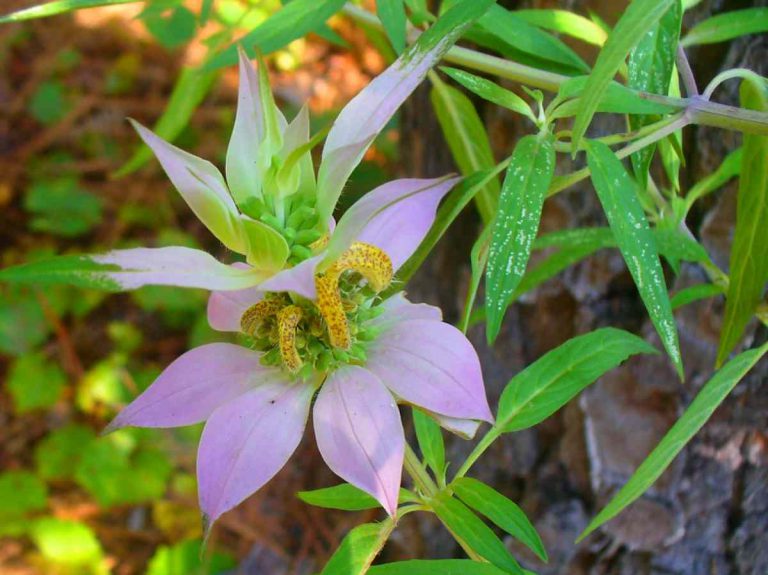
The Spotted Beebalm is an unusual beauty in form and colour, distinguished by its pagoda-like blossoms. It has eye-catching clusters of creamy purple-spotted tubular blooms sitting on pink, lavender, or ivory bracts. Flowering starts in mid-summer and continues into the fall. Spotted Beebalm, a member of the mint family, has a sweet and pleasant scent….
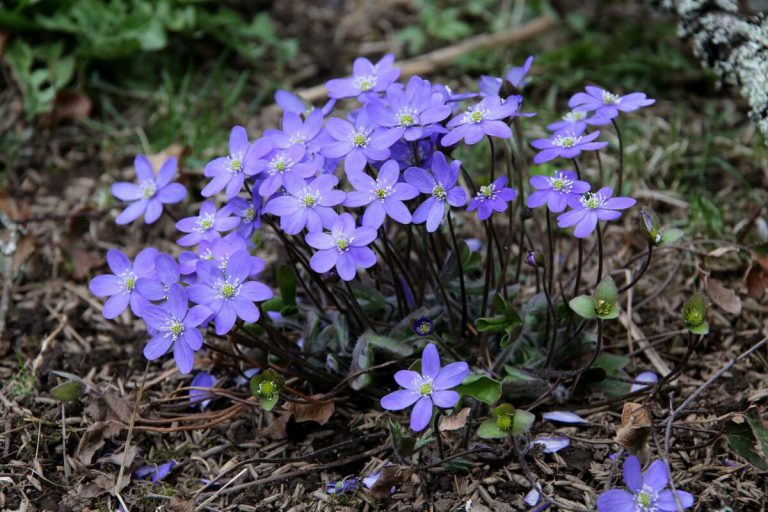
Hepaticas are among the first flowers to bloom in the spring. The flowers close at night and on cloudy days when pollinators are not likely to be flying. They are delicately attractive and have a tendency to blow about on their slender stems in the wind. Heptica leaves are known as basal leaves, which means…
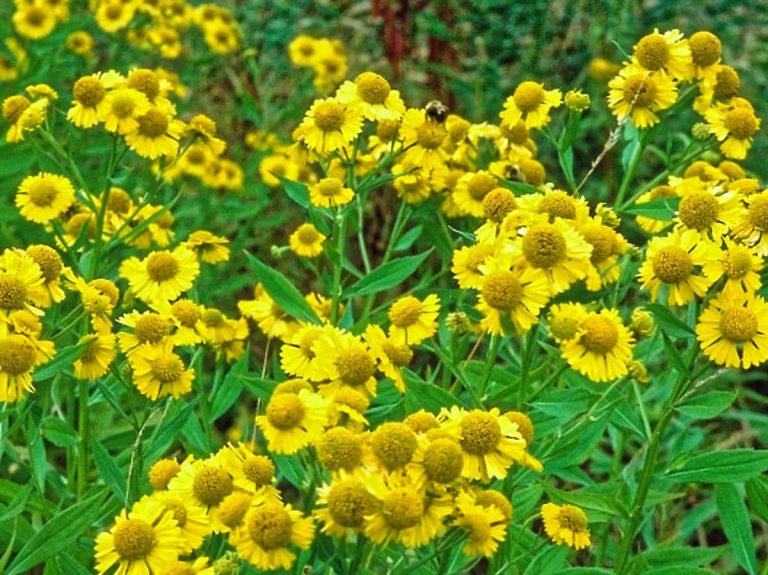
Common Sneezeweed looks gorgeous when planted en masse and mixes wonderfully with decorative grasses or other perennial plants. It has daisy-like blooms that often attract bees and butterflies. Their blooms have characteristic wedge-shaped, brilliant yellow rays and conspicuous, dome-like, yellow centre discs. The three-lobed petals of all sneezeweeds differentiate them from Rudbeckia and other yellow…
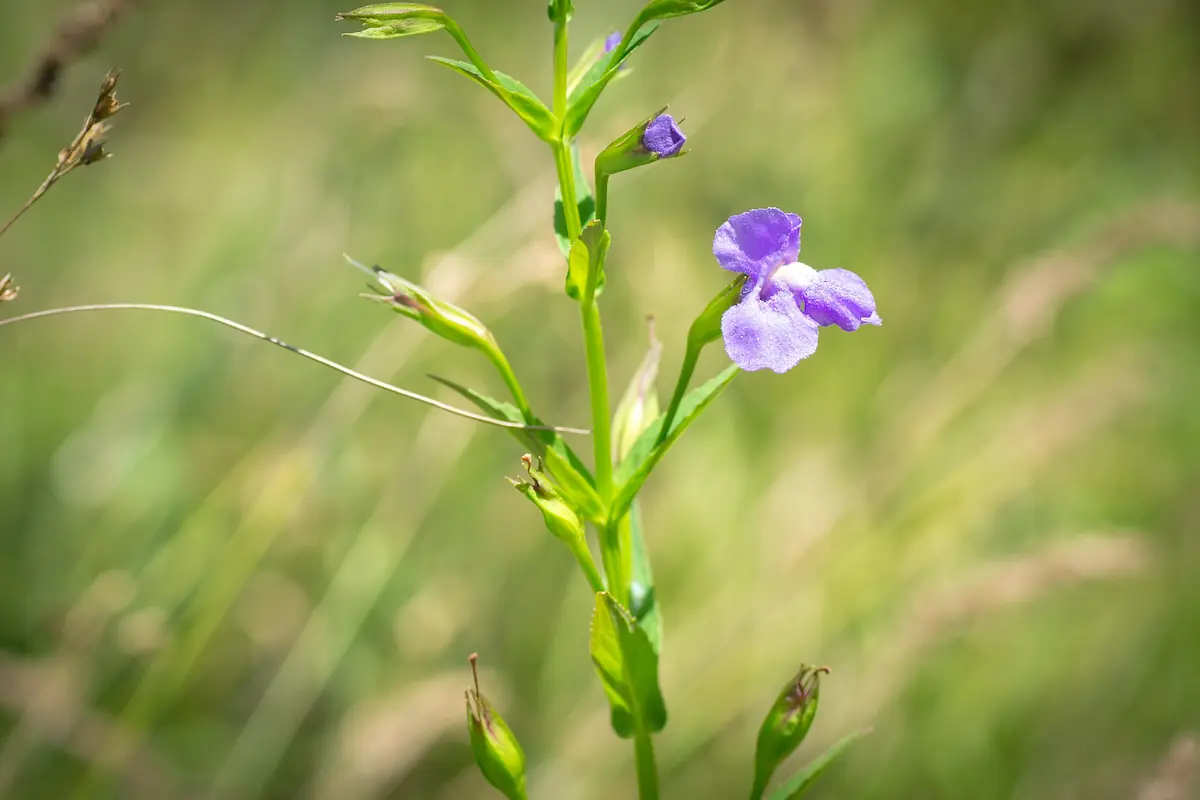
Named monkeyflower after the apparent resemblance the blooms have to a monkey’s face, the Square-Stemmed Monkeyflower bears asymmetrical, tubular violet or pink flowers which bloom nearly continuously over a long season from early summer to fall. The flowers contrast nicely with the bright green leaves; both the foliage and the flowers of this plant are…
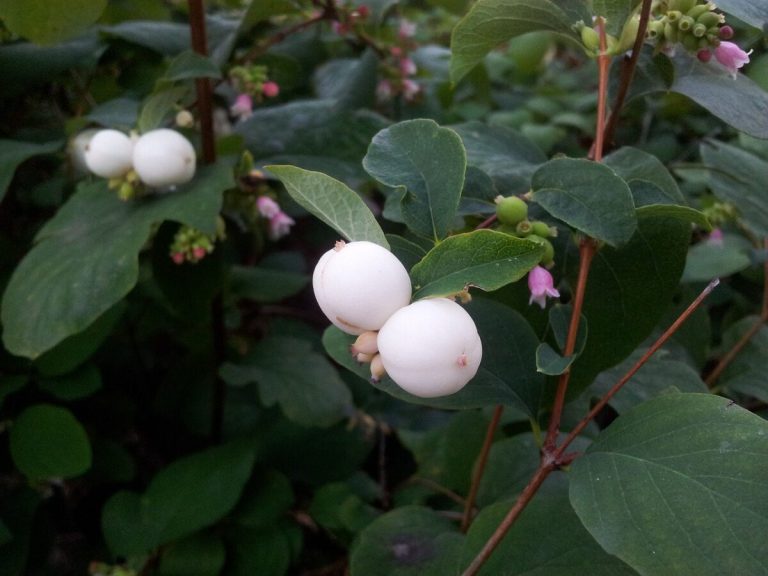
The Snowberry is a great addition to many types of landscapes or gardens as an ornamental shrub, as it is easy to care for and very low maintenance. Native to North America, snowberry shrubs are sometimes known as waxberry or ghostberry. Due to their deciduous nature, they shed their leaves in the winter season like…
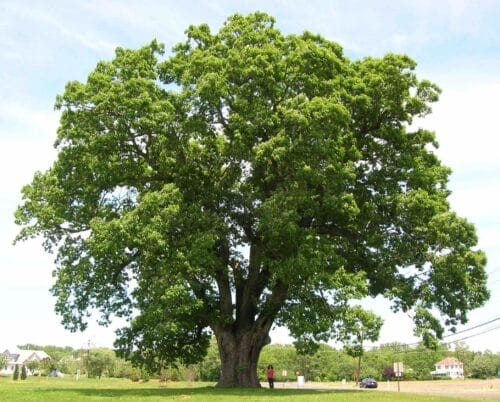
The White Oak has been an important tree in North American society over the centuries. It can live for several hundred years and starts producing acorns at around 50-100 years old, which are eaten by many types of wildlife. Its wood is used in many ways, including wine and whiskey barrel production due to its…
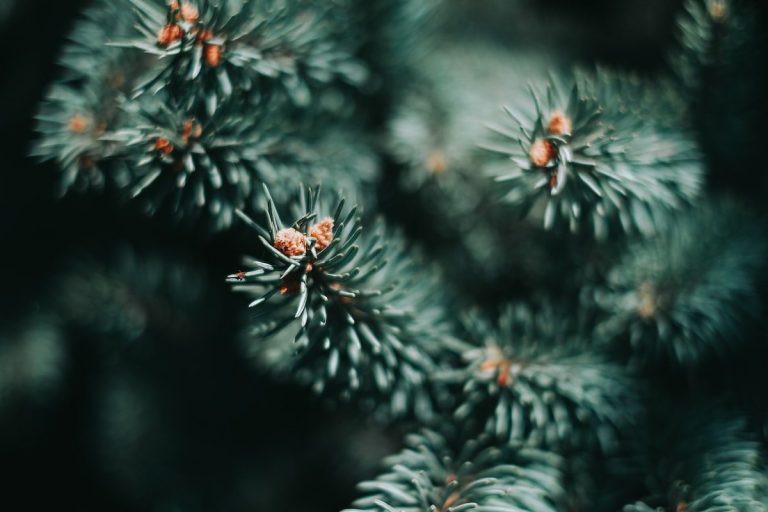
If you love seeing wildlife, the white spruce provides nesting sites and shelter as well as food for many kinds of wildlife. Birds and ducks prefer the seeds. Leaves are eaten by rabbits and deer. Red squirrels eat the seeds from the pinecones, and the spruce shoots. The bark is enjoyed by both porcupines and…
End of content
End of content
GardeningCalendar.ca gets some funding from advertisers. If you click on links and advertisements at no cost to you, the site may receive a small commission that helps fund its operation.
© 2026 J&S Calendars Ltd.