
Royal Catchfly has showy, brilliant red flowers that attract hummingbirds and butterflies such as the Black Swallowtail. It is ideal for butterfly gardens, open woods, rocky soils, borders, and prairies. It gets its name from the sticky calyx on its leaves, which can trap or catch small insects; but It seems its main purpose is to deter ants from climbing to the flower to steal nectar.
A rare plant native to the United States’ Midwest, it will adapt to hardiness zone 5 environments. It blooms in late August, and deadheading will extend the plant’s blooming period.
Quick Growing Guide
Botanical Name: Silene regia
En français: Silène regia
Colour:
Blooms:
Sun / Shade:
Water: Do not let the seeds get dry
Height:
Pollinators:
Care
Keep young royal catchfly plants moist. Stems emerge from a perennial crown that sits atop a deep taproot. As with literally all plants with a deep tap root, Silene regia is drought tolerant. If you water the plant, water it deeply to reach the crown and tap root. There may be several rosettes and shoots as the crown grows in size, but Royal Catchfly does not produce horizontal rhizomes.
Propagation
You can propagate royal catchfly by dividing the crown and transplant it in March. You will have more success by dividing mature plants which have crowns with a number of rosettes and shoots.
It is easliy propagated by seed. If you obtain seeds, do not allow them to dry out.
Comments

More From Gardening Calendar
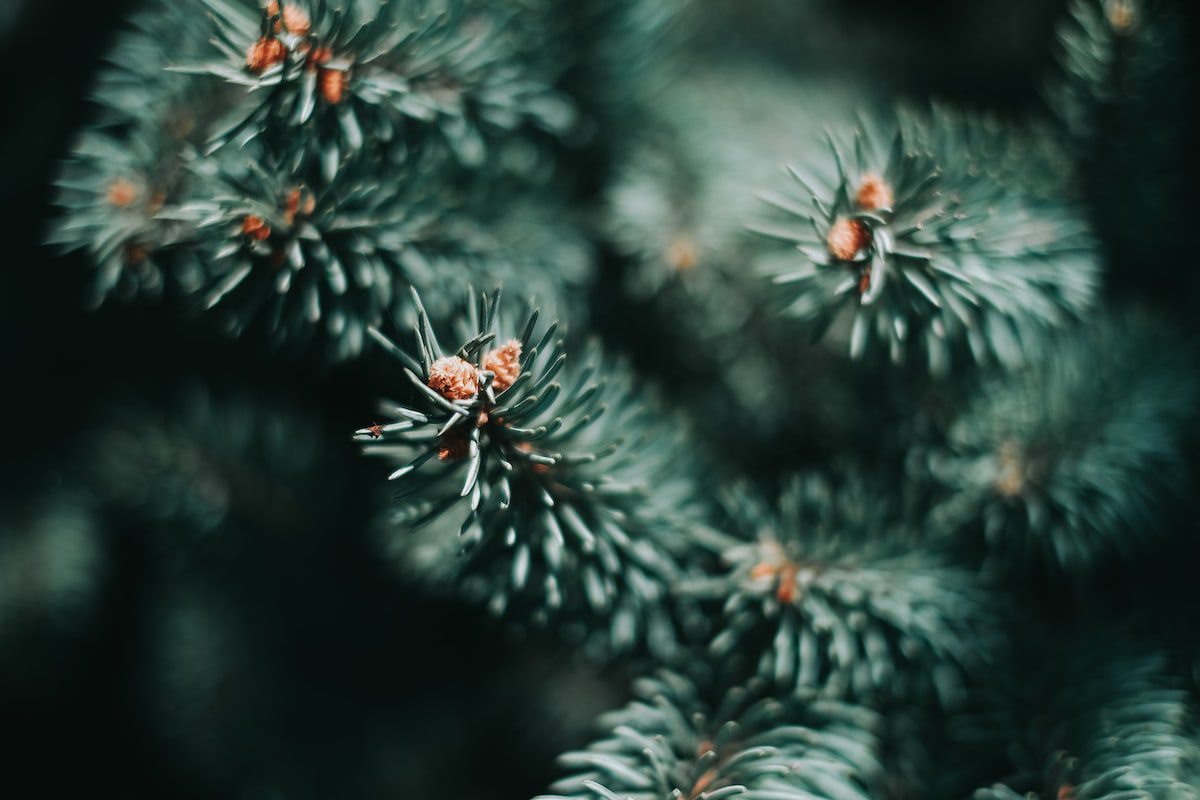
White Spruce
White spruce provides nesting sites, shelter, as well as food for many kinds of wildlife. If you love seeing wildlife, its a good choice.
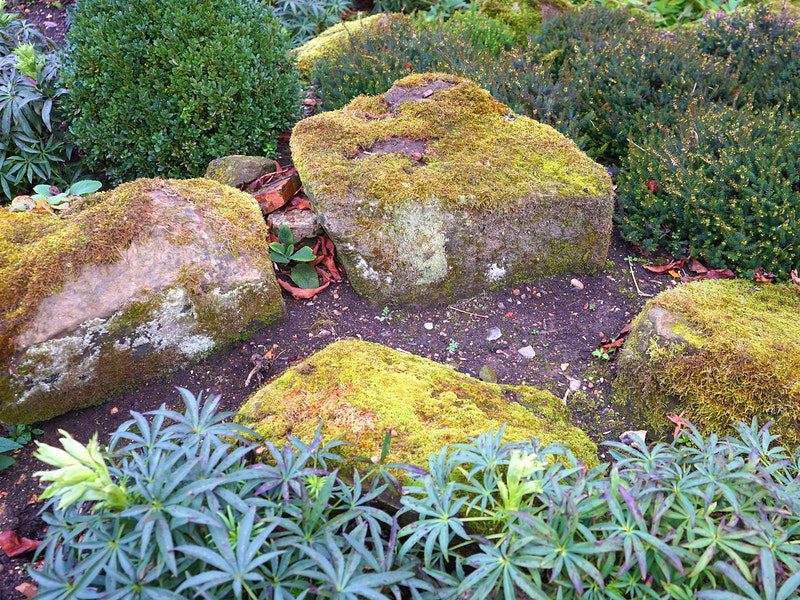
Low Maintenance Landscaping Ideas for the New Gardener
Focus your energy on new skills if your landscaping demands too much of your time. Embrace some low-maintenance landscaping principles.
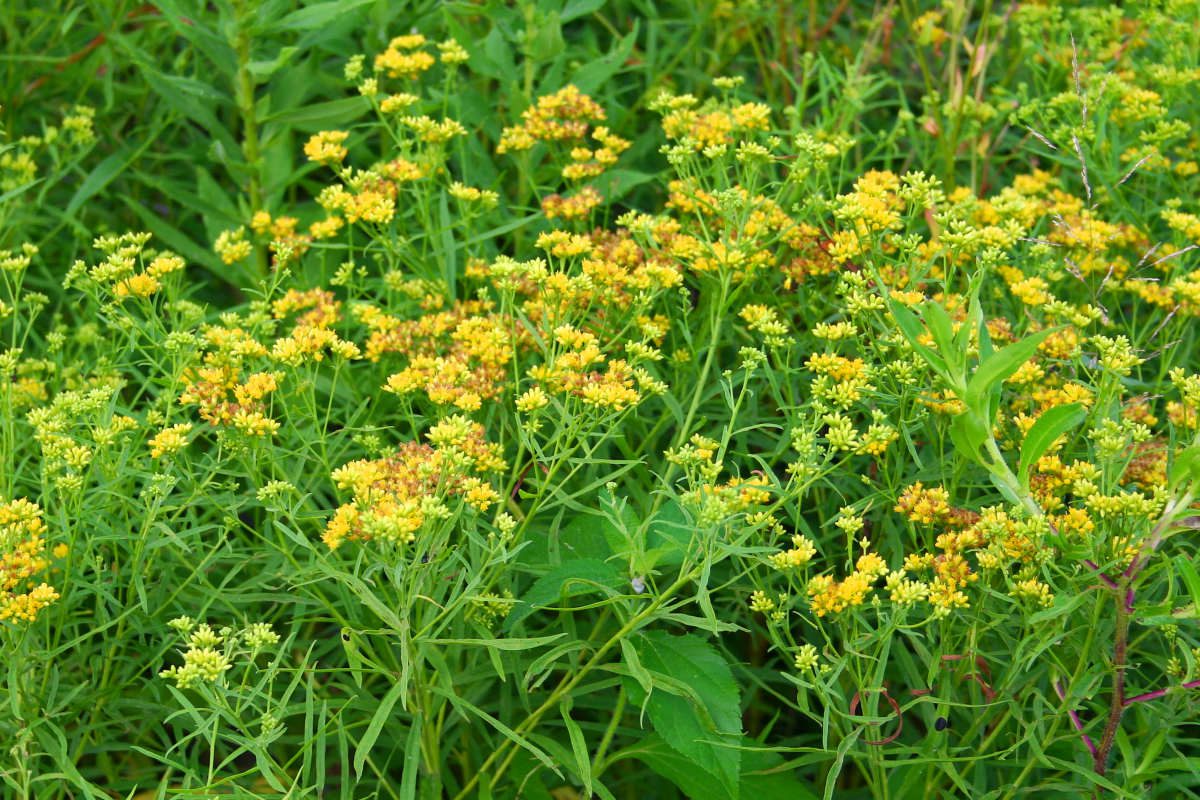
Grass Leaved Goldenrod Adds Colour
Grass-Leaved Goldenrod is a colourful upright perennial. The bright yellow plants are suitable for cottage gardens, borders, and meadows.

8 "Nos" for The Vegetable Garden
Learn the 5 most common mistakes gardeners make & how to avoid them; from over fertilizing to over watering. Get guidance on why to avoid synthetic fertilizers, how best to amend soil, & more!
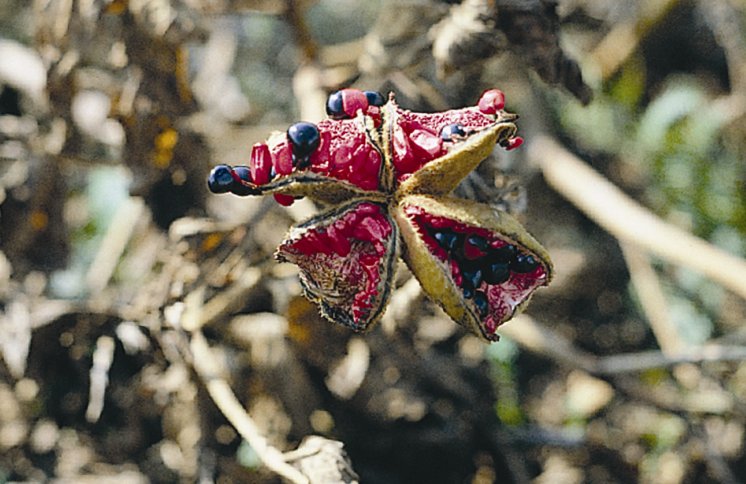
How to Collect Seeds from Flowers
Learn how to collect seeds and establish a self-sufficient pollinator garden with tips from our horticultural society. Explore the beauty of autumn colors and get inspired for the upcoming season.

Water Wise Gardening
Discover the importance of saving water, from graduated water bills to sustainable gardening practices like rainwater harvesting and runoff prevention in Ottawa.
Leave a Reply
You must be logged in to post a comment.