
Black Ash Tree
Photo:
Herman, D.E., et al. 1996. North Dakota tree handbook. USDA NRCS ND State Soil Conservation Committee; NDSU Extension and Western Area Power Administration, Bismarck. Courtesy of ND State Soil Conservation Committee. Provided by USDA NRCS ND State Office. United States, ND., Public domain, via Wikimedia Commons
Black ash has a large natural area in the United States and Canada. It is one among the last trees to leaf out in the spring and among the first to turn yellow and drop leaves in the autumn. These trees thrive in damp environments and are typically found in northern marshy forests.
The Emerald ash borer is threatening black ash throughout its range. This tree species is presently listed as endangered in Ontario. Read the recovery strategy to learn more about how we are protecting the black ash.
Quick Growing Guide
Botanical Name: Fraxinus nigra
Botanical Family: Oleaceae
Also Called: Swamp ash, hoop ash, basket ash
Propagation Method
- From Seed
Natural Range
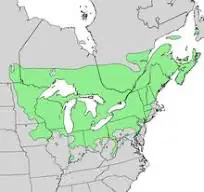
Black ash grows from western Newfoundland to southeastern Manitoba and eastern North Dakota; south to Iowa; east to southern Indiana, Ohio, and West Virginia; and north from northern Virginia to Delaware and New Jersey.
Comments

More From Gardening Calendar
Magnesium Deficiency In Plants
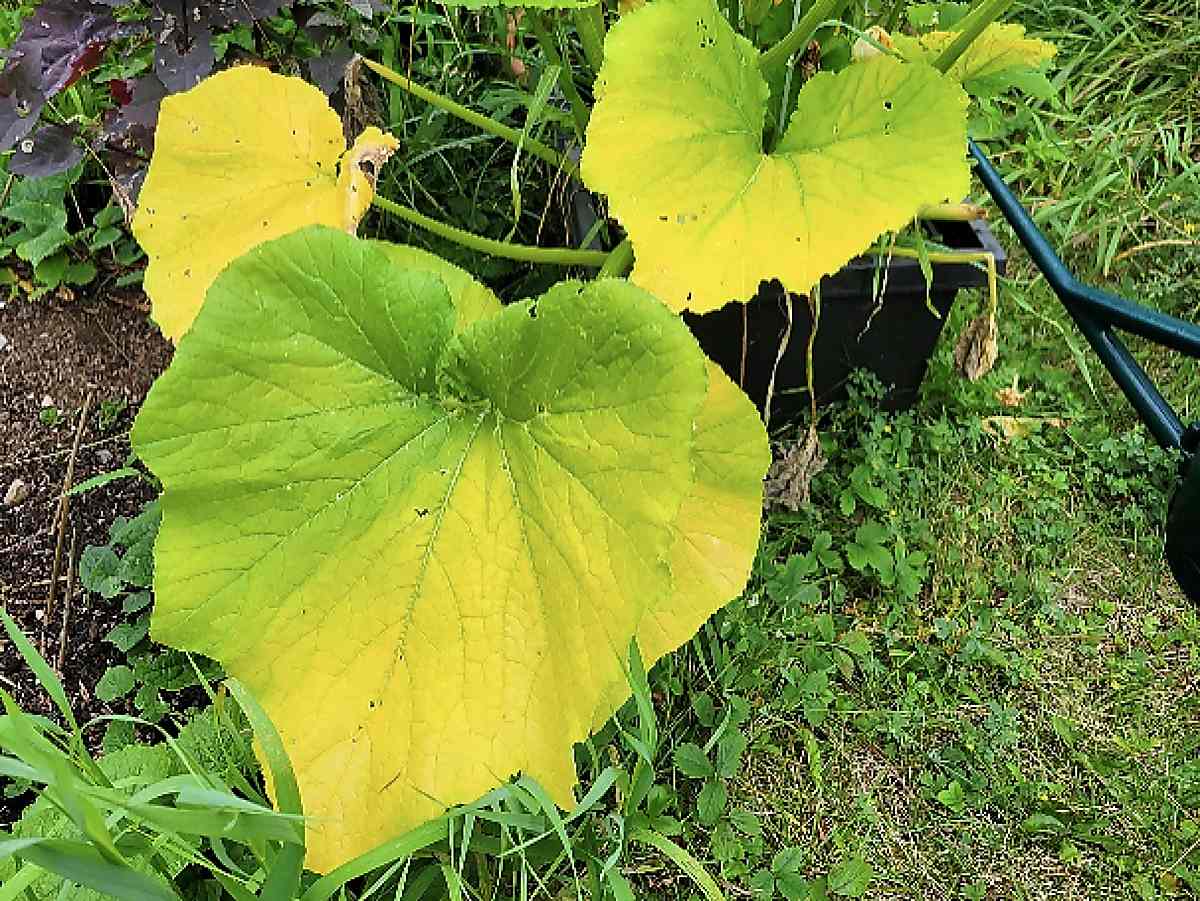
Magnesium deficiency in plants can be identified most commonly by yellowing leaves while the veins remain green.
Renovating Your Garden on a Budget
Uncover useful tips and tricks on how to transform your outdoor space into a peaceful garden on a budget! Learn how to create a tranquil haven, plan your budget, and get inspired with expert advice from Jooble.
Canada Anemone Flower
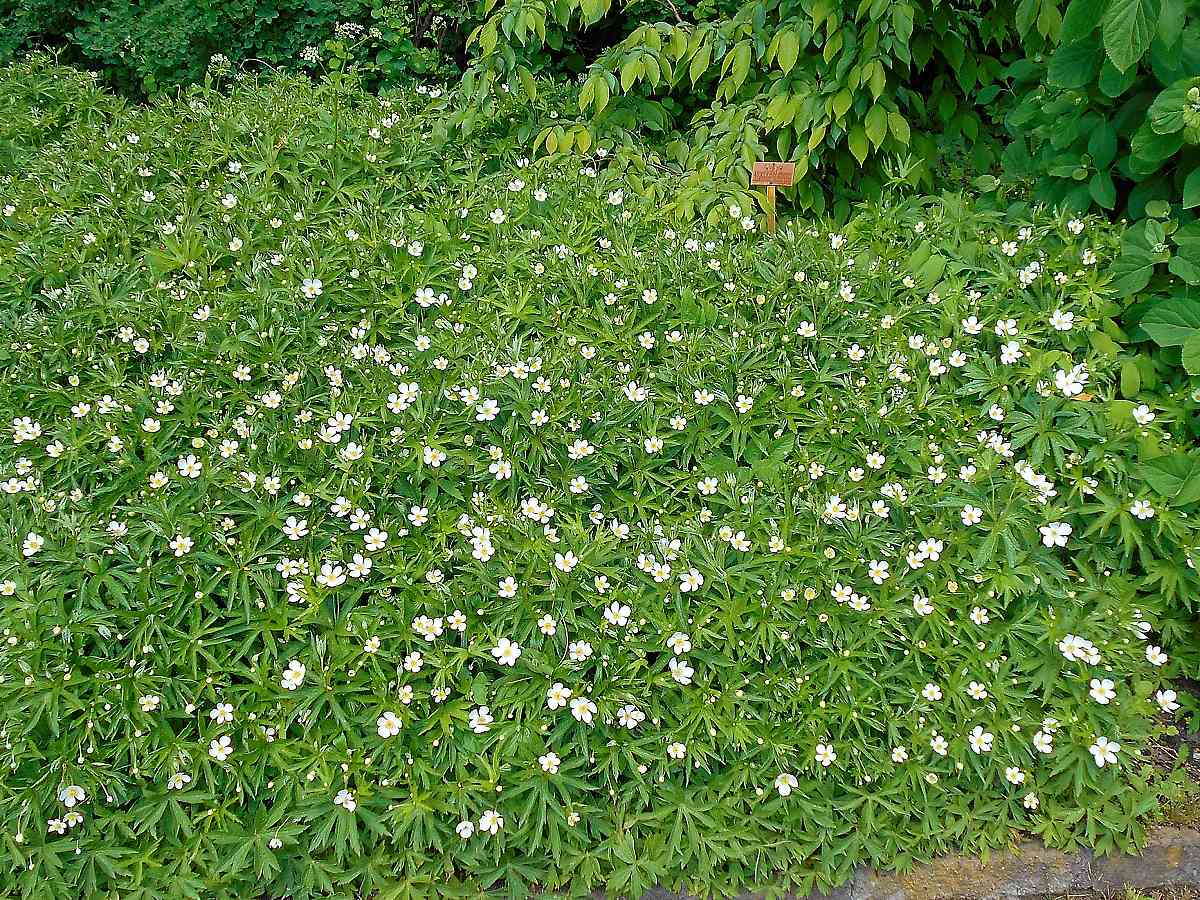
The Canada anemone flower is an easy to maintain, dependable and hardy perennial ground cover that produces lovely white buttercup flowers.
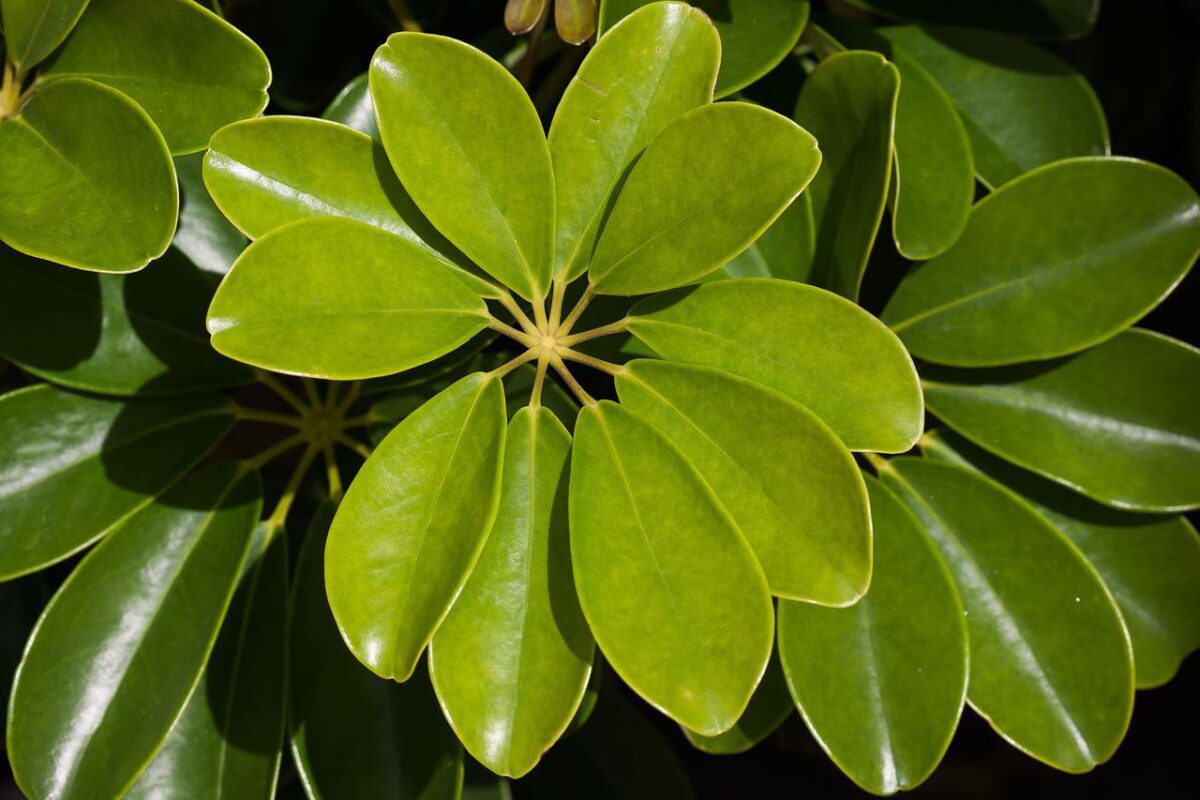
Care For Schefflera Arboricola – Dwarf Umbrella Tree
Schefflera makes a wonderful tropical houseplant. They are attractive and easy to care for. They are also good indoor air purifiers.
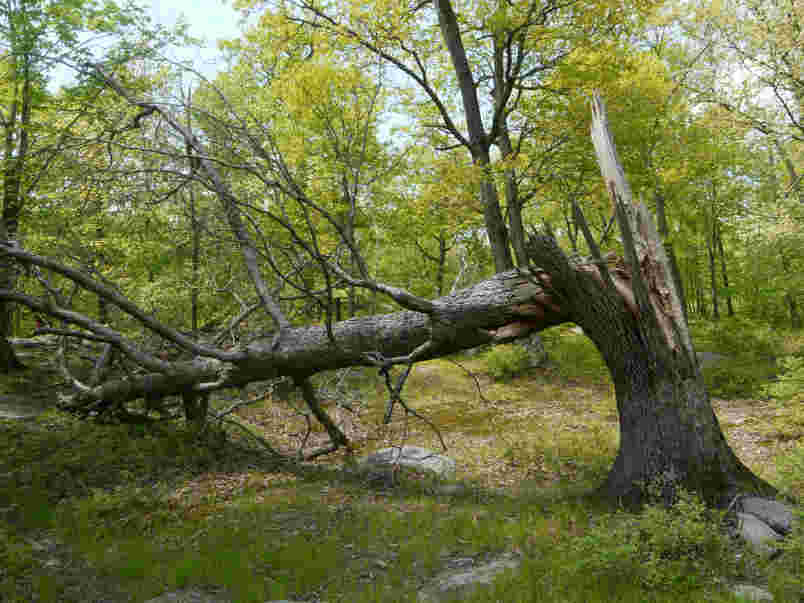
Are Your Trees in Danger of Falling?
If you have numerous garden trees in the backyard, it could be dangerous as they may fall down, causing a lot of damage. This article looks at tell-tale signs of whether yours are in danger of falling.
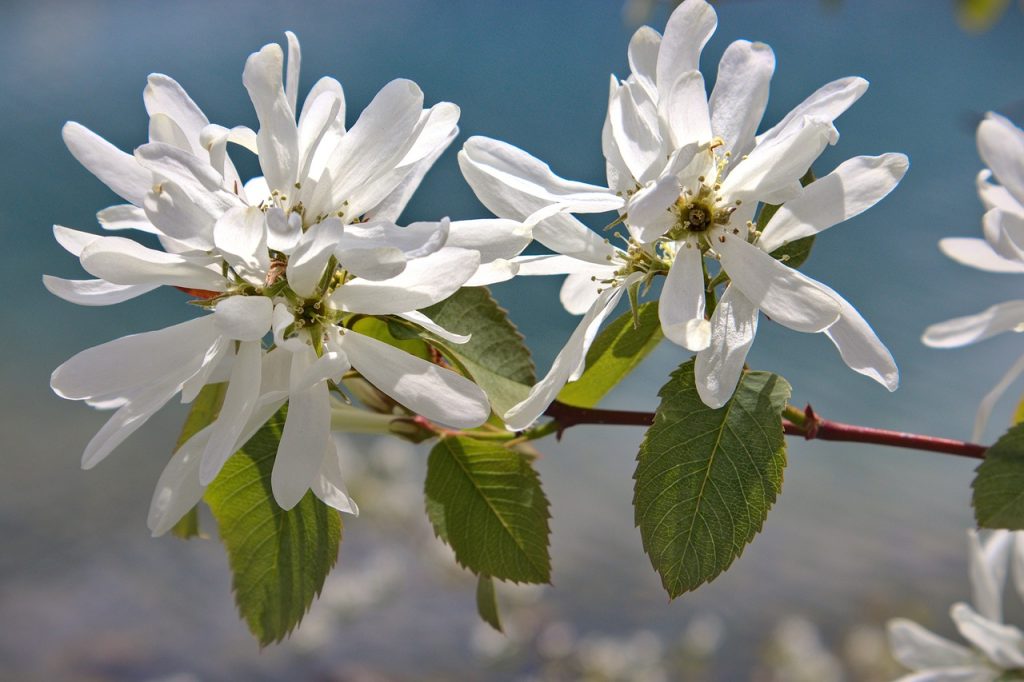

Canadian Serviceberry, an Important Food Source
Canadian Serviceberry’s stunning white spring flowers turn an outstanding orange in the fall. It’s blackberries are a valued source of food.
Leave a Reply
You must be logged in to post a comment.