Partners: Public Garden

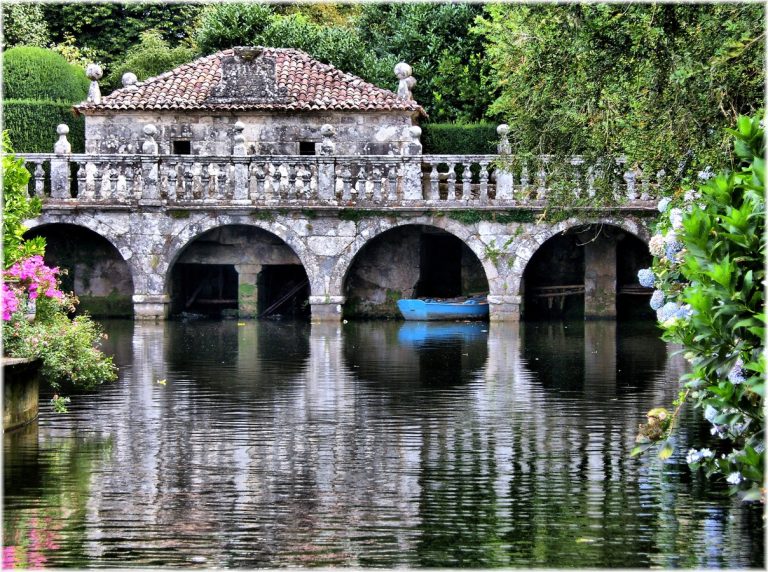
  • Pazo de Oca

    The Ducal House of Medinaceli Foundation is a private cultural institution established on the initiative of Her Grace Victoria Eugenia Fernández de Córdoba y Fernández de Henestrosa, the Duchess of Medinaceli, with the aim of conserving, restoring, reintegrating, studying, promoting and disseminating the historic assets, both tangible (immovable, movable and documentary) and intangible (traditions, cults, rituals.), that have come to be linked to the House over time. Initially endowed with the founder’ s historic heritage-which was donated at the time of its establishment-throughout its over twenty-five years of existence it has grown both through the acquisition of property with historical ties to the House of Medinaceli and through mergers with other foundations of which the Ducal House held the trusteeship. The Foundation currently manages historic and artistic property scattered across nearly all the Spanish regions.
  • Horta Labyrinth Park

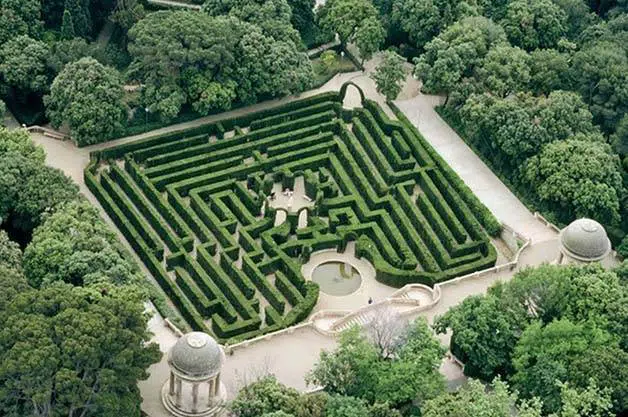
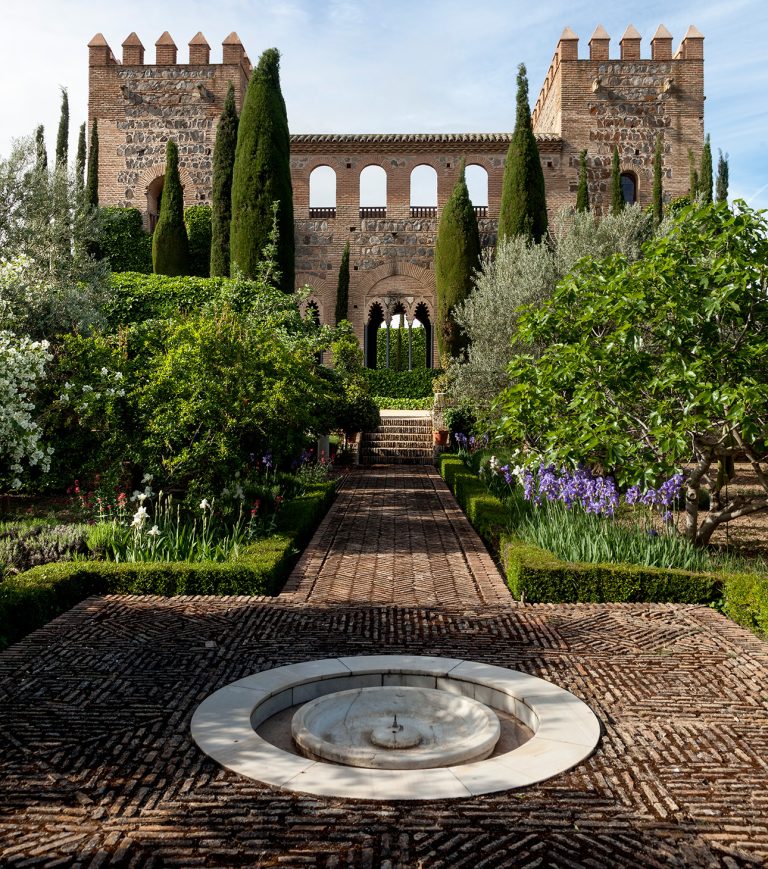
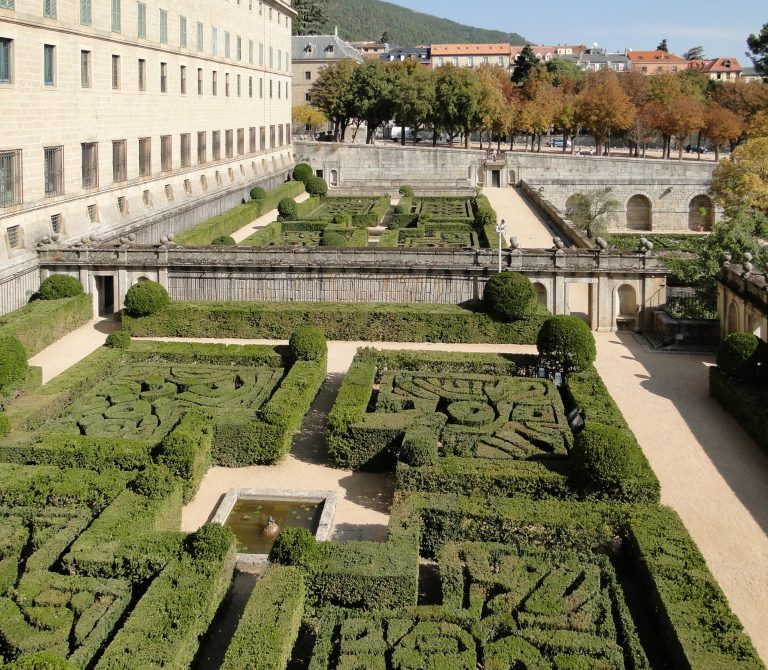
    All doubt is a labyrinth. Decisions, hypotheses, theories are ways to find solutions and each shortcut opens a new point of view. Think about that as you try to untangle the park’s vegetal maze of broad, tame cypress walls. If when you get to the center you can’t find the heart that the park stole from you, ask Eros where you can get it back. His sculpture is in the middle of the labyrinth. Again located in the world, let’s face the second challenge: Is it a neoclassical garden or a romantic garden?

  • Alfabia Gardens

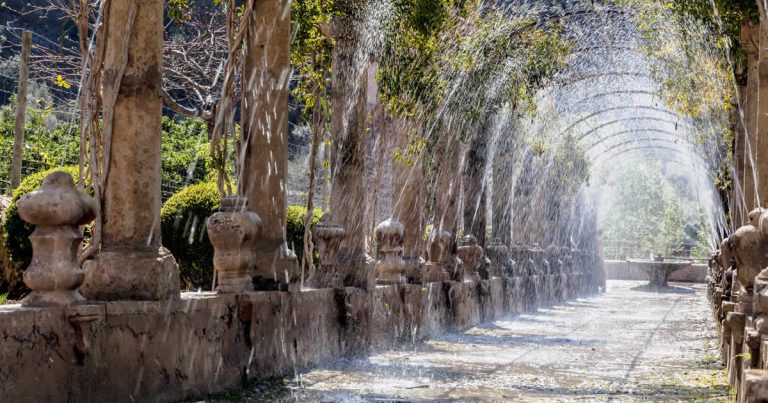
    Visiting the Alfabia Gardens in Majorca is one of the best cultural activities that can be done in the Balearic Islands. It is about wonderful gardens and a house that contain valuable historical elements. The gardens, wisely integrated into their natural environment, the variety of styles has not been an amalgamation, but rather a harmony that is difficult to achieve. In front of the main façade, the palm trees stand solemn and majestic, indifferent to the passage of time.

  • Albarda Garden

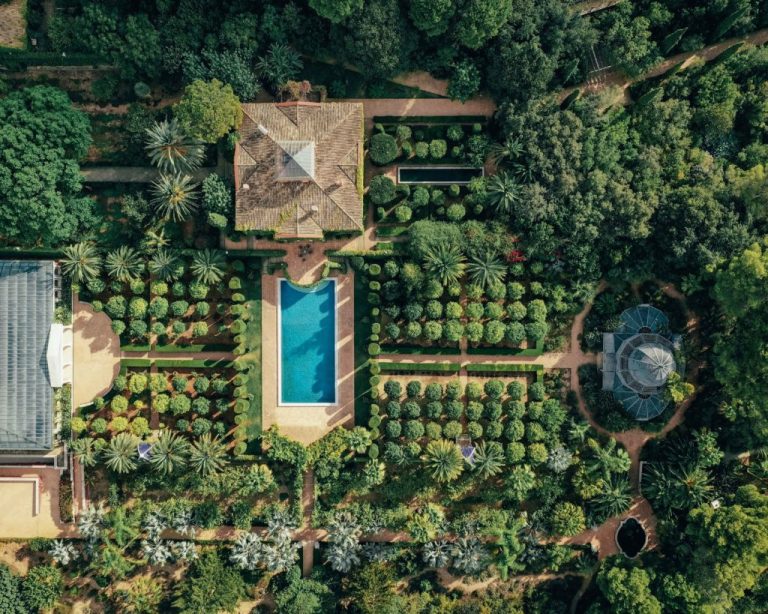
    In addition to its botanical biodiversity, L’Albarda has a formal garden, orchards and wild gardens. These recreate the ancient Renaissance gardens of Valencia which were widely influenced by Arab culture. As in Renaissance gardens, architectural features have a great importance in L’Albarda; visitors will be transported to ancient times as they wander the walkways, pergolas and areas of outstanding natural beauty. In addition to its botanical biodiversity, L’Albarda has a formal garden, orchards and wild gardens. These recreate the ancient Renaissance gardens of Valencia which were widely influenced by Arab culture. As in Renaissance gardens, architectural features have a great importance in L’Albarda; visitors will be transported to ancient times as they wander the walkways, pergolas and areas of outstanding natural beauty.

  • Palmeto di Elche

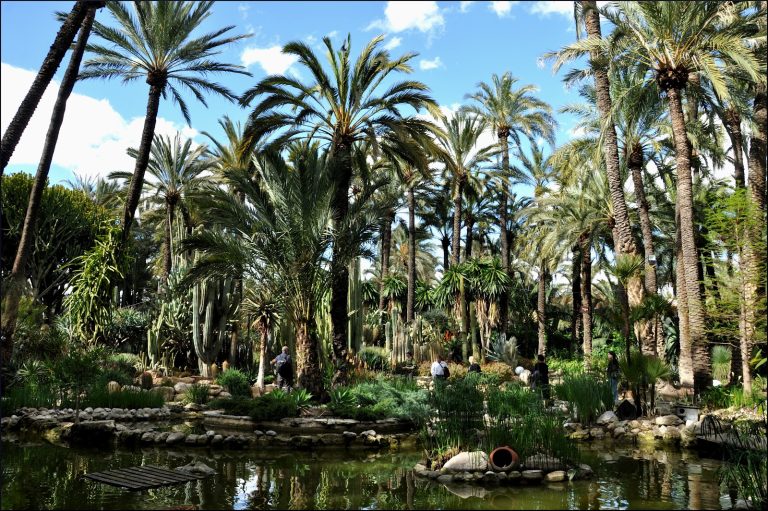
    The Palmeral de Elche is a unique cultural landscape, of outstanding value and universal significance, it is the heart, oriented towards intensive horticulture, of an irrigation system established by the founders of the Islamic city of Elche, a millennium ago. In this irrigated landscape of Andalusian origin, both traditional components and contemporary adaptations can be observed. A historic palm grove that has configured a unique urban landscape for more than a thousand years, declared a World Heritage Site in 2000.

  • Palacio de Viana

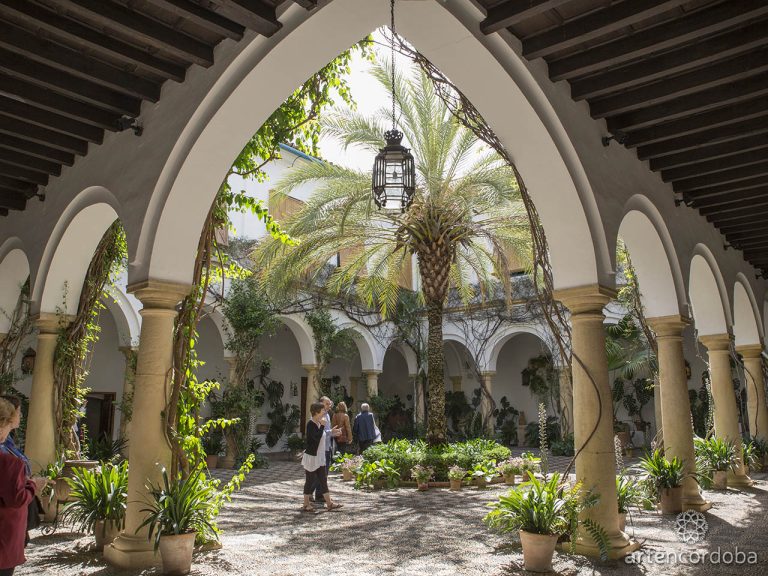
    Although it appears austere from the outside, due to its simple white walls, the Palacio de Viana houses the most important and best preserved manor house in Córdoba, and one of the main ones in Spain. 

    Open as a monument to the public for more than 40 years, Viana brings together in one place the largest concentration of patios in the city and a palace-house full of furniture, works of art, heritage and history, gathered over five centuries. 

  • The Gardens at Alhambra

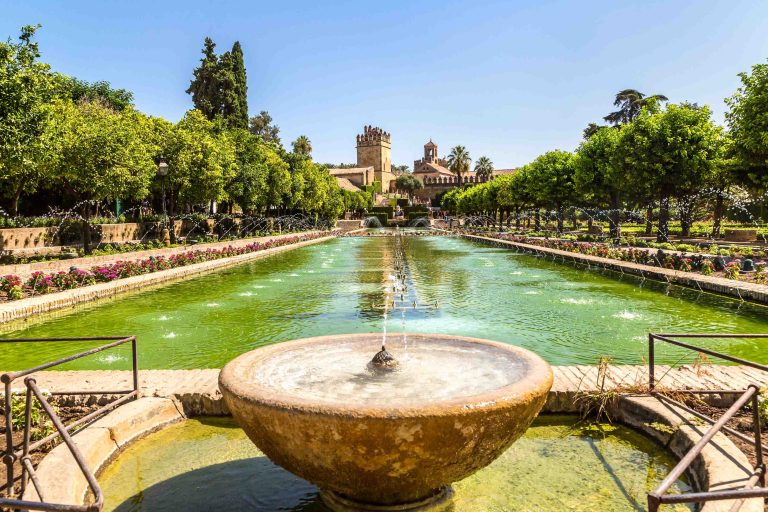
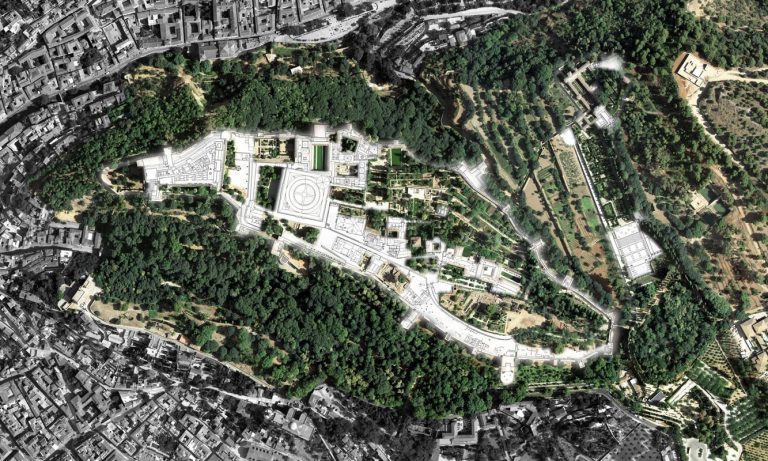
    In the Alhambra we can enjoy a magnificent catalog of gardens from different eras. The gardens are an inseparable part of the palaces and built enclosures, elements of adornment, perfection and symbolism, which occur in all corners of the Alhambra and the Generalife, providing a transcendent component to the landscape of this place.

  • La Mortella Gardens

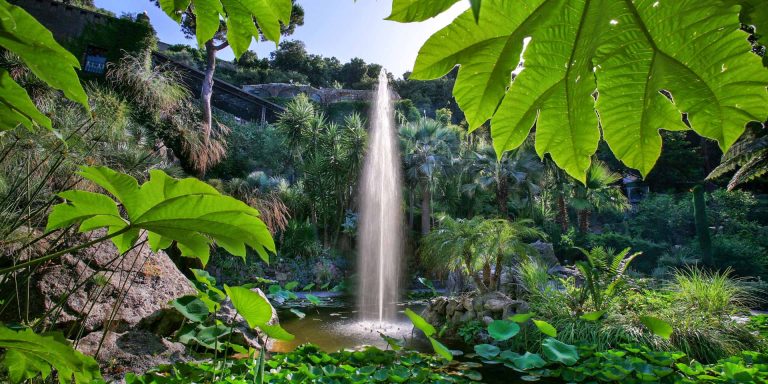
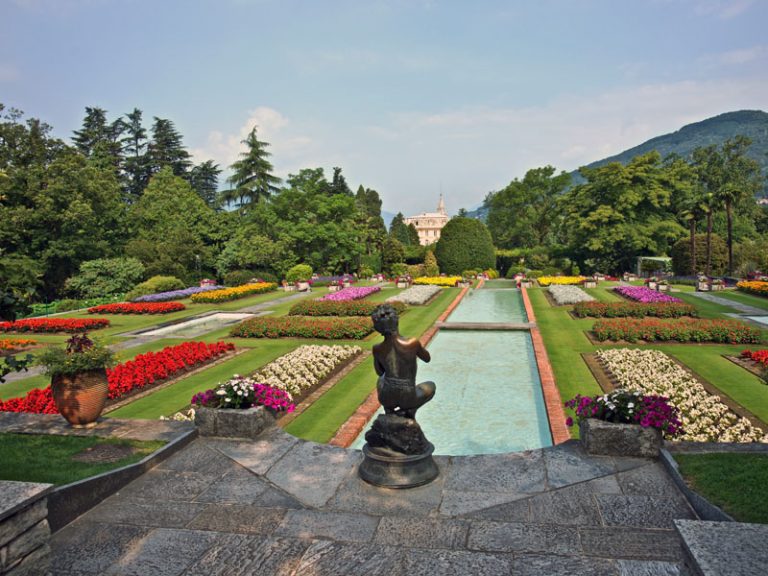
    The La Mortella Gardens were created starting in 1958 by Lady Susana Walton , the Argentinian-born wife of the English composer Sir William Walton. The gardens are located on the promontory of Zaro in the municipality of Forio, on the island of Ischia. Today La Mortella belongs to the William Walton and La Mortella Foundation, which takes care of it, administers it, opens it to the public and takes care of cultural activities.

  • Isola Bella

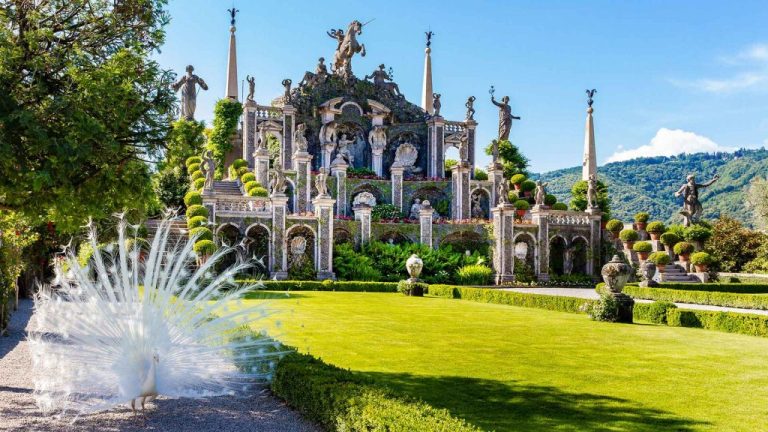
    Isola Bella (lit. ‘beautiful island’) is one of the Borromean Islands of Lago Maggiore in North Italy. The island is situated in the Borromean Gulf 400 metres from the lakeside town of Stresa. Isola Bella is 320 metres long by 400 metres wide and is divided between the Palace, its Italianate garden, and a small fishing village.

  • Les Jardins Giusti

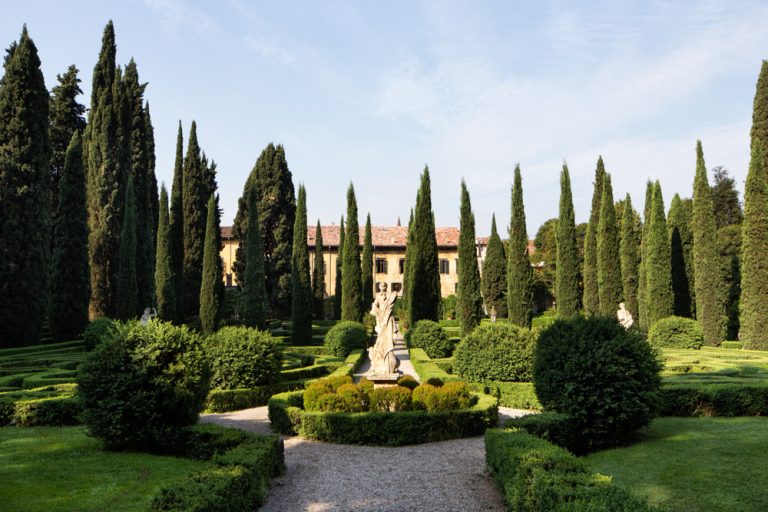
    The Giusti Garden is one of the finest late Renaissance Italian gardens, and belongs to and is a splendid appendage to the Palazzo Giusti. Begun at the end of the 16th century, the garden was gradually completed and embellished. In this one, writes Vallotto, magnificence competes with nature and its construction must be defined “Italian style” by means of expedients, by juxtapositions with other congeners of Florence, Fiesole, Rome. The Second World War hit this garden hard: the plants, if they were not given away or cut, were terribly mutilated, and it was not taken into account whether they were common or valuable plants. Currently, thanks to the continuous active care given to it, the Garden has regained its pristine beauty.

  • Les Jardins de Boboli

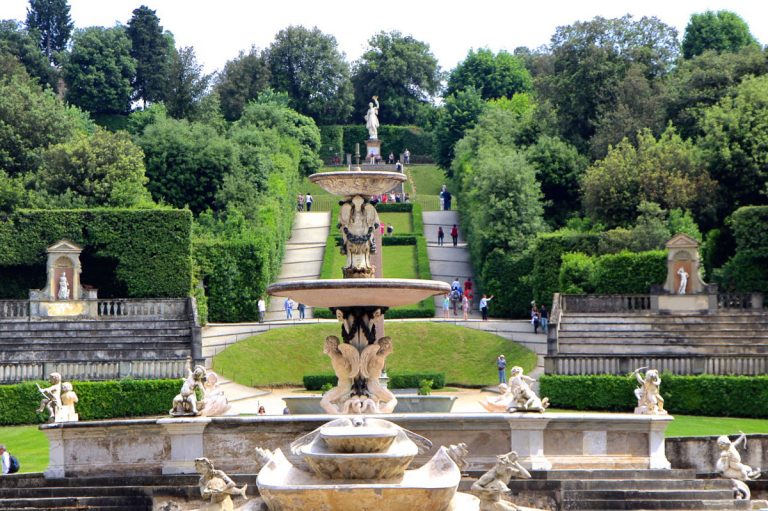
    Behind Palazzo Pitti lies the wonderful Boboli Gardens. The Medicis were the first to take care of its arrangement, creating the Italian garden model which became exemplary for many European courts. The vast green area, divided evenly, constitutes a veritable open-air museum, populated by ancient and Renaissance statues, decorated with grottoes, first of all the very famous one created by Bernardo Buontalenti, and large fountains, such as that of Neptune and of the Ocean.

  • Les Jardins de la Villa Gamberaia

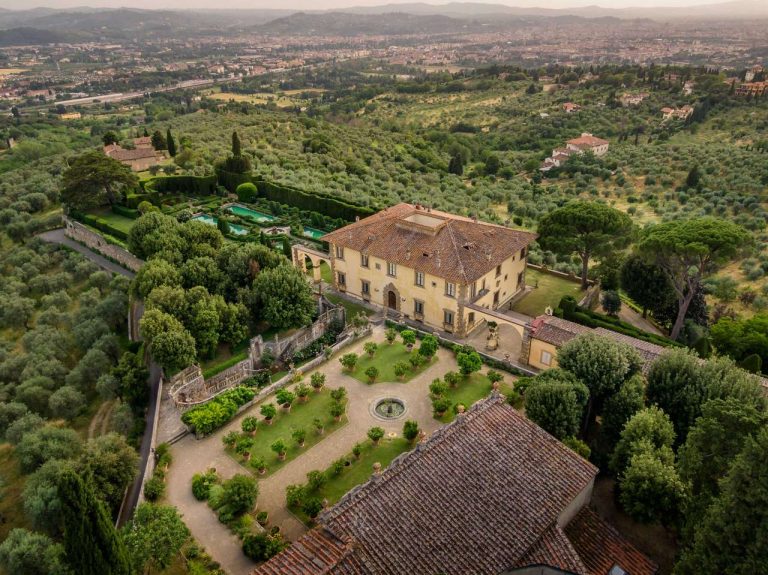
    A historic villa, built in the early 1600s and known for its magnificent gardens, Villa Gamberaia is located in the hills of Florence, about fifteen minutes’ drive from the city centre, in an exceptional position overlooking the Arno valley. The villa and its luxurious rooms are available for weddings, meetings, conferences and exhibitions. The villa and the apartments located within the property are available for rent to spend your vacation in Tuscany.

  • Les Jardins de la Villa Lante

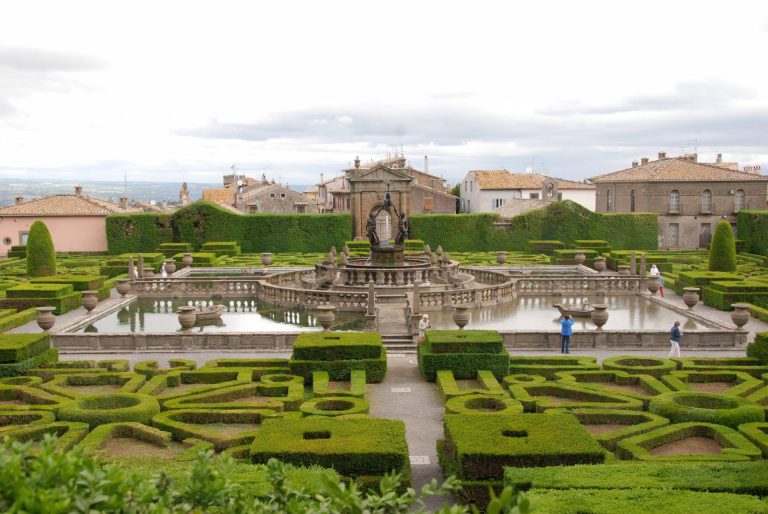
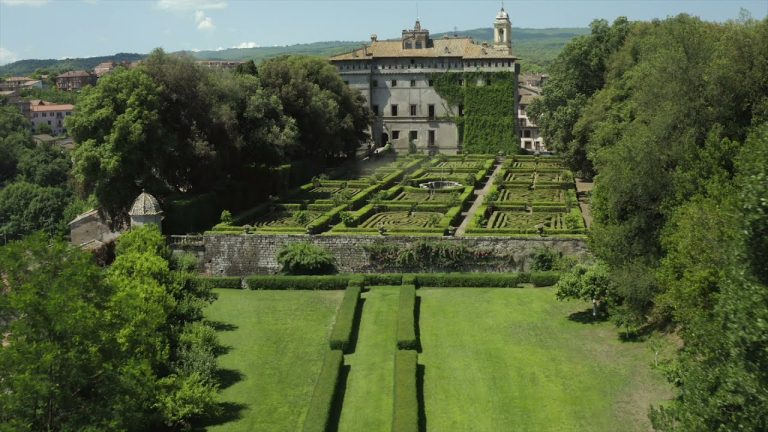
    Villa Lante is located in the locality of Bagnaia, near Viterbo, in the north of Lazio (Italy). Attributed to Giacomo Barozzi da Vignola (although there is no period document to prove it), it has gardens representative of the mannerism of the “surprise gardens” of the Renaissance , comparable to those of Bomarzo. They are classified among the Grandi Giardini Italiani.

  • Le Parc de la Villa Borghèse

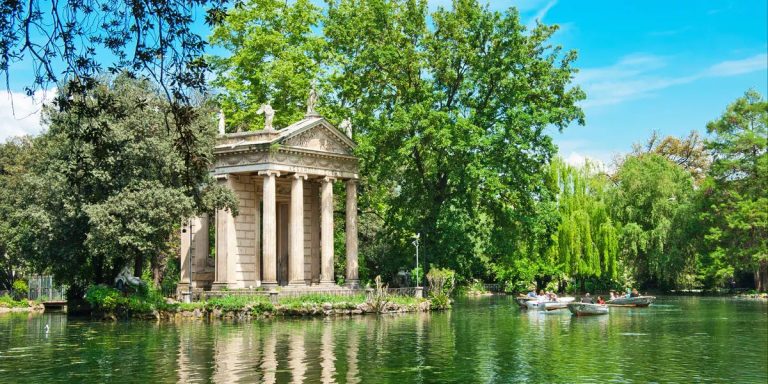
    The Villa Borghese Park occupies a large area in the heart of the city. The villa contains buildings, sculptures, monuments and fountains, the work of illustrious artists of Baroque, neoclassical and eclectic art, surrounded by secular trees, ponds, Italian gardens and large open spaces, created with great care. It offers its visitors historical and naturalistic itineraries as well as numerous cultural, recreational and sporting activities.

  • Jardin du Lautaret

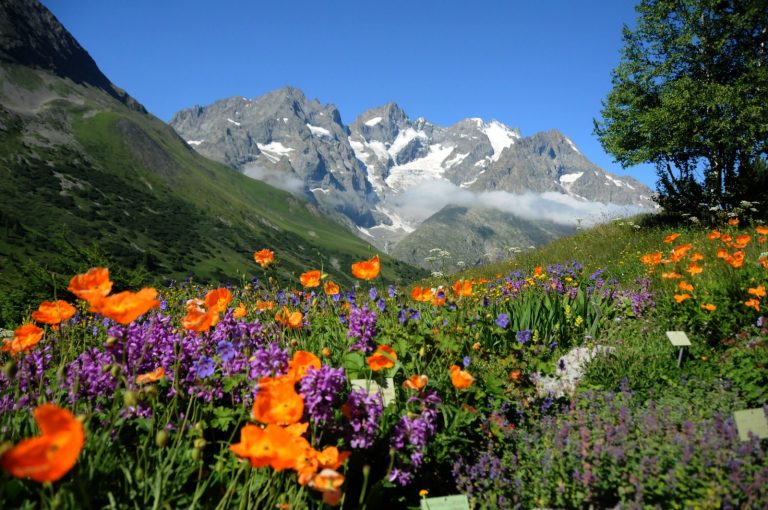
    The Lautaret garden is located at an altitude of 2100 meters at the Col du Lautaret in the Hautes-Alpes. For more than 100 years, this garden has maintained and preserved a vast collection of 2000 species of flowers from the mountains of the world, in an exceptional landscape setting facing the glaciers of La Meije.