Arnold Arboretum
Harvard’s Arnold Arboretum has the distinction of being America’s oldest public arboretum. The 280-acre site was opened back in 1872. The collection is studied by staff at Harvard to conserve trees and educate visitors.

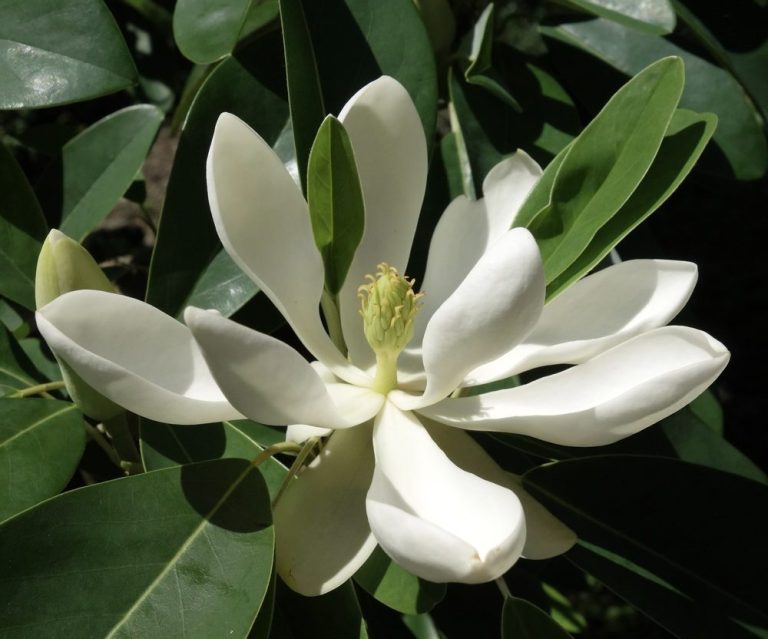
Harvard’s Arnold Arboretum has the distinction of being America’s oldest public arboretum. The 280-acre site was opened back in 1872. The collection is studied by staff at Harvard to conserve trees and educate visitors.
Operated by the University of Michigan, the Matthaei Botanical Gardens stretch across 300 acres. The grounds include several themed gardens and a 10,000 ft² conservatory with indoor specimens. The site first opened in 1907 and has continued to conserve and research plants for over a century.
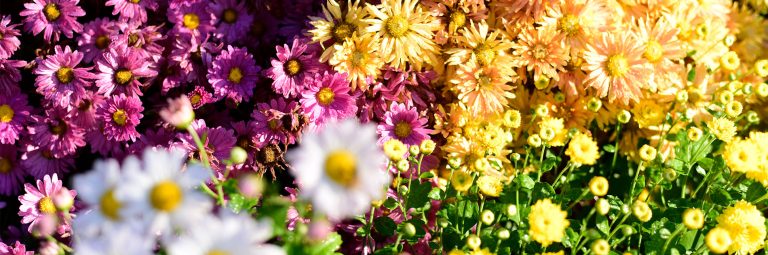
The Minnesota Landscape Arboretum, nicknamed “the Arb,” is the largest public garden in the Midwest. Encompassing 1,200 acres, the site features several specialty gardens, a conservatory, and a horticultural library. The arboretum is run by the University of Minnesota.
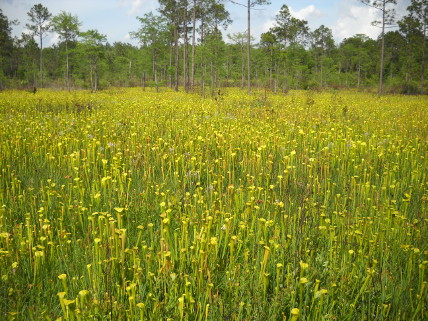
The Crosby Arboretum is one of the South’s best botanical institutions and is operated by Mississippi State University. The site covers more than 700 acres and is centered around the famous Pinecote Pavilion. The Arboretum itself is divided into seven areas, with each representing a specific local habitat.
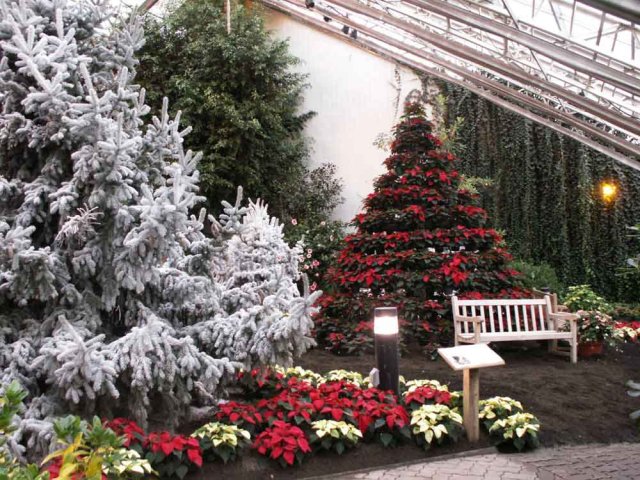
The Foellinger-Freimann Botanical Conservatory is an enclosed conservatory showcasing a diverse range of over 1,200 plants. The site was opened in 1983 in downtown Fort Wayne. The Showcase Garden features seasonal displays, while the Desert Garden celebrates plants that are native to the deserts of the Southwest. These include cacti such as Saguaro and prickly pear along with plants like yucca. There’s also a Tropical Garden focusing on bromeliads, citrus, and 13 species of palm trees.
It may be small, but the Tizer Botanic Gardens and Arboretum make up for it with their beauty. The site is Montana’s only full-time botanical garden and is one of only three internationally accredited arboretums in the US. The six-acre site is nestled within the Elkhorn mountains and features several distinctive gardens. The Butterfly and Hummingbird Garden is one of the best. Other gardens on the site include the Meditation Garden, the Shade Garden, and the Rose Garden.
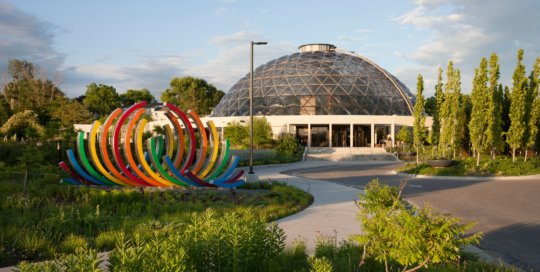
Although this 14-acre site has been used since 1979, the modern version of the Greater Des Moines Botanical Garden opened in 2013. The area is divided into a series of outdoor gardens, a geodesic dome conservatory, and several indoor gardens. Containing more than 1,000 taxonomic groups of tropical and arid plants, the conservatory also displays…
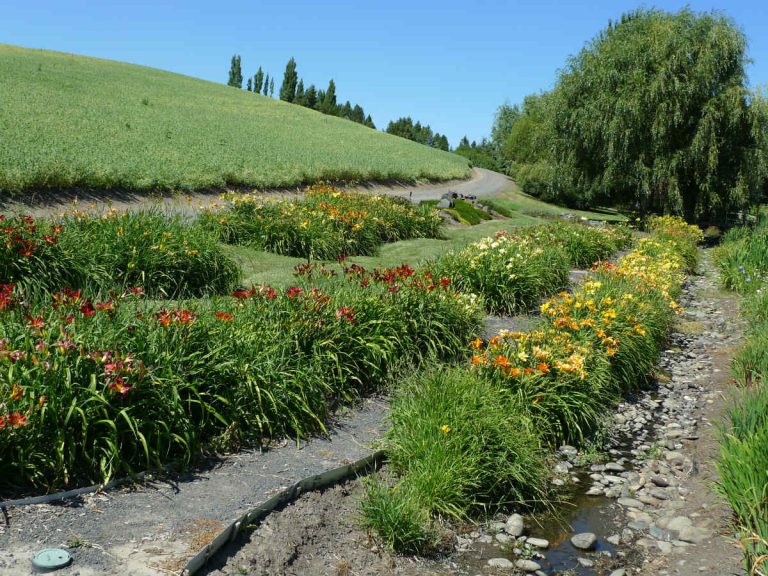
The University of Idaho Botanical Garden and Arboreta are outdoor museums maintained for the acquisition and proper curation of a living collection of native and introduced plants hardy in the Inland Pacific Northwest. As a primary reference collection, the arboreta will emphasize plant variation and genetic diversity. Highest priority of the arboreta is to develop,…
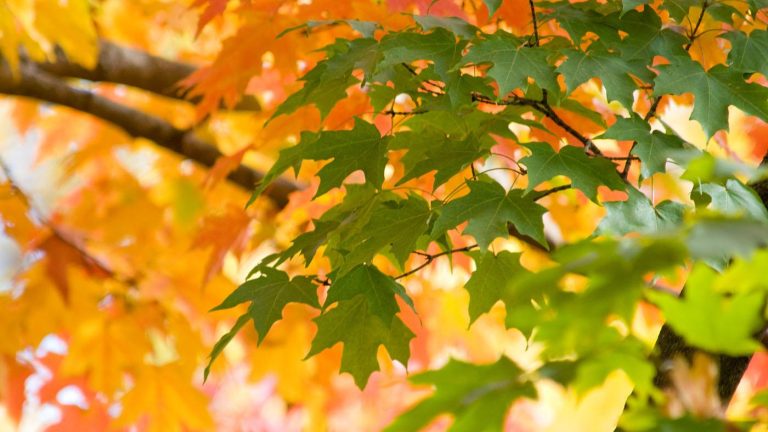
The Chicago Botanic Garden is one of the largest horticultural institutions in the Mid-West. The stunning gardens cover 385 acres and were opened to the public in 1972. As well as 25 display gardens, the Chicago Botanic Garden is also a horticultural research and education center with over 50,000 members.
The Overland Park Arboretum and Botanical Gardens wow visitors with 300 acres of natural ecosystems and display gardens. First opened in 1991, eight distinctive ecosystems now call the site home. These include different types of woodlands as well as dry prairies and savannas.
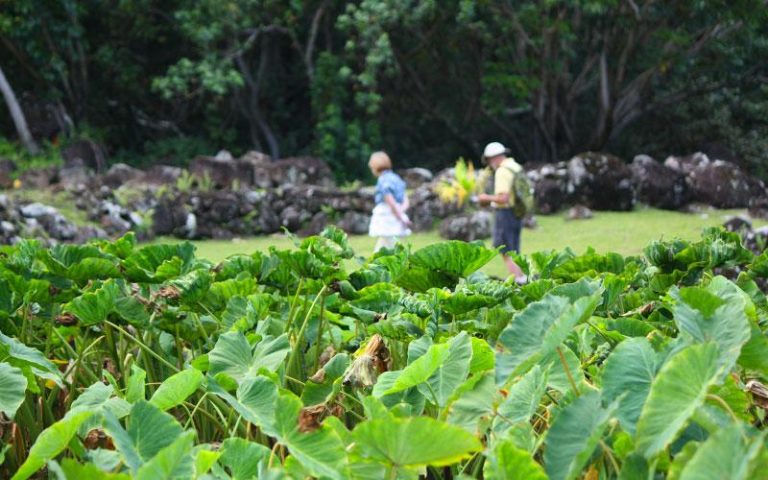
The National Tropical Botanical Garden is dedicated to preserving tropical plant diversity and stemming the tide of extinction—through plant exploration, propagation, habitat restoration, scientific research, and education. NTBG’s Gardens and preserves are safe havens for at-risk species that otherwise might disappear forever. NTBG supports 5 gardens Allerton Garden McBryde Garden Kahanu Garden Limahuli Garden & Preserve The Kampong
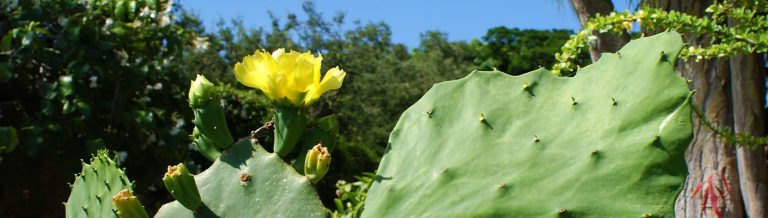
The Fairchild Tropical Botanic Garden is one of Florida’s oldest and largest botanical gardens. First opened in 1938, this 83-acre paradise is dedicated to researching and conserving tropical plants. Fairchild even boasts the only patch of rainforest in the United States – a two-acre plot teeming with plants from the Amazon rainforest.
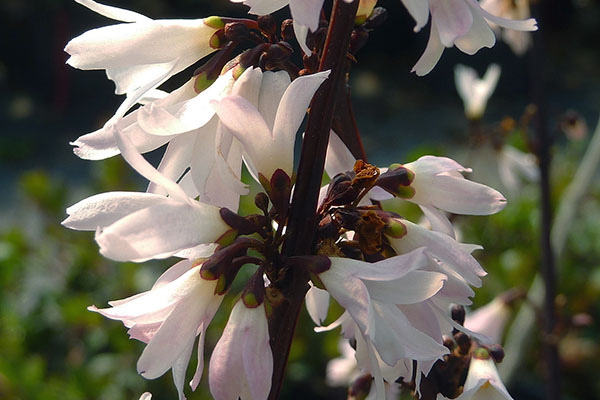
Dedicated to research and education about plants, the University of Delaware Botanic Gardens features 11 themed gardens set across 15 acres. These beautiful collections are free to enter, making this site a great day out if you’re in Delaware.
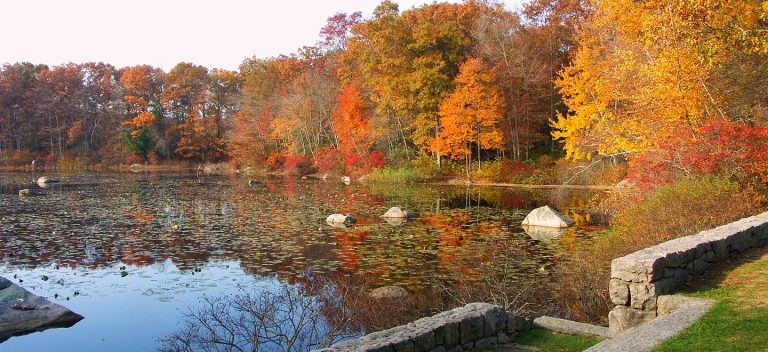
The Connecticut College Arboretum stretches across 300 acres on the campus of Connecticut College. Although owned and operated by the college, public entrance is free. Established in 1931, the site features several impressive collections, including species like azaleas and conifers.
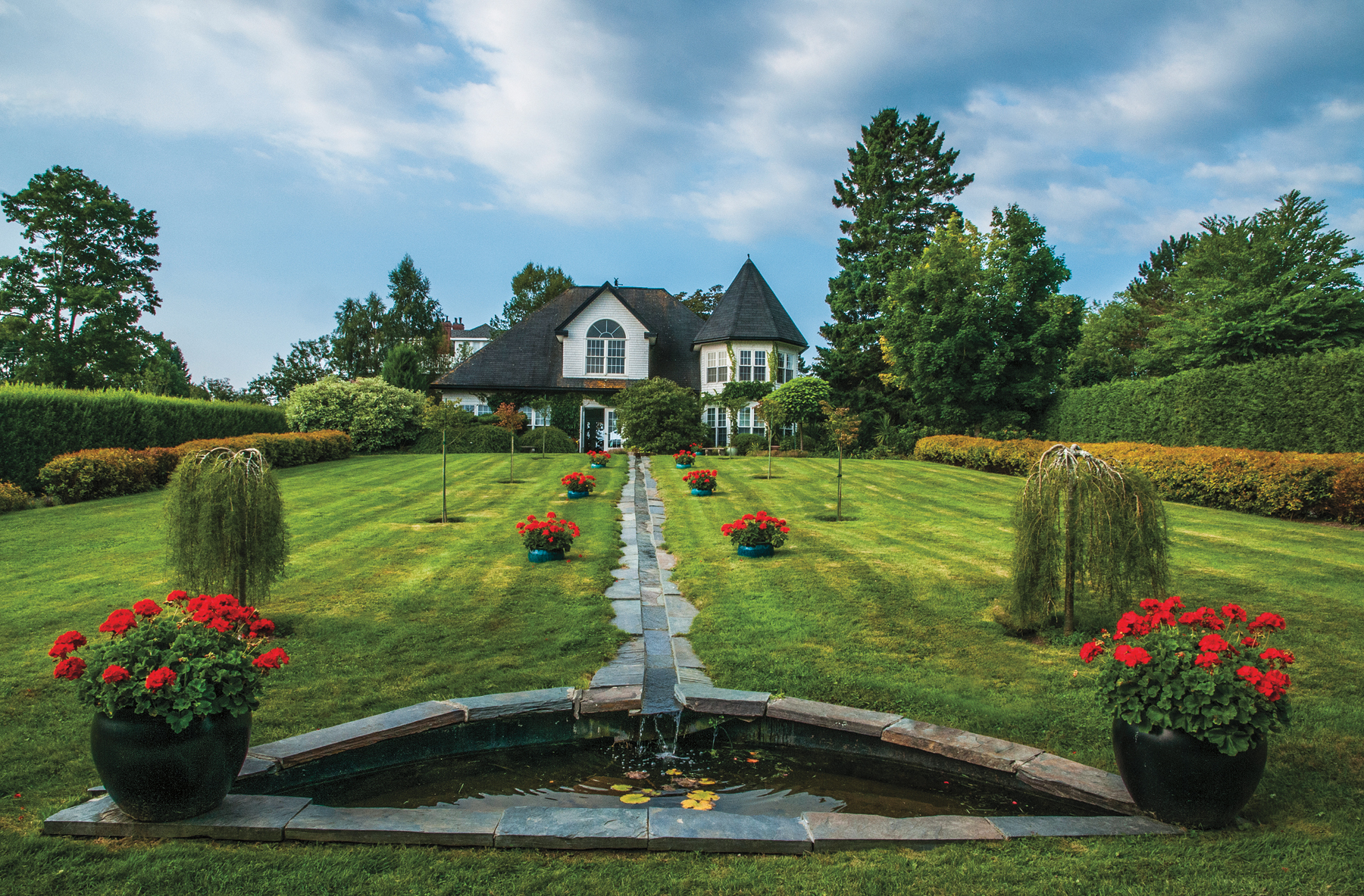
Kingsbrae Garden in St. Andrews, New Brunswick, is its seamless integration of horticulture and contemporary art, creating a dynamic and immersive experience for visitors. Spanning 27 acres, Kingsbrae Garden boasts over 50,000 perennials arranged in themed areas. Traditional knot and rose gardens, a labyrinth of thyme, and a gravel garden showcasing drought-tolerant plants are just…
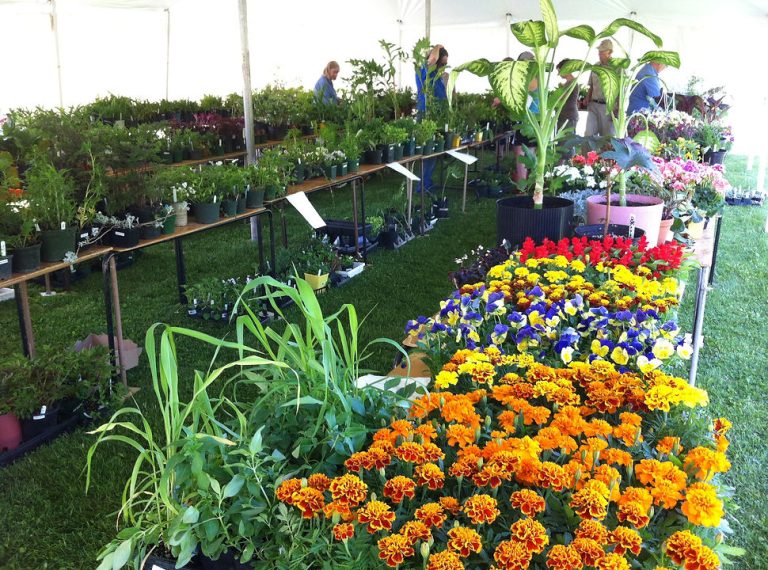
The Goals of the Fredericton Botanic Garden:
to provide a recreational opportunity to the public by means of walks, interpretive trails and beautiful displays of flowers and foliage
use tried and untried plant species and varieties so the public have a hands-on demonstration of plant hardiness
educate people of all ages to appreciate plants and to learn how plants coexist in natural settings
involve the community in the development of a new and important tourist attraction for the Fredericton area

Coastal Maine Botanical Gardens is New England’s largest botanical garden, stretching for nearly 300 acres along the shore. The site opened in 2007 and attracts an average of 200,000 visitors every year. The gardens aim to conserve, research, and display Maine’s native plants.
The Missouri Botanical Garden opened its doors in 1859, making it one of America’s oldest botanical gardens. The 79-acre site displays more than 27,000 plants and over 4,800 trees. The garden is headlined by the Climatron – the first geodesic dome conservatory in the world. Over 2,800 tropical species are on display inside. The MBG is also home to Linnean House, America’s oldest continuously-operated display conservatory.

The State Botanical Garden of Georgia is one of the South’s leading botanical institutions. The 313-acre site is operated by the University of Georgia and is dedicated to conservation, research, and education. Admission is free.
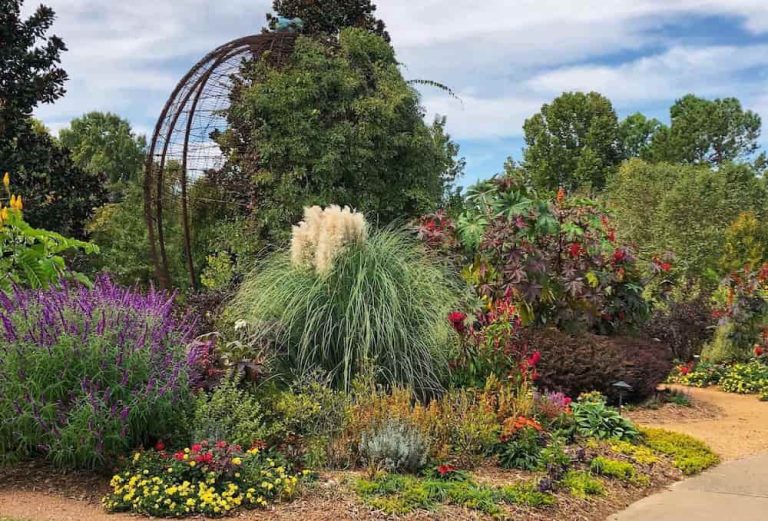
The Botanical Garden of the Ozarks is a captivating destination in Northwest Arkansas that draws more than 70,000 visitors a year. The Garden is a collection of twelve themed gardens and includes the region’s only native butterfly house. We are a member-supported public garden dedicated to education and environmental awareness and serve as a community destination for unique nature experiences.
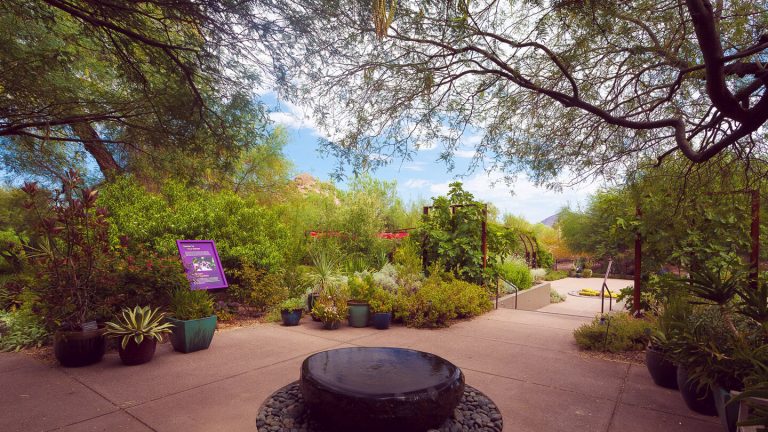
Think the desert is all dirt and tumbleweeds? Think again. The Desert Botanical Garden is home to thousands of species of cactus, trees, and flowers from all around the world, spread across 55 acres in Phoenix, Arizona.
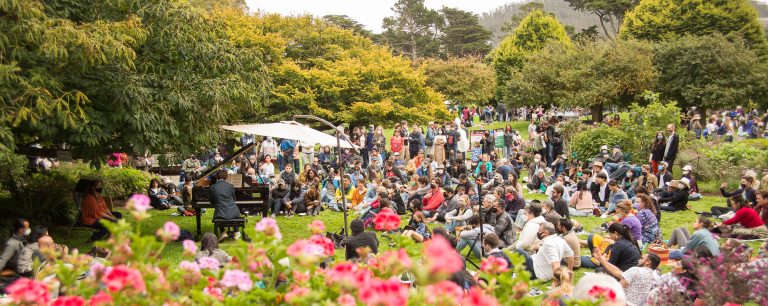
Gardens of Golden Gate Park seeks to establish itself as a top 10 botanical garden in the country over the next five to ten years through new collections and exhibits, expanded public programs, and a larger role in worldwide conservation efforts.
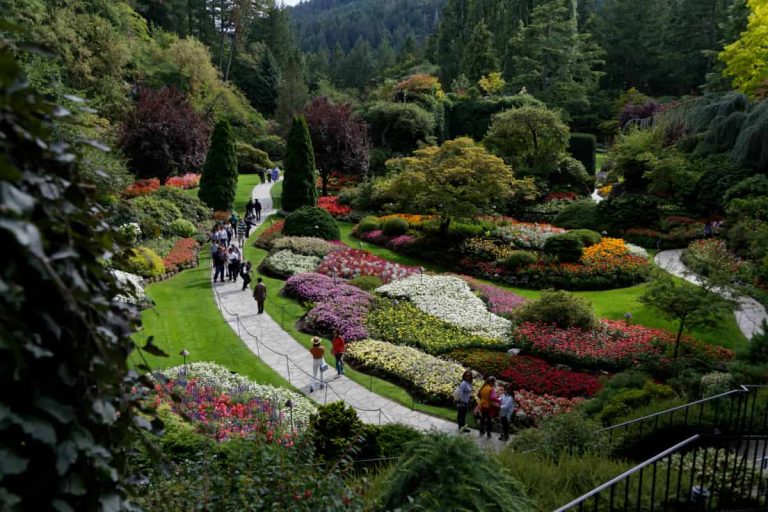
The Butchart Gardens is a 118-year-old internationally-renowned 55-acre display garden located in Brentwood Bay, British Columbia. Created by Jennie Butchart, and still privately owned and operated by the family, The Gardens was designated a National Historic Site of Canada, in 2004 for its one hundredth birthday.
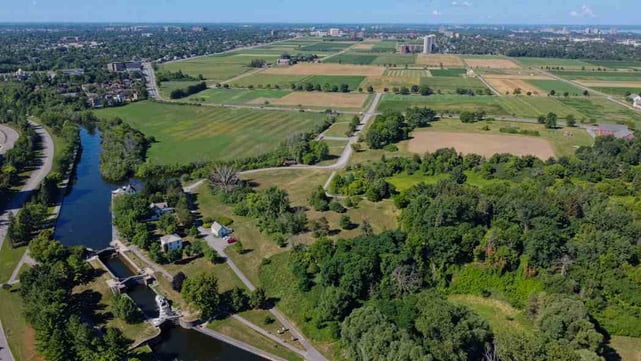
Canadensis Botanical Garden Society is working towards a Nation Botanical Garden. Canadensis is to be a beautiful and diverse botanic garden that provides all visitors with educational, interactive and enjoyable experiences in a unique, sustainable environment. The Garden promotes a deeper understanding of our intimate interdependence with nature and encourages the commitment and passion necessary to pursue environmentally responsible lifestyles.
GardeningCalendar.ca gets some funding from advertisers. If you click on links and advertisements at no cost to you, the site may receive a small commission that helps fund its operation.
© 2025 J&S Calendars Ltd.