Flat-Topped Aster
The Flat-topped Aster attracts a wide range of types of pollinators: long-and short-tongued bees, wasps, beetles, flies, and butterflies. It is a great candidate for pollinator gardens, cottage gardens, and wildflower gardens.
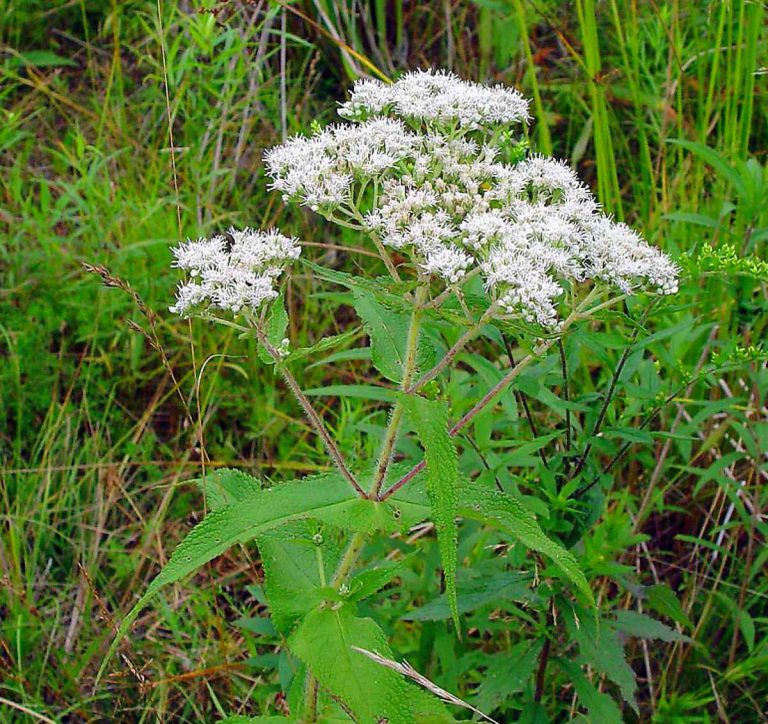
The Flat-topped Aster attracts a wide range of types of pollinators: long-and short-tongued bees, wasps, beetles, flies, and butterflies. It is a great candidate for pollinator gardens, cottage gardens, and wildflower gardens.
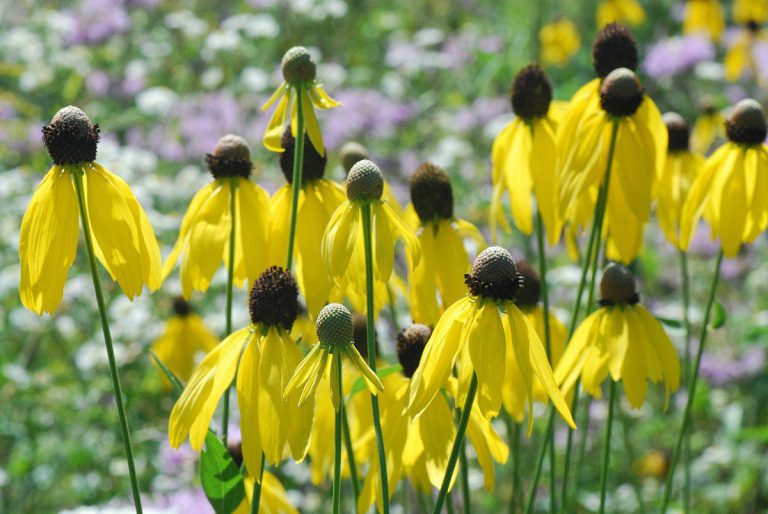
Grey headed Coneflower is a North American wildflower with eye-catching yellow flowers that entice birds and pollinators. This perennial is ideal for natural plantings and meadows. It is known as the gray-headed Mexican hat, and it also goes by the names pinnate prairie coneflower, yellow coneflower, and gray-headed coneflower. A thin, hairy-stemmed plant that produces…
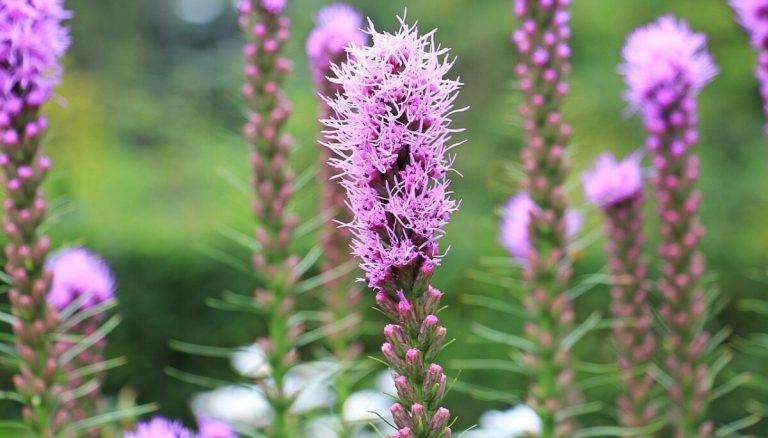
Dense Blazing Star, Liatris spicata, has long-lasting purple wands of packed blooms that face all directions and bloom from the top of the stem down from midsummer to fall. The blooms resemble feather boas held upright on numerous spikes per plant. Although it lacks smell, Dense Blazing Star will please your other senses: the purple…
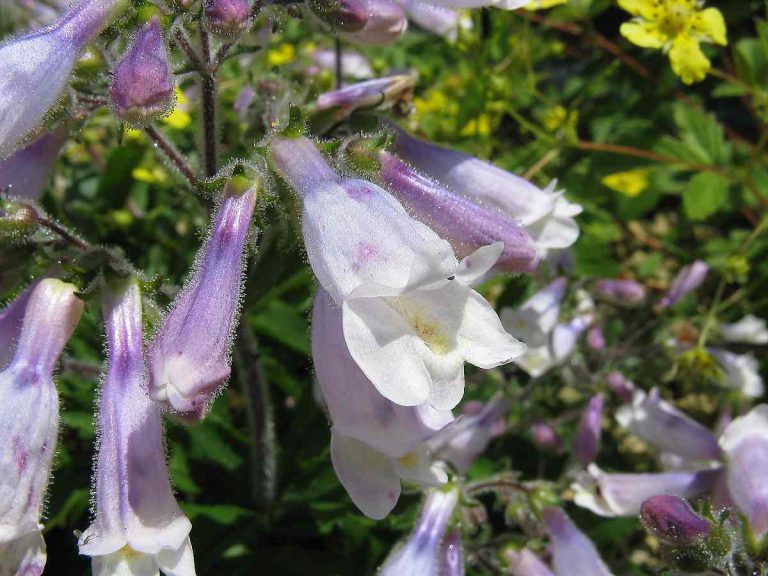
The Hairy Beardtongue possesses many beneficial characteristics. It is, for example, small and controllable, does not compete or spread widely, has attractive and delicate blooms, and is tough (meaning it is hard to kill). It is a larval host for the Baltimore Checkerspot Butterfly and is an excellent choice for a butterfly garden or many…
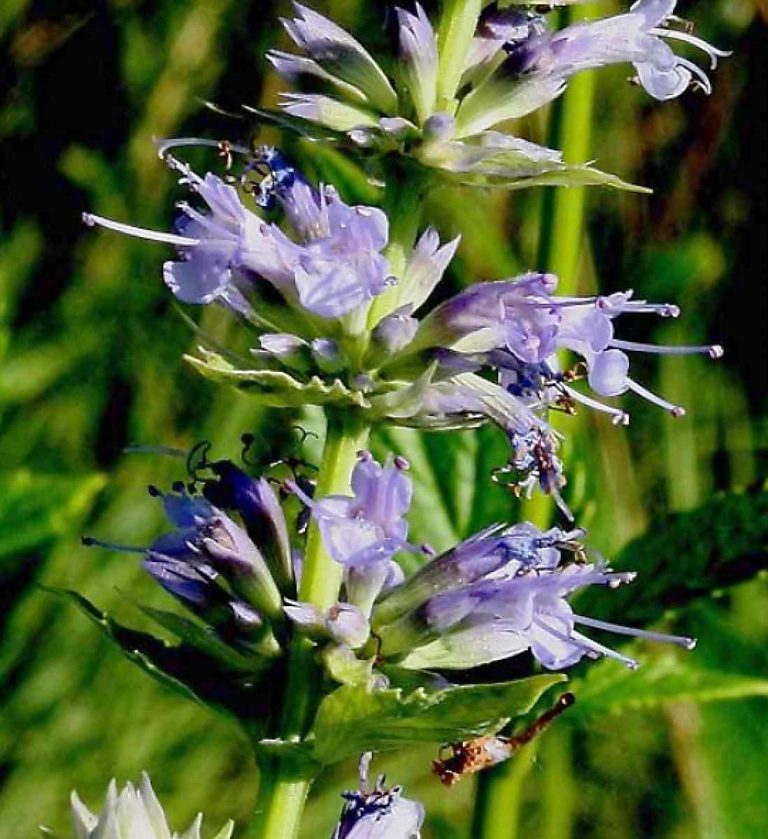
Purple Giant Hyssop sets soft plumes of the palest purple flowers that top out at 6 feet, soaring above most other plants in the garden. The individual blossoms open over a period of several weeks in the fall. From seed, it is easy to grow, but be mindful that the first blooms will typically appear…
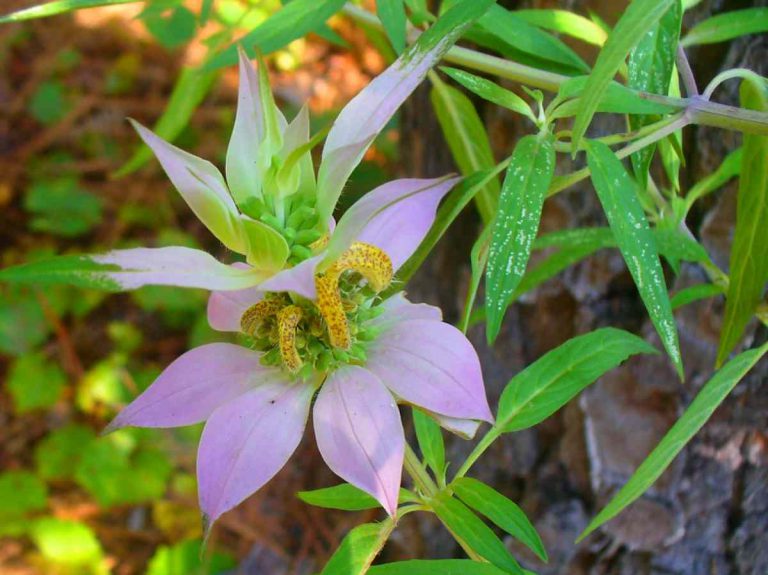
The Spotted Beebalm is an unusual beauty in form and colour, distinguished by its pagoda-like blossoms. It has eye-catching clusters of creamy purple-spotted tubular blooms sitting on pink, lavender, or ivory bracts. Flowering starts in mid-summer and continues into the fall. Spotted Beebalm, a member of the mint family, has a sweet and pleasant scent….
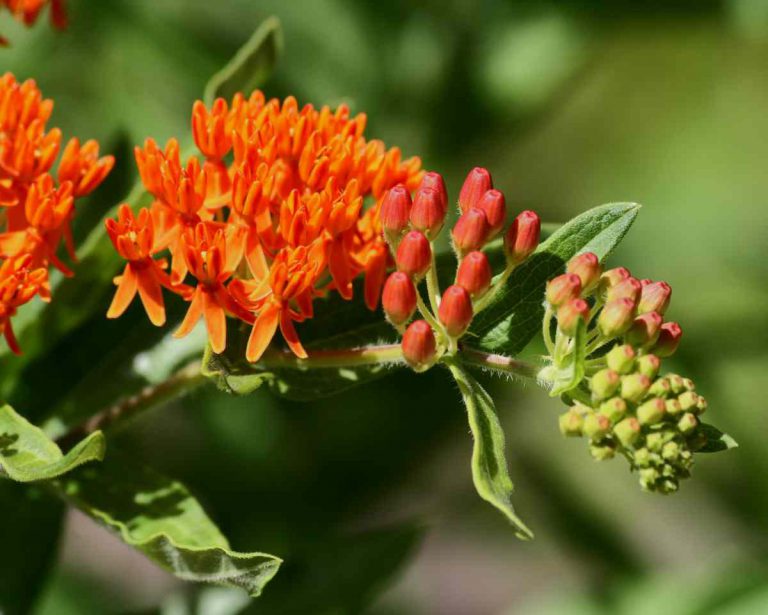
Butterfly Milkweed is valued for its magnificent clusters of bright orange to yellow-orange blooms that bloom all summer. They tend to be a great additon to many gardens. The lush vegetation creates a dark green backdrop that enhances the colourful blooms. This plant is a well-known choice for all sorts of gardens due to its…
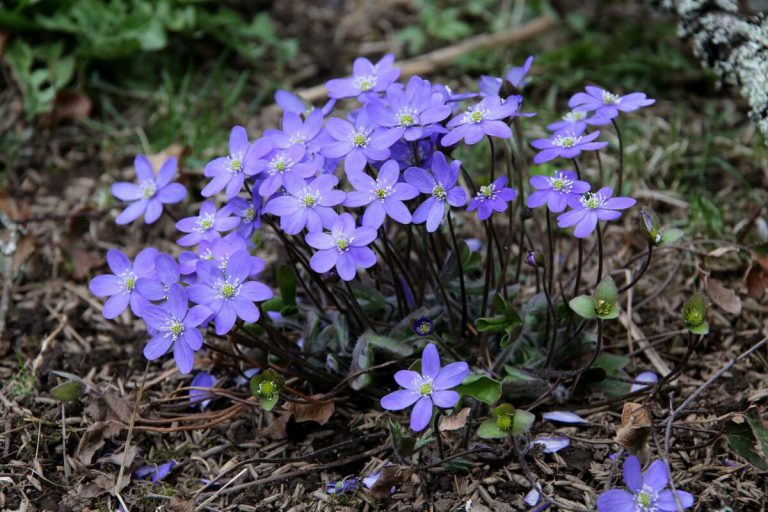
Hepaticas are among the first flowers to bloom in the spring. The flowers close at night and on cloudy days when pollinators are not likely to be flying. They are delicately attractive and have a tendency to blow about on their slender stems in the wind. Heptica leaves are known as basal leaves, which means…
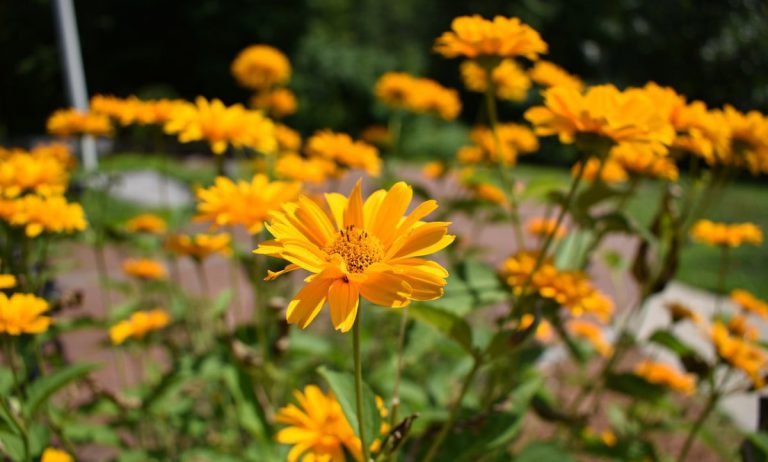
False sunflowers bloom throughout summer in the perennial border or cutting garden. It also works well in a native plant or wild garden, as well as in a naturalized planting or prairie environment. The false sunflower attracts birds, bees, and hummingbirds and is resistant to deer. They are simple to cultivate, drought-resistant, and resilient. It’s…
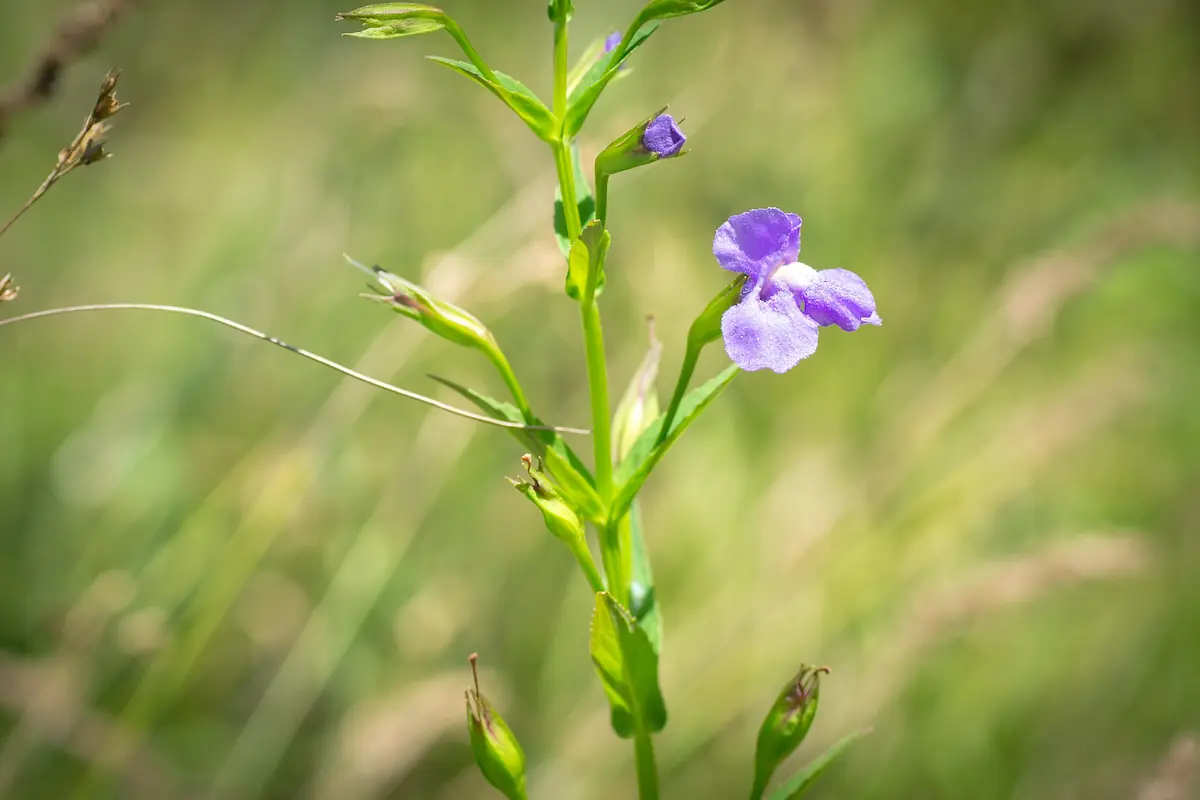
Named monkeyflower after the apparent resemblance the blooms have to a monkey’s face, the Square-Stemmed Monkeyflower bears asymmetrical, tubular violet or pink flowers which bloom nearly continuously over a long season from early summer to fall. The flowers contrast nicely with the bright green leaves; both the foliage and the flowers of this plant are…
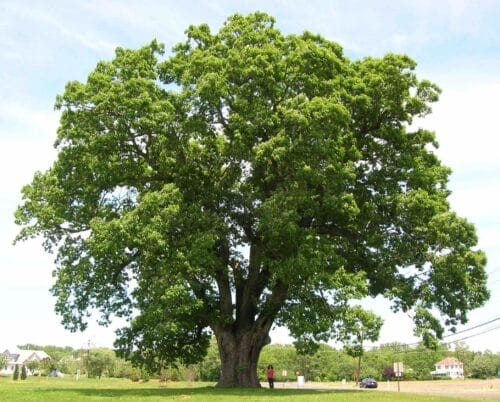
The White Oak has been an important tree in North American society over the centuries. It can live for several hundred years and starts producing acorns at around 50-100 years old, which are eaten by many types of wildlife. Its wood is used in many ways, including wine and whiskey barrel production due to its…
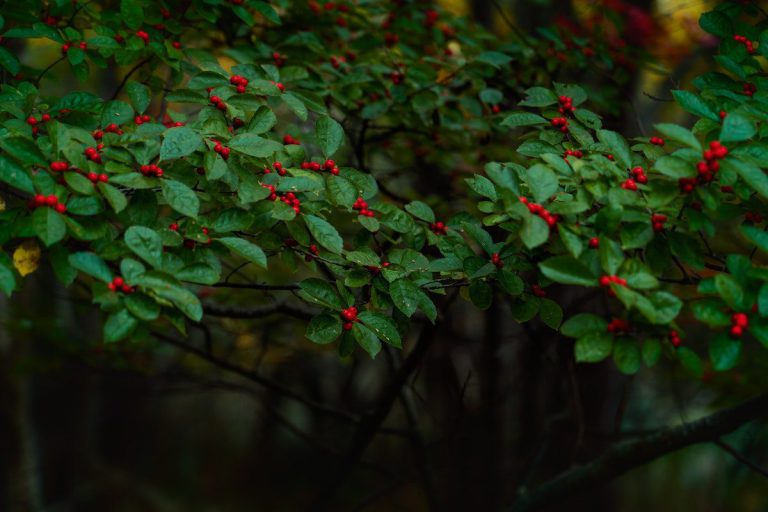
Winterberry holly has pointed, dark-green foliage that is surrounded by red berries. While the berries remain, the leaves fall off in late fall and early winter, leaving a stunning display of brilliant red fruit in your garden. The deciduous holly shrub is native to eastern North America and several Asian regions. Once established, winterberries just…
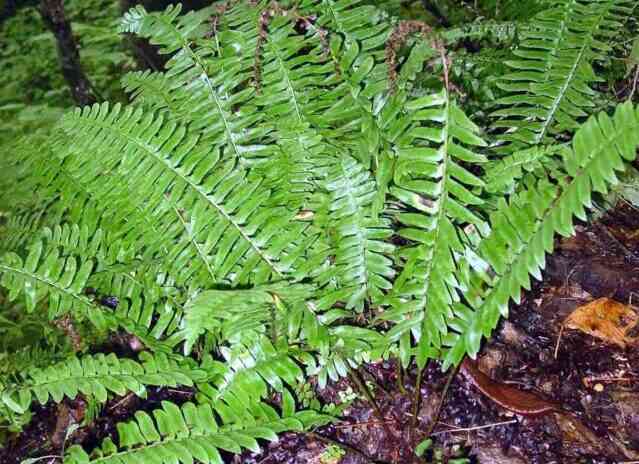
The Christmas Fern got its name because it flowers in winter and stays green throughout the holidays. The fronds of this plant are up to 3 feet long and 4 inches wide, and the fronds have dark green leaves. When other plants are dormant, this plant adds color and interest to the garden. Growing Christmas…
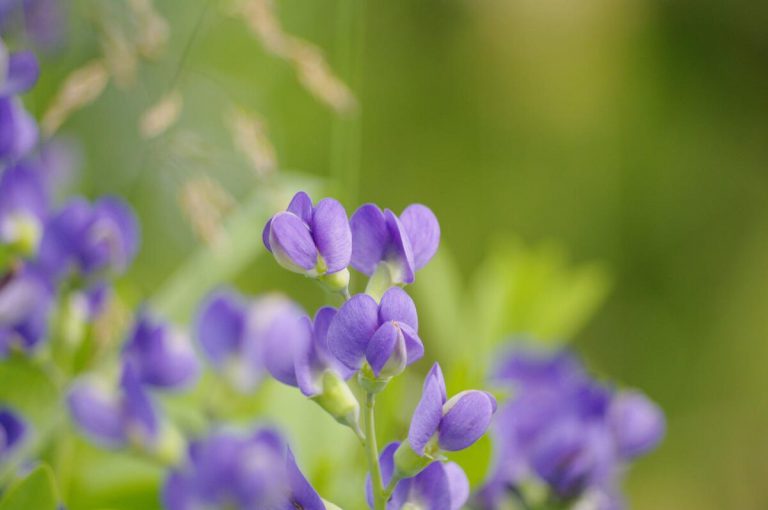
Baptisia australis is beautiful and a sure bet to be introduced into your garden. Slow to develop, it is not uncommon to wait 2 years before the first flower. It adapts to all soils. Flowers are great for cutting. Baptisia hybrids can have exceptionally beautiful colours. Baptisia lives up to its name as a perennial…
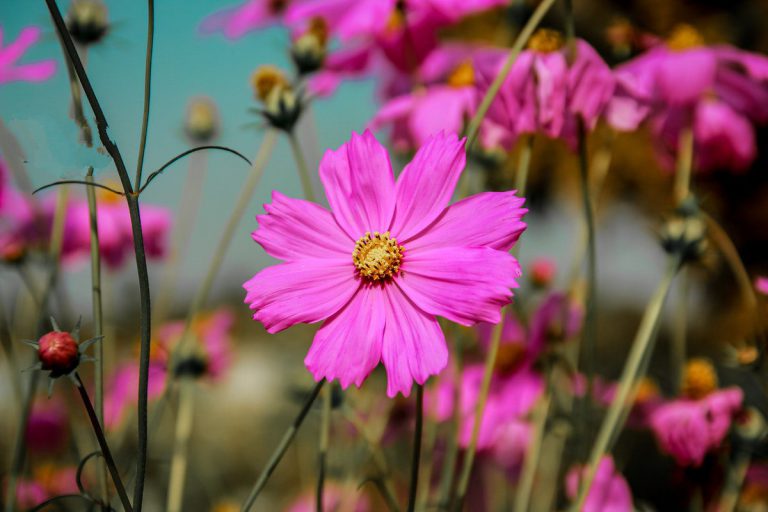
Cosmos plants are highly resilient, blooming lavishly from early or midsummer to fall, depending on variety, and have beautiful cut leaves, spectacular blooms, and a lengthy blooming season. They are often used in pollinator gardens to attract birds, bees, and butterflies. Cosmos are freely flowering annual plants in the asteraceae or sunflower family. They are…
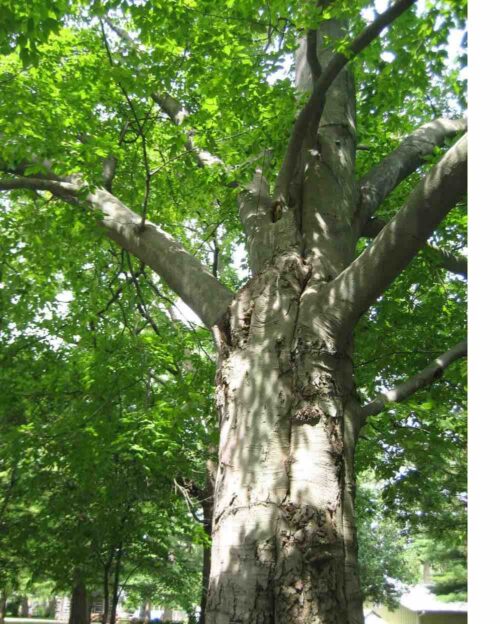
Native to eastern North America, the American beech will stand out in any forest. It is a large deciduous tree, sometimes growing up to 120 feet tall . Its crown is typically dense, upright-oval to rounded-spreading. It blooms yellowish green flowers in the spring, the male flowers in drooping, long-stemmed, globular clusters and the female…
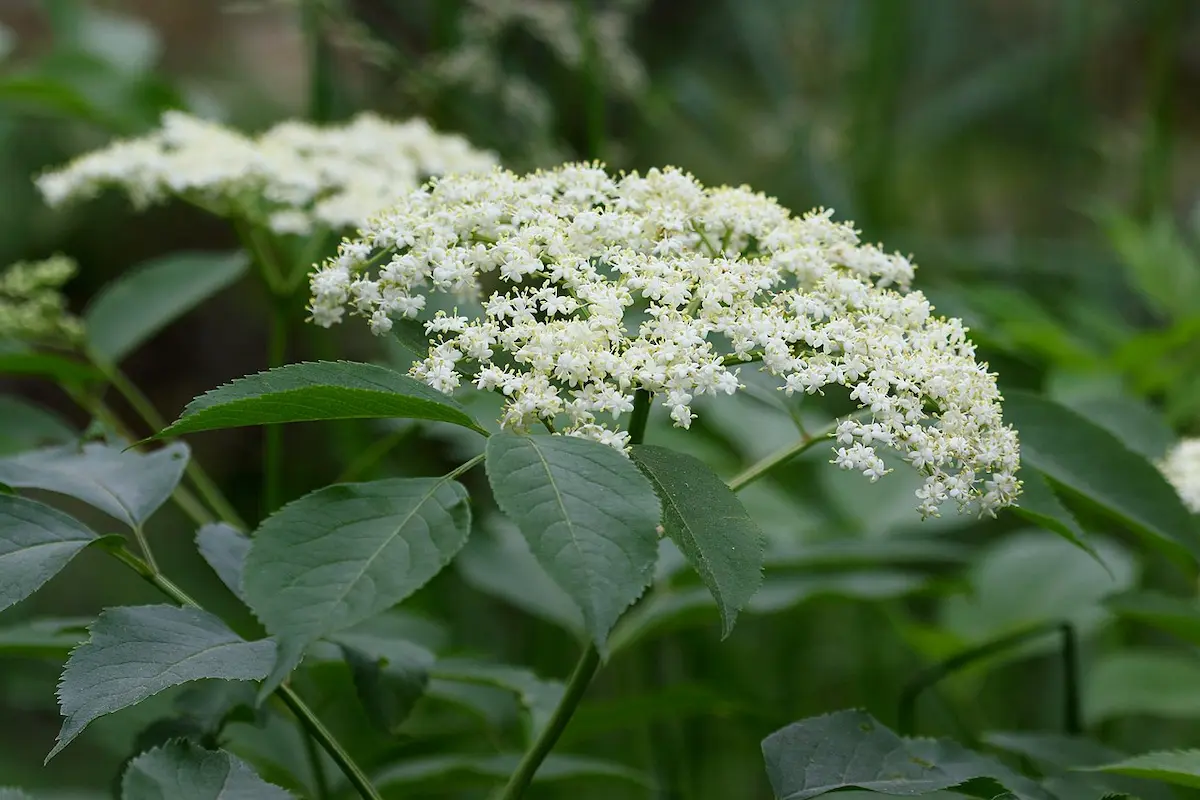
At least 50 species of songbirds, upland game birds, and small mammals relish the fruit of American elder during summer and early fall. American Elder is fast-growing shrub is known for its large clusters of yellowish-white, star-shaped flowers. Grown as a border, it provides an incredible summer floral display. The dark purple elderberries are used…
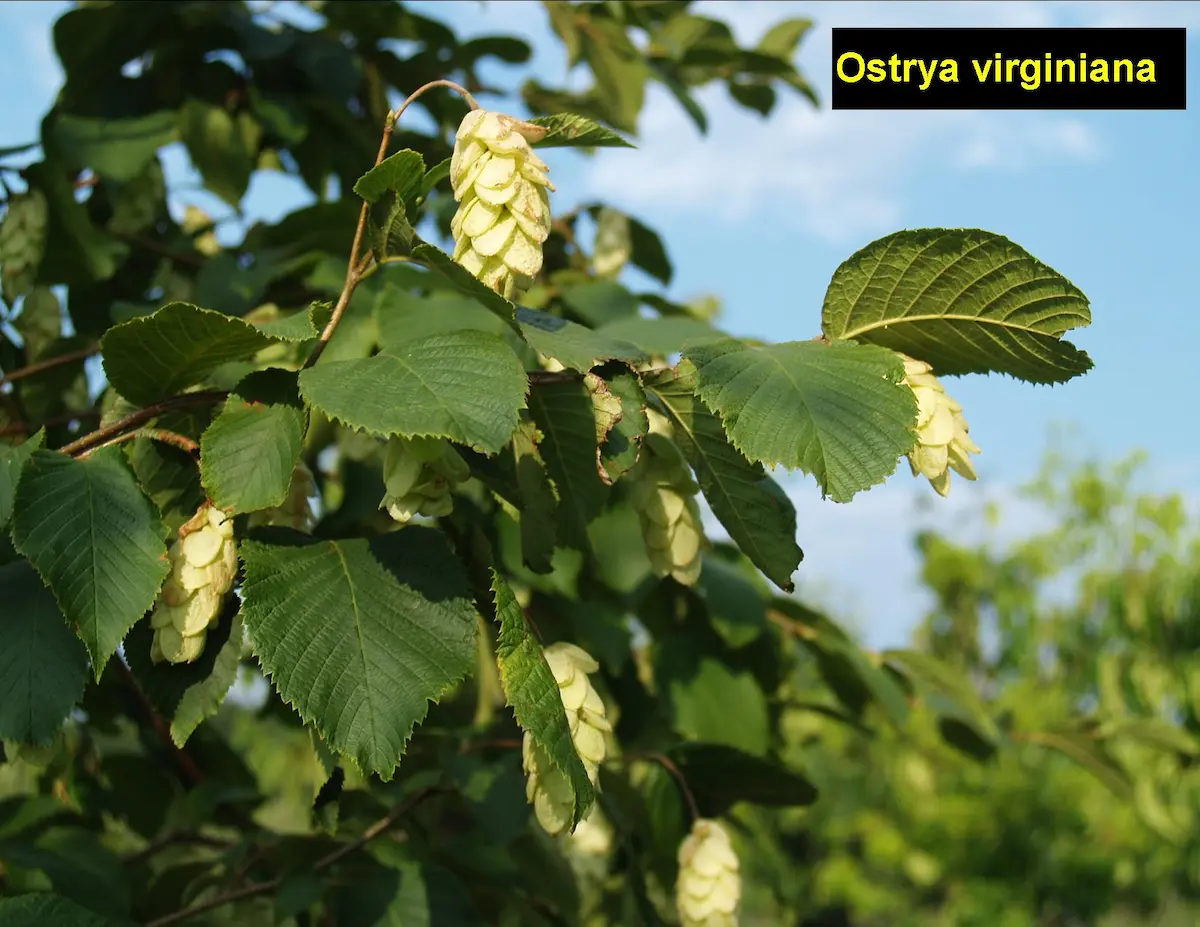
The Ironwood makes a great backyard tree as it is resistant to many diseases and insect problems. It tends to blend in with other trees and is commonly labelled as inconspicuous. Low to moderate pollution tolerance. Ironwood has the hardest wood of any native tree species, and is therefore not generally used for lumber. It…
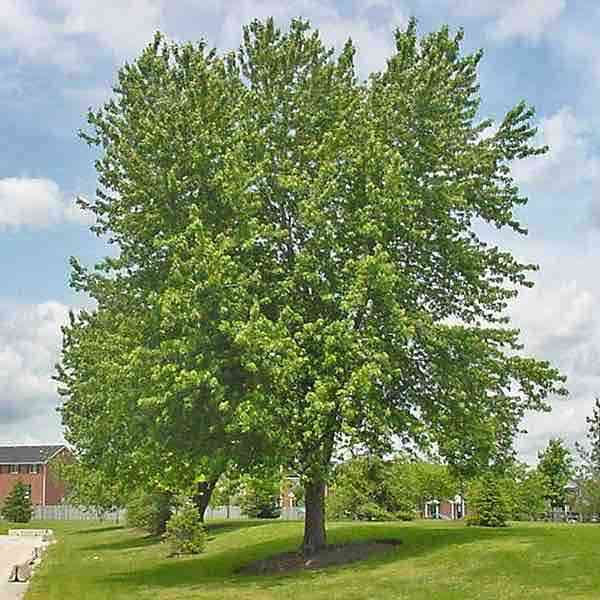
The silver maple is very similar to the red maple. The difference is that its leaves turn yellow or brown, not red, in autumn. Sometimes, the trunks are hollow which creates space for wildlife to live in. Caring for Silver Maple Plant at least 10 feet from sidewalks, driveways and foundation as the roots spread…
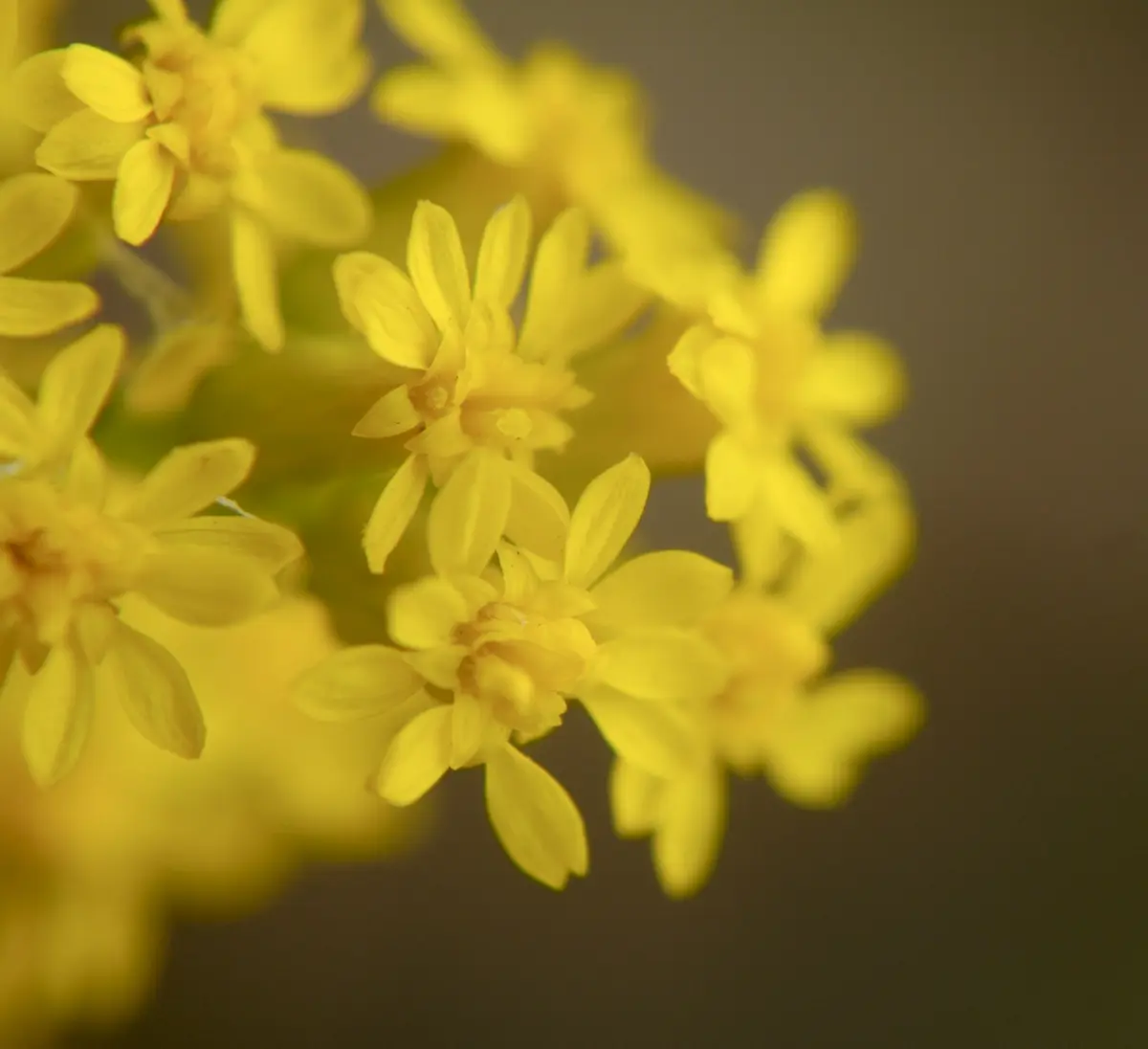
Goldenrods are a type of herbaceous flowering plant in the Asteraceae family, also known as the Compositae. Although the plant starts out green, the stem eventually turns grey-green and the plant as a whole turns golden with yellowish flowers. This perennial wildflower is also known as grey-stemmed goldenrod, probably due to its appearance. When you…
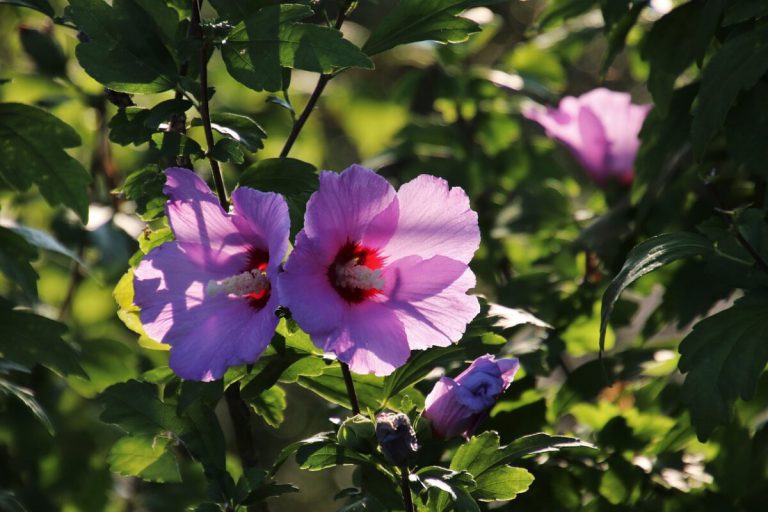
Rose of Sharon (Hibiscus Syriacus), a popular garden addition, is frequently planted to provide a burst of late-season colour after other trees and shrubs have finished blooming. Hibiscus Syriacus is a traditional choice for landscape focal points. This plant makes an excellent specimen, foundation, or border plant. This is ideal for larger patio containers. Rose…
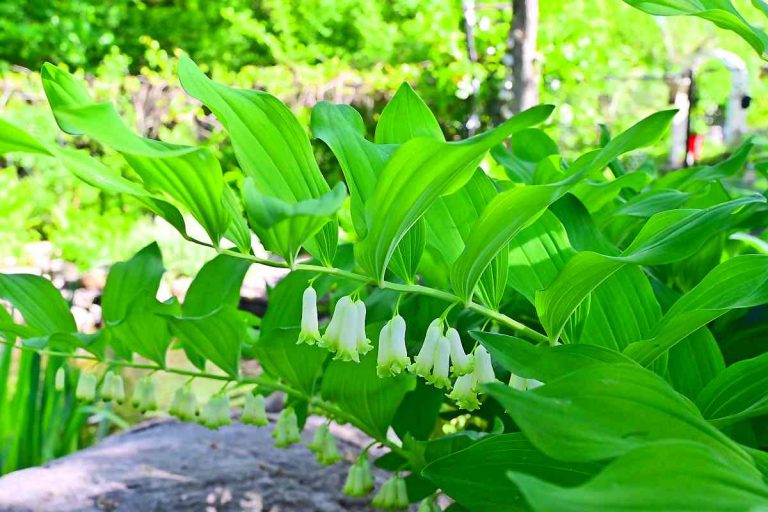
Smooth Solomon’s Seal (Polygonatum commutatum) is a drought tolerant perennial for the shade garden, native to Ontraio and Eastern North America. It adds a unique architectural structure with its arching foliage and white bell shaped flowers that dangle along the leaves. It is rhizomatous with lustrous, alternate leaves. You might be interested in learning more…
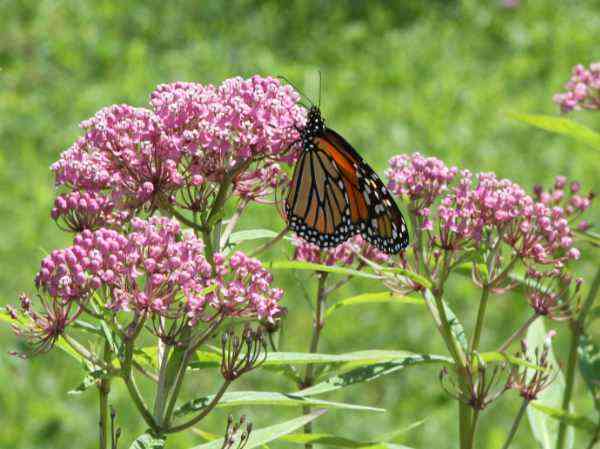
Swamp milkweed (Asclepias incarnata) is known for its ability to thrive in swampy areas and wet meadows. It is a monarch butterfly host plant and is essential to their life. Despite its love of wet soils, due to its long taproot, it can tolerate average well-drained soils with ease. Showy, fragrant pink and white duo-tone…
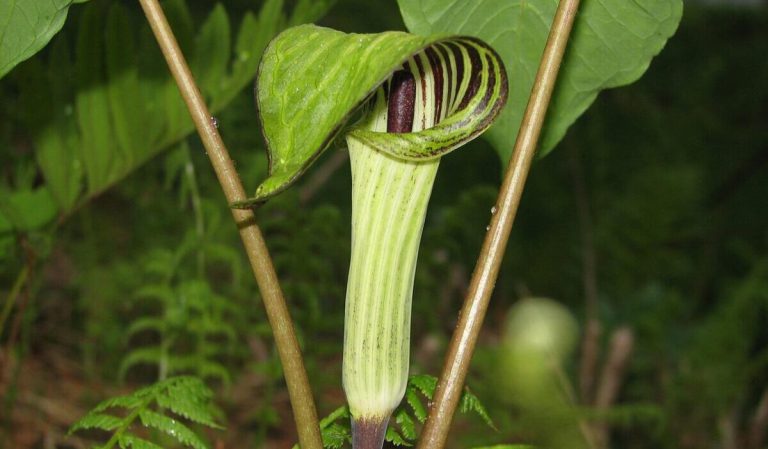
Jack in the Pulpit has a unique and beautiful tubular green leaf. It is easily grown in fertile, medium to wet soil in part shade to full shade. It needs constantly moist soil rich in organic matter. Caring for Jack in the Pulpit Growing Jack-in-the-pulpit flowers is as simple as caring for them. A wet,…
End of content
End of content
GardeningCalendar.ca gets some funding from advertisers. If you click on links and advertisements at no cost to you, the site may receive a small commission that helps fund its operation.
© 2026 J&S Calendars Ltd.