
Cilantro – Love it or Hate it
By Dale Odorizzi, Master Gardener
Cilantro is a wonderful herb to grow because you actually get two herbs in one. It is know as the love it or hate it herb. When it is young and fresh, you have delicate lacy leaves with a pungent flavor. As it matures and goes to seed you have Coriander. Although the two herbs come from the same plant, their flavors are very different and one cannot be substituted to the other.
Table of contents
Coriander is also known as cilantro, Chinese Parsley. It is an annual herb in the family Apiaceae. Coriander is native to regions spanning from Southern Europe and North Africa and southwestern Asia. Its botanical name is Coriandrum sativum. Note: “Culantro” is an herb related to cilantro that is widely used in dishes throughout the Caribbean, Latin America, and the Far East.
Handling Cilantro
Thsi herb is easily confused with flat-leaf parsley in appearance, so be sure to sniff carefully. Look for a bunch with unwilted leaves in medium green. It is found fresh year round in most markets. As soon as you arrive home with fresh cilantro, place the stems (with roots intact if attached) in a glass of water and cover the top loosely with a plastic bag. Refrigerate. Snip off leaves as you need them and re-cover. The water should be changed every 2 to 3 days. Do not wash the herb until you are ready to use it since excess moisture will turn the leaves to green slime during storage.
Depending on its treatment at the market, it should last up to a week in the refrigerator. It goes well with: avocado, chicken, fish, ice cream, lamb, lentils, mayonnaise, peppers, pork, rice, salads, salsas, shellfish, tomatoes and yogurt. Both cilantro and coriander are used extensively in Mexican, Greek and South East Asian Cooking. If you have a dish of Pad Thai, the parsley like sprig on top is most likely Cilantro. While there are parts of the world where no meal is complete, it tends to generate great love or great hate. In fact Cilantro is the only herb I know that has its own “I hate Cilantro” anti-fan club.
Tests are being done to see if there is some genetic mutation that makes people hate the delicious herb.
Freezing Cilantro
To freeze cilantro, place a small amount of dry leaves in a single layer on a cookie sheet. When frozen, gather into a zip-top bag, and return to the freezer immediately. Use within 6 months. Do not thaw before using. Cilantro may also be dried in the same manner as parsley, however, its flavor will be greatly diminished. Drying is neither recommended nor worth your time. Dried cilantro is available in most markets, should you have the need.
Cilantro Seeds
The seeds plant are known coriander. As with any spice, coriander seeds should be kept in a sealed container away from light and heat. The flavor will begin to diminish after about 6 months. Use within 1 year.
Cilantro grows easily and quickly in our gardens. It can be planted repeatedly throughout the growing season so that you can always have fresh tasty cilantro but be sure to let one or two plants got to seed so that you can have the seeds all winter long to flavor you Mexican and Asian dishes.
If you grow it in your garden, it will often sprout the next year from seeds that have fallen to the ground. This spring, I had an abundance of Cilantro plants. I bemoaned the fact that I did not have any parsley as it often sprouts too. A few days later, the deer visited my garden and ate a number of the cilantro plants but left a whole lot more. When I checked the partially eaten plants, I found they were all parsley. I guess that proves that deer are members of the “I hate cilantro club”.
For more articles and information, visit our website www.lanarkmg.blogspot.com or follow us on Facebook or Twitter @lanarkmg or email us at lanarkmg@gmail.com
About the Author
Comments
More From Gardening Calendar
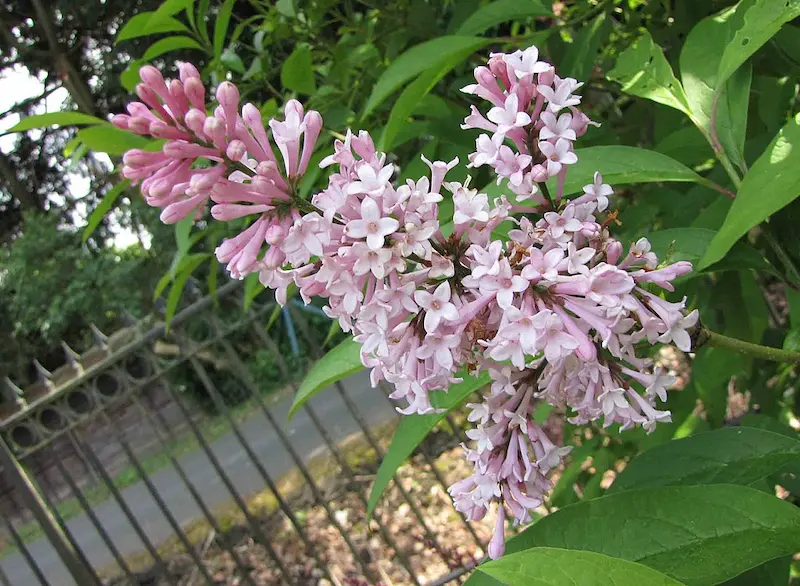
Caring for a Preston Lilac (Syringa x prestoniae)
Learn how to care for your Preston Lilac. Tips on planting, soil, watering, pruning, and more for a thriving garden addition.
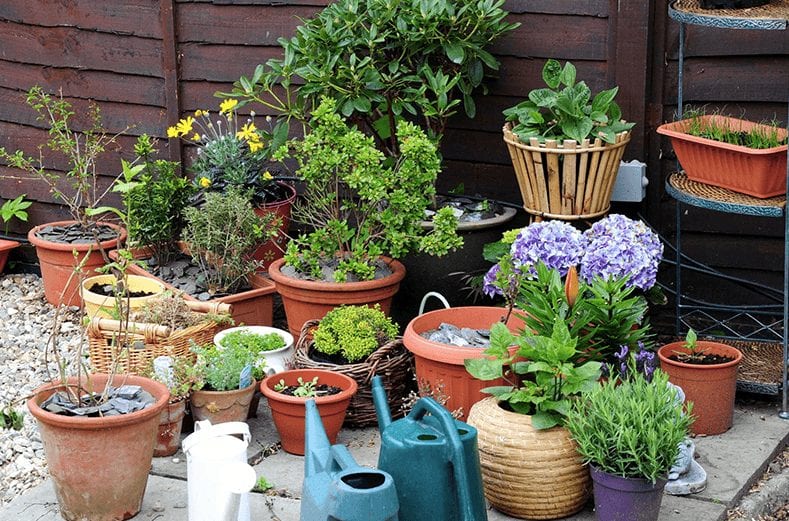
2018 Garden Trends: Containers, Privacy, Pollinators
Discover the big ideas on the 2018 gardening stage that are influencing plants breeders and designers. Learn about the rise in container gardening, plants for privacy and defensive planting, and the various dwarf varieties. Explore the big trends for 2018!
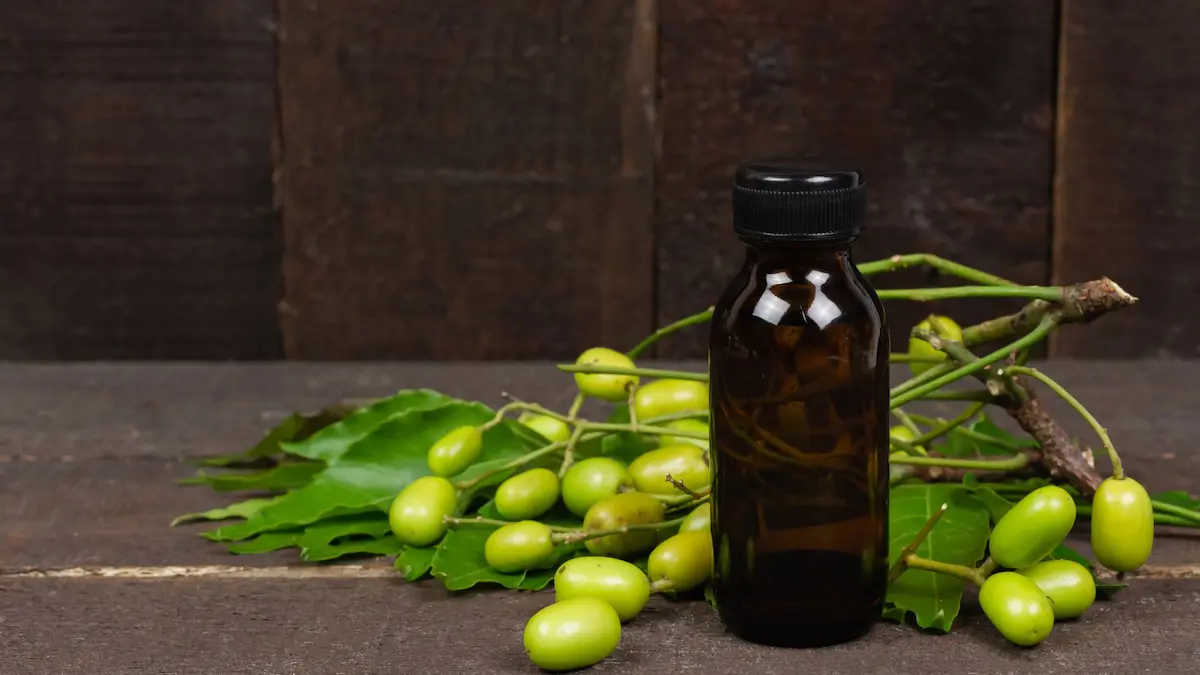
How To Use Neem Oil on Plants
Discover the benefits of using neem oil as a natural fungicide to protect your plants from insects, mites, and fungal infestations. Learn the steps here.
On Planting Daffodil Bulbs in the Fall
If you are fairly new to bulb planting, I suggest that you start with daffodil bulbs. Very few creatures will bother these bulbs. They do well in almost any situation, and they increase their number each year. Tulips, hyacinths, crocuses, and other tasty bulbs are more difficult. Greetings fellow gardeners,
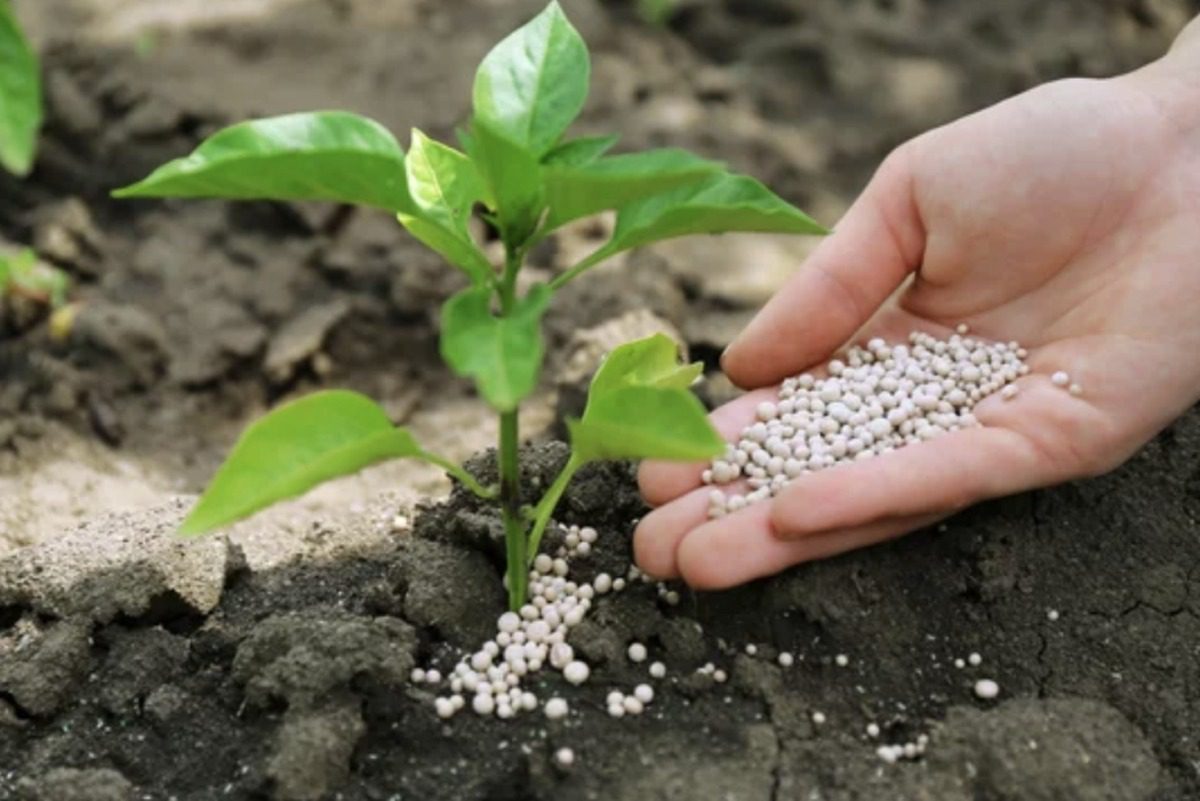
10-10-10 Fertilizer: Use And Benefits
Discover the benefits of using all-purpose 10-10-10 fertilizer for optimal plant health. Learn when and how to apply for maximum results.
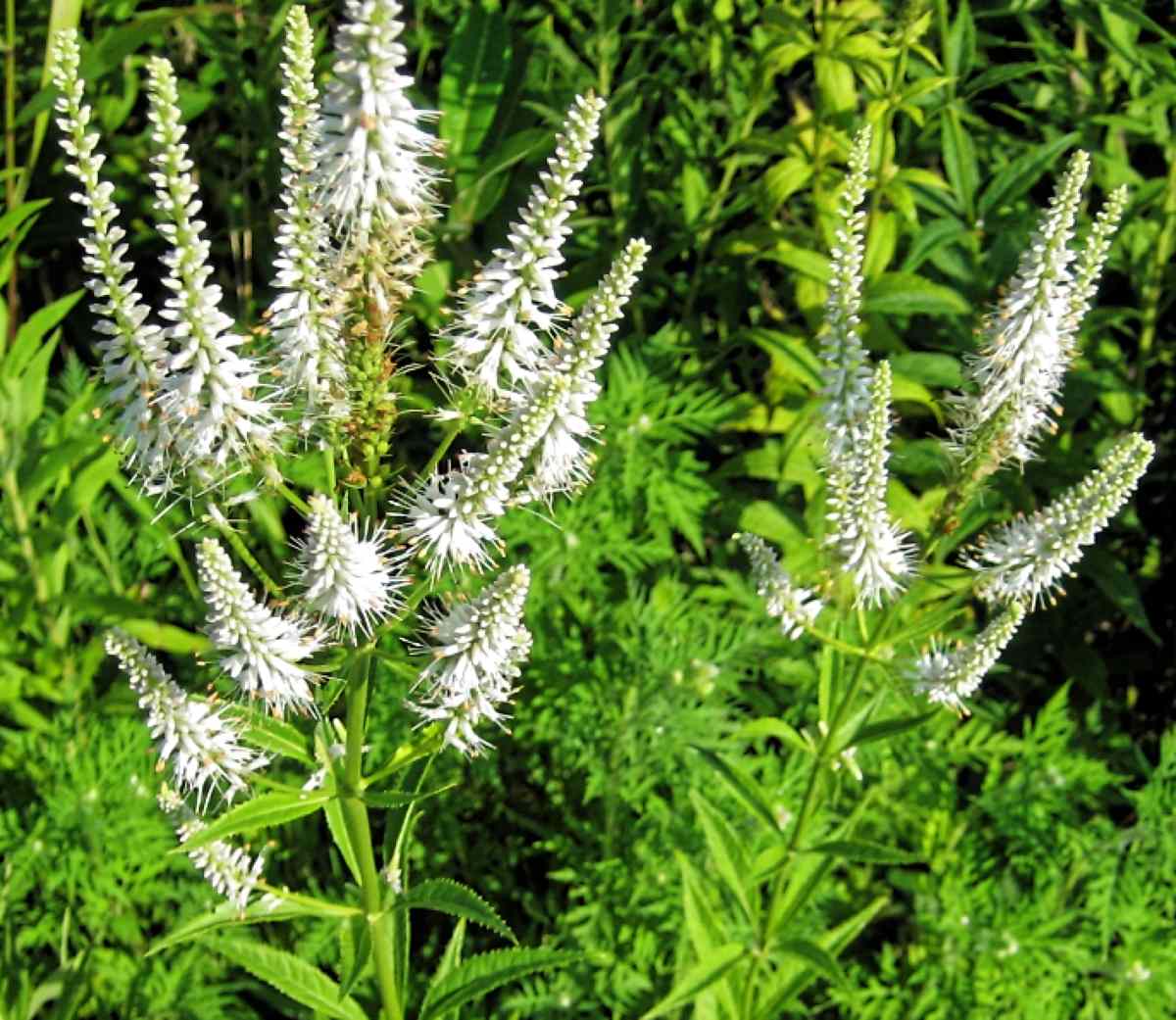
Culver’s Root is a Hardy Perennial
Veronicastrum virginicum, also known as Culver's Root, is a tall and hardy perennial that adds unique vertical accents to any yard for summer to fall. Perfect for prairies, damp meadows, and open forests, its cluster of white florets resemble a beautiful candelabra. An ideal choice for wildflower gardens and layered beds.
Leave a Reply
You must be logged in to post a comment.