White Baneberry and its Stunning Doll’s Eyes
Photo:
MacieicaM via Pixabay
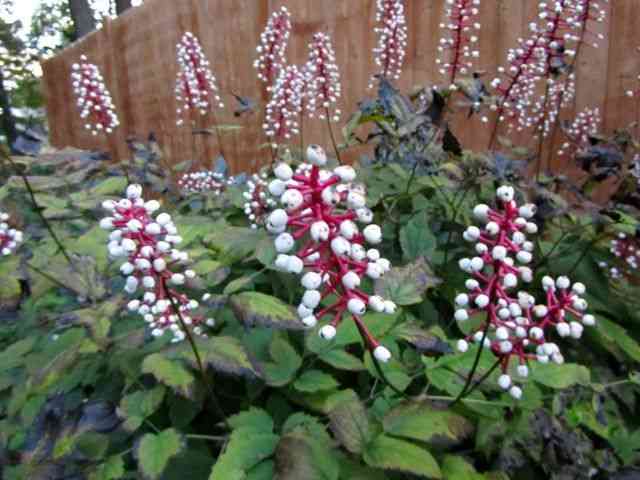
White baneberry, also known as Doll’s eyes, is a popular novelty plant to grow. In addition to its clusters of tiny white flowers, the plant produces white berries that have nearly black (deep purple) “pupils” that give the berries the appearance of traditional Chinese doll’s eyes. The berries are on attractive, deep pink stems.
This plant makes a pretty, low maintenance addition to your garden. Because the berries are toxic to most animals, the berries stay on the plants for a long time. Short-tongued bees, wasps, flies or beetles may collect the pollen, but the plant does not contain nectar.
Quick Growing Guide
Botanical Name: Actaea pachypoda
Also Called: Doll’s eyes, Bugbane
En français: Actée à gros pédicelles
Colour:
Blooms:
Sun / Shade:
Water: Regular watering needed, espcially during dry, hot days.
Height:
Width:
White baneberry thrives in partial shade to shade, and is recommended for shade gardens. In nature, it is found in shaded mixed woods and clearings.
Propagating Actaea pachypoda
Although this plant self-seeds, it is not known to spread aggressively or take over other plants.
White baneberry seeds should be planted in the fall or spring after the risk of frost has gone. In the late winter, start your seeds inside. Maintain moisture in the soil until the seeds germinate, then transfer outside in early spring. The plant will not bear fruit until the next growing season.
Caring for Doll’s Eyes, White Baneberry
A thin layer of mulch is recommended in the fall to protect the roots before frost. Cut back after fruiting.
Companion Plants
Companion plant suggestions for visual effects and complimentary colour contrasts include ferns, blue cohosh, geranium and hepatica.
Toxicity to Humans and Pets
Before you set your heart on growing white baneberry, be aware that the plant is extremely toxic, including the leaves, stalk, and especially the berries. This is not a good choice of plant for gardens where children or animals may roam. It can cause cardiac arrest in humans and dogs, and major discomfort for cats. However, because the berries are quite bitter, ingestion is unlikely to occur.
Doll’s eyes is not toxic to birds.
Eradicating White Baneberry
White baneberry is simple to eradicate. Saturate the soil surrounding your plant to make it simpler to take it out. Dig around the roots but do not damage them since roots left in the soil have the ability to develop a new plant. Remove any residual roots by digging in the dirt. Always use gardening gloves. To guarantee that no plants sprout, cover the area with cardboard or tarp for one growing season, and the place should be clear of baneberry.
Other
No common disease or pest problems.
The name (pachypoda) is said to be from the Greek words “packy” (thick) and “poda” (feet) because of the thick flower and berry stalks. An older scientific name for the plant is Actaea alba.
Comments

Gardening guidance for your area—and your garden
Join our newsletter for timely gardening guidance tailored to your area. Looking for a better value? Upgrade your newsletter for personalized plant-care guidance based on the plants growing in your garden.
Leave a Reply
You must be logged in to post a comment.