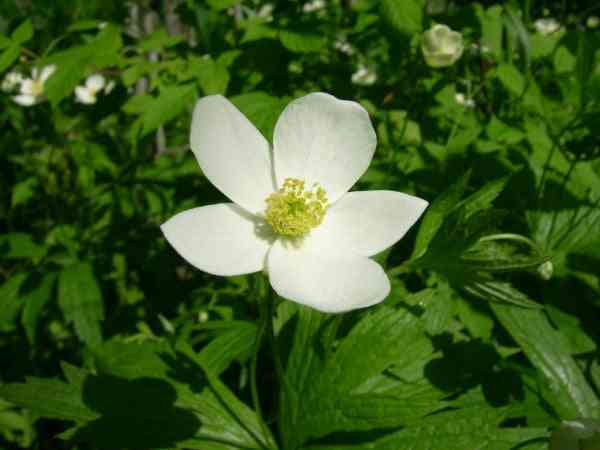
Canada Anemone Flower
The Canada anemone flower is an easy to maintain, dependable and hardy perennial ground cover that produces lovely white buttercup flowers. Because of its rapid growth and adaptability, it would be an ideal choice for those hard-to-grow open spaces in your garden. One of the reasons it makes a great ground cover is because it is an aggressive spreader.
As a summer bloomer, this showy wildflower is perfect for naturalizing in moist areas of a wildflower or native plant garden. In nature, it is found along stream banks, in wet woods, and in moist meadows. It may also be grown near streams, ponds, or water gardens.
Quick Growing Guide
Botanical Name: Anemonastrum canadensis
Also Called: Meadow anemone or roundleaf anemone
En français: Anémone du Canada
Colour:
Blooms:
Sun / Shade:
Water: Moist
Soil:
Height:
Pollinators:
Caring for Canada Anemone Flower
Easily grown in average, medium to wet, well-drained soils in full sun to part shade. Prefers moist, humusy soils in part shade, but tolerates full sun in cool summer climates. Avoid windy sites.
Companion Plants
Companion plant suggestions include Cardinal flower.
Comments

Gardening guidance for your area—and your garden
Join our newsletter for timely gardening guidance tailored to your area. Looking for a better value? Upgrade your newsletter for personalized plant-care guidance based on the plants growing in your garden.
Leave a Reply
You must be logged in to post a comment.