It continues to be busy around here. I have pots to empty and put away, but first I need to tidy up the potting shed. It would seem that the raccoons had a rave and pots are scattered everywhere. I might be grumbling a bit right now.
I have been in and out today as it is a bit cooler. There is a fire in the woodstove and the too-many cats are very happy. It is a difficult time of year to have a fire because often the temperature rises in the afternoon, and I end up sitting in a sauna.
I had the opportunity to hear Paul Zammit give a talk in person at the Ottawa Horticultural Society. It was a great talk, and he confirmed a lot of things that I have been saying over the years. Along with the delicious tea and treats, Brian Carson had offerings of double bloodroot and Canadensis was there looking for people to foster tree seeds. I signed up for some Bitternut Hickory tree seeds. I was warned that these seeds were like candy to squirrels and so forth.
Protecting Bitternut Hickory Seeds from Squirrels
Bitternut Hickory (Carya cordiformis) is a native tree, larger and shade tolerant. It would need a bit of space but would do well near swampy areas. I was to plant these seeds and bring them along for a couple of years until they were ready to transplant.
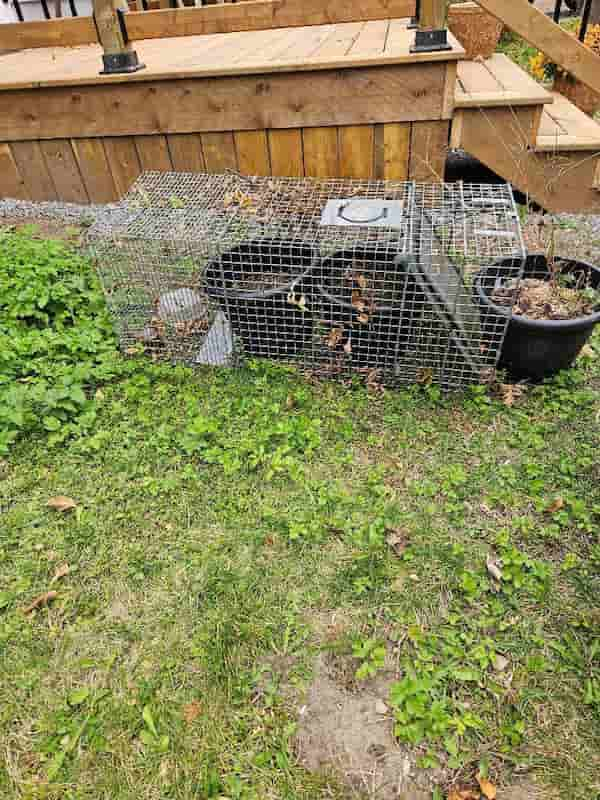
I wanted to be sure that these little seeds would make it through. I planted them in pots in a sheltered place and tried protecting them with chicken wire. I couldn’t guarantee their safety, so I had to think of another way. I couldn’t bring them inside because they would need the cold and snow. Suddenly I remembered my old live trap, and I put the pots inside of it. Now they are safe and ready for a winter’s nap.
Winter Seeds for Birds and Insects
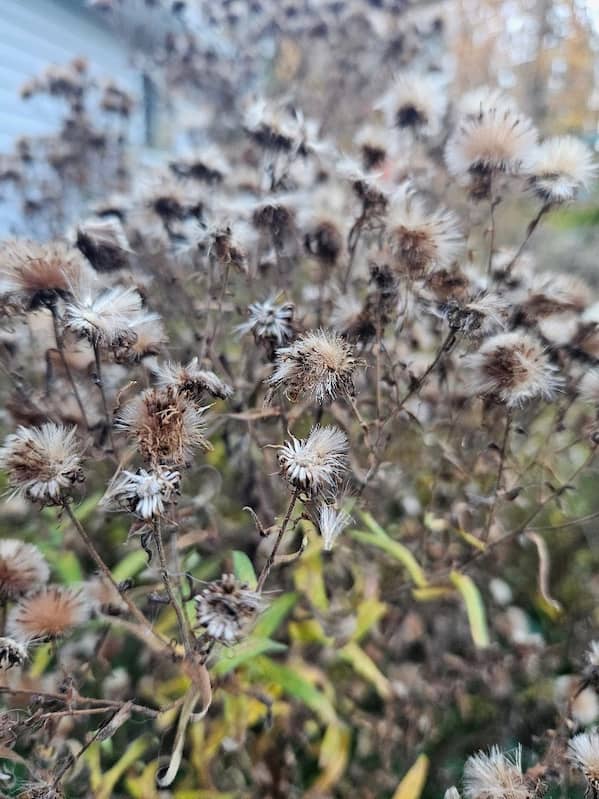
I like to leave a lot of my plants alone so the birds can have the seeds. I also want to make sure that I have habitat for the overwintering insects. The larger plants with their many seeds also catch the snow and this protects my tender perennials during the dreaded freeze/thaw cycle in January or February.
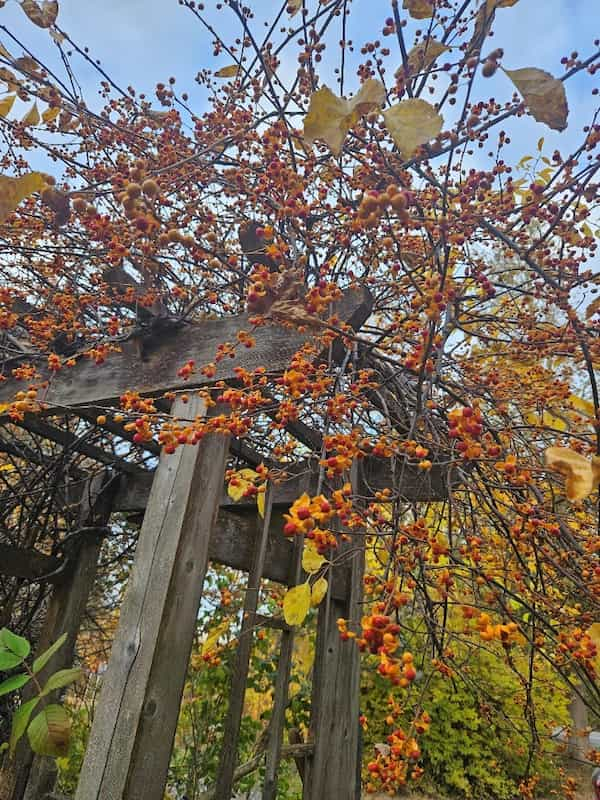
With the trees losing their leaves, I find a lot of my birds have lost their protection. Fortunately, I have a bittersweet vine near the feeder where the little birds can hide if the hawks or barred owls come by. I also have a heated bird bath so they can get water all through the season. The chickadees love it.
This week I have been taking time to really look at my garden, at the areas that I want to change and at all those little places that give me so much joy. I love all the different seed heads that are forming and how the mulberry lost all its leaves in one afternoon. I love the crispness in the air and that soon there will be snow to cover up all the things that I didn’t get done. Soon I will be organizing my seeds and planning for next year. Enjoy your week. Judith. (Email: sghorticultural@gmail.com) Veggie Bites are available at https://sghorticultural.wixsite.com/website or https://gardeningcalendar.ca/category/veggie-bites.
About the Author
Comments

Gardening guidance for your area—and your garden
Join our newsletter for timely gardening guidance tailored to your area. Looking for a better value? Upgrade your newsletter for personalized plant-care guidance based on the plants growing in your garden.
Leave a Reply
You must be logged in to post a comment.