Red Baneberry For Shade Gardens
Photo:
Krzysztof Ziarnek, Kenraiz, CC BY-SA 4.0
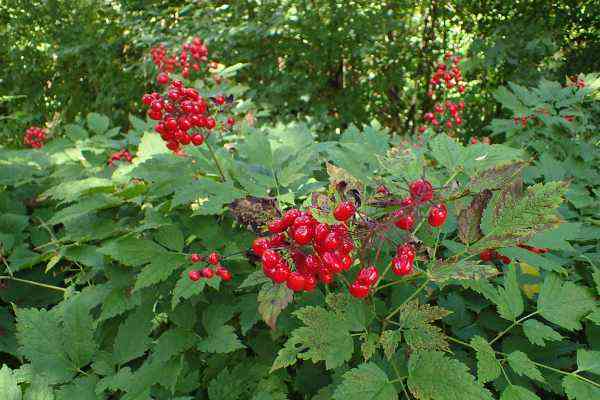
Red Baneberry (Actaea rubra) is a good choice for cool shade gardens due to its lovely leaves, blooms, and vivid red berries. Find it in nature in the woods and clearings.
The stalk of this perennial plant is 30 to 40 cm long (up to about 18 inches). It differs from white baneberry by having a rounder cluster of terminal blooms that are tiny and white. It has red berries on a thin green stem.
Caring for Red Baneberry
The preference is light to moderate shade, moist to mesic conditions, and a somewhat acidic soil consisting of sandy loam, loam, or clay-loam with decaying organic matter. Cut back after flowering or fruiting. The seeds are slow to germinate, typically taking 2 years or more under natural conditions.
Companion Plants
Companion plant suggestions include Sugar maple, white pine, white ash, red oak and basswood for the upper story. Plant this with other spring ephemerals such as spring beauty, toothwort, wild geranium, hepatica, bloodroot, zig-‐zag goldenrod. If the site is quite moist, add pagoda dogwood, starry Solomon’s plume, and skunk cabbage.
Toxicity to Humans and Pets
Like white baneberry, be aware that the plant is extremely toxic, including the leaves, stalk, rhizomes and especially the berries. This is not a good choice of plant for gardens where children or animals may roam. It can cause cardiac arrest in humans and dogs, and major discomfort for cats. However, because the berries are quite bitter, ingestion is unlikely to occur.
Comments

Gardening guidance for your area—and your garden
Join our newsletter for timely gardening guidance tailored to your area. Looking for a better value? Upgrade your newsletter for personalized plant-care guidance based on the plants growing in your garden.
Leave a Reply
You must be logged in to post a comment.