False Sunflower is a Hardy, Easy Bloomer
Photo:
Rusty Watson via Unsplash
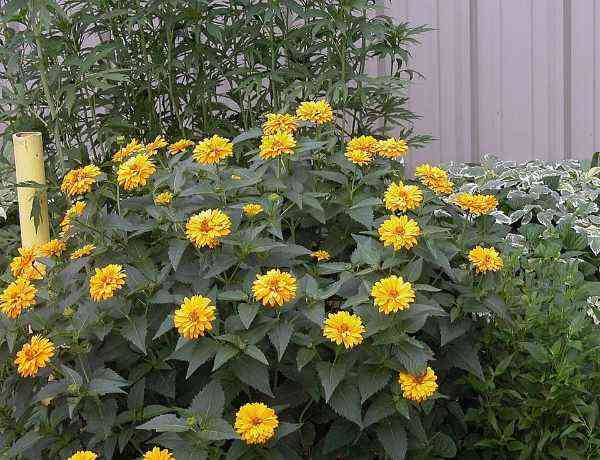
False sunflowers bloom throughout summer in the perennial border or cutting garden. It also works well in a native plant or wild garden, as well as in a naturalized planting or prairie environment. The false sunflower attracts birds, bees, and hummingbirds and is resistant to deer. They are simple to cultivate, drought-resistant, and resilient. It’s a winner!
The false sunflower blooms from June to August and is orange-yellow in colour. It is a perennial that, you guessed it, looks much like a smaller version of a sunflower. Heliopsis helianthoides is from Helios, who was the Greek sun god. They are multi-stemmed and are therefore good for planting near other clusters of flowers. In nature, is can be found in fields, meadows, borders, and at the endge of woodlands.
Quick Growing Guide
Botanical Name: Heliopsis helianthoides
En français: Tournesol Vivace
See More Plants in this Botanical Family:
Colour:
Blooms:
Sun / Shade:
Water: Average Water Needs.
Soil:
Height:
Pollinators:
Care:
Propagating Heliopsis helianthoides
They are best planted in the spring or fall, and they grow swiftly, though they are unlikely to flower in the first year. You may straight sow seeds in the fall or late August, and they should blossom by spring.
Caring for False Sunflower
False sunflowers may be grown in full sun in ordinary, dry to medium, well-drained soil. In heavy shade, stems may require support. To lengthen the bloom season, remove spent flowers.
If you find tha tyou sunflowers are falling over, stake by tying them to sturdy support using a cloth or other soft material. You may need to put up a wind barrier for extra tall sunflowers.
Companion plants
Consider planting with Asters, Liatris spicata, Turk’s cap lily, wild bergamot, yellow coneflower, and rosin weed.
Pruning Tournesol Vivace
Dead-heading is recommended to encourage fresh bud growth and maintain a clean appearance. False sunflowers can make excellent cut flowers. They are clump-forming rather than spreaders, so splitting them every 2-3 years in spring or fall will help protect them from withering in the centre. Simply cut them back in spring if you prefer a sturdier plant, since they may become top-heavy when overgrown. However, this will cause the blossoming season to be delayed.
False sunflowers do not have any severe insect or disease problems. Though aphids and powdery mildew can affect this plant, ensuring adequate air circulation for your plants usually alleviates both of these issues.
Medicinal
Always seek advice from a professional before using a plant medicinally. However, it has been reported that the false sunflower has been used to make therapeutic beverages. The leaves have been used to decrease fevers and loosen phlegm in a strong tea. Malaria has been treated with stem cells.
Comments

Gardening guidance for your area—and your garden
Join our newsletter for timely gardening guidance tailored to your area. Looking for a better value? Upgrade your newsletter for personalized plant-care guidance based on the plants growing in your garden.
Leave a Reply
You must be logged in to post a comment.