
A farmer’s market is a marketplace where local farmers, artisans, and food producers sell their goods directly to consumers. These markets offer a wide variety of products, often including fresh fruits and vegetables, dairy products, meats, baked goods, and sometimes even crafts and artisanal items. Here are some key aspects of farmer’s markets:
Benefits of Farmer’s Markets
Freshness and Quality: Produce sold at farmer’s markets is often harvested shortly before being sold, which means it’s typically fresher and more flavorful than what you might find in a supermarket.
Support for Local Economy: Purchasing from local vendors helps support small-scale farmers and artisans, contributing to the local economy and fostering community connections.
Seasonal Variety: Farmer’s markets typically reflect the seasonal produce of the area, allowing consumers to enjoy fruits and vegetables at their peak freshness and flavor.
Sustainability: Buying locally reduces the carbon footprint associated with transporting food over long distances. Additionally, many farmers at these markets use sustainable farming practices.
Unique Products: Many farmer’s markets feature artisanal products, such as homemade cheeses, preserves, baked goods, and crafts that you might not find in larger retail stores.
Community Engagement: Farmer’s markets serve as social hubs where people can connect with their community, meet the producers of their food, and learn more about where their food comes from.
Types of Products You Might Find
Fruits and Vegetables: Seasonal produce such as tomatoes, apples, lettuce, and berries.
Meats and Dairy: Fresh eggs, cheese, yogurt, and various types of meat.
Baked Goods: Artisan breads, pastries, pies, and cakes.
Prepared Foods: Ready-to-eat items like soups, sandwiches, and ethnic foods.
Crafts and Artisanal Goods: Handmade jewelry, candles, and home décor items.
Tips for Shopping at a Farmer’s Market
Bring Cash: While more markets are starting to accept cards, cash is still the most widely accepted payment method.
Arrive Early: Popular items can sell out quickly, so arriving early can give you the best selection.
Ask Questions: Don’t hesitate to ask vendors about their products, growing practices, and recommendations for preparation.
Bring Your Own Bags: Many markets encourage bringing reusable bags to reduce waste.
Be Prepared for Crowds: Some markets can be busy, especially on weekends, so be prepared for a lively shopping experience.
Comments
More From Gardening Calendar

How to become a landscape photographer in Toronto: working in gardens
How do you turn your passion for landscape photography into a job? A step-by-step guide on how to make money capturing the beauty of gardens in Toronto. Where to find a job as a landscape photographer?

The Significance of Bridges in Japanese Gardening
Discover the spiritual symbolism and practical uses of Japanese bridges – from their history in the Heian Period to their iconic red color. An exploration of their history, design, and spiritual impact on the Japanese garden experience.
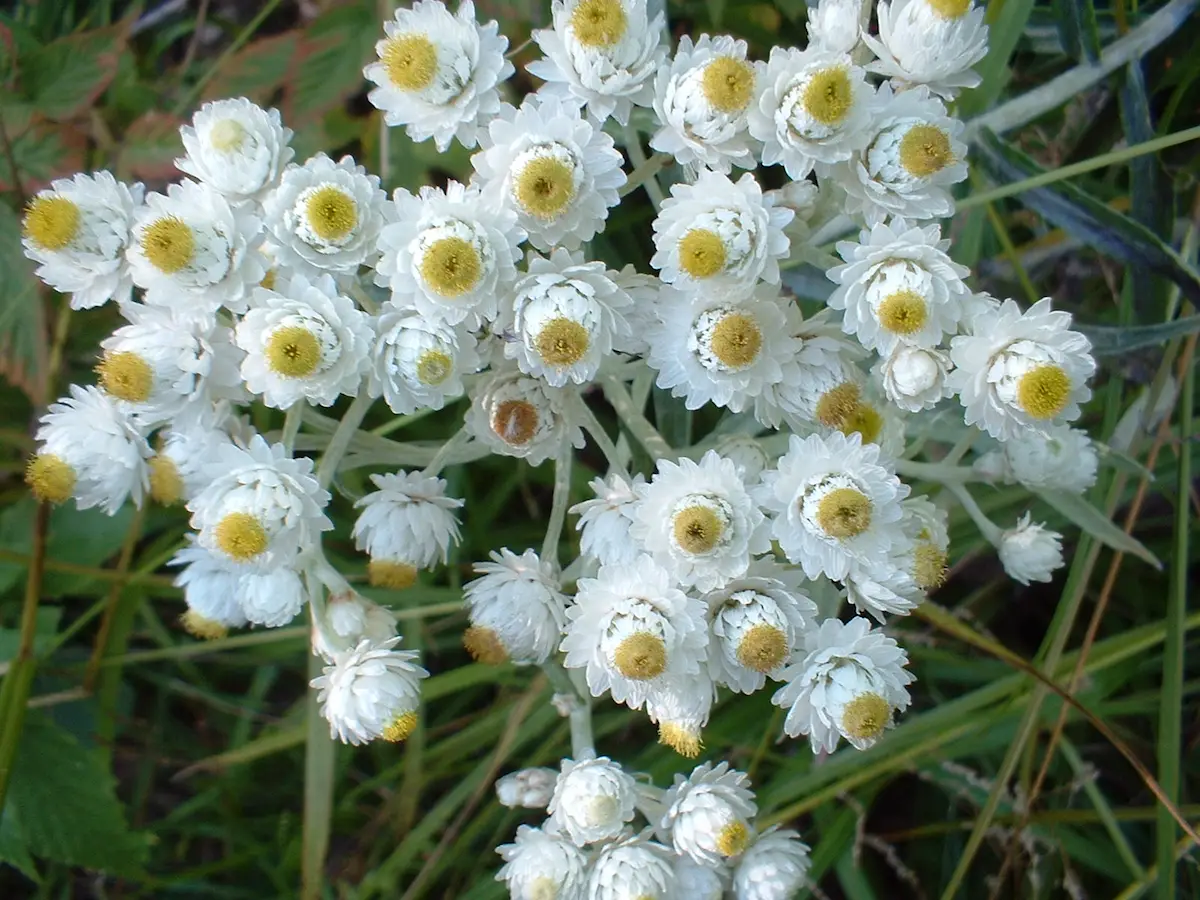
Pearly Everlasting is a Butterfly Larvae Host
Pearly everlasting features yellow flowers enclosed by white papery bracts which grace this beautiful wildflower in summer.

Rose Pests: European Rose Sawfly and Rose Plume Moth
Learn about the different types of caterpillars that attack rose buds and leaves, and discover effective strategies to prevent and control infestations in your garden.

Toxic Plants for Dogs and Cats, and Safe Flowers
Discover the best plants and flowers for dogs and cats, while learning about toxic options to protect your beloved pets. Consult with a vet if needed.

Apartment Plants To Bring Nature Indoors.
Apartment plants are a great way to add some green to any space, and they’re not as hard to maintain as you might think.
Leave a Reply
You must be logged in to post a comment.