Gardening can be a great hobby for people that love spending their leisure time outdoors to connect with nature. However, having the right gardening tools will make cultivating your plants easier. Here are the 5 essential garden tools to help you work on any garden project you may have with ease.
Do you want more? Here is a list of 12 essential tools for begineners and pros.
Gloves
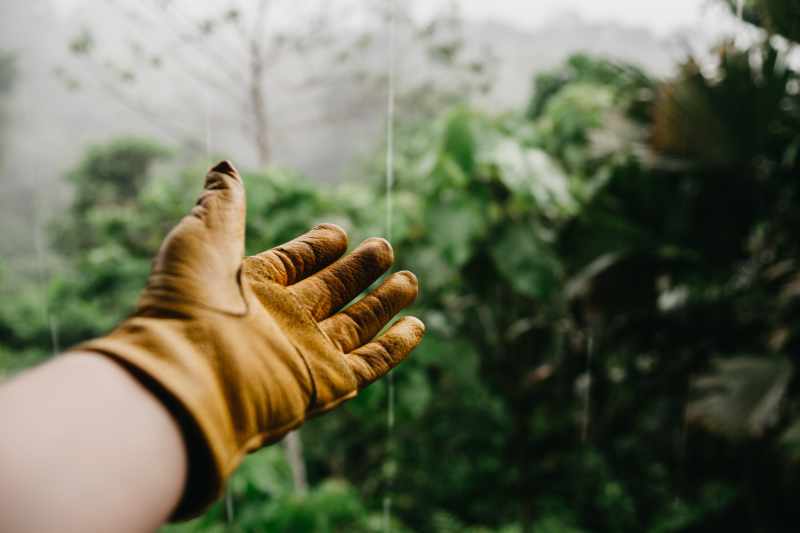
If you have ever tried cutting back thorny shrubs or pulling up nestles without gloves, then you will understand why we have put them on top of this list. Even handling plants that look harmless can leave your hands irritated if they are unprotected.
Prolonged use of garden tools can also damage your bare hands through friction and pressure. So, a pair of good gardening gloves is something you may need to consider seriously to help you avoid unwanted blisters. A pair of gloves will also reduce scratches and cuts while providing bare-hand sensitivity and excellent grip.
Hose
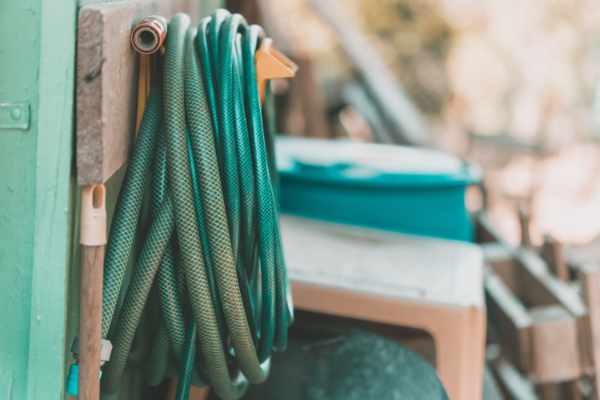
A hose is another indispensable garden tool that you should not forget to add to your tool shed. A hose will enable you to water your entire garden and keep it healthy and alive. Although a watering can will help you do the job, it would be good to water your garden using a hose, especially if you have a big garden.
Depending on the types of plants you have, a regular garden hose normally works. Some plants require slow, deep watering. For a more robust solution, you could opt to put in a sprinkler system.
Wheelbarrow
A wheelbarrow will save you time as you won’t have to make multiple trips to haul all your gardening tools to your job site. Also, you are likely to have a lot of waste material when you are taking care of weed infestation or digging out new gardens. Even if you have a compost heap, all of this waste has to get there.
If you do not intend to carry the debris over to the heap, then a wheelbarrow should be one of the tools in your garden shed. You can save a lot of effort with a good wheelbarrow. However, ensure the tyres are inflated properly before you start working.
Knee Pads
If you want to save your knees, then you may need to look for a quality pair of knee pads. Over time, kneeling down in the garden to dig will take a toll on your kneecaps. If you can’t stand the pain in your knees any longer, getting a pair of knee pads will be a good idea.
The pads will protect your knees against scrapes and cuts on any terrain. They also have soft foam padding to give great comfort and cushion when kneeling. The pads also remain in place and do not slip down during use.
Pruning Saw
Normally, you would associate a saw with cutting pieces of wood for different woodworking projects. However, a quality hand pruning saw is a tool that gardeners should also have. Pruning shears might be perfect for small branches on trees and plants.
However, larger branches require something with more cutting power. A pruning saw is ideal for this since it will give you control when sawing branches. Great care should be taken when handling pruning saws because they cut with a pull action.
Wrap UP
No matter how weedy your garden may be, these tools will get the job done as it is hard to do without them. So, if you want your garden to be the envy of your neighborhood and to keep it beautiful, invest in these gardening tools.
Comments

More From Gardening Calendar
Organizing My Seeds
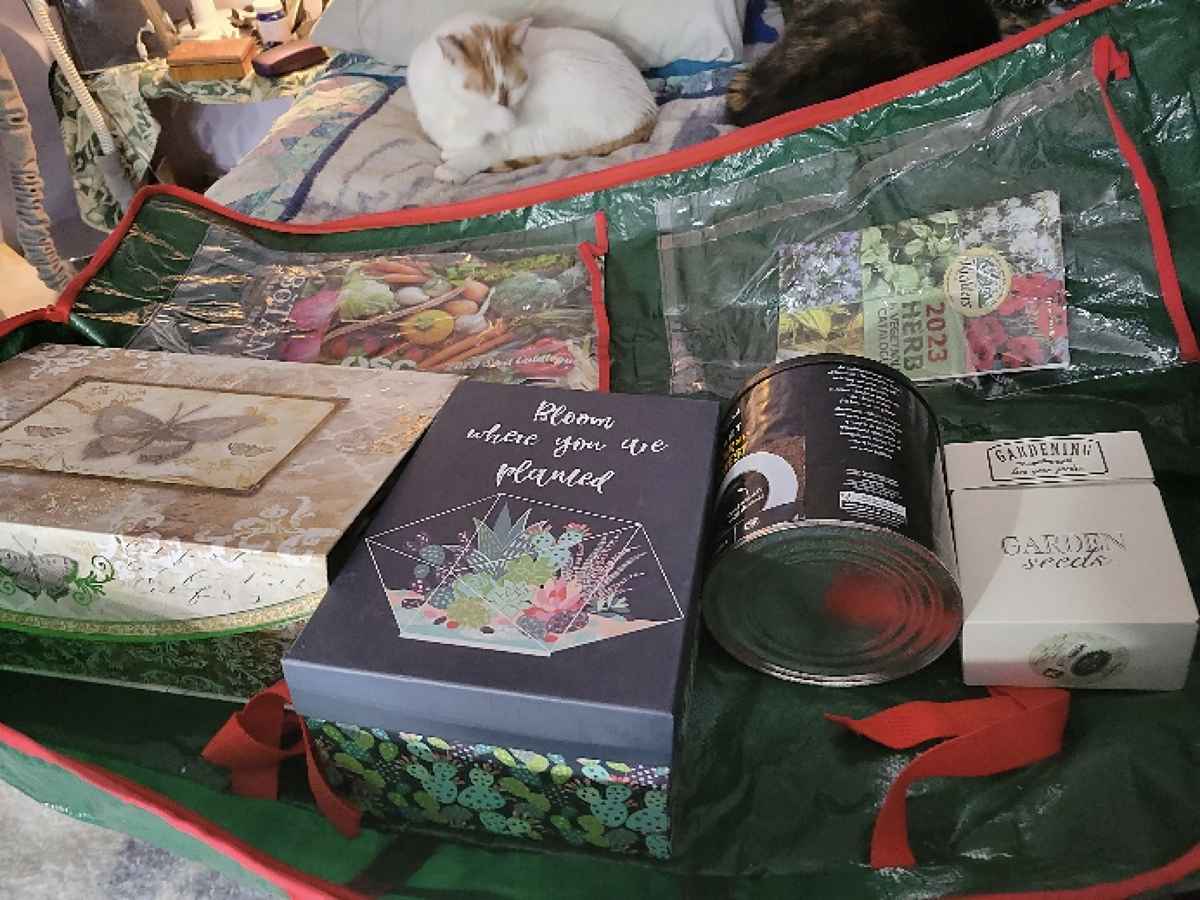
Organize your seeds for winter and get ready for the next growing season- use a Christmas container to store your seed catalogues and packages for convenient access when you need them. Let the too-many cats help you clean off the top two shelves of the plant compound and get ready for the dirt.
Seed Sources in Canada
One of my dear friends found a seed resource and seed sources on Facebook. I thought you might find it interesting.
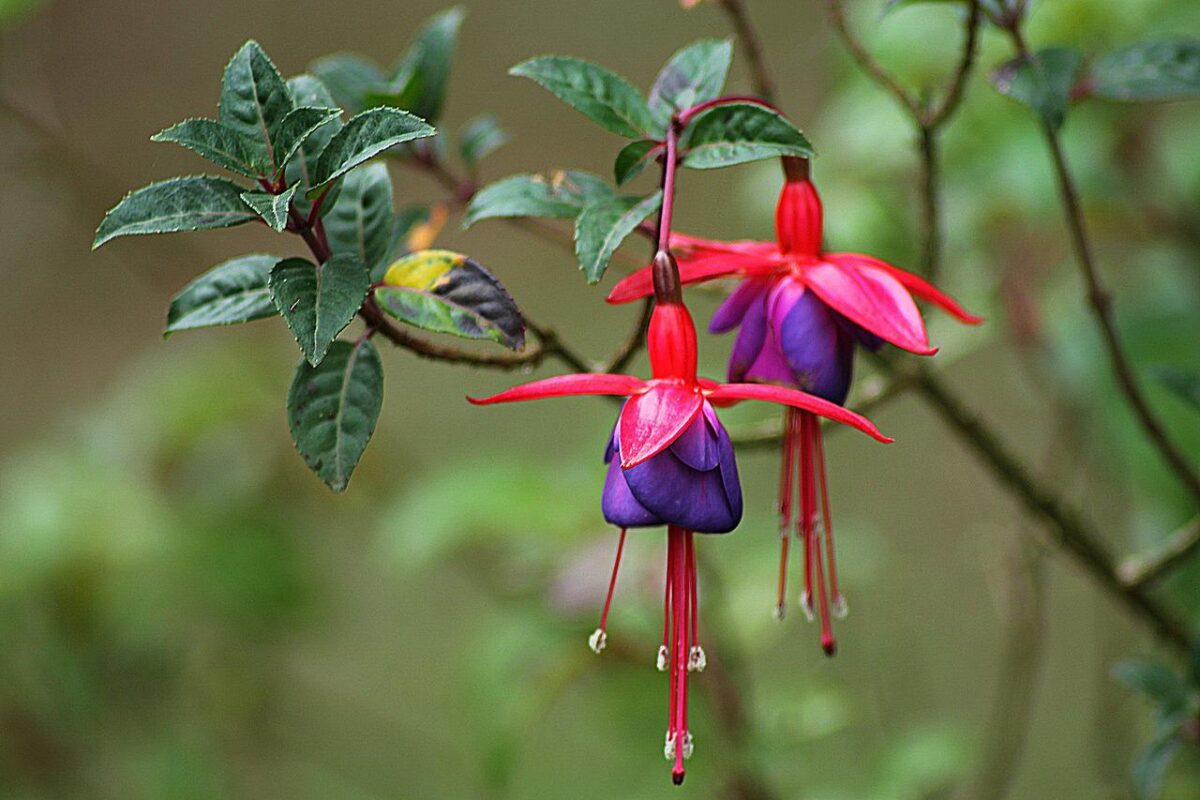
How To Care For The Appealing Fuchsia Plant
Fuchsia plant care can be done by anyone. They can be pruned and shaped into beautiful hanging baskets with a wide array of colours.
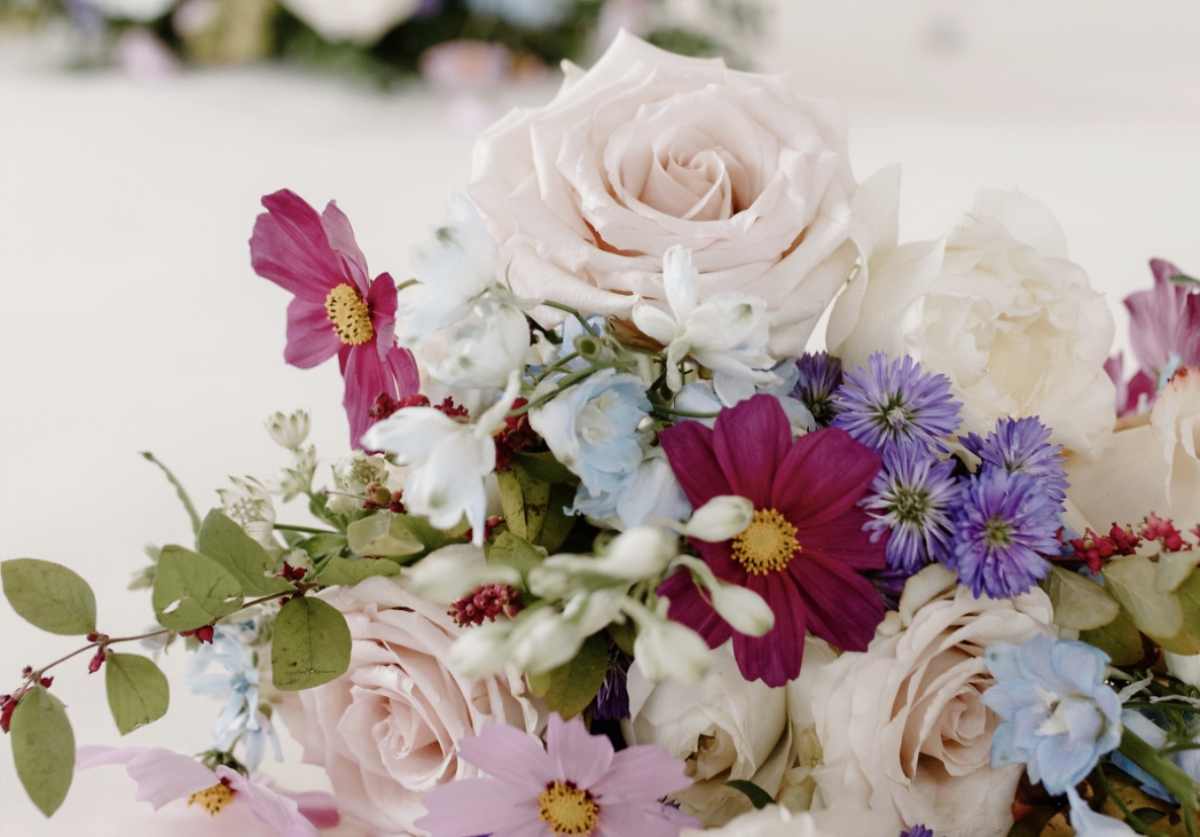
The Meaning of Gorgeous Flowers
Find out what each type of flower means – peonies, iris and more – and how you can express yourself by sending a bouquet to your loved ones.
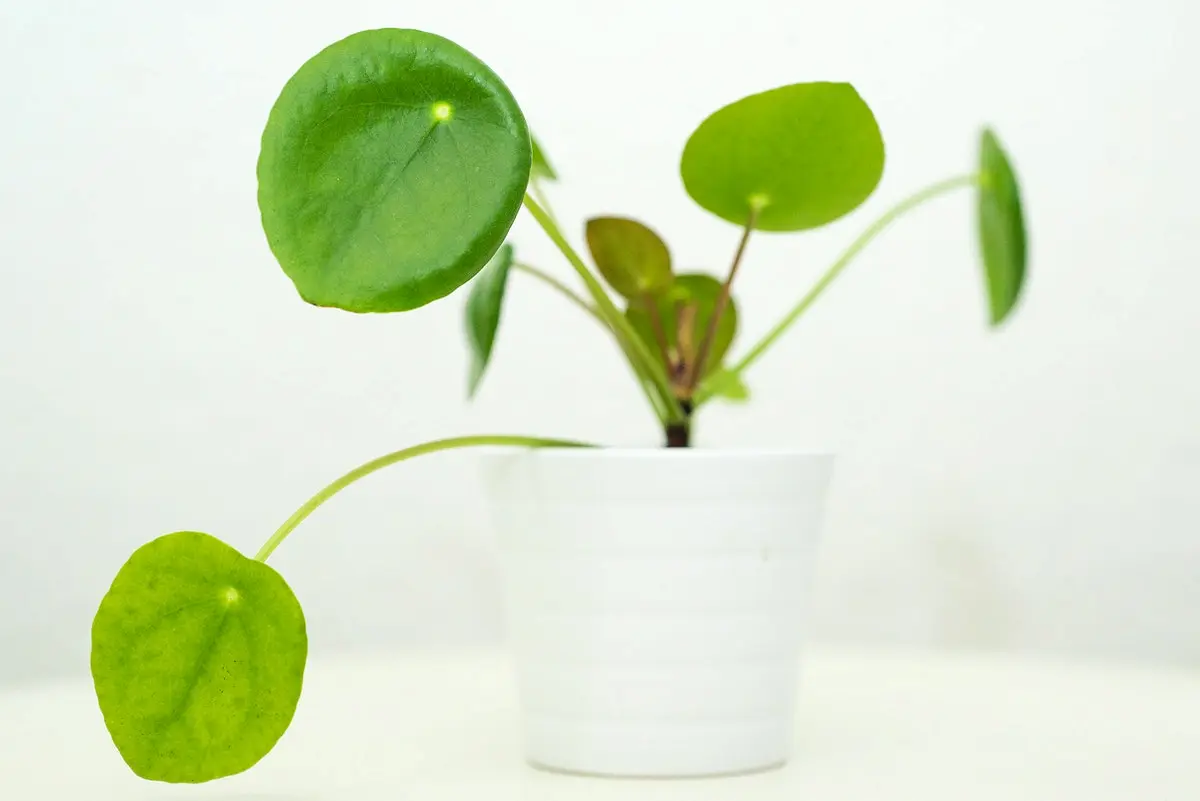
Pilea Plant Grows Rapidly and Pleases
The pilea is a beautiful treasure. It is cheerful and aesthetically appealing, and quite easy to care for. It grows rapidly.
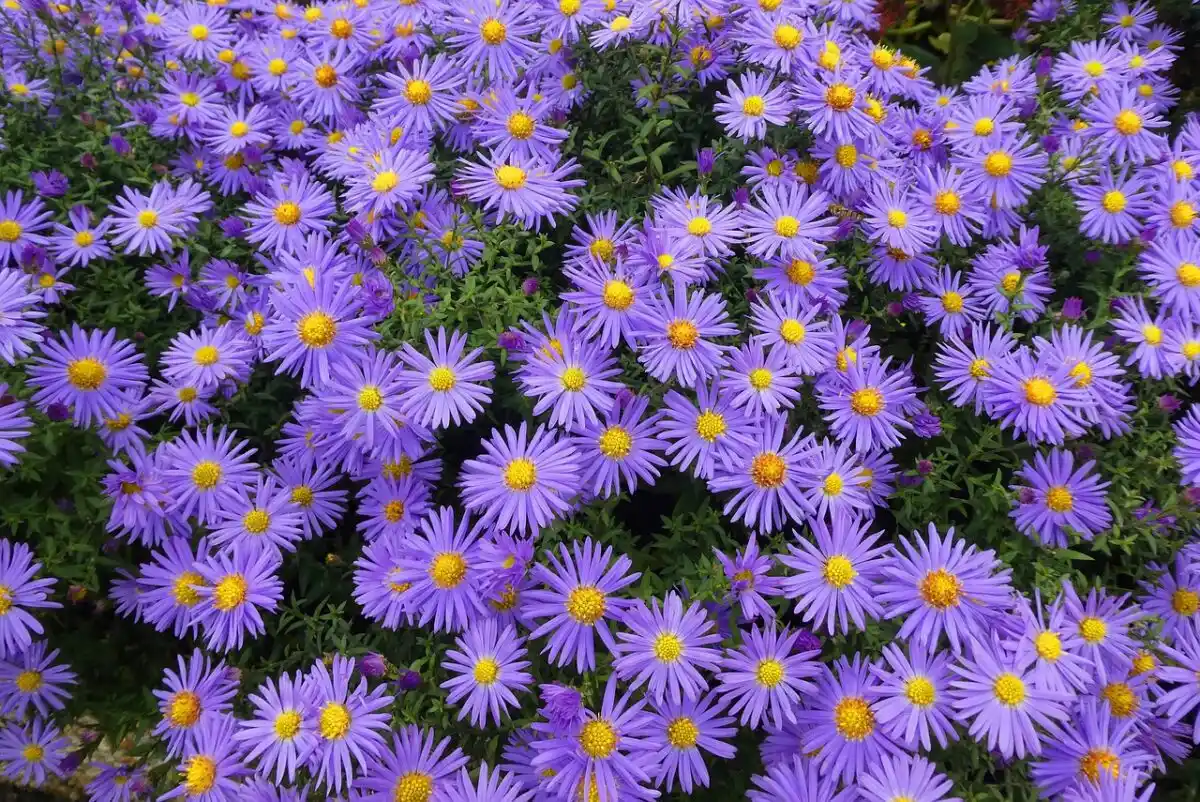
New England Aster for Late Season Blooms
New England Aster is a stunning late season bloomer with masses of purple petals with yellow cores, provides vital nutrition for pollinators.
Leave a Reply
You must be logged in to post a comment.