Rosa
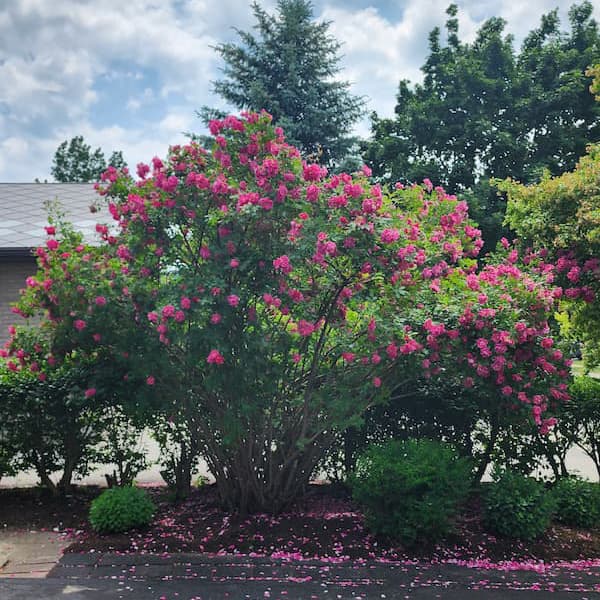
Rosa
Rosa spp.
Roses are long-lived woody perennials grown as shrubs or climbers for colourful flowers from late spring into fall. They suit sunny gardens with moderately moist, well-drained soil. Cultivar choice matters across Canada: select roses rated for your local Canadian hardiness zone and site conditions.
Also known as: rose, roses, Rosa spp., Roses
Plant at a glance
What this plant is like
Rosa spp. includes shrub and climbing roses, with flowers in cream, yellow, orange, pink, purple, red, white and variegated tones. Many garden roses repeat flower from late spring until frost. Mature forms range from compact roses to large climbers, so the cultivar determines the planting space and garden role.
Where it grows best
Choose full sun and well-drained, organically enriched loam or clay soil with a slightly acidic pH of 6.0 to 6.5. Roses need medium moisture but do not tolerate drought or prolonged waterlogging. In Canada, compare the cultivar’s hardiness with your local zone and consider wind, drainage, soil, rainfall and snow cover, not the zone number alone.
Garden and wildlife value
Roses provide ornamental colour in borders, cottage gardens, hedges, cutting gardens and containers when the cultivar is suitable. Flowers provide nectar and pollen for bees and other pollinating insects. Rose hips can feed birds and small mammals, while thorny growth can provide cover and serve as a security hedge. Hips are also an edible plant part.
Everyday care
Water deeply at the root zone, letting the soil surface dry slightly between waterings. Keep foliage as dry as practical and avoid waterlogged soil. Container roses need particular attention because drainage problems can quickly leave roots saturated. Maintenance is moderate to high, especially where disease monitoring and regular deadheading are part of the garden routine.
What to do through the season
In late winter or early spring, remove dead, damaged and crossing stems and lightly shape the plant. Deadhead spent flowers on repeat-flowering roses if more blooms are wanted; leave them if rose hips are desired. Roses are frost-sensitive, so winter protection and spring recovery depend on the cultivar and local conditions.
Corrective and preventive care
Good drainage, root-zone watering, dry foliage and open air movement reduce disease pressure. Remove fallen or infected plant material where practical. Prune damaged stems back to healthy tissue. Repeated or severe symptoms, substantial leaf loss, damage extending into major canes, or crown involvement warrant closer assessment.
Use visible symptoms to guide limited first responses; do not treat these observations as confirmed diagnoses.
Before you plant
Confirm the cultivar’s Canadian hardiness rating, mature form and intended use before buying. Allow enough room for its eventual spread, and provide a sunny site that has not recently grown roses when possible. For containers, choose a cultivar identified as suitable and plan for reliable drainage. Imported Rosa propagative material may be subject to Canadian phytosanitary requirements.
Ecological and wildlife value
Ecological value is supported for some native roses, but it varies with species, flower form, fertility, and hip production.
Seasonal actions
Seasonal actions should be triggered by plant dormancy, frost, and soil-freezing conditions rather than fixed Canadian dates.
Problems and symptoms
Possible concern: black spotWhat to watch for: Dark leaf spots, often accompanied by yellowing.
Check first
- Inspect leaves for dark spots with yellowing.
What to do
- Water at the base and improve airflow around the plant.
- Remove and dispose of infected leaves and fallen debris where practical.
When to get help
Escalate if spotting continues to spread, causes substantial defoliation, or affects new growth despite sanitation and improved airflow.
Possible concern: powdery mildewWhat to watch for: White coating on leaves.
Check first
- Inspect upper and lower leaf surfaces for a white coating.
What to do
- Prune during winter to improve light penetration and air circulation.
- Remove severely infected shoots during the growing season and dispose of affected material.
When to get help
Escalate if infection is severe, repeatedly returns, or substantially reduces foliage after airflow and sanitation measures.
Possible concern: cane diebackWhat to watch for: Stems brown from the tips.
Check first
- Inspect stems for browning that progresses inward from shoot tips.
What to do
- Maintain appropriate winter protection and avoid retaining visibly diseased or damaged canes; cultivar-specific prevention is not established by the retrieved source.
- Prune affected canes back to healthy tissue and remove the diseased material.
When to get help
Escalate if browning continues into major canes, affects the crown, or recurs broadly after removal to healthy tissue.
Garden and landscape value
- ornamental flowering display
- rose hips with wildlife and human-use value
- thorny structure useful for security hedging
- long-lived shrub form in wild roses
- ornamental shrub planting
- cottage gardens
- cutting gardens
- border planting
Shared care guide
Accepted guidance for this plant and its care groups. Follow the stated conditions and local timing; optional planting or propagation methods apply when you choose that project.
Water — Water roses according to root-zone need
Direct needed water to the root zone. Distinguish establishing plants from established roses and avoid saturation.
Timing: Root-zone assessment, especially during establishment and dry periods.
Precautions: No universal interval or volume. Container care needs a separate method.
Why this applies
Assigned at Roses.
Plant care classification: Roses
Method source: Roses
Propagate by cuttings — Propagate a rose using dormant hardwood cuttings
Select healthy, mature shoots from the current season. Prepare 15–30 cm cuttings, cutting below a bud at the base and above a bud at the top; remove the soft tip. Insert about two-thirds of each cutting into prepared, free-draining soil. Label and keep the soil from drying out while roots develop.
Timing: Use dormant material after leaf fall and before bud burst; avoid severe frost. Confirm a suitable local propagation site and overwintering plan. UK calendar months are not Canadian dates.
Precautions: Rooting success varies; Explorer membership alone does not establish success for every cultivar. Cuttings produce own-root plants; performance can differ from a grafted parent. Check plant identity, material suitability and the intended use before starting.
For a chosen propagation project: Use dormant material after leaf fall and before bud burst; avoid severe frost. Confirm a suitable local propagation site and overwintering plan. UK calendar months are not Canadian dates.
Before starting, confirm:
- Rose is dormant after leaf fall and before bud burst
- No severe frost during the operation
- Healthy mature rose shoots and propagation suitability are confirmed
- Free-draining propagation site and local overwintering plan are ready
Why this applies
Assigned at Roses.
Plant care classification: Roses
Method source: Roses
Pruning and deadheading
Prune dead, diseased, damaged, or crossing canes back to healthy live wood. For repeat-flowering roses, deadhead spent flowers when additional blooms are preferred; leave spent flowers when hips are desired. Make major structural cuts during late winter or early spring, after winter injury is visible and before strong new growth; in cold regions, this may be late April or early May.[6][7]
- Best timing: Late winter or early spring for structural pruning; late April to early May may be appropriate in cold regions. Deadhead during flowering when continued bloom is desired.
- Decision cue: Remove dead, diseased, damaged, or crossing canes when observed.[6]
- sanitation and renewal pruning: Late winter or early spring; cold-climate guidance places structural pruning around late April to early May.[6][7]. Cut back to healthy live wood; remove dead, diseased, damaged, and crossing canes.
- deadheading: During flowering and after each flush of spent blooms.. Remove spent flowers when repeat flowering is wanted; retain them if hips are desired.
- Pruning approach: prune marginally hardy stems back to live wood
- Pruning approach: deadhead repeat-flowering roses
- Caution: Do not make major shaping cuts in autumn or prune climbers that flower on old wood before their flowering cycle is understood.[6]
- Caution: During the growing season, avoid heavy pruning of plants affected by powdery mildew because new shoots may be especially susceptible.[5]
- Known limitation: Rosa spp. includes roses that flower on new wood and climbers or shrubs that flower on old wood, so cultivar flowering habit must be confirmed before structural pruning.
Read more on GardeningCalendar
Personalize for your garden
Tell us a little about your garden to see how this plant fits your zone, light and growing conditions. No account is required.
These garden conditions stay in this browser for Gardening Calendar. Sign in to keep your garden information with your account.
How this plant fits your garden
Enter your conditions above to see matches, cautions, and seasonal guidance.
Did you find what you were looking for?
Let us know what was useful or what this plant profile is missing.
Care for roses throughout the year
Browse reviewed guidance by activity. Timing and suitability vary with the rose, conditions and location.
Seasonal care · Canadian zone 5
These are broad windows, not due dates. See the activity below for its conditions.
Grow under lights
Manage photoperiod
Grow under lights
Manage photoperiod
No reviewed window yet.
Transplant
Cut back
Inspect winter damage
Transplant
Cut back
Inspect winter damage
No reviewed window yet.
Graft
Graft
Graft
No reviewed window yet.
Add compost
Mulch
Grow under lights
Manage photoperiod
Grow under lights
Manage photoperiod
Plant stage care
Check the plant and the guidance before acting.
New plants and seedlings
Prick out only when the germinating seedling has developed the visible root or seedling stage required by the applicable protocol; handle gently.
Dormancy and winter
Plant bare-root roses after winter dormancy has ended enough for the soil to thaw and become workable, before active growth is advanced; plant container roses only after local frost and hardening-off conditions make outdoor planting suitable; transplant rooted cuttings after a well-developed root system, approximately after one year where the RHS rule applies.
Cut suitable dormant branches indoors when the plant has experienced dormancy and the buds begin to swell in anticipation of spring.
Begin dormancy-related adjustments when nights cool, growth naturally slows, and the rose is hardening off toward dormancy; for forcing, wait until dormancy has occurred and buds begin swelling.
Begin or continue the relevant moist-cold or other prescribed stratification treatment when the applicable Rosa seed lot requires dormancy breaking before planting; follow that species or lot's documented sequence and duration.
Flowering and after flowering
If foliar feeding is specifically chosen, act only when the product label permits it and the relevant local conditions are relatively cool and compatible with the plant's growth and bloom stage; test a few leaves before broader application.
During the supported rose's flowering or growing stage, remove flowers when petals fall, turn brown, or otherwise become spent; stop when late-season winter preparation or desired hip formation calls for leaving flowers in place.
For routine spring cut-back, wait until buds begin to swell, winter protection has been removed, and the danger of a hard freeze has passed. For once-blooming roses on old wood, prune after flowering instead.
Cut when the bloom reaches the supported opening stage—approximately one-half to one-third open—and condition the stems promptly in cool water.
Hips and seeds
Collect when hips are ripe and fully coloured, then extract and clean the seeds as soon as practical; begin the identified seed lot’s validated stratification stages rather than following a generic calendar.
Explore all care
Grow more plants · 13 activities
Sow (indoors)
About: Rosa seeds may be planted in containers and moved to warmer conditions after cold treatment; one extension source specifically describes planting refrigerated seeds in pots in a sunny window and keeping seedlings indoors until frost risk has passed.
Applies when: Genus-level evidence supports container sowing after stratification. The indoor timing and procedure are described for rose seed generally by New Mexico State University, while Iowa State University notes that treatment requirements vary among species.
Method: After any required dormancy treatment, sow in a small container or potting mix under cover; provide warmer germination conditions and adequate light.
Timing: After the required cold treatment; keep young plants indoors until outdoor frost risk has ended, according to the cited source.
Plant stage or condition: Begin indoor sowing after the applicable species-specific dormancy treatment is complete; keep seedlings under cover until local frost risk has passed.
Check first: Applicable to Rosa seed after any species-specific dormancy treatment; use containers under cover and keep seedlings indoors until local frost risk has passed. Canadian hardiness zone 5 is not treated as equivalent to USDA zone 5.
Precautions: Indoor sowing is supported as a post-stratification method, but the cited evidence does not establish that it is appropriate for every Rosa species or cultivar. Seed-grown roses may not reproduce hybrid-parent traits.
https://yardandgarden.extension.iastate.edu/how-to/how-propagate-roses
https://swyg.nmsu.edu/2014/072614.html
https://extension.umn.edu/about/our-stories/news/yard-and-garden-news/february-garden-checklist
Sow seed
About: Rose seed can be sown in containers after treatment or in a nursery bed and overwintered outdoors. The Forest Service review states that rose seeds are normally dormant at maturity and generally require pretreatment.
Applies when: Rosa-genus evidence supports seed sowing, but the appropriate treatment and duration are subgroup-specific. Iowa State University reports that some species need warm treatment before cold treatment, while others can be sown outdoors for overwintering.
Method: Clean seed where appropriate, then sow in potting mix or a nursery bed; use a location and placement that permits the required warm or cold treatment for the species.
Timing: Either sow in a nursery bed in autumn for overwintering, or sow after the applicable pretreatment; no universal Rosa calendar schedule is established by these sources.
Plant stage or condition: Sow when the species-specific warm/cold treatment sequence is complete, or when choosing outdoor overwintering specifically to provide that treatment; use only seed and a site appropriate to the local winter.
Check first: Sowing may be in containers or a nursery bed. Outdoor sowing requires a species suitable for local winter exposure and the correct dormancy sequence; indoor sowing requires pretreatment first. Do not apply one schedule to all Rosa species or cultivated hybrid roses.
Precautions: Sowing requirements vary by species and seed lot because Rosa seeds commonly have dormancy and may germinate slowly or unevenly. Seed-grown plants can differ from hybrid parents.
https://yardandgarden.extension.iastate.edu/how-to/how-propagate-roses
https://www.fs.usda.gov/nsl/Wpsm/Rosa.pdf
https://www.umt.edu/media/wilderness/toolboxes/documents/restoration/pdf06232815dpi72pt18.pdf
Stratify
About: Cold, moist stratification is the most commonly applied treatment for removing rose-seed dormancy, and achenes of many species eventually germinate after sufficiently long chilling.
Applies when: Broad Rosa evidence supports the practice. Species-level variation is explicit: some species need a warm treatment before cold treatment, while cold periods corresponding to one winter are sufficient for some prairie, multiflora, and wichura roses.
Method: Keep cleaned seed moist during a controlled cold treatment, such as in a suitable moist medium or on a moistened support; sow after treatment and provide germination conditions appropriate to the seed.
Timing: Before germination, during the seed-dormancy phase; the cited sources describe cold treatment before moving seed to warmer germination conditions.
Plant stage or condition: Start or continue cold, moist stratification before germination according to the particular species or seed lot; apply any required warm phase first.
Check first: Cold, moist stratification is used before germination, but duration and sequence vary among Rosa species and seed lots. Some taxa require warm treatment before chilling. Refrigeration and outdoor overwintering are different methods.
Precautions: Cold duration and whether warm treatment must precede chilling vary among species. Do not generalize one temperature or duration to all Rosa. Seeds should remain moist, not merely dry and cold.
https://www.fs.usda.gov/nsl/Wpsm/Rosa.pdf
https://yardandgarden.extension.iastate.edu/how-to/how-propagate-roses
https://swyg.nmsu.edu/2014/072614.html
https://extension.umn.edu/about/our-stories/news/yard-and-garden-news/february-garden-checklist
Scarify
About: Some Rosa seeds, including some R. canina material, may benefit from scarification, but the evidence is subgroup-specific and treatment responses differ.
Applies when: Species- or treatment-specific evidence, not a genus-wide routine. The cited review identifies possible scarification needs in some R. canina seeds; the Forest Service review gives a specific R. gallica report involving acid rather than mechanical scarification.
Method: Where supported for the particular species or seed lot, mechanically nick or abrade the seed coat; chemical scarification is a separate treatment and requires specialist safety controls.
Timing: Before sowing and, where the protocol requires it, before subsequent stratification; no universal Rosa timing is supported.
Plant stage or condition: Use only after the species or seed lot is shown to benefit from scarification, and perform it before the applicable sowing or stratification sequence.
Check first: Use only when supported for the particular Rosa species or seed lot. Mechanical scarification and chemical scarification are distinct methods; chemical treatment requires specialist safety procedures. The treatment may precede warm or cold stratification.
Precautions: Scarification is not a demonstrated universal requirement for Rosa. Acid treatments are hazardous and should not be substituted for mechanical scarification without species-specific evidence. The review reports that mechanical scarification did not substitute for warm pretreatment in the cited cultivated R. gallica case, whereas acid scarification did.
Soak seed
About: Water soaking is documented in rose-seed treatment protocols, but its purpose and outcome depend on the species and the rest of the treatment sequence.
Applies when: Subgroup- or protocol-specific evidence. The Forest Service review reports that achenes are first soaked in water for 24 hours in one treatment context; the available evidence is insufficient to generalize this to every Rosa seed.
Method: Use soaking only when specified for the target species or protocol, followed by the associated treatment; avoid treating a soak as a substitute for required stratification.
Timing: Immediately before the subsequent treatment in the cited protocol; a universal seasonal timing is not supported.
Plant stage or condition: Begin only when the applicable species-specific seed protocol calls for soaking, immediately before its next treatment step.
Check first: Use only for Rosa seed and only when the target species or propagation protocol specifies soaking; the cited Forest Service source supports a 24-hour soak within a particular treatment sequence, not soaking alone or all roses.
Precautions: Evidence supports soaking in particular protocols, but not a universal pre-sowing water soak for all Rosa. The Forest Service source also discusses soaking achenes as part of a specific treatment sequence; it does not establish that soaking alone breaks dormancy.
Manage germination
About: Seed germination in Rosa can require moist stratification and, for some species, a preceding warm treatment. Iowa State describes sowing seed in potting soil, watering it, exposing it to a cold period, and then moving it to warmer conditions for germination. It also notes that some species need warm treatment before cold treatment.
Applies when: Rosa seed generally, with explicit species-specific variation; not established for every species, cultivar, or vegetatively propagated rose.
Method: For seed-propagated roses, maintain the species- or seed-lot-specific stratification regime: moist conditions during the required warm and/or cold treatment, followed by warmer conditions after stratification. Seed may also be sown in a nursery bed for overwintering and spring germination.
Timing: During seed dormancy treatment and subsequently when the seed is placed under warmer germination conditions; exact durations and temperatures depend on species or seed lot.
Plant stage or condition: After the required warm and/or cold moist-stratification treatment is complete, move the seed to warmer conditions for germination; follow the target species or seed lot protocol.
Check first: Seed propagation only. Rosa germination requirements vary by species and seed lot; some require warm treatment before moist cold stratification, while others may germinate after cold treatment.
Precautions: Rosa seed requirements are not uniform: some species require a warm treatment before cold treatment, while others may germinate after cold, moist stratification. Do not generalize one temperature or duration to all Rosa spp.
https://yardandgarden.extension.iastate.edu/how-to/how-propagate-roses
Prick out
About: Rose propagation sources describe moving germinating seedlings into a seedling flat or bed, but the evidence is subgroup- or genotype-dependent and does not demonstrate that pricking out is appropriate for every Rosa.
Applies when: Seed-propagated Rosa and breeding material; not demonstrated for every species, cultivar, or propagation system.
Method: Where the propagation protocol calls for it, transplant germinating seedlings from a small container into a seedling flat or bed, handling them carefully. Direct stratification in the seedling flat or bed may avoid the documented transplanting loss associated with moving delicate germinating seedlings.
Timing: When a germinating seed has produced a visible root or when the applicable propagation protocol calls for transfer; no universal calendar timing is established.
Plant stage or condition: Prick out only when the germinating seedling has developed the visible root or seedling stage required by the applicable protocol; handle gently.
Check first: Seed-propagated Rosa only and only when the applicable protocol calls for transfer; seedlings are delicate and transplanting can cause losses.
Precautions: Rosa seedlings are delicate, and evidence indicates that transplanting germinating seedlings from a small container can increase mortality. The available evidence does not establish a universal leaf-stage or method for all Rosa species or cultivars.
https://www.academia.edu/105281389/074_The_Effects_of_Leaching_and_Stratification_Media_on_Rosa_spp
https://www.academia.edu/58409059/Stratification_Methods_for_Rosa_Germination
Plant
About: RHS provides genus-level planting guidance for roses, including preparing a hole, teasing out container-plant roots, positioning the plant, and backfilling. It separately distinguishes bare-root and container-grown roses and notes requirements for grafted and standard forms.
Applies when: Rosa planting guidance broadly; specific timing and positioning cautions vary by plant form, grafted status, and rose group.
Method: Prepare the planting area with organic matter, dig a hole about twice the root width and approximately spade depth, tease out roots of container plants, position the plant appropriately, and backfill gently. For grafted roses, keep the graft union at soil level; avoid burying the stem of standard roses.
Timing: Bare-root: at leaf fall or from late winter to early spring before growth resumes, avoiding frozen ground. Container-grown: whenever ground is not frozen or very dry, according to the RHS guidance.
Plant stage or condition: Plant bare-root roses when dormant at leaf fall or before growth resumes, provided the ground is workable; plant container-grown roses when the ground is neither frozen nor very dry. Do not treat these conditions as currently met.
Check first: Timing and method differ for bare-root, containerised, and container-grown roses, and depend on local soil and weather. Bare-root roses should be dormant; container-grown roses have a broader condition-based window.
Precautions: Planting requirements differ by plant form and group. Bare-root roses should be planted while dormant, whereas container-grown roses have a broader planting window subject to suitable, unfrozen and adequately moist soil. Grafted roses should be positioned so the graft union is at soil level; standard roses require care not to bury the stem.
https://www.rhs.org.uk/advice/profile?PID=191&cID=958
https://www.rhs.org.uk/plants/roses/planting
https://www.rhs.org.uk/plants/roses/growing-guide
https://natural-resources.canada.ca/maps-tools-publications/maps/atlas-canada/climate-environment
Transplant
About: Transplanting or planting out is supported for roses, but timing and handling differ by plant type. RHS specifically states that rose cuttings can be transplanted into the garden after a year.
Applies when: Rosa generally for bare-root and containerized roses; the one-year transplant statement is specifically for plants raised from cuttings. Standard-rose cautions are subgroup-specific.
Method: Plant bare-root roses while not actively growing; plant container-grown roses promptly. For planting, prepare a free-draining site, make a hole about twice the root width, and tease out container roots. Transplant rooted cuttings after they have developed sufficiently, typically after a year.
Timing: Bare-root roses: late autumn or late winter to early spring, while dormant. Containerized roses: year-round, as soon as possible. Cuttings: after about a year of growing on, as stated by RHS.
Plant stage or condition: Plant bare-root roses after winter dormancy has ended enough for the soil to thaw and become workable, before active growth is advanced; plant container roses only after local frost and hardening-off conditions make outdoor planting suitable; transplant rooted cuttings after a well-developed root system, approximately after one year where the RHS rule applies.
Check first: Bare-root roses should be planted while dormant and only when the Canadian zone-5 soil is thawed and workable; avoid frozen or waterlogged ground. Container roses may be planted during the growing season when conditions are suitable, while rooted cuttings require sufficient root development, specifically about one year in the cited RHS guidance. Rose type and graft status affect handling.
Precautions: Plant bare-root roses while dormant; avoid frozen or waterlogged ground. Containerized roses may be planted throughout the year, but should be planted promptly. Rose replant disorder can occur where roses were recently grown. Standards require care not to bury the stem and need permanent staking.
Canadian zone 5: April, May — check the conditions above.
https://www.rhs.org.uk/plants/roses/growing-guide
https://www.rhs.org.uk/plants/roses/planting
https://www.rhs.org.uk/plants/roses/frequently-asked-questions
https://publications.gc.ca/collections/collection_2015/aac-aafc/A43-777-1950-eng.pdf
Propagate by layering
About: RHS identifies layering as a possible rose-propagation method and provides a general simple-layering procedure for suitable shrubs. The procedure roots a wounded, attached shoot before separation.
Applies when: Rosa generally only as a documented possible method; the detailed physical requirements apply to suitable flexible shoots, not all roses. No cultivar-specific evidence located.
Method: Select a supple shoot on the outside of the plant that can bend to ground level. About 30 cm from the tip, make a 2.5–5 cm incision through a leaf bud, peg the wounded section into a shallow trench, secure the shoot tip upright, cover and water when dry. Sever and transplant after roots are well developed.
Timing: General simple layering: autumn or spring. Roots may develop within 12 months; RHS also states layers should root by the following spring, especially when watered during dry weather.
Plant stage or condition: Layer when a suitable supple shoot can be bent to ground level, wounded and secured while still attached; detach only after roots are well developed, commonly by the following spring under the cited RHS guidance.
Check first: Use a supple, low-growing rose shoot that can bend to ground level and remain attached while rooting. Keep the layered section watered during dry weather and separate it only after a good root system has formed. The method is not demonstrated for every rose form or cultivar.
Precautions: Layering is described by RHS as possible for roses but trickier and not usually used by home gardeners. Success depends on having a flexible, low-growing shoot; the method is therefore not demonstrated for every rose form or cultivar. Separate the layer only after a good root system has formed.
https://www.rhs.org.uk/plants/roses/growing-guide
Graft
About: Grafting, especially bud grafting, is documented for roses: a desired cultivar bud or scion is joined to a species-rose rootstock. Commonly reported rootstocks include Rosa multiflora, Rosa canna, and Rosa laxa.
Applies when: Subgroup/cultivar and production-system evidence; sources describe cultivated rose varieties grafted or budded onto selected species-rose rootstocks, not universal applicability to Rosa spp.
Method: Join a bud or scion from the desired rose cultivar to a compatible rose rootstock; for T-budding, insert the prepared bud into a T-incision in the rootstock and secure it.
Timing: T-budding is described by RHS as a propagation method for roses, but the available excerpt does not provide a general Rosa-wide seasonal rule. Historical horticultural guidance reports grafting under glass in January or early February and budding in July and early August, but this is not a zone-independent schedule and should not be generalized to all roses.
Plant stage or condition: For T-budding, proceed when the compatible rootstock is actively growing, its bark lifts readily, and suitable mature buds are available; the Canadian source places suitable stocks broadly from mid-July through the first of September. Other grafting systems require separate evidence.
Check first: Use a compatible rose rootstock and suitable budwood or scion. T-budding requires an actively growing stock with bark that can be lifted and a mature usable bud; cultivar, rootstock, production system and virus status affect applicability. The evidence concerns selected cultivated roses, not all Rosa species.
Precautions: Evidence concerns selected rose cultivars and production systems, not every Rosa species or cultivar. Budding is a form of grafting; rootstock suckers can differ from the desired cultivar, and graft-transmitted viruses are a documented concern.
Canadian zone 5: July, August, September — check the conditions above.
https://extension.illinois.edu/roses/selecting-rose-plants
https://www.rhs.org.uk/propagation/t-budding
https://publications.gc.ca/collections/collection_2015/aac-aafc/A43-777-1950-eng.pdf
Propagate by mound layering
About: Mound layering is documented for Rosa and is distinct from potato earthing-up. The method involves encouraging roots at the bases of new shoots by covering them with soil, then removing rooted layers from the parent.
Applies when: Genus-level evidence: Rosa is explicitly listed among plants propagated by mound layering. Applicability to all species, groups, and cultivars is unknown.
Method: Cut the plant back nearly to ground level during dormancy. As new shoots grow, mound soil or a soil–sawdust mixture around their bases. Dig out rooted shoots, separate them from the parent, and transplant.
Timing: Start during the dormant season; mound around new shoots as they grow; dig out and separate rooted layers in spring, according to the cited source.
Plant stage or condition: Begin the dormant-season cutback; mound soil around suitable new shoots as they elongate, and separate only after the layered shoots have formed roots.
Check first: Canadian hardiness zone 5; Rosa mound layering; dormant-season cutback, mounding around new shoots, and separation only after rooting.
Precautions: Evidence supports mound layering for roses generally, but not necessarily every Rosa species, growth habit, or cultivar. The source describes cutting the plant back during dormancy and mounding soil around new shoots; rooting and subsequent separation are required before transplanting.
https://ucanr.edu/site/uc-marin-master-gardeners/layering
https://publications.gc.ca/collections/collection_2015/aac-aafc/A43-777-1950-eng.pdf
Propagate a rose using dormant hardwood cuttings
Applies when: Shared rose guidance; check suitability for your rose.
Method: Select healthy, mature shoots from the current season. Prepare 15–30 cm cuttings, cutting below a bud at the base and above a bud at the top; remove the soft tip. Insert about two-thirds of each cutting into prepared, free-draining soil. Label and keep the soil from drying out while roots develop.
Timing: Use dormant material after leaf fall and before bud burst; avoid severe frost. Confirm a suitable local propagation site and overwintering plan. UK calendar months are not Canadian dates.
Plant stage or condition: Take dormant hardwood cuttings only when suitable mature shoots are fully dormant after leaf fall but before spring bud burst, with no severe frost and the propagation site ready.
Check first: Use healthy, mature current-season rose shoots after leaf fall and before bud burst. Do not take or insert cuttings during severe frost; use a prepared, free-draining propagation site and an overwintering plan. The method is for dormant hardwood cuttings, not softwood or semi-ripe cuttings.
Precautions: Rooting success varies; Explorer membership alone does not establish success for every cultivar. Cuttings produce own-root plants; performance can differ from a grafted parent. Check plant identity, material suitability and the intended use before starting.
https://www.rhs.org.uk/propagation/hardwood-cuttings
https://www.rhs.org.uk/plants/roses/growing-guide/
https://publications.gc.ca/collections/collection_2015/aac-aafc/A43-777-1950-eng.pdf
Plant, move and overwinter · 3 activities
Heel in
About: Heeling-in is directly recommended for bare-root roses that cannot be planted promptly. It is temporary root protection, not permanent planting.
Applies when: Rose-specific evidence, applicable to bare-root roses; evidence does not establish applicability to every Rosa species, cultivar, or plant form.
Method: Place the roses in a slanted-bottom trench, position the roots in the deepest part, and cover the roots with soil; a thin mulch layer may be used. Keep the covering moist but not waterlogged. Lift and plant permanently when ready.
Timing: Use when bare-root roses cannot be planted for several weeks or need to be held longer than two weeks, according to the cited horticultural sources. Remove from the trench when permanent planting is possible.
Plant stage or condition: Use when bare-root roses cannot be planted promptly; place roots in a trench and keep the covering moist but not waterlogged until permanent planting is possible.
Check first: Canadian hardiness zone 5; bare-root roses temporarily held before permanent planting; roots covered with moist, non-soggy soil.
Precautions: The evidence concerns bare-root roses awaiting permanent planting, not necessarily containerized, grafted, or actively growing plants. Keep roots covered and moist; Purdue cautions that the trench should be well watered but not soggy.
https://ag.purdue.edu/department/hla/extension/extension-publications-library/ext-pubs/ho-128-w.html
https://extension.illinois.edu/roses/selecting-rose-plants
Relocate
About: Relocation is supported for roses in general, but the best method varies with whether the plant is container-grown, bare-root, own-root, budded, or an established landscape plant. A rose-specific source recommends well-drained soil and notes that mulching can reduce transplant shock.
Applies when: Genus-wide rose-care guidance supports suitable soil, limited root disturbance, and transplant-shock reduction; planting-depth details in the retrieved material are specific to budded versus own-root roses and should not be generalized to all Rosa plants.
Method: Select a suitable site with well-drained soil and appropriate light; disturb the root system as little as possible, and maintain moisture while the plant re-establishes. Use soil-test results to guide any amendment rather than applying amendments indiscriminately.
Timing: No universal calendar timing is established by the retrieved evidence. Perform relocation when the plant can be managed with adequate moisture and reduced establishment stress; exact timing depends on plant condition and local growing conditions.
Plant stage or condition: Relocate only when the plant can be handled with minimal root disturbance and maintained with adequate moisture; prefer a dormant, workable-soil condition rather than assuming a universal month.
Check first: Canadian hardiness zone 5; relocating an established rose or other rose plant; timing depends on plant form, dormancy or growth stage, soil workability, moisture, and local weather.
Precautions: Evidence supports transplanting or relocating roses with attention to minimizing transplant shock, but the retrieved sources do not establish one procedure for every Rosa species, rootstock, or plant size. Site suitability and establishment care are important.
https://extension.umd.edu/resource/rose-identify-and-manage-problems
https://ask.extension.org/kb/faq.php?id=791456
https://m.espacepourlavie.ca/en/planting-roses
https://publications.gc.ca/collections/collection_2015/aac-aafc/A43-777-1950-eng.pdf
Bring indoors
About: A potted miniature rose can be maintained as a houseplant through winter and brought indoors before a hard freeze. The retrieved sources do not support this action as a genus-wide requirement or method for hardy landscape roses.
Applies when: Subgroup-specific: potted miniature roses. Applicability to other Rosa subgroups, cultivars, or in-ground plants is unknown from the retrieved evidence.
Method: For a potted miniature rose, move the plant indoors before a hard freeze, place it in a sunny window or under artificial light, water when the soil surface dries, and use dilute fertilizer only as directed for indoor overwintering.
Timing: Before a hard freeze; the source also describes care through the fall and winter months. No zone-based calendar schedule is supported.
Plant stage or condition: Move a potted miniature rose indoors before a hard freeze; provide adequate light and avoid treating this as a requirement for hardy in-ground roses.
Check first: Canadian hardiness zone 5; potted miniature roses only; move indoors before a hard freeze, with suitable light and indoor watering.
Precautions: The evidence specifically supports overwintering potted miniature roses indoors, not bringing every Rosa species or cultivar indoors. Indoor placement should avoid cold drafts and heat sources; adequate light is required.
https://yardandgarden.extension.iastate.edu/how-to/how-overwinter-roses
https://1000islandsmastergardeners.ca/2020/07/04/growing-roses-in-zone-5/
Water, feed and soil · 8 activities
Assess and manage humidity
About: Rose disease-management guidance recommends spacing plants to promote air movement and reduce localized high humidity. This addresses the plant canopy environment rather than prescribing a universal humidity value or indoor misting practice.
Applies when: Genus-wide outdoor rose-care guidance for canopy airflow; indoor humidity requirements and cultivar-specific interventions are unknown from the retrieved sources.
Method: For outdoor roses, provide spacing that permits good air movement and reduces persistently humid foliage conditions. Choose any additional humidity intervention only after considering the specific rose subgroup, growing environment, and disease risk.
Timing: During cultivation whenever canopy humidity and poor air movement are observed; no calendar timing is established.
Plant stage or condition: Act when foliage remains wet, the canopy is crowded, or air movement is poor; improve spacing and airflow rather than assuming a fixed humidity or misting schedule.
Check first: For outdoor roses, manage persistently humid foliage through adequate spacing and air movement when the canopy is dense or remains wet. No validated Canadian zone-5 calendar window, indoor humidity target, or universal misting schedule is established. Rose subgroup, cultivar, growing environment, and disease pressure matter.
Precautions: The retrieved evidence supports managing humidity around outdoor roses through spacing and air movement, but does not establish a genus-wide indoor humidity target or a validated intervention for every Rosa subgroup. Routine leaf misting is not supported here as a lasting room-humidity solution.
https://extension.umd.edu/resource/rose-identify-and-manage-problems
https://libguides.nybg.org/roseproblems
https://yardandgarden.extension.iastate.edu/faq/how-do-i-care-miniature-roses
Foliar feed
About: A University of Arizona Cooperative Extension rose guide states that liquid rose fertilizers may be sprayed on foliage, but recommends foliar feeding only during specified cooler periods and testing a few leaves first. Other retrieved rose guidance prioritizes soil testing and soil-applied fertilization.
Applies when: Regional rose-management guidance, not demonstrated as genus-wide for all Rosa species, cultivars, climates, or products. The source is specifically for the low desert.
Method: If foliar feeding is chosen, use a diluted product labeled for foliar application, test a small number of leaves first, and spray early in the day under the conditions recommended by the relevant local guidance. Do not use foliar feeding as a substitute for diagnosing soil nutrient needs.
Timing: In the cited low-desert guidance, only during relatively cooler weather and peak bloom periods; spray early in the day. These conditions should not be converted into a universal calendar schedule.
Plant stage or condition: If foliar feeding is specifically chosen, act only when the product label permits it and the relevant local conditions are relatively cool and compatible with the plant's growth and bloom stage; test a few leaves before broader application.
Check first: Foliar feeding is optional and conditional. Use only a product labeled for foliar application, test a small number of leaves first, and follow product directions. The cited guidance is low-desert-specific and limits the practice to relatively cooler weather and peak bloom; it does not establish Canadian zone-5 months. Rose subgroup, weather, leaf maturity, product concentration, and scorch or disease risk matter.
Precautions: Foliar feeding is not established as universally suitable for Rosa. The retrieved guidance limits the practice to relatively cooler weather in one regional recommendation, advises spraying early in the day, and recommends testing a few leaves before treating the whole plant. Avoid generalizing this timing or concentration beyond the cited regional context.
https://extension.arizona.edu/publication/rose-care-low-desert
https://extension.umd.edu/resource/rose-identify-and-manage-problems
Assess and amend soil
About: Reliable rose-care sources consistently support assessing soil and using the results to guide amendments. They describe well-drained soil and organic matter as general site considerations, while specific pH targets and amendment choices vary among sources and conditions.
Applies when: Genus-wide rose horticultural guidance supports soil assessment and conditional amendment. Specific pH values, amendment materials, and application rates are site-, soil-, and rose-context-dependent rather than universal.
Method: Test the soil for pH and nutrients, identify the soil texture and drainage constraints, and follow the testing laboratory's recommendations. Add only amendments justified by the test and intended crop; incorporate organic matter or other materials according to the diagnosed soil problem and local recommendations.
Timing: Assess soil before planting or at the start of the growing season when making fertility decisions; amendment timing depends on the diagnosed issue and the soil-test recommendation. No universal calendar schedule is supported.
Plant stage or condition: Before planting or when a soil test identifies a fertility, pH, texture, or drainage problem, assess the site and apply only the amendment justified by the diagnosis and planting plan.
Check first: Test soil for pH, nutrients, texture, and drainage before choosing amendments. Amend only for a diagnosed soil or site problem and follow laboratory or local recommendations. Timing depends on the amendment, soil condition, and planting plan; no universal Canadian zone-5 schedule is established.
Precautions: Amendments should be selected from soil-test results, soil type, site conditions, and the intended rose; excessive or unnecessary amendments can be inappropriate. pH ranges reported by sources vary, so do not treat one numeric range as universal for every Rosa species or site.
https://extension.umd.edu/resource/rose-identify-and-manage-problems
https://libguides.nybg.org/roseproblems
https://extension.msstate.edu/publications/growing-and-preparing-show-roses
https://cceoneida.com/resources/ipm-integrated-pest-management-of-roses
Add compost
About: Compost is supported for roses as a soil amendment and as coarse compost used in surface mulch. This is rose-specific evidence, not evidence for every Rosa species or cultivar.
Applies when: Rosa—rose-growing guidance; the incorporation recommendation is specifically for planting roses, while cultivar or species differences are not addressed.
Method: Before planting, incorporate compost into the planting area; alternatively use finished compost as a surface mulch.
Timing: Before planting for incorporated compost; spring or the applicable mulch period for surface application, according to the cited rose guidance.
Check first: Canadian hardiness zone 5; Rosa generally; timing depends on whether compost is incorporated before planting or used as surface/winter protection. The directly relevant Canadian zone-5 result supports compost/soil hilling only in late fall after hard frost, while other cited sources support rose compost use but do not establish Canadian zone-5 months for ordinary soil incorporation.
Precautions: Use finished, well-rotted compost; the cited evidence supports soil incorporation before planting and compost-based surface mulch, not unrestricted use of fresh or immature material.
Canadian zone 5: November — check the conditions above.
https://extension.oregonstate.edu/catalog/pub/ec-1624-roses
Adjust soil pH
About: Soil testing before pH correction is supported. Rose-specific sources report preferred pH ranges, but the evidence does not justify treating one range or amendment rate as universal across Rosa spp.
Applies when: Rose-specific guidance, with pH targets reported for roses generally or planting roses; not demonstrated for every Rosa species, rootstock, soil type, or cultivar.
Method: Test soil, compare the result with the requirements of the particular rose and soil, then select lime or an acidifying amendment only if correction is warranted.
Timing: Test before changing pH; testing can be done at any time, but RHS cautions that testing within three months of adding lime, fertiliser, or organic matter may give misleading results.
Plant stage or condition: After a representative soil test shows that pH correction is warranted, and only after considering the particular rose, soil, and amendment; avoid interpreting samples taken within three months of lime, fertiliser, or organic matter.
Check first: Canadian hardiness zone 5; rose-specific soil pH correction after testing. Timing depends on soil condition, amendment type, prior amendments, and the particular rose.
Precautions: Adjust pH only after testing and plant-specific assessment. Do not apply lime or acidifying products from a presumed universal dose or target; the available sources give differing rose pH ranges and do not establish one genus-wide prescription.
https://www.rhs.org.uk/soil-composts-mulches/ph-and-testing-soil
https://extension.oregonstate.edu/es/node/94131/printable/print
https://extension.oregonstate.edu/es/news/why-soil-ph-matters-how-manage-it-your-garden
Mulch
About: Organic and other surface mulches are supported for roses to reduce moisture loss, suppress weeds, add organic matter or nutrients, and provide other soil benefits.
Applies when: Rosa—general rose-growing and planting guidance; container roses are addressed separately by the RHS, so depth and practice may vary with culture.
Method: Spread a surface layer of suitable mulch such as well-rotted manure, garden compost, chipped bark, or other cited materials, leaving the stem area clear.
Timing: Apply according to the rose guidance: the RHS describes late autumn to late winter for general mulch and spring application in its rose-planting guidance; Oregon State describes mulch as part of rose establishment. No universal calendar schedule is established for all Rosa.
Check first: Canadian hardiness zone 5; Rosa generally; distinguish routine surface mulch from heavy winter protection. Routine mulch timing depends on soil warming and local weather; heavy protection is applied after hard frost or after the ground begins to freeze.
Precautions: Keep mulch clear of rose stems; the RHS planting guidance specifies a gap. The evidence supports several materials and purposes but does not establish that every mulch type is equally suitable for every Rosa species or site.
Canadian zone 5: November — check the conditions above.
https://www.rhs.org.uk/plants/roses/growing-guide
https://www.rhs.org.uk/plants/roses/planting
https://extension.oregonstate.edu/catalog/pub/ec-1624-roses
https://www.rhs.org.uk/plants/roses/growing-in-containers
https://growersguide.ca/blog/growing-roses-canada
https://thehomesteadpost.com/northwest-territories/garden/roses/
Test soil
About: Soil testing is directly supported for selecting suitable plants, identifying nutrient deficiencies, and deciding whether pH or fertility changes are warranted before amendment.
Applies when: Genus-wide action principle supported by general horticultural soil guidance and rose-specific pH guidance; the sources do not establish one test protocol for every Rosa species, cultivar, container, or soil.
Method: Collect and submit a representative soil sample for pH and, where relevant, nutrient analysis; interpret the report before changing fertility or pH.
Timing: Before applying lime, acidifying products, or corrective fertiliser. RHS states that testing can occur at any time, but results may be misleading within three months after lime, fertiliser, or organic matter has been added.
Plant stage or condition: Before applying lime, an acidifying product, or corrective fertiliser, provided the sample is representative and is not being interpreted during the stated post-amendment interference period.
Check first: Canadian hardiness zone 5; soil testing before pH or fertility amendments. Timing is governed by amendment history and soil condition rather than a fixed rose calendar.
Precautions: Use a suitable soil test and interpret results in relation to the particular rose, soil, and intended amendment. Avoid interpreting a recently amended sample without allowing for the RHS warning about misleading results.
https://www.rhs.org.uk/soil-composts-mulches/ph-and-testing-soil
https://www.rhs.org.uk/advice/in-month/february/flowers
https://extension.oregonstate.edu/es/news/why-soil-ph-matters-how-manage-it-your-garden
Water roses according to root-zone need
Applies when: Shared rose guidance; check suitability for your rose.
Method: Direct needed water to the root zone. Distinguish establishing plants from established roses and avoid saturation.
Timing: Root-zone assessment, especially during establishment and dry periods.
Plant stage or condition: Assess the root-zone moisture whenever soil conditions, weather, drainage, or plant establishment indicate that watering may be needed; water deeply at the base when the root zone is dry or the plant is establishing.
Check first: Water at the root zone according to soil moisture, weather, drainage, and plant establishment stage. New or establishing roses require closer assessment than established roses; avoid saturation. No universal interval or volume is supported. Container roses require separate guidance.
Precautions: No universal interval or volume. Container care needs a separate method.
https://www.rhs.org.uk/plants/roses/growing-guide
https://extension.illinois.edu/roses/care
https://canadianrosesociety.org/planting/
https://publications.gc.ca/collections/collection_2014/aac-aafc/agrhist/A53-1675-1986-eng.pdf
Prune and maintain · 7 activities
Prune
About: Pruning is supported for roses, but applicability and method vary by subgroup, including shrub or bush types and other rose types. Evidence here is insufficient to prescribe one genus-wide method.
Applies when: Subgroup-specific rose guidance; no universal Rosa-genus pruning protocol is established by the available sources.
Method: Identify the rose type and follow the corresponding method; for an unknown rose, use the RHS guidance specifically provided for unknown shrub or bush types rather than assuming it applies to climbers or other groups.
Timing: RHS states that roses are ideally pruned annually; Oregon State’s Central Oregon guidance places pruning in spring as weather begins to warm. These timings are region- or guidance-specific and should not be converted into a universal calendar schedule for all Rosa.
Plant stage or condition: For spring pruning, wait until the ground has thawed, winter-killed wood is distinguishable, and buds are beginning to swell or new growth is starting; apply the method for the identified rose type. For roses flowering on previous-season wood, prune after flowering instead.
Check first: Canadian hardiness zone 5; rose type must be identified because shrub, climber, rambler, repeat-blooming, and other roses can require different pruning methods. Main pruning is supported in spring when buds swell or new growth begins; some roses that flower on previous-season wood are pruned after flowering.
Precautions: Pruning method depends on rose type and purpose. The cited guidance includes separate considerations for unknown shrub or bush roses and does not support applying one method to all Rosa species, groups, or cultivars.
https://www.rhs.org.uk/plants/roses/pruning-guide
https://extension.oregonstate.edu/catalog/pub/ec-1624-roses
https://canadale.ca/how-to-grow-roses/
https://www.buckerfields.ca/news/272/summer-rose-care
https://www.gardenworks.ca/news/540/the-beginner-s-guide-to-pruning-roses
Deadhead
About: Remove spent flowers by pinching or cutting just above a healthy leaf set or bud. For repeat-blooming roses, including climbers, removal can encourage more flowering. Modern hybrid teas, grandifloras, and floribundas are specifically described as benefiting from deadheading; stopping later allows winter preparation and/or hip formation.
Applies when: Repeat-blooming roses, including climbers; modern hybrid teas, grandifloras, floribundas, and related groups are specifically supported. Not established as genus-wide.
Method: Pinch or cut off the spent bloom above the next healthy leaf set or bud. For established roses, Iowa State describes cutting back to a 5-leaflet leaf while retaining at least two 5-leaflet leaves on each shoot.
Timing: During the growing or flowering season while flowers are spent; for repeat-blooming types, remove faded blossoms as they occur. Stop at the late-season stage specified for the supported groups to permit winter preparation and/or hip formation.
Plant stage or condition: During the supported rose's flowering or growing stage, remove flowers when petals fall, turn brown, or otherwise become spent; stop when late-season winter preparation or desired hip formation calls for leaving flowers in place.
Check first: Repeat-blooming roses, including supported modern hybrid teas, grandifloras, floribundas, and some climbers. Do not generalize to every Rosa type; stopping late-season deadheading may be appropriate for winter preparation or hip formation.
Precautions: Evidence is subgroup-specific: repeat-blooming roses and modern groups are supported, but the practice should not be generalized to every Rosa. Iowa State advises stopping deadheading late in the season for hybrid teas, grandifloras, and floribundas so plants can prepare for winter and form hips.
https://yardandgarden.extension.iastate.edu/how-to/deadheading-herbaceous-ornamentals-and-roses
https://extension.oregonstate.edu/gardening/flowers-shrubs-trees/pruning-roses
https://yardandgarden.extension.iastate.edu/how-to/how-prune-roses
http://www.extension.umd.edu/resource/guide-pruning-roses
https://www.buckerfields.ca/news/272/summer-rose-care
Disbud
About: Disbudding can produce fewer but larger individual flowers by removing side buds and leaving the top bud, directing resources toward one flower.
Applies when: Rosa roses generally in the retrieved horticultural guidance, with particular benefit reported for roses grown as cut flowers; subgroup- or cultivar-specific response beyond that is unknown.
Method: When side buds are first visible and very small, pinch off the side buds and retain the top bud.
Timing: At the observed stage when side buds are first noticed and are still very small.
Plant stage or condition: When lateral or side buds first become visible and remain very small, pinch off the side buds while keeping the top bud.
Check first: Disbud only when side buds are first visible and still very small; retain the terminal or top bud. The evidence particularly supports cut-flower production and does not establish equal benefit for every rose subgroup or cultivar.
Precautions: The evidence supports the practice for roses, especially cut-flower production, but does not establish that every Rosa subgroup or cultivar responds equally. Side buds must be removed while very small; removing them later may not enlarge the remaining flower.
https://yardandgarden.extension.iastate.edu/how-to/growing-roses-iowa
https://yardandgarden.extension.iastate.edu/how-to/rose-care-season
Cut back
About: Rose pruning guidance supports removing dead, diseased, damaged, crossing, or unwanted wood and making selective cuts to outward-facing buds. Some guidance also supports light fall or winter-wind-reduction cuts for particular landscape, hybrid tea, floribunda, grandiflora, or other shrub roses, while spring pruning is used to remove winter-killed tissue and shape plants.
Applies when: Supported for rose pruning generally, with specific evidence for landscape/'Knock-Out' roses, hybrid teas, floribundas, grandifloras, climbers, ramblers, and other managed roses. Not a uniform genus-wide end-of-season reset.
Method: Use clean, sharp tools; remove dead or damaged wood and make selective slanted cuts just above an outward-facing bud. The amount of reduction depends on the rose group and objective.
Timing: At the observed seasonal stages supported by the sources: after flowering for once-blooming ramblers; in spring as buds begin to break or swell for routine pruning; and, for some roses, before winter or during the fall light-pruning stage to reduce wind damage. Do not apply one schedule to all roses.
Plant stage or condition: For routine spring cut-back, wait until buds begin to swell, winter protection has been removed, and the danger of a hard freeze has passed. For once-blooming roses on old wood, prune after flowering instead.
Check first: Timing and intensity vary by rose type and purpose. Spring removal of dead, diseased, damaged, or crossing wood differs from post-flowering pruning of roses flowering on previous-season wood and from any limited wind-reduction cut. Avoid treating all roses as requiring an end-of-season reset.
Precautions: Cut-back timing and intensity vary with rose type and purpose. The retrieved guidance supports seasonal pruning for particular groups, not a single end-of-season reset method for every Rosa. Avoid late-season cutting where it could stimulate growth while plants are hardening off.
Canadian zone 5: April, May — check the conditions above.
http://www.extension.umd.edu/resource/guide-pruning-roses
https://extension.oregonstate.edu/gardening/flowers-shrubs-trees/pruning-roses
https://yardandgarden.extension.iastate.edu/how-to/how-prune-roses
https://ask.extension.org/kb/faq.php?id=855729
https://extension.missouri.edu/media/wysiwyg/Extensiondata/Pub/pdf/agguides/hort/g06601.pdf
https://growersguide.ca/blog/when-to-prune-roses-canada
https://thehomesteadpost.com/quebec/garden/roses/
https://www.gardenworks.ca/news/540/the-beginner-s-guide-to-pruning-roses
Espalier or train
About: Espalier or training is supported for suitable climbing roses, but applicability varies by growth habit and cultivar. No source here establishes that all Rosa spp. can or should be espaliered.
Applies when: Genus-level definition of espalier; rose-specific evidence is subgroup-specific, particularly for climbers or roses with canes suitable for tying.
Method: Select suitable canes, loosely tie them to a wall or trellis, preferably as horizontally as practical, and maintain airflow between the support and wall. Shape side shoots and remove unsuitable or weak growth only where supported by the plant's training framework.
Timing: During active growth, tie canes as they develop; reassess and adjust ties before later pruning. Exact seasonal timing for all roses is not established by the cited sources.
Plant stage or condition: During active cane growth, tie and reposition suitable canes as they lengthen; make major shaping cuts only at the plant stage appropriate to the rose type, rather than by a universal month.
Check first: Use only for climbing or otherwise suitable roses with flexible canes that can be tied to a support. Tie loosely, maintain airflow, and account for cane age, cultivar hardiness, winter exposure, and local weather.
Precautions: Training is not evidenced here as a genus-wide practice for all Rosa. The cited guidance defines espalier as training a plant on wire or trellis against a wall; the rose-specific source describes horizontal tying of canes and advises loose ties, airflow between wall and support, and avoiding overly tight ties. These details are for trained climbing or otherwise suitable roses, not every rose cultivar.
https://aggie-horticulture.tamu.edu/earthkind/landscape/proper-pruning-techniques/
https://www.citizen.co.za/lifestyle/espaliering-the-glory-of-trained-roses/
https://extension.umn.edu/about/our-stories/news/yard-and-garden-news/autumn-rose-care-in-minnesota
Stake, trellis or cage
About: Use a stake, trellis, or comparable support when the individual rose has tall, climbing, or sprawling growth that benefits from physical support. Evidence is not sufficient to apply the action to every rose.
Applies when: Subgroup-specific evidence for climbing or suitable sprawling roses; no genus-wide support recommendation is established.
Method: Tie suitable canes loosely to a trellis or other support; arrange main canes horizontally when training a climbing rose. Avoid tight ties and allow clearance from walls for airflow.
Timing: As canes develop and require support; inspect and adjust ties during the growing season. No universal calendar schedule is supported.
Plant stage or condition: Install or adjust support when canes become long, heavy, sprawling, or exposed to wind; inspect ties during active growth and keep them loose as canes thicken.
Check first: Support requirements depend on growth habit. Use a stake, trellis, or cage only where the rose is tall, climbing, sprawling, or otherwise unable to remain stable without support. Keep ties loose and preserve airflow.
Precautions: Support requirements depend on plant habit. The sources support trellising or tying for climbing or sprawling roses but do not establish a universal need for staking, trellising, or caging across Rosa spp. Keep ties loose so canes can thicken, and preserve airflow where a wall or trellis is used.
https://www.citizen.co.za/lifestyle/espaliering-the-glory-of-trained-roses/
https://aggie-horticulture.tamu.edu/earthkind/landscape/proper-pruning-techniques/
https://thehomesteadpost.com/northwest-territories/garden/roses/pruning-time/
Manage foliage removal
About: Foliage removal is supported for defined purposes: dormant pruning cleanup, removal of diseased foliage, removal of fallen leaves, and certain specialist rose-management practices. It is not established as a universal practice for Rosa spp.
Applies when: Some recommendations are broadly phrased for roses, but the purpose-specific practice varies with disease status, pruning system, and specialist protocol; not all cultivars or roses require complete leaf removal.
Method: For dormant pruning, remove leaves only when the cited rose-management protocol calls for exposing the plant structure or reducing overwintering pests. Remove diseased foliage and fallen leaves from the planting area when disease guidance recommends it; dispose of material according to the disease protocol. Otherwise preserve healthy foliage.
Timing: During dormant pruning when the selected protocol calls for it; promptly when foliage is diseased; remove fallen leaves during disease-management cleanup. Exact timing for complete leaf stripping is not established for every rose.
Plant stage or condition: Remove diseased or fallen foliage when disease-management guidance calls for cleanup, or remove leaves during dormant pruning only when the selected rose protocol specifically requires it.
Check first: Remove foliage only for a defined purpose: diseased or fallen-leaf cleanup, or a rose-specific dormant-pruning protocol that calls for exposing the plant. Preserve healthy foliage otherwise; the practice varies by disease status, pruning system, and rose type.
Precautions: Do not remove foliage routinely from every rose. The sources distinguish dormant pruning or disease-management purposes from general leaf preservation: one source recommends preserving as many leaves as possible, while others support removing leaves or fallen foliage for overwintering pest or disease management. Diseased material may require disposal, and rose-rosette guidance calls for destruction of infected foliar material. Follow the specific disease or crop protocol rather than generalizing across cultivars.
https://ucanr.edu/site/uc-master-gardeners-san-luis-obispo-county/pruning-rose-bushes
https://ucanr.edu/site/uc-marin-master-gardeners/article/pruning-leaf-stripping-roses
https://extension.umd.edu/resource/rose-identify-and-manage-problems
https://extension.okstate.edu/fact-sheets/rose-rosette-disease
https://redbuttegarden.org/gardening-information/how-to-prune-roses/
Flowers, hips and seeds · 6 activities
Harvest
About: Rose hips are harvested after turning bright red, and rose hips generally ripen to orange or red. These findings support harvesting mature hips in at least some Rosa taxa, but do not establish one maturity criterion for the entire genus.
Applies when: Subgroup or taxon-specific: protocols report red hips and tan achenes for particular Rosa propagation material; broader horticultural commentary describes rose hips generally.
Method: Pick mature rose hips from correctly identified plants. For culinary use, prepare the hips by removing seeds and associated hairs before eating raw.
Timing: When hips are mature and have turned bright red; the cited propagation source reports collection in the early autumn or when the hips are ripe. No genus-wide calendar schedule is established.
Plant stage or condition: Harvest when hips are fully coloured and ripe—typically orange, red, or bright red; use the identified taxon’s firmness and frost guidance where applicable.
Check first: Harvest hips only from correctly identified, hip-forming roses when the hips have reached the maturity criterion for that taxon and intended use. Maturity is commonly indicated by orange-to-red or bright-red colour; some guidance additionally supports waiting for slight softening or the first frost.
Precautions: Evidence supports harvesting rose hips, not a genus-wide rule for every Rosa fruit or flower. Collect only when the hips have reached the described maturity stage; fruit intended for eating requires removal of the irritating seed hairs and confirmation of species and suitability.
https://rngr.net/renderNPNProtocolDetails?selectedProtocolIds=rosaceae-rosa-1
https://pacifichorticulture.org/articles/grazing-on-the-landscape/
https://rngr.net/npn/propagation/protocols/rosaceae-rosa-196
https://cwf-fcf.org/en/explore/resources/encyclopedias/flora/wild-roses.html
https://www.mmf.mb.ca/mmf-spotlight/6-things-to-harvest-in-the-forests-of-the-homeland
Cut flowers
About: A horticultural vase-life source recommends harvesting roses when blooms are approximately one-half to one-third open and conditioning freshly cut stems in deep, cool water before arranging.
Applies when: Subgroup or production-use specific: evidence is for cut roses, not all Rosa flowers or all cultivars.
Method: Cut rose stems for the vase when the bloom is about one-half to one-third open; place freshly cut stems in deep, cool water for conditioning before arranging.
Timing: At the observed flower-opening stage of approximately one-half to one-third open; conditioning follows cutting.
Plant stage or condition: Cut when the bloom reaches the supported opening stage—approximately one-half to one-third open—and condition the stems promptly in cool water.
Check first: Cut flowers intended for vase use or arranging, using the growth stage appropriate to the particular cut-rose type. The direct evidence supports cutting when the bloom is about one-half to one-third open; other rose types may be cut at a different bud stage.
Precautions: The cited harvest-stage recommendation concerns roses grown for cut flowers and may not apply to all Rosa species, cultivars, flower forms, or intended arrangements. Handle stems hygienically and condition them in water as appropriate.
https://ucanr.edu/site/uc-marin-master-gardeners/article/extending-vase-life-garden-arrangement
Collect and prepare seed
About: Reliable propagation protocols support collecting mature rose hips, extracting and cleaning achenes, and using moist stratification, but the reported cleaning and stratification procedures differ among Rosa protocols. One breeding source specifies prompt extraction and removal of pulp; another reports taxon-specific warm and cold stratification periods.
Applies when: Subgroup or cultivar/breeding-material specific: collection and extraction are supported for particular Rosa protocols, while the exact cleaning, treatment, and stratification regime varies by taxon or seed lot.
Method: Collect ripe hips, remove the achenes, clean away fleshy hip material, and retain seed lots separately. Apply the identified taxon’s validated preparation and stratification protocol; reported examples include moist perlite or other moist media and sequential warm/cold stratification.
Timing: Collect when hips are ripe or bright red; extract seed as soon as possible after collection. Subsequent treatment timing is protocol-specific, including reported warm and cold moist stratification stages.
Plant stage or condition: Collect when hips are ripe and fully coloured, then extract and clean the seeds as soon as practical; begin the identified seed lot’s validated stratification stages rather than following a generic calendar.
Check first: Use only for Rosa plants producing viable hips and for an identified species, cultivar, or breeding seed lot. Collect ripe hips, extract and clean achenes promptly, then apply the validated taxon-specific warm/cold moist-stratification protocol.
Precautions: Seed procedures are not transferable to every Rosa species or cultivar. Use the protocol for the identified taxon or breeding material; remove fleshy hip material promptly, label lots, and do not substitute a listed stratification regime without evidence for the target taxon.
https://rngr.net/renderNPNProtocolDetails?selectedProtocolIds=rosaceae-rosa-1
https://ipps.org/wp-content/uploads/2025/03/57_113.pdf
https://rngr.net/npn/propagation/protocols/rosaceae-rosa-196
https://cwf-fcf.org/en/explore/resources/encyclopedias/flora/wild-roses.html
https://goert.ca/species/rosa-gymnocarpa/
https://openprairie.sdstate.edu/nativeplant/463/
https://afdp.ualberta.ca/wp-content/uploads/sites/45/2018/04/Rosa_acicularis.pdf
Dry seeds
About: A Rosa propagation protocol states that extracted seeds are dried and screened, but a separate rose-breeding protocol directs cleaned seed into moist perlite and later moist stratification. Therefore, full drying before storage is not supported as a genus-wide action.
Applies when: Subgroup or protocol-specific; no genus-wide evidence supports fully drying every Rosa seed before storage.
Method: Follow the protocol for the identified Rosa taxon and purpose. Where the applicable protocol explicitly calls for drying, dry and screen the cleaned seed; where it calls for moist storage or stratification, keep the seed in the specified moist medium instead of drying it fully.
Timing: After extraction only where the applicable protocol specifies drying; otherwise timing follows the required moist-storage or stratification sequence.
Plant stage or condition: After seed extraction and cleaning, follow the identified Rosa protocol: dry only where it explicitly requires dried storage; otherwise transfer the cleaned seed promptly to the specified moist medium or refrigeration.
Check first: Drying is protocol-dependent. Some Rosa protocols dry and store extracted seed, while other guidance directs cleaned seed promptly into moist treatment or refrigeration; do not fully dry seed unless the applicable taxon and propagation protocol specifies it.
Precautions: Do not treat drying as a universal storage requirement for all Rosa seed lots. The sources conflict in emphasis: one protocol reports drying extracted seed, while another recommends storing cleaned seed moist for stratification. Excessive drying could be unsuitable where the validated protocol requires moist handling.
https://rngr.net/npn/propagation/protocols/rosaceae-rosa-196
https://ipps.org/wp-content/uploads/2025/03/57_113.pdf
https://npn.rngr.net/renderNPNProtocolDetails?selectedProtocolIds=rosaceae-rosa-394
Dry or preserve
About: Rose hips can be dried or frozen for future use. Iowa State Extension also supports air-drying rose flowers for preservation. The cited evidence does not support canning or pressing the harvest as a general Rosa practice.
Applies when: Rose hips: harvest-specific evidence, not all Rosa cultivars or plants. Air-drying: flower-preservation guidance presented for garden flowers and applicable to rose flowers in the cited rose-selection source; not evidence for every cultivar.
Method: For hips, use ripe orange or red hips; they may be dried or frozen. For flowers, gather stems in small bunches, bind them, and hang upside down in a dark, well-ventilated place.
Timing: Hips: when fully orange or red; one source describes harvesting after a first light frost and before a hard frost. Flowers: after gathering; drying commonly takes one to two weeks depending on conditions.
Plant stage or condition: Preserve hips when they are fully ripe, typically orange or red, or preserve flowers after gathering once they are dry; choose drying or freezing for hips according to the intended use.
Check first: For hips, preserve only after the hips reach the relevant maturity stage, such as orange or red ripeness; a light-frost harvest reference is not a universal Rosa rule. For flowers, preserve after cutting when the flowers are dry and suitable for the selected method.
Precautions: Evidence supports drying or freezing rose hips, not a genus-wide recommendation for every Rosa harvest or all listed preservation methods. Remove seeds from hips before use where appropriate.
https://www.thespruce.com/what-are-rose-hips-and-what-do-they-do-1403046
https://yardandgarden.extension.iastate.edu/how-to/how-select-and-use-roses-garden
Press flowers
About: Rose flowers can be pressed for decor or crafts by placing dry flowers between clean paper inside a book under weight. The evidence is specific to preserving rose flowers for craft use and does not establish that every Rosa flower presses successfully.
Applies when: Rose flowers for decor or crafts; cultivar-specific performance is not established.
Method: Ensure flowers are not wet or dewy; place them between clean paper, put the paper inside a book, and add weight.
Timing: After flowers have been harvested and are dry; the source does not specify a required calendar date or pressing duration.
Plant stage or condition: After harvesting a clean rose flower, wait until it is dry and not dewy, then place it between clean paper under weight.
Check first: Flowers must have been harvested and be clean, dry, and free of dew or surface moisture. This is a craft-preservation method, not live-plant seasonal care.
Precautions: Press only clean, dry, non-dewy flowers according to the cited source. Pressing evidence is a craft-use recommendation rather than genus-wide evidence for all Rosa flowers or cultivars.
https://www.growcreatesip.com/blog/how-to-plant-roses-for-preservation-and-production
Plant health and protection · 14 activities
Cover
About: Covering with fleece or another breathable material is supported for particular vulnerable roses, including some standards and weeping roses, climbing roses during particularly cold conditions, and tender roses in cold climates. Some shrub roses and named series may perform without extra winter protection.
Applies when: Subgroup- and situation-specific: tender hybrid tea, floribunda, grandiflora, and some climbing roses; standards and weeping roses, especially young or container-grown plants. Nebraska Extension specifically lists some shrub roses, including Knock Out, Explorer, and Buck series, as often needing no extra protection. No genus-wide recommendation is supported.
Method: Use breathable fleece or similar material for supported vulnerable forms; for standards or weeping roses, wrap the crown. For climbers, canes may be loosely tied and wrapped when particularly cold conditions are expected. Other cited methods include mounding soil and protecting canes with burlap, leaves, or straw.
Timing: Apply for winter protection when cold or hard-frost conditions are expected, according to plant form and hardiness; the cited sources do not support a universal calendar schedule.
Plant stage or condition: For a rose requiring winter protection, complete preparation as dormancy and cold conditions develop, and place leaves or branches over the soil mounds after the ground has frozen; do not apply this trigger to every rose type automatically.
Check first: Protection varies by rose type, exposure, establishment, and winter severity. Canadian Rose Society guidance specifically addresses Zones 5–6 and says newly planted roses should receive protection during the first winter or two; hardy shrub roses may need less protection than tender, grafted, standard, climbing, or weeping forms.
Precautions: Do not assume all roses need covering. The sources identify hardiness differences among shrub roses, hybrid teas, floribundas, grandifloras, climbing roses, standards, weeping roses, newly planted plants, and potted plants. Fabric protection is not presented as sufficient for every winter hazard; some guidance instead uses soil, mulch, leaves, straw, or other protection.
https://lancaster.unl.edu/rose-winter-protection/
https://yardandgarden.extension.iastate.edu/how-to/how-select-and-use-roses-garden
https://www.rosen-tantau.com/en/legal/care-tipps/winter-protection-for-roses-very-simple/
https://vegplotter.com/grow-guides/rose
https://canadianrosesociety.org/winter-protection/
https://1000islandsmastergardeners.ca/2020/07/04/growing-roses-in-zone-5/
Wrap or shelter
About: Protection against winter wind and cold is supported for some roses, especially taller, climbing, tender, or winter-damage-prone plants. A source specifically describes loosely tying canes to reduce wind damage and wrapping climbing roses with burlap; another recommends breathable fabric or burlap for winter insulation. Evidence in the available sources does not establish wrapping specifically for salt injury or sun scald across Rosa spp.
Applies when: Subgroups or situations: climbing, tender, taller, or winter-damage-prone roses; not established as a genus-wide practice.
Method: For applicable roses, loosely tie canes with twine or fabric strips; climbing roses may be wrapped with burlap or another breathable material. Other documented winter methods include mounding soil or mulch and using shelters or cones.
Timing: Apply when the rose is dormant or winter protection is otherwise appropriate; gradually remove protection when new growth begins. No calendar-by-zone schedule is supplied.
Plant stage or condition: Apply protection when the rose is dormant and the ground has frozen, particularly where the plant is susceptible to winter wind or cold; remove or reduce it when new growth begins.
Check first: Apply only to susceptible roses or sites, including climbing, tender, tall, newly planted, or wind-exposed plants. Use breathable material; do not treat wrapping as necessary for all Rosa. Protection should be reduced or removed as growth resumes.
Precautions: Winter protection is not uniform across Rosa: recommendations differ by plant type and winter exposure. Avoid treating wrapping as a genus-wide requirement; sources also describe mounding, tying, or other protection. Use breathable material where wrapping is selected, and remove or reduce protection when new growth begins.
https://www.chicagobotanic.org/plant-information/winterizing-roses
https://www.thespruce.com/how-to-care-for-roses-before-winter-12159941
https://yardandgarden.extension.iastate.edu/how-to/pests-and-disease-roses
https://canadianrosesociety.org/winter-protection/
https://florissa.com/how-to-protect-roses-during-winter-in-canada/
https://growersguide.ca/blog/winter-protection-shrubs-trees-canada
Net, fence or guard
About: Exclusion is identified as the most effective approach for some rose pest and animal problems, and fencing, wraps, or cages are documented options. The available sources do not provide sufficient evidence to assert that a particular net, fence, or guard reliably blocks birds, deer, rabbits, and rodents in all Rosa settings.
Applies when: Rose plantings generally for exclusion, with applicability depending on the animal, cultivar or plant form, and site; animal-specific coverage is insufficient for a genus-wide conclusion.
Method: Use an appropriately selected fence, wrap, cage, or other physical exclusion device for the identified animal and plant situation.
Timing: Use while the identified animal pressure or injury risk is present; exact seasonal timing is not established by the available source.
Plant stage or condition: Install or maintain the appropriately selected barrier when the identified animal-pressure or injury-risk condition is present.
Check first: Use only when a specific animal is causing, or presents an identified risk of causing, injury. Barrier type and maintenance must match the animal and site; one design cannot be generalized to deer, rabbits, rodents, and birds.
Precautions: Exclusion methods and target animals are not interchangeable. The available rose-specific evidence supports fencing, wraps, or caging generally for animal exclusion but does not establish one design or barrier specification for every Rosa plant or every listed animal.
https://yardandgarden.extension.iastate.edu/how-to/pests-and-disease-roses
Inspect plant health
About: Regular inspection of roses for pests and injury is recommended, and inspection improves early detection when pest numbers are low. Rose-specific guidance also recommends thorough inspection and identification before selecting control methods. The cited material supports observing pests and symptoms; it does not provide a complete genus-wide protocol for identifying all beneficial organisms.
Applies when: Rosa plants generally, with inspection details varying by pest or symptom.
Method: Observe plants regularly for symptoms, pest presence, and injury; inspect relevant plant surfaces such as leaf undersides when appropriate, record or assess abundance, and identify the causal organism before intervening.
Timing: Regularly during active pest or symptom risk; some rose pests are specifically checked during their observed activity period, such as roseslug larvae in May and June in Maryland, with activity potentially continuing through fall. Do not generalize that regional schedule to all roses.
Plant stage or condition: Inspect during active growth or whenever relevant pest, disease, or injury symptoms or risk are present; use the observed plant or pest development stage rather than the unsupported calendar lead.
Check first: Inspect Rosa plants regularly according to the suspected pest, disease, injury, local weather, and growth stage. Inspection does not by itself establish that treatment is needed.
Precautions: Identify the pest or disorder correctly before choosing a control. Inspection frequency and plant parts to examine may vary with the suspected problem; observations alone do not establish that intervention is needed.
https://hgic.clemson.edu/factsheet/rose-insects-related-pests/
https://extension.umd.edu/resource/rose-identify-and-manage-problems
Hand-pick pests
About: Rose-specific extension sources support hand-picking roseslug larvae and rose slugs; one source limits the recommendation to light infestations. The evidence supports removal by hand for suitable, observable pests, but not a blanket claim for all insects or slugs on all Rosa cultivars.
Applies when: Specific pests on roses, especially roseslug larvae and rose slugs; not genus-wide for all pest species.
Method: Remove visible target pests by hand and destroy them; for roseslug larvae, a container of soapy water is documented as a disposal method. Rose slugs may also be dislodged with water, according to the cited source.
Timing: When the target pests are observed, especially during their active feeding period; roseslug larvae are reported on roses in May and June in Maryland and may remain active through fall. This regional observation period is not a universal schedule.
Plant stage or condition: Hand-pick or dislodge the correctly identified target pest when it is visibly present and actively feeding, subject to the method's suitability for infestation size.
Check first: Use for visible, correctly identified target pests, especially roseslug larvae or rose slugs, and particularly where the infestation is light enough for manual removal. It is not a universal method for all rose pests.
Precautions: Hand-picking is documented for light infestations or particular pests, not as a universal treatment for every rose pest. Correct identification matters, and heavily infested plants may require another method.
https://extension.umd.edu/resource/rose-identify-and-manage-problems
https://hgic.clemson.edu/factsheet/rose-insects-related-pests/
https://extension.illinois.edu/roses/managing-diseases-and-pests
Trap
About: Trapping is supported for some targets: beer or other baited traps are described for slugs, and commercial Japanese beetle traps are discussed for roses. However, Japanese beetle traps carry a documented risk of worsening local attraction, while evidence for traps targeting moths or mice on Rosa is insufficient in the available sources.
Applies when: Pest-specific: slugs and Japanese beetles; not established for all Rosa cultivars or the full list of proposed target pests.
Method: For slugs, use baited traps or sheltered harborages and inspect them regularly, physically removing and destroying captured slugs. For Japanese beetles, use a commercial trap only with caution and position it away from protected roses; no supported method is established here for moths or mice.
Timing: Deploy when the target pest is observed or active and inspect baited or harboring traps regularly. Exact seasonal timing is not established for all Rosa pests.
Plant stage or condition: Deploy a supported trap only when the target pest is observed or active, or when local phenology and temperature-based monitoring indicate that the target's life stage is present; inspect baited or harboring traps regularly.
Check first: Canadian hardiness zone 5; pest-specific trapping only; deployment and inspection depend on target-pest presence, local weather, and pest life stage. The cited Canadian IPM guidance supports phenology and degree-day timing rather than a universal calendar window.
Precautions: Trap performance and risk depend on the pest. Japanese beetle traps may attract more beetles toward roses and should be placed away from the rose garden if used; the available sources do not support a universal trap method for moths, mice, or all rose pests.
https://extension.msstate.edu/publications/insect-pests-ornamental-plants-the-home-landscape
https://hgic.clemson.edu/factsheet/rose-insects-related-pests/
https://extension.illinois.edu/roses/managing-diseases-and-pests
https://planthardiness.gc.ca/index.php?m=7&speciesid=3002530&lang=en
Assess and treat a plant problem
About: Rose-specific guidance states that proper diagnosis is the first step in disease control and recommends monitoring leaves, buds, and stems for symptoms. The evidence supports this action for Rosa, but not one universal treatment for every rose problem.
Applies when: Genus-wide Rosa guidance for problem identification and decision-making; particular treatments are disease- or pest-specific and may not apply to all cultivars or species.
Method: Inspect and identify symptoms, determine whether intervention is warranted, then select an appropriate cultural, biological, or labeled chemical control for the identified problem.
Timing: Monitor throughout the growing season and when symptoms are observed; specific interventions may have disease-specific timing.
Plant stage or condition: Inspect leaves, buds, stems, and surrounding growth when symptoms, pest activity, or a relevant susceptible plant stage is observed; diagnose first, then apply only the control supported and labeled for that identified problem.
Check first: Canadian hardiness zone 5; diagnosis and treatment must match the identified pest, disease, disorder, cultivar, local weather, and growth stage; pesticide use must follow Canadian label directions.
Precautions: Diagnosis should precede treatment; the suitable intervention varies by disease, pest, disorder, and cultivar. Use only methods and products lawful and labeled for the intended use.
https://rose.org/wp-content/uploads/2024/02/Guide-to-Rose-Diseases.pdf
https://extension.umd.edu/resource/rose-identify-and-manage-problems
https://agriculture.canada.ca/en/agricultural-production/crop-protection/diseases-and-pests-12
Remove diseased material
About: Rose disease-management sources recommend removing infected leaves, canes, stems, flowers, and other plant debris, with removal sometimes extending to the entire plant and root ball for diseases such as rose rosette disease.
Applies when: Genus-wide sanitation principle for Rosa, with exact parts removed and disposal requirements disease-specific; whole-plant removal is supported for some serious diseases, not all rose problems.
Method: After diagnosis, prune or remove infected plant parts with appropriate sanitation, collect fallen or removed material, and destroy or dispose of it according to the disease guidance rather than returning it to the rose planting.
Timing: When symptoms are detected for some diseases; diseased-stem pruning may be done during dormant-season pruning, while diseased leaves and lesioned stems can be removed during the growing season.
Plant stage or condition: Remove and dispose of diagnosed diseased leaves, stems, flowers, or other material when symptoms are detected; perform dormant-season removal only when the diagnosed disease guidance supports it, and sanitize tools where required.
Check first: Canadian hardiness zone 5; Rosa type and diagnosed disease are unspecified. Removal timing and plant parts depend on the disease and growth stage.
Precautions: The material to remove depends on the diagnosed problem. Dispose of diseased material as directed; several rose sources specifically advise against composting infected material. Disinfect pruning tools after diseased plants where supported.
https://rose.org/wp-content/uploads/2024/05/W833-compressed.pdf
https://extension.oregonstate.edu/sites/extd8/files/documents/ec1520.pdf
https://extension.illinois.edu/sites/default/files/pc_factsheet_on_rose_rosette_virus.pdf
https://extension.okstate.edu/fact-sheets/diseases-of-roses
Rogue
About: Rose sources recommend removing and destroying infected plants for mosaic and other significant virus symptoms, and removing the entire symptomatic plant including roots for rose rosette disease. The evidence does not establish that every diseased or off-type rose should be rogued.
Applies when: Disease-specific and observed-symptom-specific for Rosa; supported for certain systemic or severe diseases, not genus-wide for every off-type or diseased plant.
Method: Confirm the suspected problem, then remove and destroy the whole plant when the diagnosed disease guidance calls for it; for rose rosette disease, remove above-ground tissue and roots, bag material where recommended, and prevent regrowth from remaining roots.
Timing: At first evidence or as soon as symptoms are detected for rose rosette disease and some virus-related problems; timing otherwise depends on the diagnosed condition.
Plant stage or condition: After confirming a disease for which whole-plant removal is recommended—such as rose rosette disease or a specified systemic virus—remove and destroy the plant, including roots when directed, as soon as the diagnosis or characteristic symptoms are established.
Check first: Canadian hardiness zone 5; whole-plant roguing is disease-specific and symptom-led, especially for systemic or severe infections. Rose type and local site are unspecified.
Precautions: Roguing is not a universal response to every rose disorder. It is supported for plants with specified serious or systemic diseases, especially when symptoms indicate rose rosette disease or virus infection; diagnosis is necessary before removing an off-type or symptomatic plant.
https://extension.illinois.edu/roses/managing-diseases-and-pests
https://extension.illinois.edu/sites/default/files/pc_factsheet_on_rose_rosette_virus.pdf
https://extension.okstate.edu/fact-sheets/rose-rosette-disease
https://planthardiness.gc.ca/index.php?m=7&speciesid=3002530&lang=en
Weed
About: Weed removal is supported for Rosa plantings. The evidence is genus-wide for cultivated roses, but does not establish that every removal technique suits every species, hybrid, or cultivar.
Applies when: Genus-wide horticultural guidance for rose plantings; technique suitability may vary with site and plant establishment.
Method: Hand-weeding or rogueing; mechanical cultivation only with care.
Timing: As weeds occur; no specific calendar schedule is established by the cited source.
Plant stage or condition: Remove weeds when they emerge or when they compete with the rose, provided the soil is workable and the chosen technique will not damage shallow roots.
Check first: Canadian hardiness zone 5; weed pressure, soil workability, and the establishment of the rose are unspecified. Guidance is genus-wide for rose plantings, but removal technique must account for shallow or vulnerable roots.
Precautions: Remove weeds carefully: roses can be shallow-rooted, and cultivation tools may damage roots. Regular hand-weeding or removing the whole weed, including roots, is supported for rose plantings.
https://ipm.ucanr.edu/home-and-landscape/roses-cultural-practices-and-weed-control/
https://publications.gc.ca/collections/collection_2014/aac-aafc/agrhist/A53-1675-1986-eng.pdf
Suppress weeds by covering soil
About: Soil covering is supported by two distinct methods: organic mulching for established rose plantings and solarization for infested areas. The evidence does not justify treating either method as suitable for every Rosa species, cultivar, or site.
Applies when: Mulching: genus-wide guidance for cultivated roses. Solarization: site-management evidence associated with rose beds/infested areas, not cultivar-specific and not established as a routine treatment for all roses.
Method: Smothering: apply organic mulch around roses or across the bed. Solarization: use for infested areas where the cited management context permits it.
Timing: Mulch when needed for weed suppression; the cited sources do not establish a universal seasonal schedule. Solarization timing is unknown from the cited sources.
Plant stage or condition: Apply organic mulch when weed suppression is needed; for winter protection, apply or mound protection after the ground has frozen, keeping material and method appropriate to the rose and site. Solarize only when an infested bed and a suitable site-management plan justify it.
Check first: Canadian hardiness zone 5; method-specific timing is required. Organic mulch applies to established or newly planted roses for weed suppression or protection. Solarization applies only to an infested area where the site-management context supports it; no Canadian zone 5 solarization timing is established.
Precautions: Keep organic mulch away from the plant base. Mulching reduces annual weeds but does not necessarily eliminate perennial weeds. Solarization is supported in the cited rose source for infested areas after removal or replanting, not as a universal treatment for established roses.
https://ipm.ucanr.edu/home-and-landscape/roses-cultural-practices-and-weed-control/
https://www.aces.edu/blog/topics/landscaping/growing-roses/
https://yardandgarden.extension.iastate.edu/how-to/rose-care-season
https://canadianrosesociety.org/planting/
https://landscapeontario.com/winter-protection-for-delicate-plants/
Check soil moisture
About: A horticultural source supports maintaining moisture for cultivated roses, including during dry periods, but the retrieved evidence does not establish a single genus-wide soil-moisture assessment method or threshold for all Rosa spp.
Applies when: Cultivated roses; not demonstrated as a universal method for every Rosa species, subgroup, or cultivar.
Method: Assess moisture in the root-zone soil before watering; do not decide from a fixed calendar schedule.
Timing: Before deciding to water, especially during observed dry spells or dry winter conditions.
Plant stage or condition: Before watering, inspect the root-zone soil and water when it is becoming dry or when observed dry conditions indicate moisture is needed; do not infer watering from a fixed calendar.
Check first: Canadian hardiness zone 5; cultivated roses; assess root-zone soil moisture before watering, especially during dry conditions. Moisture requirements vary by rose type, soil, rainfall, season, and winter conditions; no fixed Canadian zone-5 month window is established.
Precautions: Roses should not be allowed to dry completely; water needs vary with conditions and plant situation.
https://hgic.clemson.edu/factsheet/growing-roses/
https://1000islandsmastergardeners.ca/2020/07/04/growing-roses-in-zone-5/
Assess seed maturity
About: The USDA Forest Service states that rose hips may be collected after seeds are fully ripe and that ripeness is signaled by hips changing from green to orange, red, or purple. This supports an observed-maturity method for Rosa seed collection, but not one universal color endpoint for every species or cultivar.
Applies when: Rosa genus-level guidance for hips, with the maturity color endpoint potentially species-specific; no cultivar-wide endpoint established.
Method: Inspect hips and confirm the species-appropriate mature color change from green to orange, red, or purple before collecting; collect soon after maturity and process promptly when seed dormancy status matters.
Timing: After seeds are fully ripe and when the hips have undergone the observed mature color change.
Plant stage or condition: Assess and collect hips only after they are fully ripe and have changed from green to the mature color appropriate to the Rosa species or cultivar; collect promptly after maturity if seed loss to wildlife or hip deterioration is a concern.
Check first: Canadian hardiness zone 5; Rosa hips intended for seed collection. Use observed maturity because hip color and timing vary among Rosa species and cultivars. The Canadian source provides a calendar window only for Rosa gymnocarpa and does not establish a genus-wide zone-5 window.
Precautions: Seed maturity is indicated by hip color change rather than a fixed calendar date; color and maturity may differ among species, so identification and observation are needed.
https://www.fs.usda.gov/nsl/Wpsm/Rosa.pdf
https://goert.ca/species/rosa-gymnocarpa/
https://cwf-fcf.org/en/explore/resources/encyclopedias/flora/wild-roses.html
Inspect winter damage
About: Extension guidance supports inspecting for dead or winter-killed tissue and waiting until damage is visible and new growth begins before pruning damaged canes. Iowa State distinguishes timing and winter injury considerations among shrub and landscape roses, old garden and species roses, and modern roses; therefore the action is not uniformly applicable in the same way across Rosa.
Applies when: Rose-group-specific evidence: shrub and landscape, old garden and species, and modern roses are addressed separately; not a single universal schedule for all Rosa spp. or cultivars.
Method: Inspect canes for dead, brittle, brown, or otherwise damaged tissue, distinguish it from healthy growth, and prune below dead tissue or back to healthy growth once damage is apparent.
Timing: After winter injury is observable, after the threat of additional hard frosts or freezes has passed, and as new growth begins to emerge.
Check first: Inspect canes after winter injury is visible and after the threat of additional hard frosts or freezes has passed; distinguish dead, brittle, brown tissue from living tissue and prune back to healthy growth. Timing and response vary among shrub and landscape roses, old garden and species roses, modern roses, and other rose groups.
Precautions: Delay pruning until the danger of additional hard frosts or freezes has passed; winter damage patterns and pruning responses differ among rose groups. Do not treat every cane as dead solely because growth is delayed.
Canadian zone 5: April, May — check the conditions above.
https://yardandgarden.extension.iastate.edu/how-to/how-prune-roses
https://extension.k-state.edu/news-and-publications/news/stories/2026/04/horticulture-roses.html
https://marylandgrows.umd.edu/2023/11/20/qa/when-should-i-prune-shrub-roses/
https://growersguide.ca/blog/growing-roses-canada
https://1000islandsmastergardeners.ca/2020/07/04/growing-roses-in-zone-5/
https://publications.gc.ca/collections/collection_2014/aac-aafc/agrhist/A53-1675-1986-eng.pdf
Plan and prepare · 6 activities
Design or plan
About: Planning rose beds is applicable as a design activity, but evidence is primarily cultivar- and species-sensitive. The North Carolina source explicitly reports substantial variation in size and habit among roses and lists differing cultivar characteristics.
Applies when: Species-, hybrid-, and cultivar-specific for plant traits; general bed-planning applicability is genus-wide.
Method: Plan around the selected rose’s documented mature size, growth habit, light and soil requirements, and hardiness; choose combinations only after checking the particular taxon or cultivar.
Timing: Before acquisition and planting; no universal seasonal timing is established.
Plant stage or condition: Plan before acquiring or planting roses, after confirming the selected taxon or cultivar’s mature size, habit, hardiness, light, soil, and drainage requirements.
Check first: Canadian hardiness zone 5; the selected Rosa species, hybrid, or cultivar, mature size, growth habit, hardiness, light, drainage, soil, and intended planting date are unspecified.
Precautions: Layout and plant combinations must account for differences among Rosa species, hybrids, and cultivars in mature size, growth habit, light tolerance, and hardiness. The cited sources do not support a universal colour scheme or combination plan.
Order and buy plants
About: Obtaining Rosa plants is applicable, but the appropriate material depends on the selected taxon and purpose. The cited source documents many species, hybrids, and cultivars with differing size, habit, hardiness, and recommended propagation strategies; it does not support one universal purchasing method.
Applies when: Genus-wide purchasing activity, with plant characteristics and propagation method subgroup- or cultivar-specific.
Method: Source identified plants or propagation material for the selected Rosa species, hybrid, or cultivar; confirm identity and site suitability before purchase.
Timing: Before planting; no universal seasonal ordering or buying schedule is established by the cited source.
Plant stage or condition: Order or buy the selected rose when its identity and site suitability are confirmed and the intended planting site is ready: soil is workable for spring planting, the supported fall-planting period is appropriate, or a container-grown plant can be planted during the local growing season.
Check first: Canadian hardiness zone 5; purchasing depends on plant material and planting readiness. Bare-root and container-grown roses are not interchangeable, and local frost, soil-workability, and fall conditions remain relevant.
Precautions: Select stock according to the intended species, hybrid, or cultivar and verify its documented traits and suitability for the site. Propagation and purchasing choices are not interchangeable: the source lists grafting, seed, and stem cutting as possible propagation strategies, while cultivar-specific identity and performance can differ.
Prepare a planting bed
About: Reliable extension and RHS guidance supports preparing a rose bed by improving the existing soil where necessary, using organic matter and site-appropriate bed construction. Guidance varies by soil and planting situation; individual holes may be sufficient for isolated plants, while continuous beds may be spaded or tilled.
Applies when: Rosa spp. genus-level horticultural guidance from extension and RHS sources, with methods varying by soil, drainage, bed type, and planting scale; not evidence that every Rosa cultivar requires the same preparation.
Method: For a continuous bed, remove competing vegetation and work the soil to the depth appropriate for the site; incorporate well-rotted organic matter or other amendments only when indicated by soil condition or testing. For an individual rose, prepare the planting hole and mix removed soil with needed amendment. Consider raised beds or grading where drainage is poor.
Timing: Before planting; sources recommend preparing sufficiently in advance to allow soil to settle. Mississippi State specifically describes fall preparation for fall or spring planting, but no universal calendar timing is established here.
Plant stage or condition: Begin before the intended rose planting once the site has been assessed and, for spring planting, the soil is workable; allow the prepared soil to settle before planting.
Check first: Prepare the bed before planting and allow amended soil to settle; timing varies with spring soil workability, spring versus fall planting, drainage, bed type, and local Canadian region. Fall planting is not recommended across the Prairie Provinces, and container-grown roses may be planted during the growing season.
Precautions: Assess the site first: soil type, drainage, and whether the planting is in-ground, raised, or container-grown determine preparation. Apply amendments only when needed and avoid poorly drained sites. Double-digging is described as one possible deep-working method, not a genus-wide default.
https://ag.purdue.edu/department/hla/extension/extension-publications-library/ext-pubs/ho-128-w.html
https://extension.msstate.edu/publications/growing-and-preparing-show-roses
https://www.rhs.org.uk/plants/roses/planting
https://canadianrosesociety.org/planting/
https://natural-resources.canada.ca/maps-tools-publications/maps/atlas-canada/climate-environment
Till or loosen
About: Tilling or loosening is supported for certain site conditions and bed types, including incorporating organic matter in a new continuous bed and eliminating hardpans. Other guidance supports less extensive preparation for individual planting holes or where soil already has suitable structure.
Applies when: Rosa spp. genus-level planting guidance, conditional on soil structure, hardpan, drainage, and whether the planting is a continuous bed or an individual rose; no cultivar-specific evidence identified.
Method: Where a new bed needs incorporation or a hardpan must be corrected, till or spade the affected soil and incorporate suitable organic matter according to soil-test and site recommendations. For a single rose or already suitable soil, loosen and amend only the planting hole or immediately necessary area.
Timing: Before planting; sources describe working a new bed in advance so the soil can settle. Oklahoma State also describes preparing soil in autumn or at least several weeks before planting.
Plant stage or condition: Work the soil before planting only when the site assessment shows incorporation, compaction, or hardpan correction is needed and the soil is workable rather than wet.
Check first: Till, spade, or loosen only where a new bed needs incorporation or a hardpan must be corrected; for an individual rose or suitable soil, limit work to the necessary planting area. Do not work excessively wet soil.
Precautions: Do not till or spade soil when it is excessively wet. Deep tilling or spading is recommended by some extension sources for hardpans or new beds, but the evidence does not establish that routine deep tillage is appropriate for every rose planting.
https://extension.aces.edu/blog/topics/lawn-garden/growing-roses/
https://extension.okstate.edu/fact-sheets/roses-in-oklahoma
https://extension.missouri.edu/publications/g6600
https://extension.illinois.edu/roses/preparation
https://canadianrosesociety.org/planting/
https://yardandgarden.extension.iastate.edu/how-to/growing-roses-iowa
Plan compatible plant combinations
About: Extension guidance supports matching plants grown alongside roses to similar growing conditions, and identifies rose hips—not a companion-plant effect—as a wildlife resource. A secondary source identifies small-flowered plants that may support natural enemies of aphids, but this does not verify consistent pest suppression for all roses or sites.
Applies when: Growing-condition compatibility is broadly applicable to roses but remains site- and cultivar-dependent. Habitat and natural-enemy observations concern particular companion types and goals, not all Rosa spp.; no cultivar-specific combination evidence was identified.
Method: Plan combinations by matching the rose and companion plants’ growing requirements and available space. For a habitat goal, choose flowering plants that provide resources for beneficial insects while monitoring actual pest levels; do not represent the combination as proven pest control or yield enhancement without site-specific evidence.
Timing: Plan before planting and maintain combinations during the growing period; observe flowering, pest, and space interactions rather than using a fixed calendar schedule.
Plant stage or condition: Choose companions when planning or revising the planting, after comparing the rose and companion plants' site requirements, mature size, and intended habitat or aesthetic purpose.
Check first: Plan combinations before planting and maintain them during the growing period; match the rose and companion plants for light, drainage, moisture, soil, mature size, and available space. Habitat or pest effects are site- and plant-specific and should not be treated as universal rose benefits.
Precautions: Select companions primarily for compatible light, drainage, soil, water, and space requirements. Claims that companions reduce rose pests or increase yield are not established as universal effects: one cited extension summary notes that more natural enemies do not always mean fewer pests. Rose hips can provide wildlife value, but this is not evidence that any companion combination improves rose yield.
https://yardandgarden.extension.iastate.edu/how-to/how-select-and-use-roses-garden
Cultivate
About: Light hoeing or hand-pulling can be used around roses; the cited guidance specifically says cultivation should be light because the root system is shallow.
Applies when: Rosa spp. guidance from Iowa State; not evidence that every species, group, or cultivar has identical root distribution or tolerance.
Method: Cultivate lightly with a hoe or remove weeds by hand; avoid working close enough to injure roots.
Timing: During active weed growth or when weeds are small; no universal calendar schedule is supported.
Plant stage or condition: Cultivate lightly when small weeds emerge or active weed growth is observed, keeping tools away from the rose's shallow roots.
Check first: Use light hoeing or hand-pulling around roses when weeds are small or actively emerging; avoid disturbing shallow roots. Timing varies with local thaw, soil condition, weed emergence, rose type, and whether plants are newly planted or established.
Precautions: Evidence supports light cultivation for weed control, but avoid disturbing Rosa’s shallow roots. Deeper soil preparation is documented before planting, not as routine cultivation around established plants.
https://yardandgarden.extension.iastate.edu/how-to/growing-roses-iowa
https://yardandgarden.extension.iastate.edu/how-to/rose-care-season
https://natural-resources.canada.ca/maps-tools-publications/maps/atlas-canada/climate-environment
Seasonal and optional · 6 activities
Assess and tidy beds
About: Rose-care guidance supports removing fallen leaves and flower debris, particularly after frost or dormancy, to reduce recurrence of diseases that can overwinter on those materials. It also supports removing dead, diseased, or damaged canes, while cautioning against broader fall pruning. A wildlife-oriented source reports that healthy leaves, seedheads, and stems can provide shelter and food, so retention may be preferable where disease is absent.
Applies when: Disease-cleanup recommendations are presented for cultivated roses generally; wildlife-retention evidence is broader and does not establish that every Rosa species or cultivar should be treated identically.
Method: Inspect first; remove and dispose of diseased leaves, fallen debris, and obviously diseased, dead, or damaged canes where supported. Retain healthy material when wildlife value is the objective, rather than applying blanket cleanup.
Timing: After the first killing frost or once roses are dormant for removal of fallen leaves and flower debris; removal of obviously diseased canes is also identified at that stage. Broader pruning is best left for spring according to Iowa State guidance.
Plant stage or condition: Inspect the bed after a killing frost or when dormancy is evident, and remove only fallen disease-associated debris or obviously dead, diseased, or damaged canes; leave healthy material when wildlife retention is intended.
Check first: Act only after inspecting the bed: remove fallen leaves, flower debris, or canes when disease, death, or damage is observed; broader shaping is distinct from sanitation. Retain healthy material where wildlife value is intended.
Precautions: Selective cleanup is not equivalent to removing all plant material. Disease-related debris should be treated differently from healthy material; fall pruning guidance advises removing obviously diseased canes while leaving other pruning until spring. Wildlife considerations can conflict with sanitation goals.
https://yardandgarden.extension.iastate.edu/how-to/rose-care-season
https://www.bhg.com/fall-rose-care-12207837
https://www.aol.co.uk/articles/dont-let-diseases-root-garden-060100000.html
https://extension.umn.edu/about/our-stories/news/yard-and-garden-news/autumn-rose-care-in-minnesota
Retain stems and seed heads
About: Evidence supports retaining healthy rose hips as winter food for birds and retaining healthy stems or seedheads where they provide wildlife shelter or food. This does not establish a universal retention rule for all Rosa species, rose groups, or cultivars.
Applies when: Rose-hip retention is specifically reported for roses; the broader claim about healthy stems and seedheads providing wildlife shelter and food is not shown to be Rosa-genus-specific.
Method: Retain healthy hips, stems, or seedheads when they provide documented wildlife, seed, or winter-structure value; remove material showing disease where sanitation guidance supports removal.
Timing: Retain hips through winter where wildlife use is intended. For cleanup, remove diseased or fallen material at the observed disease or dormancy stage rather than by a fixed calendar schedule.
Plant stage or condition: Retain healthy hips, stems, or seedheads when wildlife or winter-structure value is intended, provided they are not diseased; remove disease-associated material when observed.
Check first: Retention depends on healthy hips, stems, or seedheads being present, the intended wildlife or structural benefit, disease status, and rose type. Diseased material should not be retained when sanitation guidance calls for removal.
Precautions: Retention should be balanced against disease sanitation and the intended purpose of the plant material. Rose hips may be valuable to wildlife, whereas diseased material should not be retained; long-stemmed roses have separate winter-wind considerations in one source.
https://www.southernliving.com/how-to-care-for-roses-in-fall-12175123
https://www.aol.co.uk/articles/dont-let-diseases-root-garden-060100000.html
Force branches
About: Dormant rose branches can be cut and brought indoors to encourage earlier flowering. The method includes recutting stems, placing them in warm water in a cooler room, and later arranging them in vases.
Applies when: Subgroup or cultivar scope: the source gives practical guidance for rose branches generally but does not validate the method for every Rosa species or cultivar.
Method: Cut pencil-thick or thinner branches; recut the stems; place them in a bucket of warm water in a cool room, allowing them to hydrate before arranging. Display in a cooler room away from direct sunlight and heat sources.
Timing: After the plant has experienced dormancy and when buds are beginning to swell; the cited source describes branches as ready when buds are plumping in anticipation of spring.
Plant stage or condition: Cut suitable dormant branches indoors when the plant has experienced dormancy and the buds begin to swell in anticipation of spring.
Check first: Use only on suitable dormant branches with developed buds; response may vary by Rosa species or cultivar. The method requires dormancy followed by bud swelling, not merely a calendar date.
Precautions: The cited guidance concerns branches with developed dormant buds and does not establish that every Rosa species or cultivar responds equally. Keep forced branches away from heat and direct sunlight, and change vase water at least weekly.
Assess seasonal dormancy care
About: Rose guidance recognizes a seasonal transition toward protective dormancy as colder weather approaches, and forcing guidance relies on branches having experienced dormancy before indoor forcing.
Applies when: Genus-wide seasonal principle with subgroup and cultivar variation unresolved: sources describe roses broadly, but do not establish identical dormancy requirements across Rosa.
Method: Observe the plant’s growth stage and conditions; allow or accommodate natural seasonal dormancy rather than attempting to induce it universally. Adjust pruning, flowering, and indoor forcing decisions to the observed stage.
Timing: As colder weather approaches and the plant settles into protective dormancy; for forced branches, after dormancy and when buds begin to swell.
Plant stage or condition: Begin dormancy-related adjustments when nights cool, growth naturally slows, and the rose is hardening off toward dormancy; for forcing, wait until dormancy has occurred and buds begin swelling.
Check first: Dormancy care varies with local temperatures, frost duration, cultivar hardiness, plant condition, and observed growth stage. Do not impose dormancy preparation uniformly on every rose.
Precautions: Do not treat dormancy as a universal task to impose on every rose. The evidence concerns seasonal growth behavior and should be adjusted to the species, cultivar, local conditions, and plant condition.
https://ag.purdue.edu/department/hla/extension/extension-publications-library/ext-pubs/ho-128-w.html
https://marylandgrows.umd.edu/tag/pruning/
https://extension.umn.edu/about/our-stories/news/yard-and-garden-news/autumn-rose-care-in-minnesota
Cold-store
About: Some Rosa seeds benefit from moist cold stratification, while other rose propagation guidance reports warm treatment before cold treatment for some species. Refrigerated sealed storage is also documented for Rosa woodsii seed.
Applies when: Species- or subgroup-specific: Rosa seed dormancy and storage evidence includes general rose guidance, Rosa woodsii, and broader temperate-plant propagation guidance; it does not establish one method for all Rosa.
Method: For seed only where supported by the relevant species or seed lot, use a moist, cool stratification treatment or refrigerated sealed storage as specified by the applicable source. The sources do not support cold-storing Rosa bulbs or tubers as a genus-wide practice.
Timing: For seed, during the cold-stratification period required by the relevant species or seed lot; exact duration varies in the cited sources.
Plant stage or condition: Begin or continue the relevant moist-cold or other prescribed stratification treatment when the applicable Rosa seed lot requires dormancy breaking before planting; follow that species or lot's documented sequence and duration.
Check first: Cold storage or stratification applies only to Rosa seed lots and species with documented dormancy requirements; treatment sequence, moisture, temperature, and duration vary. It does not apply to rose bulbs or tubers and is not genus-wide.
Precautions: Cold-storage requirements are not uniform across Rosa. Do not apply seed stratification conditions to bulbs, tubers, or all rose seed lots without species-specific evidence; seed moisture, temperature, and treatment duration vary.
https://yardandgarden.extension.iastate.edu/how-to/how-propagate-roses
https://depts.washington.edu/propplnt/Plants/rosa%20woodsii.htm
https://ask.ifas.ufl.edu/publication/MG108/pdf
Prepare a plant for exhibition
About: Rose exhibition preparation is supported for selected exhibition contexts. The method includes consulting the event schedule and applicable judging rules, selecting suitable exhibition-form blooms, accurately identifying the variety and class, and preparing cut stems and blooms according to the event requirements. ARS beginner guidance also recommends clean, sharp pruners, immediate placement of cut stems in water, and grooming before entry.
Applies when: Subgroup- and class-specific, not genus-wide. ARS guidance generally distinguishes shrubs and old garden roses from other entries, and single-stem classes may require side-bud removal. The sources support preparation for rose shows, not every exhibition or every Rosa cultivar.
Method: Consult the chosen show schedule and judging rules; verify the rose name and class; select suitable blooms; where the class requires it, remove side buds; cut with clean, sharp pruners and place stems in water; transport and groom without applying foreign substances.
Timing: Plan around the chosen event and its published entry deadline. Select and cut blooms shortly before the event as directed by the event guidance; the ARS beginner source specifies cutting early in the morning or late in the evening and describes selecting blooms at an appropriate observed opening stage.
Plant stage or condition: When the chosen show schedule and entry deadline are available, and an eligible bloom reaches the class-required observed opening stage, prepare and cut it according to that event's rules.
Check first: Preparation depends on the selected event, class rules, cultivar, required bloom form, entry deadline, and observed bloom stage. It is not applicable to every Rosa cultivar or exhibition.
Precautions: Requirements vary by event and class. ARS guidance states that rose names and exhibition classes must be entered accurately, and that many single-stem classes require removal of side buds; shrubs and old garden roses are generally treated differently. Do not apply single-bloom rules to every Rosa subgroup or event.
https://rose.org/rose-exhibiting-for-beginners/
https://rose.org/how-roses-are-judged/
https://rose.org/wp-content/uploads/2024/06/2024-Horticulture-Judging-Guidelines.pdf
https://philadelphiarosesociety.org/rose-culture/tips-for-new-exhibitors/
Indoor and specialist · 7 activities
Wash leaves
About: Rose-specific extension sources recommend washing foliage or spraying water to dislodge aphids, mites, and rose slugs. This is subgroup- and pest-stage-specific evidence rather than evidence for every Rosa plant or for dust removal generally.
Applies when: Rosa roses generally in the cited pest-management guidance; the recommendation is conditional on aphid, mite, or rose-slug infestation and is not evidence for all Rosa taxa or cultivars.
Method: Use a forceful water spray, including leaf undersides where mites occur, to dislodge identified pests.
Timing: When the relevant pest is observed; apply early in the day so foliage dries before evening. Mississippi State also describes use before or during mite problems, including undersides of leaves.
Plant stage or condition: When an identified aphid, mite, rose-slug, or comparable supported pest is present, use a forceful water spray— including leaf undersides where relevant—early enough for foliage to dry before evening.
Check first: Use only when aphids, mites, rose slugs, or another specifically supported pest is observed or otherwise identified. Spray early enough for foliage to dry before evening; this is not established as routine dust removal.
Precautions: Supported for pest management, not established as a routine dust-cleaning practice across Rosa. Use water early enough for foliage to dry before evening; avoid unnecessary prolonged leaf wetness because it can favor disease.
https://ucanr.edu/site/uc-master-gardeners-ventura-county/fighting-common-rose-pests
https://extension.msstate.edu/sites/default/files/publications/P2472_web.pdf
Rotate a container for even light
About: Rotation can be appropriate for container-grown roses when light is directional or uneven. No evidence was found supporting this action as a genus-wide requirement, and it does not apply to crop rotation.
Applies when: Container-grown roses; cultivar and site response may vary. Not supported here for in-ground roses or every Rosa subgroup.
Method: Turn the container periodically so different sides receive comparable light; observe growth for asymmetry or stretching and adjust as needed.
Timing: During container growth when light is directional or uneven; the cited source suggests weekly rotation, but this timing is not independently established for Rosa generally.
Plant stage or condition: When directional light produces or is beginning to produce uneven exposure, asymmetrical growth, or stretching, turn the container periodically so different sides receive comparable light.
Check first: Applies to container-grown roses when light is directional or uneven and growth becomes asymmetrical or stretched. It is not supported here for in-ground roses or as a requirement for every cultivar.
Precautions: Evidence found supports rotating container roses as a practical even-light practice, but it is from a non-extension container-gardening source and does not establish necessity for all Rosa cultivars or growing environments.
https://houseplantalley.com/master-the-art-of-container-roses/
Grow under lights
About: Research on cultivated roses reports improved growth traits under supplementary lighting, including stem diameter, leaf number, and flower diameter. A separate rose study used controlled growth chambers with artificial light, but these findings are subgroup- or experiment-specific rather than genus-wide.
Applies when: Cultivated or experimental rose plants; not demonstrated here for all Rosa species, cultivars, or ornamental uses.
Method: Use supplementary lighting to extend available light in an indoor or protected production system; select the intensity, spectrum, distance, and duration for the particular rose material and environment.
Timing: During controlled or protected cultivation when supplemental light is being used; the cited experiments used defined photoperiods, but no universal schedule is supported.
Plant stage or condition: Use supplemental light when protected cultivation has insufficient natural light during the supported November-February period; follow a cultivar- and system-specific lighting protocol and preserve a dark period.
Check first: Indoor or protected cultivation using supplementary lighting; intensity, duration, spectrum, and distance must be selected for the particular cultivated rose and production system. The evidence concerns experimental or controlled conditions, not outdoor roses generally.
Precautions: Supplementary-light evidence concerns cultivated roses under experimental conditions; it does not establish that every Rosa species or cultivar can complete its life cycle under artificial light, nor does it validate a particular home setup.
Canadian zone 5: January, February, November, December — check the conditions above.
https://sciendo.com/2/v2/download/article/10.2478/fhort-2024-0033.pdf
https://academic.oup.com/aobpla/article/10/5/ply052/5095468
https://www.canr.msu.edu/uploads/resources/pdfs/lighting-settings.pdf
Manage photoperiod
About: Controlled studies demonstrate that photoperiod can be specified in cultivated-rose experiments, and one study reported effects of supplemental lighting on flower-development timing. The available evidence is experimental and subgroup-specific, not a genus-wide day-length prescription.
Applies when: Cultivated roses in controlled experiments; applicability to other Rosa subgroups and cultivars is unknown.
Method: Manage light and dark periods only within a documented production protocol for the particular rose cultivar or experimental material; monitor vegetative growth and flowering response.
Timing: During controlled production when a documented photoperiod protocol is being applied; no universal seasonal schedule or day-length threshold is supported.
Plant stage or condition: Adjust the photoperiod only when a documented controlled-production protocol calls for it, using the specified light and dark periods and monitoring the plant response.
Check first: Apply only within a documented controlled-production protocol for the specific cultivated rose; manage light and dark periods while monitoring vegetative growth and flowering response. No universal outdoor Canadian zone-5 photoperiod schedule is established.
Precautions: Rose photoperiod responses are not shown here to be uniform across Rosa. Do not generalize experimental photoperiods or lighting durations to every species, cultivar, or production objective.
Canadian zone 5: January, February, November, December — check the conditions above.
https://academic.oup.com/aobpla/article/10/5/ply052/5095468
https://sciendo.com/2/v2/download/article/10.2478/fhort-2024-0033.pdf
https://journals.ashs.org/downloadpdf/view/journals/hortsci/7/3/article-p292.pdf
https://www.canr.msu.edu/uploads/resources/pdfs/lighting-settings.pdf
Wire (bonsai)
About: Wiring is described as a usable training method for rose bonsai, with the strongest support for flexible young shoots or branches.
Applies when: Subgroup-specific: rose bonsai, not genus-wide Rosa evidence.
Method: Apply bonsai wire to flexible young shoots or branches and shape gradually; position older branches cautiously rather than forcing bends.
Timing: During active growth while shoots are young and flexible; no genus-wide seasonal schedule established.
Plant stage or condition: Wire only when the rose bonsai has flexible young shoots or branches and local conditions permit safe handling; monitor expanding stems so wire does not scar them.
Check first: Canadian hardiness zone 5; rose bonsai; wire flexible young shoots or branches during active growth, applying and monitoring wire cautiously. The cited rose-bonsai sources support the method and subgroup but do not establish a Canadian zone-5 month window.
Precautions: Evidence is for rose bonsai rather than all Rosa spp. Young branches are easier to wire; older branches may be stiff, brittle, and thorny. Monitor wiring so it does not damage expanding stems.
https://bonsaimirai.com/species/rose-bonsai
https://www.bonsaiempire.com/tree-species/rose
https://1000islandsmastergardeners.ca/2020/07/04/growing-roses-in-zone-5/
Root prune
About: Rose-bonsai guidance states that Rosa roots tolerate root pruning, while the available evidence is not sufficient to generalize that finding across the genus.
Applies when: Subgroup-specific: rose bonsai; genus-wide applicability unknown.
Method: For a rose bonsai during repotting, prune roots as part of the bonsai root-management process; preserve sufficient healthy roots and avoid extrapolating the practice to non-bonsai roses without specific evidence.
Timing: During repotting, with one source associating repotting and root pruning with early spring; this is not a zone-wide schedule and is not established for all Rosa spp.
Plant stage or condition: Root-prune only when the rose bonsai is being repotted under a suitable root-management protocol; preserve sufficient healthy roots and do not generalize the practice to non-bonsai roses.
Check first: Canadian hardiness zone 5; rose bonsai; perform root pruning only as part of repotting, preserving sufficient healthy roots. The rose-bonsai source associates the practice with early spring, but does not establish a Canadian zone-5 month window.
Precautions: Evidence supports root pruning in rose bonsai, but does not establish a method for every Rosa species, cultivar, planting situation, or rootstock. Avoid treating bonsai guidance as general garden-rose guidance.
https://www.bonsaiempire.com/tree-species/rose
https://gardenbotany.com/can-you-bonsai-a-rose-bush
https://1000islandsmastergardeners.ca/2020/07/04/growing-roses-in-zone-5/
Ventilate
About: General terrarium guidance recommends occasional or partial ventilation and more frequent ventilation when terrariums receive direct sunlight.
Applies when: General terrarium practice; Rosa-specific applicability is unknown.
Method: Open or partially ventilate a terrarium as needed to manage enclosure heat and humidity; provide partial shade where direct sunlight causes overheating risk.
Timing: Observed-condition timing: ventilate occasionally or partially, and more often when the terrarium is in direct sunlight; no Rosa-specific schedule established.
Plant stage or condition: Ventilate occasionally or partially when enclosure humidity or condensation is excessive; ventilate more often and provide partial shade if direct sunlight is causing heat buildup or overheating risk.
Check first: Canadian hardiness zone 5; terrarium containing Rosa; ventilate occasionally or partially according to enclosure heat, humidity, condensation, and direct-sun exposure. The cited guidance is general terrarium guidance, not Rosa- or Canadian-zone-specific.
Precautions: The available support is for terrariums generally, not for Rosa specifically. Ventilation needs vary with enclosure conditions; direct sunlight increases the need for ventilation and partial shading.
https://extension.okstate.edu/fact-sheets/print-publications/hla/terrariums-hla-6438.pdf
References
- 16 Canadian Parkland Roses (aka Morden Roses) - Gardening.org
- Choosing Plants for Canadian Climate Zones - Bramblecrest
- A Guide to Rose Hardiness Zones & What They Mean
- Growing Roses in Zone 5
- Hardiness zone - Wikipedia
- Zone Hardiness Information - Rogue Valley Roses
- Rose - The Best Plants to Grow in Your Garden - Gardenia.net
- Rosa '2022-J'
- Rosa 'VLR001'
- Rosa 'WEKebtidere'
- Rosa 'AUSlounge'
- Rosa 'NOA97400A' | Chicago Botanic Garden
- Rosa 'NOA250092'
- Understanding Growing Zones - Lakeview Roses
- Canadian Gardeners: Beware of US Hardiness Zones!
- 15 Best Types Of Roses For Your Garden
- Seasonal indicators – hardiness zones compared (USDA, RHS, Canadian & Australian)
- Toxic and Non-toxic Plants: Rose | ASPCA
- Houseplants and Ornamentals Toxic to Animals - Toxicology
- Do You Know Which Flowers and Plants are Toxic to Pets? Our Experts Explain!
- | ASPCA
- Mother's Day Bouquets: What's Safe for Pets?
- Pet Valentines Day Tips
- Christmas Rose Is Toxic To Dogs | Pet Poison Helpline®
Plant Definition last reviewed: November 5, 2026.
Subscribe free
Get seasonal gardening guidance, nearby events and plant inspiration from Gardening Calendar.
Add Rosa to My Garden
Save plants you grow and receive personalized guidance shaped by your garden, location, season and weather.
Already have My Garden?
Sign inNew to My Garden?
My Garden Brief provides personalized briefings and saved plants. My Garden Plus adds personalized browsing across Plant Profiles.