Little Bluestem
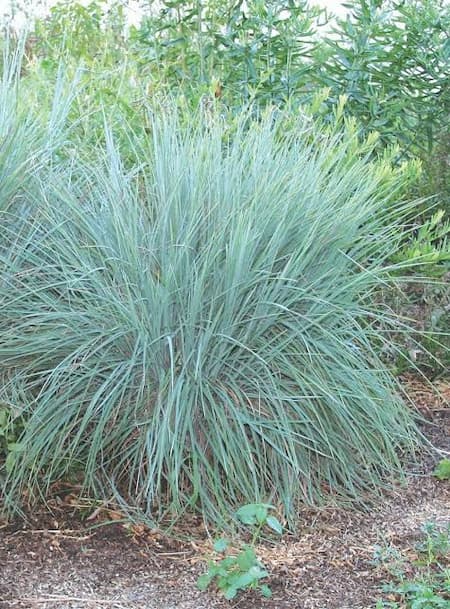
Little Bluestem
Schizachyrium scoparium
Little bluestem (Schizachyrium scoparium) is a perennial, upright clumping bunchgrass suited to dry, well-drained sites across much of southern Canada. It offers fine-textured foliage, late-summer to fall seed heads, coppery-orange autumn colour, wildlife value, and a strong winter silhouette. It is hardy in zones 3 to 9.
Also known as: little bluestem, Schizachyrium scoparium, Little bluestem, broom bluestem
Plant at a glance
What this plant is like
Little bluestem is a warm-season perennial grass with an upright, clumping habit and fine-textured foliage. Growth begins in late spring as soils warm, reaches full height by mid to late summer, and becomes minimal after hard frosts when the plant is dormant. Late-summer to fall seed heads and stems add tan, red, and coppery-orange tones, while the standing structure remains ornamental through winter. It is adapted to dry upland settings, including sandy, rocky, gravelly, and clay-loam soils, provided drainage is good. Little bluestem can be used in native meadows, prairie gardens, naturalized areas, restoration plantings,…
Garden and landscape value
Little bluestem combines low water needs with strong ornamental interest. Once established, it tolerates drought and can perform in poor, dry soils where plants adapted to richer or wetter conditions may struggle. Its fine texture, coppery-orange fall colour, and persistent upright stems provide seasonal structure from late summer through winter. It also contributes wildlife value for pollinators, birds, and small mammals. Suitable applications include rock gardens, prairie-style plantings, naturalized areas, restoration work, erosion control, and other well-drained sites.
Where it grows best
For best performance, plant little bluestem in full sun; it also tolerates light shade. Use dry to moderately moist, well-drained soil, including sandy, rocky, gravelly, or clay-loam sites. In the ground, water new plants regularly during the first growing season, allowing the top few centimetres of soil to dry between waterings. Established plants usually need supplemental water only during extended droughts on very sandy or shallow soils. Avoid frequent, shallow watering and constantly wet soil, as overwatering and poor drainage can cause decline. Allow foliage and seed heads to stand through fall and winter, then…
Ecological and wildlife value
Flowering and showy seed heads appear from late summer into fall. Displays may include tan and red tones, while the foliage and stems often turn coppery-orange in autumn. Seed heads and upright stems can persist through winter, providing visual interest and habitat. Little bluestem supports pollinators, birds, and small mammals and contributes to native prairie habitat. Leaving the standing growth until late winter or early spring preserves these seasonal and wildlife benefits.
Regional guidance
Little bluestem is documented across southern Canada, including the prairie provinces and parts of eastern Canada, and is hardy in zones 3 to 9. No province-specific bloom shift is supported by the available sources. The documented guidance is broadly applicable across southern Canadian native-range sites where conditions are dry and well drained. Young seedlings and newly planted divisions are more sensitive to heat and drying soils than established clumps, so attention to watering during establishment is important.
Everyday care
WateringEstablish newly planted clumps.
Timing: After planting through the first growing season.
When to act
- Newly planted plug, division, or seedling.
- Soil is drying between waterings but plants have not yet rooted in.
How: Water regularly during the first growing season, then taper as roots establish while allowing the soil surface to dry somewhat between waterings.
Caution: Do not keep the root zone constantly wet; poor drainage and frequent watering can cause decline.
PlantingEstablish new stands or garden plantings at an appropriate time for warm-season growth and reduced weed competition.
Timing: Primarily in spring after soils have warmed; fall planting of plugs is possible where winters are not excessively harsh, provided plants are established before freeze-up.
When to act
- New site being established from seed or plugs.
- Soil can be worked and is not waterlogged.
- Soil temperatures have warmed into the suitable range for warm-season grasses.
How: Prepare a firm, weed-free seedbed or planting site in advance; plant seed or plugs in spring when soils have warmed, ensuring good soil contact around roots and watering to settle soil, then manage weeds by mowing or hand removal in the first season.
Caution: Seedlings and young plugs are less tolerant of heat and drought than established clumps; avoid planting into very dry soil or during extreme heat when possible.
Seasonal actions
- Seasonal Growth Pattern: Most active growth occurs in warm weather, with flowering and peak ornamental color in late summer to fall.
- Winter Standing Value: Standing stems and seed heads can persist through winter and are commonly left in place until spring.
- Canada: In southern Canada, the same seasonal cut-back timing applies: leave stems standing through winter and cut back in late winter or early spring before growth resumes.
Pruning and cutting backRemove old dormant stems before new growth starts.
Timing: Late winter to early spring, before new growth begins.
When to act
- Previous season’s foliage and stems are brown or dormant.
- New basal growth has not yet started.
How: Cut old stems close to the base in late winter or early spring, before new shoots emerge.
Caution: Leave standing stems through winter where ornamental structure or wildlife habitat is desired; cutting too early removes these benefits.
DivisionRenew crowded clumps and propagate plants vegetatively.
Timing: Spring, as new growth begins.
When to act
- Clump is crowded or thinning in the center.
- Plant is established enough to tolerate disturbance.
How: Lift and separate clumps, then replant divisions promptly with good soil contact and water to settle.
Caution: Division is best on established clumps; newly planted or stressed plants should not be divided.
OverwinteringManage plants and plantings so they overwinter successfully while preserving winter habitat and structure.
Timing: From the onset of dormancy in late fall through late winter or very early spring.
When to act
- Plants have completed the growing season and entered dormancy.
- Snow or frequent freeze-thaw cycles are expected.
- Stems and seed heads are still structurally sound and can stand over winter.
How: Allow foliage and stems to remain standing over winter to protect crowns and provide habitat; in fall, avoid heavy disturbance, relying instead on spring clean-up once plants are fully dormant and snow or persistent frost risk has decreased.
Caution: Do not cut back green foliage in fall solely for tidiness; premature cutback reduces winter habitat and may weaken plants if done while actively growing.
Regional note: In southern Canadian prairie and parkland regions, plants are typically left standing through winter and only cut back in late winter or early spring once the coldest period has passed; no province-specific deviations from this general timing were directly documented.
Problems and symptoms
The available sources support only observational warning signs related to excess moisture and establishment stress. No disease-specific or pest-specific diagnosis was supported.
Possible concern: poor drainageWhat to watch for: Leaves or clumps decline in sites that stay wet or poorly drained.
Check first
- Inspect drainage after rain or irrigation.
When to get help
Improve drainage and reduce irrigation frequency; if decline continues, move the plant to a better-drained site.
Possible concern: incomplete root establishmentWhat to watch for: New seedlings or divisions wilt or stall more readily than established clumps during hot, dry weather.
Check first
- Confirm whether the plant was recently planted or divided.
When to get help
Increase establishment watering if soil is drying too quickly; protect young plants from prolonged heat and drought stress.
Possible concern: extended droughtWhat to watch for: Established plants show stress during extended dry weather.
Check first
- Assess whether drought has been prolonged.
When to get help
Provide a deep, infrequent soak during extended drought and monitor recovery.
Corrective and preventive care
Preventive care gaps are mainly about site and moisture management; supported corrective action is limited to watering discipline and spring clump renewal.
- Clump Renewal: Divide crowded clumps in spring and replant promptly to renew vigor.
- Canada: Across Canada, prioritize well-drained sites for this grass; the main preventive step is avoiding excess moisture rather than adjusting care by province.
FeedingAddress documented nutrient deficiencies when they occur while avoiding excessive vigor and lodging.
Timing: Before planting or early in the growing season when a documented deficiency needs correction.
When to act
- Soil testing indicates specific nutrient deficiencies.
- Plants show poor growth not attributable to drought, shade, or poor drainage.
- Site soils are extremely nutrient-poor such that establishment is failing.
How: Where soil tests indicate deficiency, apply only modest, targeted fertilizer amounts prior to or shortly after planting, or top-dress established stands lightly, keeping total nitrogen relatively low compared with high-input turf or forage systems.
Caution: Avoid routine or heavy fertilization, especially on richer soils, as this can lead to weak, lodging-prone growth and is generally unnecessary for this species.
MulchSuppress weeds and moderate soil moisture around young or newly planted clumps without creating persistently wet conditions at….
Timing: After planting or establishment where weed pressure is high and soil drainage is adequate.
When to act
- New plantings in weedy sites.
- Need to reduce early competition without herbicides.
- Sites with adequate drainage where a light mulch will not keep soil saturated.
How: Use a thin, well-drained mulch layer set back from the crown, or rely on gravelly mineral mulches where appropriate, to limit weed competition while allowing the soil surface to dry between rains.
Caution: Avoid heavy organic mulches directly against crowns, especially in wet climates or heavy soils, because retained moisture around the crown can increase risk of crown or root problems.
WateringCorrect drought-related stress in established plants during unusually long dry periods, particularly on very sandy or shallow soils.
Timing: During exceptional drought once plants have reached full establishment.
When to act
- Prolonged absence of rainfall.
- Plants on coarse or shallow soils show rolling, browning, or reduced vigor.
- Soil is dry several inches below the surface.
How: When checks confirm extended dryness, provide a deep soaking irrigation to the root zone and then allow the soil to dry down again, repeating only if drought continues and plants again show stress.
Caution: Do not respond to every minor symptom with additional water; confirm that soil is truly dry through the root zone before irrigating, since overwatering is a frequent cause of decline.
PlantingRelocate plants from unsuitable, persistently wet or compacted sites to more appropriate conditions as a corrective measure.
Timing: During spring or early summer when plants can re-establish in the new site.
When to act
- Documented poor drainage or frequent standing water at the existing site.
- Repeated decline despite reduced irrigation.
- Feasible alternative site with better drainage and sun exposure is available.
How: Lift and move plants from sites with chronic wetness or compaction to locations with full sun and well-drained soils, replanting at the same depth and watering in once to settle soil, then following moderate establishment watering practices.
Caution: Avoid replanting into the same poorly drained or highly compacted site without first addressing drainage or compaction issues; otherwise, similar decline may recur.
OverwinteringProvide appropriate storage and handling for nursery plugs or divisions that cannot be planted immediately, reducing winter losses.
Timing: Over winter when plugs or divisions are held between fall lifting and spring planting.
When to act
- Nursery stock or propagation material cannot be planted in the same season.
- Cold winter conditions make in-ground planting unsuitable.
- Suitable cool, non-freezing storage space is available.
How: Store unplanted plugs or divisions in cool rooms above freezing, around 4–10 °C, maintaining slightly moist—not wet—media, and plant them out in spring as soon as field conditions permit.
Caution: Do not store plugs or divisions at freezing temperatures without protection; freezing and thawing in storage can damage roots.
Before you plant
- poor performance in wet or poorly drained soils
- can be short-lived on rich, moist soils
- young plants are more vulnerable to heat and drought stress
- may need time to establish from seed or division
Plants that grow well with this one
- Switchgrass (Beneficial support for food crops): Native warm-season grass that offers similar upright structure, abundant seeds, and vertical shelter; often recommended alongside Little Bluestem in bird-friendly plantings for complementary habitat and visual effect.[15]
- Purple Coneflower (Similar growing conditions): Native perennial forb used with Little Bluestem in many prairie and meadow plantings; shares preference for full sun and well-drained soils, adding showy summer blooms among the fine grass texture.[1]
- Black-eyed Susan (Pollinator succession): Common prairie wildflower cited as a companion in native meadow mixes with Little Bluestem, thriving in similar dry, sunny conditions and providing extended bloom and pollinator resources.[1]
- Prairie Dropseed (Ecological companion): Native bunchgrass frequently paired with Little Bluestem in dry prairie gardens; both tolerate poor, well-drained soils and create complementary fine-textured grass structure for erosion control and habitat.[2]
- Native asters (e.g., New England aster) (Pollinator succession): Fall-blooming native asters are recommended with Little Bluestem in prairie and meadow plantings, sharing full-sun, well-drained sites and providing late-season nectar among Little Bluestem’s autumn colour.[2]
Propagation
Propagate Little Bluestem by carefully dividing established clumps in spring as new growth begins, or by collecting mature seed heads in late summer to fall, providing a cold stratification period, and sowing stratified seed outdoors after the last frost or indoors under warm, bright conditions.[5][7][10][11]
- Best timing: Best performed in spring for both division and sowing of stratified seed, aligning with the onset of warm-season growth; seed can also be sown in late fall outdoors for natural winter stratification.[5][10][11]
- Decision cue: Established clumps beginning to thin in the center or needing to be relocated or increased for restoration or garden use.[5][11]
- Decision cue: Mature seed heads present in late summer to early fall that can be collected for propagation.[5][11]
- division of established clumps: Early to mid-spring as soil is workable and new shoots begin to emerge, or in early fall while soils are still warm enough for root establishment before winter.[5][11]. Use a sharp spade or fork to lift an established clump in early spring when new growth is just starting; split into sections, each with several shoots and a good root mass, then replant divisions immediately at the same depth and water thoroughly.[5][7][11]
- seed collection and stratified sowing: Collect seed in late summer to early fall; stratify over late fall to winter; sow outdoors in late fall or in spring after last frost, or sow indoors in late winter to early spring at warm germination temperatures.[5][10][11]. Harvest fluffy, mature seed heads in late summer to early fall; dry and store in a cool, dry place, then either sow outdoors in late fall for natural stratification or mix seeds with moist sand or vermiculite and refrigerate for 4–8 weeks before sowing indoors or outdoors in spring.[5][11]
- Caution: Avoid dividing very small or weak clumps; use only well-established plants so each division has a substantial root system, reducing transplant stress.[5][11]
- Caution: Little Bluestem seed typically benefits from a period of cold stratification or after-ripening; sowing fresh, non-stratified seed without a cold period may result in poor or delayed germination.[5][11]
- Known limitation: Most detailed propagation guidance is based on general horticultural experience, nursery practice, or micropropagation research rather than region-specific field trials in Canada; success depends on local climate, site preparation, and careful establishment.[5][10][11][14]
Personalize for your garden
Tell us a little about your garden to see how this plant fits your zone, light and growing conditions. No account is required.
These garden conditions stay in this browser for Gardening Calendar. Sign in to keep your garden information with your account.
How this plant fits your garden
Enter your conditions above to see matches, cautions, and seasonal guidance.
Did you find what you were looking for?
Let us know what was useful or what this plant profile is missing.
References
- Schizachyrium scoparium (Little Bluestem) - Gardenia.net
- Schizachyrium scoparium
- Little Bluestem (Schizachyrium scoparium) Plant Guide
- Buy Prairie Blues Little Bluestem Grass | FREE SHIPPING | Schizachryium scoparium | 6-Pack of 1 Gallon Size Plants For Sale Online From Wils
- Grass, Little Bluestem (Schizachyrium Scoparium) - Growing Guide
- Schizachyrium scoparium Little Bluestem from ...
- Schizachyrium scoparium
- Light Requirements: sun, part-sun
- Schizachyrium scoparium/Little Bluestem/ThePollenNation
- Schizachyrium Scoparium Care: Growing The Little Bluestem Grass
- Plant Finder - Schizachyrium scoparium - Missouri Botanical Garden
- Schizachyrium scoparium (Michx.) Nash | Plants of the World Online | Kew Science
- Schizachyrium scoparium
- Schizachyrium scoparium (Common Little Bluestem) - FSUS
- Schizachyrium scoparium - little bluestem | Santa Fe Botanical Garden
- Schizachyrium scoparium var. scoparium
- Schizachyrium scoparium Little Bluestem
- Schizachyrium scoparium (little bluestem) - Go Botany
- Schizachyrium scoparium, Little Bluestem – 7 (4)
- Schizachyrium scoparium, Michx. Common Name: little bluestem
- Schizachyrium scoparium: Perennial Plant of the Year
- How to Grow Little Bluestem: A Low-Maintenance Native Grass
- Little Bluestem: Drought-Tolerant Prairie Grass
- ✂️ When and Where to Cut Back Your Little Bluestem
Plant Definition last reviewed: September 9, 2026.
Subscribe free
Get seasonal gardening guidance, nearby events and plant inspiration from Gardening Calendar.
Add Little Bluestem to My Garden
Save plants you grow and receive personalized guidance shaped by your garden, location, season and weather.
Already have My Garden?
Sign inNew to My Garden?
My Garden Brief provides personalized briefings and saved plants. My Garden Plus adds personalized browsing across Plant Profiles.