Jack-in-the-Pulpit
Photo:
Kevindvt via pixabay
Jack in the Pulpit has a unique and beautiful tubular green leaf. It is easily grown in fertile, medium to wet soil in part shade to full shade. It needs constantly moist soil rich in organic matter.
Caring for Jack in the Pulpit
Growing Jack-in-the-pulpit flowers is as simple as caring for them. A wet, organically rich soil is essential for the plant’s existence. Before planting, work a good amount of compost into the soil, then fertilise yearly with extra compost. A generous amount of leaf mulch applied every fall will help the plant.
Quick Growing Guide
Botanical Name: Arisaema triphyllum
En français: Ariséma triphylle
See More Plants in this Botanical Family:
Colour:
Blooms:
Sun / Shade:
Water: Medium to wet
Soil:
Height:
Care:
Credit: Public Domain
Growing from Seed
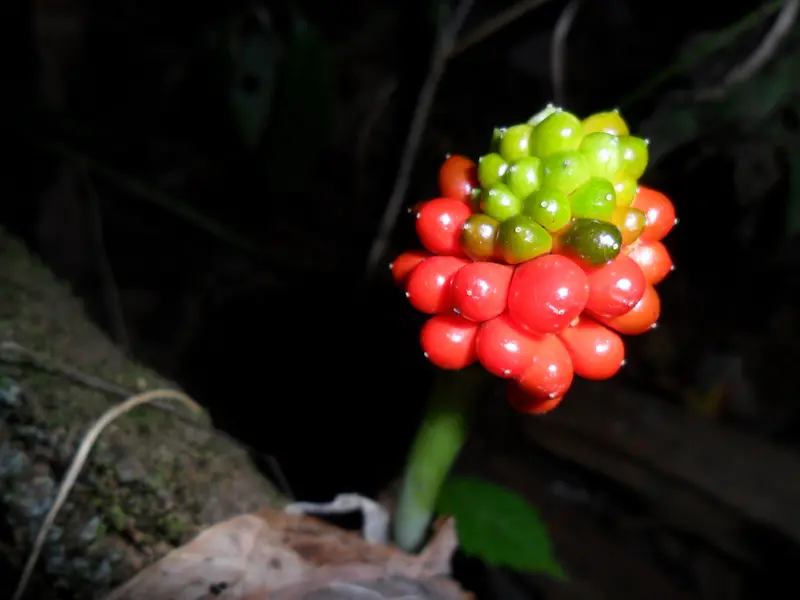
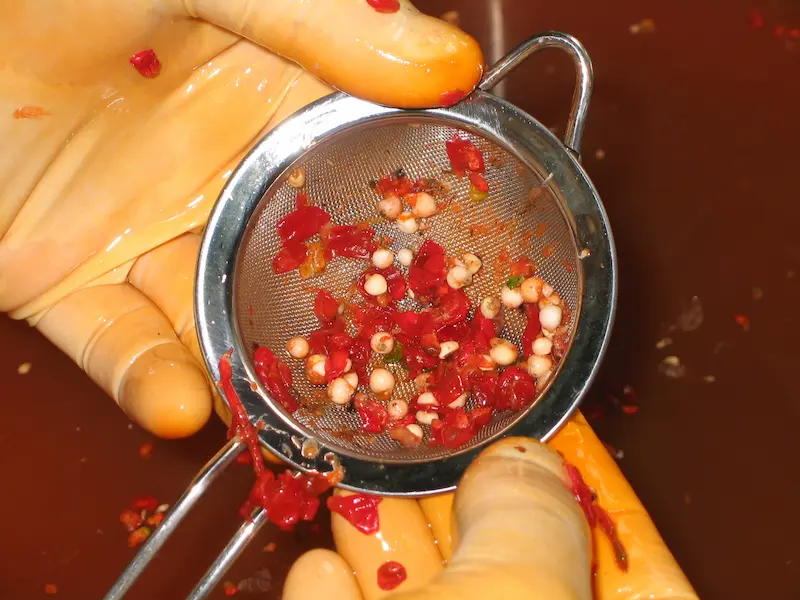
Wear gloves when handling berries and seeds. Each berry normally contains four to six seeds. Straining the berries after they turn red in late summer is one approach. Stratification of the seeds is required. Plant them outside approximately 1/4 inch deep in the fall, and nature will stratify them, resulting in seedlings in the spring. It might take up to five years for a seeded plant to blossom. Plant them in clusters. Note that it does poorly in clay soils.
Credit: Public domain
Once planted, Jack in the pulpit is best left undisturbed in the shady woodland garden, wild garden, or native plant garden.
Where to Plant
Jacks can often be seen in early spring in moist woodland habitats, deciduous woods, pond edges, and thickets, bursting from the forest floor. The plant forms clusters of red berries in late summer and lingers into fall.
Companion plant suggestions include spring beauty, wild ginger, Jacob’s ladder, bloodroot, wild geranium, Mayapple, maidenhair fern, white baneberry, wild leek.
Toxicity
Humans, pets, deer, cats, and dogs are all poisoned by the plant. Calcium oxalate is found in the stem, leaves and roots, and has been linked to a variety of side effects including cardiac arrhythmia, edema, airway blockage, diarrhea and others.
Comments

Gardening guidance for your area—and your garden
Join our newsletter for timely gardening guidance tailored to your area. Looking for a better value? Upgrade your newsletter for personalized plant-care guidance based on the plants growing in your garden.
Leave a Reply
You must be logged in to post a comment.