How to Care for Your Lawn in the Fall
Fall lawn care will help to make sure it is in tip-top shape for the coming winter. While many residents assume spring is the time to focus on your lawn, there are many things you can do to keep your grass strong and healthy during a frigid winter.
It’s important to start it as soon as possible. If you wait until the first cold snap, your chances of success are lower and the work will be more labor-intensive. As soon as the weather starts to turn, begin preparing your lawn for winter.
Fall Lawn Care Video
Feed Your Lawn
Late summer is the prime time for applying fertilizer. It will give your grass the nutrients it needs to get through the long cold winter ahead. If you fertilized in spring, at least three months should have passed since then. This gives the lawn a chance to absorb as much fertilizer as it can before growth stops.
If you haven’t used any fertilizer yet this year, make sure to pick up some early fall lawn care products. There are a variety of brands that are very affordable and easy to use. Just spread them evenly across your entire lawn after mowing and water lightly afterward. Make sure to read instructions carefully so you know how much of each product your lawn needs and when they should be applied.
Don’t Stop Mowing
If you haven’t been mowing your lawn in the fall, you’ve been packing the lawn mower away too soon. When leaves begin to fall, it’s important for them to be removed from the lawn as soon as possible or they will dry out and form a layer on the surface of the grass that will make cold weather much more damaging.
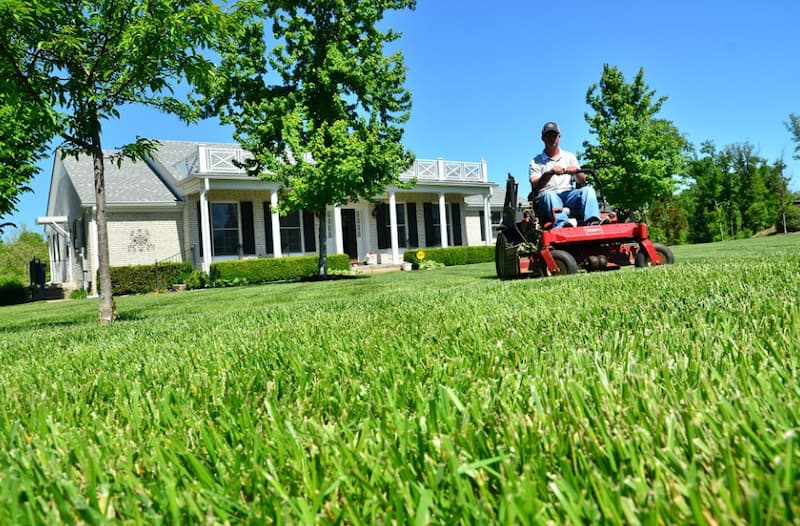
For best results with fall lawn care, use a mulching mower. This type of mower chops up leaf matter into tiny pieces so that it falls between grass blades rather than building up on top of the grass. You can also try raking your lawn, but this can take a very long time and can wear you out quickly if you have a large yard with lots of leaves.
Most importantly: Don’t forget to water your lawn. Mulching mowers typically allow the grass to dry out faster than non-mulching types, so you’ll need to water more often if you’re using a mulcher. It’s best to do this in the evening or early morning – before the sun has a chance to evaporate all of the moisture from your lawn.
Source: https://pixabay.com/photos/lawn-care-lawn-maintenance-643556/
Keep on Watering
Depending on where you live will determine your lawn’s water needs during the fall. If you live in a humid area, your lawn may still be actively growing and thus need to be watered frequently to help the grass fight off any disease or pests that might try to take advantage of it while it’s vulnerable. In other areas, fall is a very dry time of year and watering will only encourage fungus growth.
The best solution is automated irrigation. This will allow you to set up a timer so that the sprinklers come on when they’re needed most. It also lets you know if something is wrong with your system and keeps your lawn looking neat without requiring constant maintenance by yourself.
Remove Excess Thatch
It’s important to remove excess thatch as part of your fall lawn care. This will help prevent fungus growth in those areas where grass and soil meet. It also allows more air, water, and fertilizer to penetrate deep into the ground. You can do this by renting a dethatching machine or hiring someone else to come out and do it for you. If you rent the machine yourself, make sure to follow all of the manufacturer’s instructions carefully so that you get an even depth when removing thatch.
It’s important to make sure your lawn is ready for the coming winter, but it can be hard to find the time and energy during such a busy season. Fortunately, there are many ways you can prep your lawn before the first frost hits that can be done quickly and can make a big impact come spring!
About the Author
Shannon Quantock is a real estate writer at House Stories. She loves writing on Real Estate, Gardening and Finance. Her goal is to keep content as simple as possible for readers to understand.
Comments

Gardening guidance for your area—and your garden
Join our newsletter for timely gardening guidance tailored to your area. Looking for a better value? Upgrade your newsletter for personalized plant-care guidance based on the plants growing in your garden.
Leave a Reply
You must be logged in to post a comment.