Wood Betony – Pedicularis canadensis Quick Guide
Wood betony, Pedicularis canadensis, is a valuable and attractive native flower that is an indicator of pristine prairies. Its roots attach to the roots of nearby plants and uptake nutrients. Therefore, wood betony parasitizes other plants, using them as a water and nutrient source. This parasitism helps reduce the vigor of the tall prairie plants.
Flowers are attractive to butterflies, birds, and bees, as well as some species of ants.
Quick Growing Guide
Botanical Name: Pedicularis canadensis
Also Called: Lousewort
En français: La bétoine, l’épiaire officinale
Colour:
Sun / Shade:
Water: Moderate requirement for water, tolerates some drought.
Height:
Pollinators:
Medicinal Uses
Pedicularis Canadensis leaves and roots have a number of uses. They can be used to relax sore muscles such as shoulders, arms, and backs, although there are precautions to take. As it is a plant that uses nutrients from other plant roots (although this is not always the case, they can flourish without the use of other plant roots), this can create other types of toxins. If you are planning on using this plant for herbal remedies, just ensure that it is not planted near a toxic plant or grass (such as Arrowgrass).
It has been used in prairie lands to control the domination of aggressive tall-grasses.
In its natural habitat, it is found in dry grassland, meadows, and open woods.
Wood Betony is very showy when it is in full bloom. The Wood Betony is an easy-to-care plant also known as “common lousewort.” Other names: hedgenettle, bishop’s-wort, purple betony.
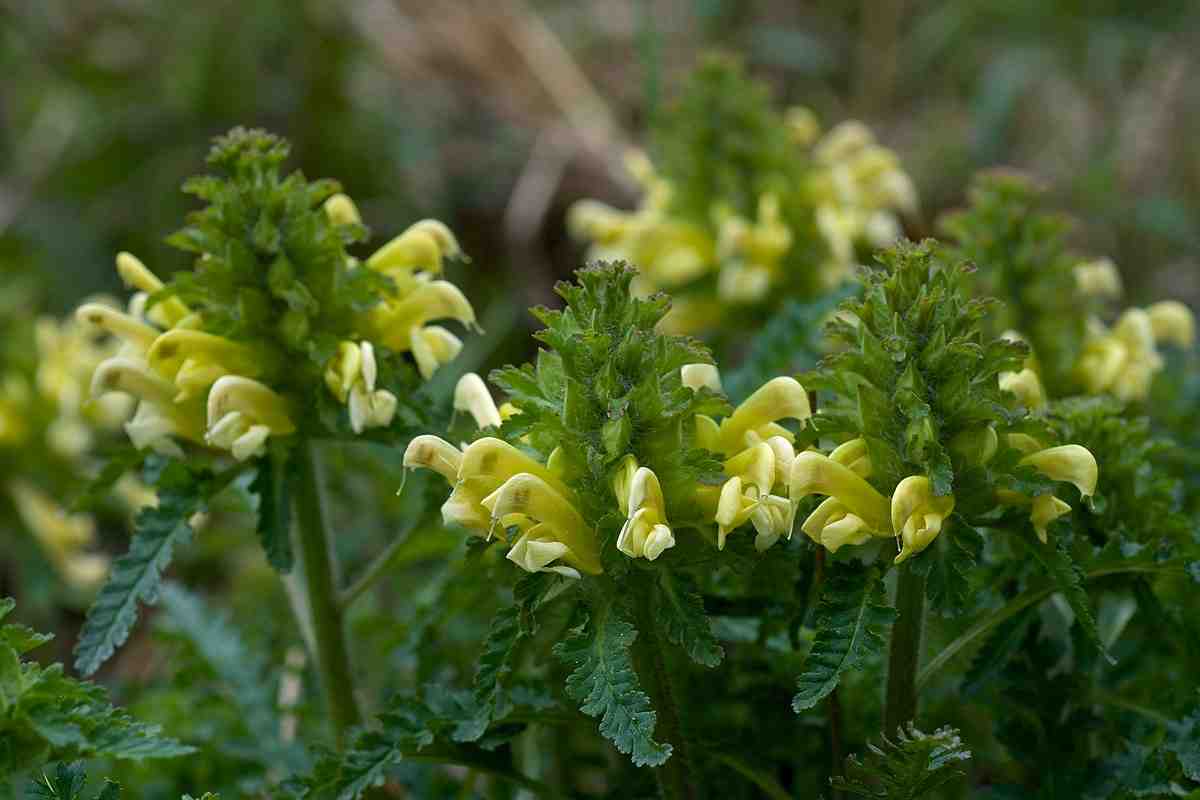
Propagating Pedicularis canadensis
Wood betony is easily grown from seed in well-drained soils in full sun to part shade. Established plants tolerate some drought. it may create colonies by self-seeding. It can also be propagated by division in the spring.
Caring for Wood Betony
Also known as a loosewort, the Wood Betony is easy to care for and only requires preening every 3–4 years. It flowers between May and July, though its leaves stay green throughout the summer.
Companion plant suggestions include Lamiaceae (mint family)
Pruning La bétoine, l’épiaire officinale
Required every 3-4 years. Low-maintenance plant.
Other
There were no serious insect or disease problems.
“Pedicularis” is the Latin word meaning “of or relating to lice”, as it was believed to give cows grazing in fields lice. “Canadensis” refers to Canada. This plant was eaten as a vegetable by some first nations, often as a soup. It was added to oats and used as horse feed as well as a remedy for stomach aches, diarrhea, anemia, heart problems, swelling, sore muscles, et cetera.
Comments

Gardening guidance for your area—and your garden
Join our newsletter for timely gardening guidance tailored to your area. Looking for a better value? Upgrade your newsletter for personalized plant-care guidance based on the plants growing in your garden.
Leave a Reply
You must be logged in to post a comment.