Canada Violet
Photo:
Anneli Salo, CC BY-SA 3.0, via Wikimedia Commons
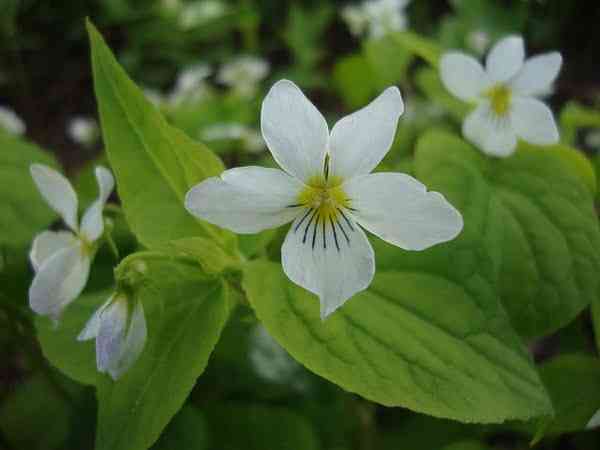
Canada Violet, a native upright perennial forb, grows 8 to 16 inches tall on stems that might be smooth, green, somewhat angular, or covered in extremely fine hair. This variety is distinguished from other white violas by its flowers, which emerge from the upper leaf axils, and by its yellow petal bases. They are resilient down to roughly -25°C. This is a plant that tends to grow in abundance in hardwood forests (beech-birch-maple or maple-basswood-ash type), usually with sugar maple as a dominant species.
About the plant
It grows in decidous forests with medium to wet, well-drained and humusy soils, in part shade, from Newfoundland to Alaska, and as far south as Georgia and Arizona in Canada and the United States. They can be found in rich mesic areas like floodplains. They produce stunning, fragrant white flowers with a purple tint for many months from summer to fall. The flowers are located at the tips of short, slender stalks, facing outward. From summer to fall, they have showy fragrant white tinged with purple flowers.
Quick Growing Guide
Botanical Name: Viola canadensis
En français: Violette du Canada
Colour:
Sun / Shade:
Water: Keep ground moist, but do not overwater
Height:
Width:
Pollinators:
Where to Plant Canada Violet
Use Viola canadensis in forest gardens, wildflower/native plant gardens, or naturalised areas where it thrives. They are not suitable for rock gardens or borders due in part to their proliferative characteristics.
Unlike other violets, they do not spread via runners. They may, however, band together. They self-seed so readily that they are mistaken for weeds.
Soil
Canada violet can be easily grown in full sun or moderate shade on healthy soil. It prefers a cool location in humus-rich, wet soil with some shade or dappled light and protection from hot breezes. Canada Voilet tolerates sandstone and limestone soils, but it turns chlorotic if the pH is too high. They favor pH values of 6 to 6.5.
Canada Violet Plant Care
For violet growth, cold summer conditions are preferable to hot summer conditions. They do well in shady forest gardens but are likely too invasive for rock gardens or borders.
Viola Canadensis Propagation
The best time to start Canada violet seeds in a cold frame is in the fall. In the spring, when the seedlings are large enough to handle, prick them out into separate pots and plant them outside for the summer.
Divide them in the autumn or right after flowering. However, it is better to pot up smaller divisions and grow them in light shade in a greenhouse or cold frame until they are growing away nicely. Larger divisions can be put out directly into their permanent locations. In the summer or the next spring, plant them out.
Edible Uses
Young leaves and flower buds are edible both raw and cooked. When boiled as greens, they have a very mild flavour and are best combined with other leaves that have a stronger flavour. The leaves are a refreshing substitute for tea.
Always consult a professional before using a plant for medicinal purposes. The roots have been used to make a tea that has been shown to relieve bladder pain. They’ve also been used as a poultice and to treat boils and skin abrasions.
Comments

More From Gardening Calendar

Vegan Carrot Spice Cake
Indulge in a vegan Carrot Spice Cake with this easy recipe! Imperfect carrots can still make a delicious treat on a cold, snowy day. Grated carrots, spices, and golden raisins add a unique flavor to this lovely cake.
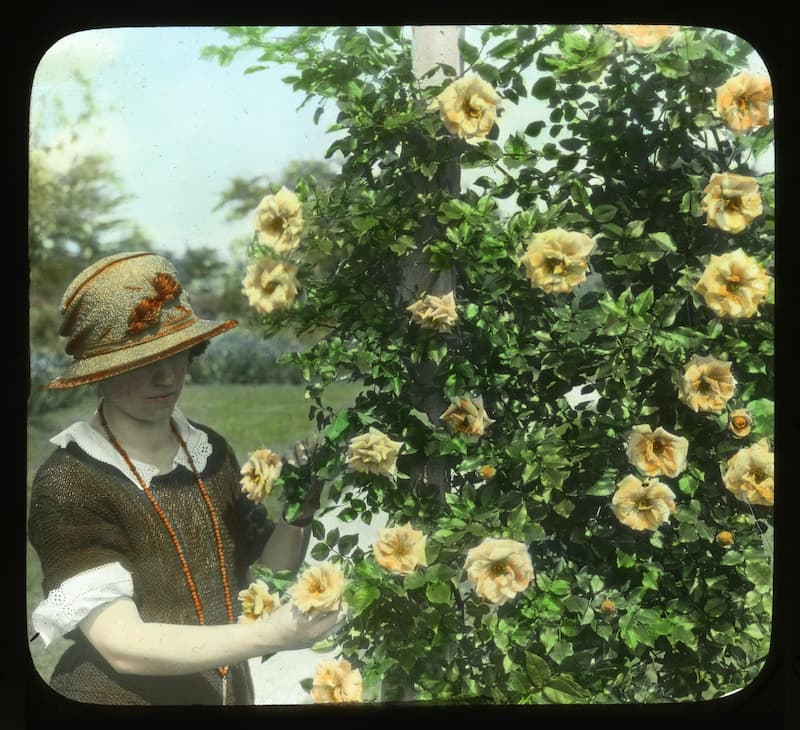
Grow a Garden Full of Memories
Celebrate loved ones and honor ancestors by choosing specific plants that hold special meaning. Grow a garden full of cherished memories in your own backyard!
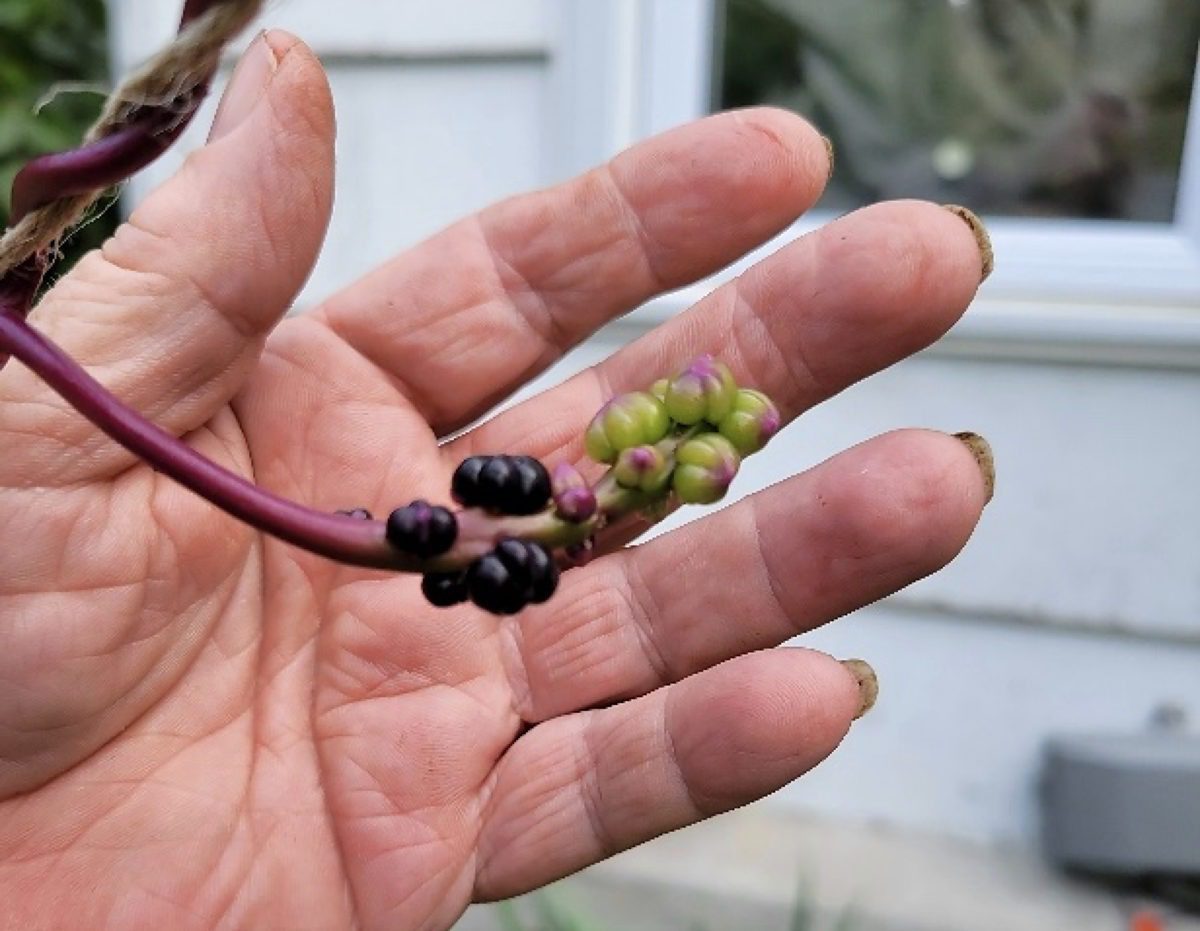
Red Malabar Spinach and Alyssum
To eat my Red Malabar spinach, I pull the leaves off the vine at staggered intervals and enjoy it in a salad or as a treat in a stir-fry.
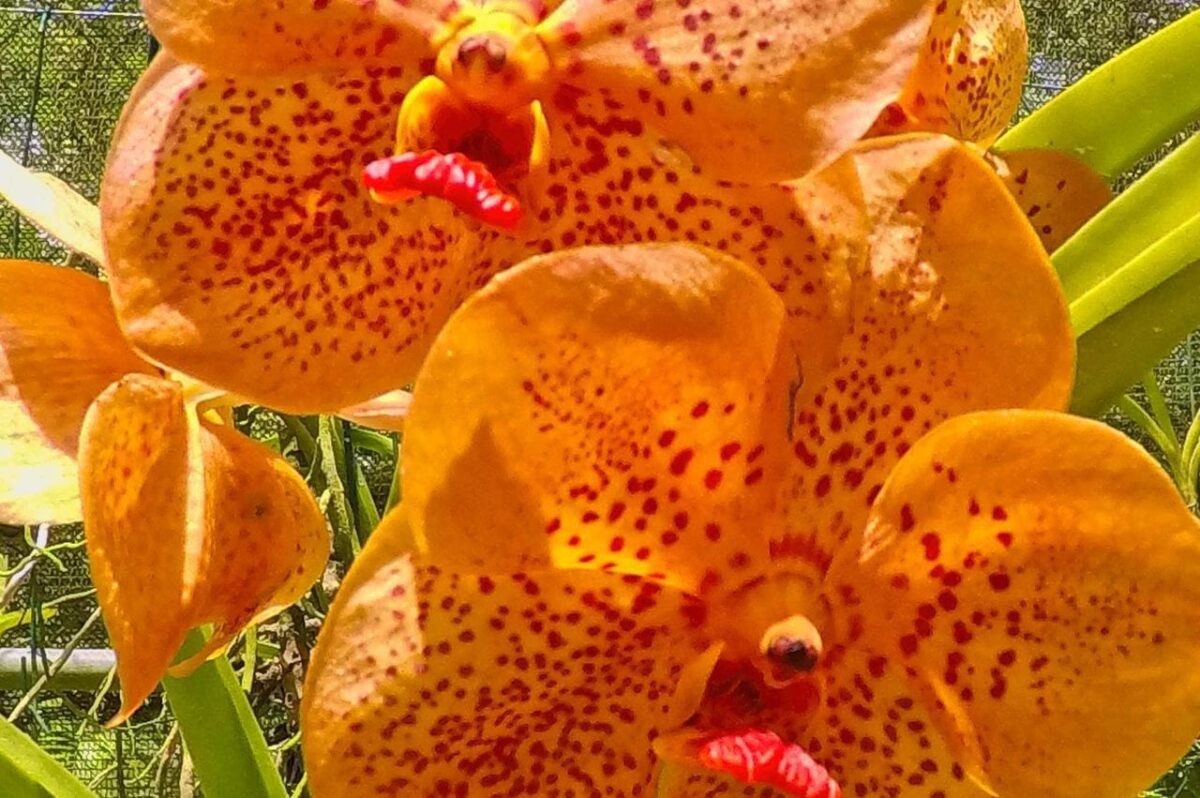
Orchid Care Is About Recreating Habitats
Basic orchid care attempts to recreate the habitat in which a certain variety of orchid developed. We discuss how to care for orchids.
How To Care, Grow And Use Tomatillos
The Tomatillo plant, an odd-looking distant tomato cousin and one of the essential ingredients in Mexican cuisine, especially in green salsa.
Great St. John’s Wort Care and Uses
St. John’s Wort is a magnificent, vivacious plant that can grow very tall with the right soil conditions. Learn how to care for it.
Leave a Reply
You must be logged in to post a comment.