Pasque flower ‘Alba’
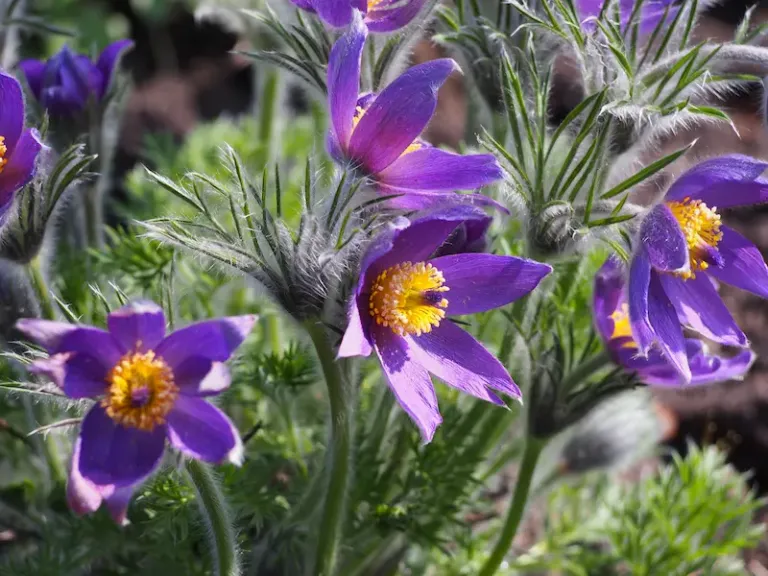
Pasque flower ‘Alba’

Pulsatilla vulgaris ‘Alba’

Flowering PerennialPerennialFull SunSpring bloom

Pasque flower ‘Alba’ is a low-maintenance perennial for a sunny, sharply drained site. Its white spring flowers can support visiting bees, while attractive seedheads extend interest after flowering. It suits containers and gardens in Canadian zones 4 to 8, but prolonged wetness is a greater concern than ordinary cold.

Also known as: European pasqueflower, windflower, Pulsatilla vulgaris 'Alba'

Plant at a glance

Plant typeFlowering Perennial
LifecyclePerennial
Hardiness4–8
LightFull Sun
SoilMedium and Well Drained
Mature height15–25 cm
Mature width15–30 cm
BloomsSpring
Flower colourWhite
WaterModerate

What this plant is like

This introduced cultivar of European pasqueflower is a compact flowering perennial with white spring flowers. It remains modest in scale, is suitable for containers, and generally offers an easy-care presence when planted where roots are not disturbed.

Where it grows best

Choose full sun and fertile, gritty or humusy soil that drains very quickly. Medium moisture is suitable, but persistent wetness can prevent establishment or cause decline. In Canada, established plants may need little extra water in cool, relatively dry areas such as the Okanagan, with more attention during unusually hot or prolonged dry weather.

Garden and wildlife value

The species’ flowers are visited and pollinated mainly by bees and related insects, providing an early spring food resource. This evidence applies to Pulsatilla vulgaris rather than specifically to the ‘Alba’ cultivar, so treat the wildlife benefit as a supported possibility rather than a cultivar-specific guarantee. The plant is not listed as invasive in the reviewed sources.

Problems and symptoms

Decline after wet weather points first to unsuitable drainage or excess moisture. Slow recovery after planting or moving can indicate root disturbance. The reviewed Canadian sources did not highlight serious insect or disease problems, but this does not guarantee trouble-free growth in every garden.

Corrective and preventive care

Keep the root zone sharply drained, especially through wet winters, and prevent water from pooling around the crown. If the plant declines in wet soil, correct drainage and reduce watering before investigating other causes. Avoid disturbing established roots; recovery may be slow after transplanting.

The main supported corrective focus is preventing prolonged wetness and avoiding root disturbance.

  • Wet Site Decline: If the plant declines where soil stays wet, suspect unsuitable drainage as a contributor; improve drainage and avoid overwatering before considering other causes.
  • Poor Establishment After Moving: Slow establishment after transplanting can follow root disturbance; avoid repeated moving and maintain excellent drainage while the plant recovers.

Before you plant

Select a sunny, well-drained location that can remain undisturbed. Plant small nursery specimens carefully and avoid bending or breaking the long root. Wear gloves when handling fresh plant material, wash hands afterward, and keep the plant away from children and pets because it is harmful if ingested and its sap may irritate skin.

Handle fresh material cautiously and avoid overgeneralizing limited pest and cultivar-specific evidence.

  • Pest And Disease Limits: No serious insect or disease problems were highlighted by the reviewed source; monitor plants normally, especially where drainage or airflow is poor.

Ecological and wildlife value

Provides an early spring flower resource for bees, with cultivar-specific strength of evidence limited.

Everyday care

PlantingEstablish the plant with minimal root disturbance.

Timing: Plant when the plant is small and actively establishing; avoid delaying container-grown plants after purchase.

When to act

  • A healthy nursery plant is available.
  • The site has very good drainage.

How: Set the plant in fertile, gritty, very well-drained soil in full sun. Plant promptly and leave it undisturbed after planting.

WateringSupport establishment while avoiding prolonged wetness.

Timing: During the first growing season and during prolonged summer drought.

When to act

  • Newly planted.
  • Soil is drying during establishment.
  • Extended hot or dry weather.

How: Water the root zone during establishment when the surface begins to dry. Once established, water only during extended dry periods, adjusting for local summer heat and rainfall.

Caution: Do not keep the soil saturated, especially in winter or where drainage is poor.

FeedingMaintain reasonable growth without overfertilizing a plant adapted to lean, well-drained conditions.

Timing: Spring only, if a clear nutrient deficiency or poor soil fertility is established.

When to act

  • Weak growth despite suitable light and drainage.
  • Known low soil fertility.

How: Do not routinely fertilize established plants growing well in suitable soil. If growth is poor and soil fertility is known to be low, use a light, balanced spring feeding according to the product label.

Caution: Avoid heavy feeding; excessive fertility may encourage soft growth rather than improve flowering.

MulchLimit weeds without creating persistently wet conditions around the crown.

Timing: After planting or in spring when weeds appear.

When to act

  • Competing weeds are present.
  • Bare soil is drying rapidly but drainage remains good.

How: Use only a thin, open-textured layer if needed for weed suppression; leave the crown exposed and preserve rapid drainage.

Caution: Keep mulch away from the crown and avoid thick, moisture-retentive layers.

Seasonal actions

  • After Flowering: Leave faded flowers for ornamental seedheads, or remove them after flowering if self-seeding or tidiness is a concern.
  • Canada: Use plant development as the calendar: sow when seed ripens, take root cuttings in winter, and deadhead only after flowering if seedheads are unwanted.
DeadheadingControl self-seeding or tidy the plant after flowering while preserving the option to enjoy ornamental seedheads.

Timing: Late spring, after flowers fade.

When to act

  • Flowers have faded.
  • Self-seeding is unwanted.
  • A tidier appearance is preferred.

How: After flowering, remove the flower head at its stem if seed dispersal or appearance is a concern. Otherwise, leave the fading flowers to develop into attractive seedheads.

Caution: Do not remove spent flowers if the decorative seedheads are desired.

PropagationProduce new plants while preserving realistic expectations about cultivar uniformity.

Timing: Seed: soon after ripening, commonly summer. Root cuttings: winter.

When to act

  • Mature seedheads are available.
  • A healthy established plant can spare material.
  • Exact cultivar identity is not required from seed.

How: Sow fresh seed in pots in an open frame as soon as it is ripe. Root cuttings can be taken in winter, but this is best treated as an advanced method because the plant resents disturbance.

Caution: Seed-grown plants may not reproduce the exact ‘Alba’ characteristics; wear gloves when handling fresh plant material.

OverwinteringReduce winter losses from poor drainage and crown wetness.

Timing: Before and during the wettest part of winter.

When to act

  • Winter rain or snowmelt pools around the plant.
  • The site remains saturated in winter.
  • The plant is grown in a container exposed to prolonged wet weather.

How: Do not cover the crown heavily. Keep surrounding soil open and free-draining; use a rain-shedding position or container protection where winter saturation is persistent.

Caution: The main winter risk is prolonged wetness around the roots, not ordinary cold in suitable climates.

Regional note: In regions with wet winters, prioritize sharply drained soil and prevent water from pooling; the reviewed sources did not support a province-specific protection schedule.

Where it grows naturally

  • Europe And Southwestern Asia

Personalize for your garden

Your garden conditions

Tell us a little about your garden to see how this plant fits your zone, light and growing conditions. No account is required.

These garden conditions stay in this browser for Gardening Calendar. Sign in to keep your garden information with your account.

How this plant fits your garden

Enter your conditions above to see matches, cautions, and seasonal guidance.

References

Plant Definition last reviewed: October 29, 2026.