Honey garlic (Sicilian honey garlic)
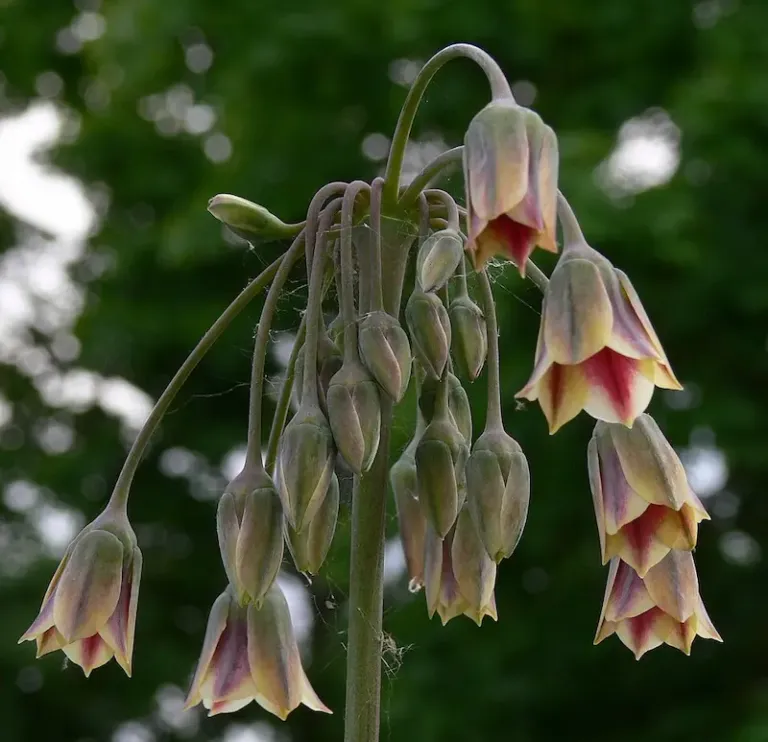
Honey garlic (Sicilian honey garlic)

Allium siculum Ucria

Bulb Corm Or TuberHerbaceous PerennialFull SunMay and June bloomPollinator / wildlife value

Honey garlic is an upright ornamental bulb with nodding cream, pink and green bells in May and June. It suits sunny, well-drained gardens, supports pollinators and leaves attractive seed pods after flowering. Established clumps tolerate some drought, but wet soil—especially during Canadian wet springs—can increase disease concerns.

Also known as: honey garlic, Sicilian honey garlic, Sicilian honey lily, Mediterranean bells

Plant at a glance

Plant typeBulb Corm Or Tuber
LifecycleHerbaceous Perennial
Hardiness5–9
LightFull Sun
SoilMedium, Well Drained, Loam, Sand, and Chalk
Mature height90–120 cm
BloomsMay and June
Flower colourCream, Pink, and Green
Wildlife valuePollinators

What this plant is like

This herbaceous perennial grows from a bulb and reaches about 90–120 cm. Its upright flower stem carries nodding, bell-shaped blooms in late spring to early summer. Foliage dies back after flowering, leaving the bulb dormant through the dry summer period before growth resumes in the cool season.

Where it grows best

Choose full sun or light shade and well-drained loam, sand or chalk. Keep moisture moderate while leaves and flower stems are developing, but avoid waterlogged or poorly drained sites. In containers, drainage needs particular attention because excess moisture can remain around the bulb.

Garden and wildlife value

Honey garlic is grown as an ornamental for borders and naturalistic plantings. Its flowers provide value to pollinators, while the decorative seed pods extend interest into late summer. Leave the pods in place if you want their display or wish to collect seed.

Everyday care

Water moderately during active spring growth. As the foliage begins to yellow, reduce watering and allow the soil to dry more. Established clumps are fairly drought tolerant, but perform best with some moisture during growth. Remove spent stems after the pods finish if seed is not wanted; leave green foliage until it dies back naturally.

What to do through the season

Spring growth is followed by flowering typically in May and June. After bloom, foliage yellows and the bulb enters summer dormancy. In Canada, choose a locally suitable planting window when soil is cool, workable and well drained. Because the plant is frost sensitive, winter treatment may depend on local cold and moisture conditions rather than zone numbers alone.

Problems and symptoms

Watch for leaf spotting, yellowing or declining growth during wet, humid periods. Canadian allium-growing regions document foliar diseases, downy mildew, leaf blights, rust and root rots; similar pressures may affect ornamental alliums. Wet springs and poorly drained sites can increase concern.

Corrective and preventive care

Provide good sun and drainage, avoid waterlogged soil, and monitor plants during wet or humid weather. If similar foliar problems appear across several alliums, follow local provincial extension guidance. Avoid placing this ornamental near heavily diseased edible allium crops.

Corrective and preventive care for Sicilian honey garlic in Canada centers on adapting well-established disease-prevention practices from edible alliums—such as good drainage, avoiding persistent leaf wetness, separating ornamental plantings from heavily diseased crop beds, and removing diseased debris—while recognizing that authoritative ornamental references usually describe this bulb as generally pest- and disease-free under typical garden conditions.

  • Separation From Diseased Allium Beds: Avoid planting Sicilian honey garlic in or next to beds with recent serious onion or garlic disease problems, and remove allium debris promptly after dieback.
  • Leaf Dryness And Spacing For Disease Prevention: Use generous spacing, avoid regular overhead watering, and water so leaves dry quickly to lower the chance of foliar disease on Sicilian honey garlic.
  • Avoid Excess Nitrogen And Crowding: Do not over-fertilize with nitrogen or crowd bulbs; lush, tightly packed foliage in damp conditions increases risk of leaf disease and bulb rot.

Before you plant

Select a site where the summer dieback and dry dormancy will not be a problem. Make sure the soil drains freely, especially in containers. The plant is frost sensitive and needs well-drained conditions, so consider local winter cold and moisture before leaving bulbs in place. Propagation is by seed or division, but timing guidance is not established here.

Ecological and wildlife value

Ecologically, Sicilian honey garlic is best described as a wildlife-friendly ornamental bulb whose nectar-rich, late-spring flowers attract bees and other pollinating insects, supporting garden biodiversity, while its tendency to self-seed and form colonies calls for cautious use near natural areas, especially in Canada where its broader landscape impact has not yet been clearly studied.

  • Native Range Excludes Canada: Allium siculum is native to parts of southern and eastern Europe and western Asia and is not recorded as native to Canada, so it should be treated as an introduced ornamental in Canadian gardens.
  • Pollinator Value: The bell-shaped flowers provide abundant nectar and pollen and are repeatedly reported as attractive to bees and other pollinating insects, giving the plant good pollinator support value in ornamental plantings.
  • Naturalization Potential And Caution: In suitable climates Allium siculum can naturalize beyond its planting area, so gardeners are advised to prevent its spread outside managed garden spaces, especially near botanically rich or semi-natural habitats.
  • Bulb Offset Clumping: Bulbs can produce offsets and gradually form expanding clumps or colonies if left undisturbed in suitable garden conditions, which can increase ornamental impact but also requires monitoring where spread is a concern.

Seasonal actions

  • Flowering Season: Expect flowering in late spring to early summer, with nodding bell-shaped flowers on tall stems; ornamental seed heads can be left on the plant into summer for visual interest or removed once no longer desired.
  • Canada: For Canadian home gardeners, Allium siculum behaves as a hardy ornamental bulb with a fall planting window and late-spring bloom, but winter care should respond to local cold and soil moisture rather than relying only on zone labels. Key seasonal points supported by sources: - Planting season: Garden and bulb specialists recommend planting Sicilian honey…
DivisionControl overcrowding and maintain flowering by lifting and separating congested bulb clumps.

Timing: During a dormant period when foliage has died back and soil is cool and workable, commonly in fall.

When to act

  • Flowering and vigor decline in an otherwise well-sited clump.
  • Bulbs are visibly crowded or producing many small offsets instead of strong flowering stems.

How: Lift congested clumps during dormancy, separate offsets from the main bulb by hand, then replant bulbs at appropriate depth and spacing in well-drained soil.

Caution: Do not divide in wet, waterlogged soil; wait until foliage has fully died back and soil is workable, and replant divided bulbs promptly so they do not dry out.

OverwinteringKeep bulbs alive through winter and ready to regrow in spring.

Timing: From late fall, once soil has cooled, through winter until growth resumes in spring.

When to act

  • Bulbs are already planted and winter freezing temperatures are approaching.
  • Containers or beds are exposed to prolonged winter rain, snowmelt, or standing water.

How: In ground, leave bulbs in well-drained soil, optionally with a light, airy mulch after soil cools. In containers, move pots to a sheltered, unheated spot to reduce winter waterlogging.

Caution: Do not rely only on zone labels; assess actual winter wetness and cold. Avoid leaving bulbs in low, waterlogged spots where freeze–thaw and pooled water can rot scales.

Regional note: In many interior regions with cold, well-drained soils bulbs can stay in place; in wetter coastal or heavy-clay sites, prefer raised beds or slopes and consider moving containers to shelter for winter.

Garden and landscape value

  • good for pollinators
  • ornamental seed pods
  • long-lasting flowers
  • ornamental

Propagation

Insufficient evidence for a ready propagation answer from the captured sources. If a public answer is needed, it should be marked partial and limited to only source-grounded statements, such as collecting mature seed pods or considering division of established clumps, without giving unsourced timing or technique details.

  • Decision cue: User asks how to make more plants.
  • Decision cue: A clump is large enough for division.
  • Decision cue: Seed pods have matured and seed is being collected.
  • Caution: Do not present unverified propagation timing as a public recommendation.
  • Caution: Seed and division are plausible for Allium, but the captured sources do not provide enough species-specific method detail for a fully ready answer.
  • Caution: Avoid implying container division or seed sowing dates without source support.
  • Known limitation: No authoritative captured source provided direct, species-specific propagation instructions or timing windows for this plant.

Personalize for your garden

Your garden conditions

Tell us a little about your garden to see how this plant fits your zone, light and growing conditions. No account is required.

These garden conditions stay in this browser for Gardening Calendar. Sign in to keep your garden information with your account.

How this plant fits your garden

Enter your conditions above to see matches, cautions, and seasonal guidance.

References

Plant Definition last reviewed: September 9, 2026.