Arugula (Garden rocket)
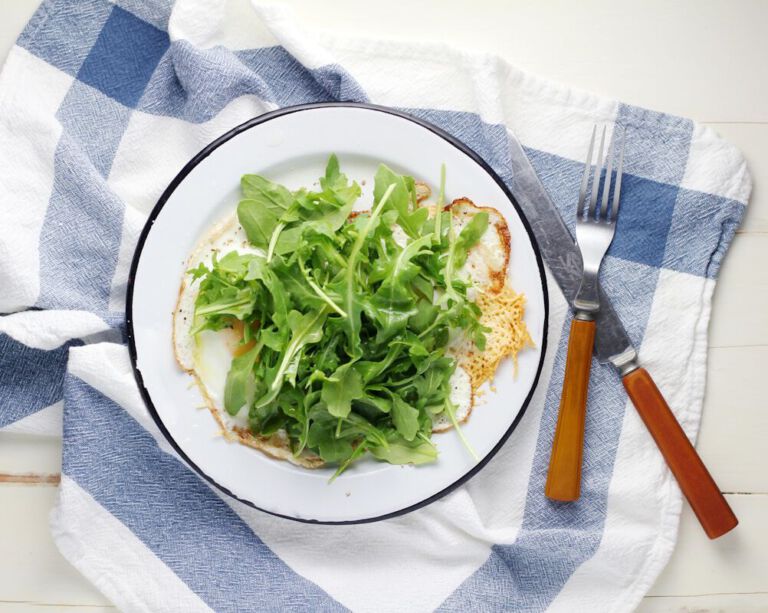
Arugula (Garden rocket)

Eruca vesicaria subsp. sativa (syn. Eruca sativa)

Edible VegetableAnnualMay Jun bloomPollinator / wildlife value

Arugula, also called garden rocket or roquette, is a fast-growing cool-season annual leafy vegetable in the mustard family. It forms a low basal rosette and is valued for quick harvests, succession sowing and edible white flowers. In Canada, spring and fall are generally the best growing windows because summer heat can trigger bolting and stronger…

Also known as: the rocket, rocket, salad rocket, garden rocket

Plant at a glance

Plant typeEdible Vegetable
LifecycleAnnual
SoilMoist, Well Drained, Loam, Sandy Loam, Sandy, and Clay Loam
Mature height15–60 cm
Mature width15–45 cm
BloomsMay Jun
Flower colourWhite
Wildlife valueBees, Other Pollinators, Edible Flowers, and Supports Beneficial Insects When Flowering
WaterModerate To High; Keep Evenly Moist
Care levelEasy

What this plant is like

Arugula (Eruca vesicaria subsp. sativa; syn. Eruca sativa) is an annual edible vegetable known by names including rocket, salad rocket, rucola and roquette. It grows as a compact, low basal rosette and may reach about 15–60 cm tall and 15–45 cm wide. White flowers appear in loose clusters, generally in May and June, or when heat arrives in late spring and summer. The flowers are edible. This fast-growing crop has a short productive lifespan, particularly when plants bolt.

Where it grows best

Choose a site with moist, well-drained soil. Arugula can grow in loam, sandy loam, sandy soil and clay loam, with a supported soil-pH range of 6–8. Avoid dry conditions as well as poorly drained, waterlogged or mucky soil for garden production. It is a cool-season crop suited to beds and containers, and it responds well to repeated sowings. Across Canada, sowing during cool spring and fall windows is generally preferable; summer heat increases the risk of bolting.

Garden and wildlife value

Arugula provides a quick edible crop and supports succession planting. If allowed to flower, its white blooms provide edible flowers and may be visited by bees and other pollinators. Flowering plants can also support beneficial insects. Wildlife value beyond these benefits is not well documented in the approved information.

Everyday care

Care is easy when moisture is consistent. Water regularly to keep the soil evenly moist and avoid drought stress; lighter soils may need more frequent irrigation. Harvest outer leaves regularly for a continuing supply of tender foliage. Remove or pull plants once they bolt or their flavour becomes too strong. Avoid heat stress when tender leaves are the priority.

What to do through the season

Plan sowing for cool spring and fall periods, with additional late-summer sowings where conditions remain suitable. Succession sowing can help maintain a supply because individual plantings have a short productive lifespan. Monitor plants as late spring and summer heat arrives, since bolting can occur quickly. Harvest outer leaves while plants are producing tender foliage, and remove plants after bolting or marked flavour deterioration.

Problems and symptoms

The main limitations are rapid bolting in heat, stronger or more bitter flavour as plants age or experience stress, and a short harvest window. Dry soil and irregular watering can increase stress and affect flavour. Excessively wet or poorly drained conditions are also unsuitable for the preferred growing conditions.

Corrective and preventive care

Keep soil consistently moist and use cool growing windows to reduce heat stress and bolting risk. Make repeated sowings rather than relying on one planting. Harvest outer leaves regularly, and pull plants once they bolt or the flavour becomes too strong. Direct sowing and transplanting are supported propagation methods.

Before you plant

Select moist, well-drained soil within approximately pH 6–8 and provide a plan for regular watering. Time sowing for cool spring and fall conditions in Canada, recognizing that summer heat raises bolting risk. Decide whether you want tender leaves, edible flowers, or both: allowing flowering shortens the leafy harvest period. Prepare for succession sowing because the productive lifespan is brief.

Garden and landscape value

  • fast-growing
  • easy to grow
  • cool-season crop
  • succession planting friendly
  • edible flowers
  • Brassicaceae (mustard family)

Where it grows naturally

  • Mediterranean region to western Asia; some sources extend the range eastward to northern India/China and the Arabian Peninsula

Personalize for your garden

Your garden conditions

Tell us a little about your garden to see how this plant fits your zone, light and growing conditions. No account is required.

These garden conditions stay in this browser for Gardening Calendar. Sign in to keep your garden information with your account.

How this plant fits your garden

Enter your conditions above to see matches, cautions, and seasonal guidance.

Sources used for this profile

Plant Definition last reviewed: August 12, 2026.