Evening primrose
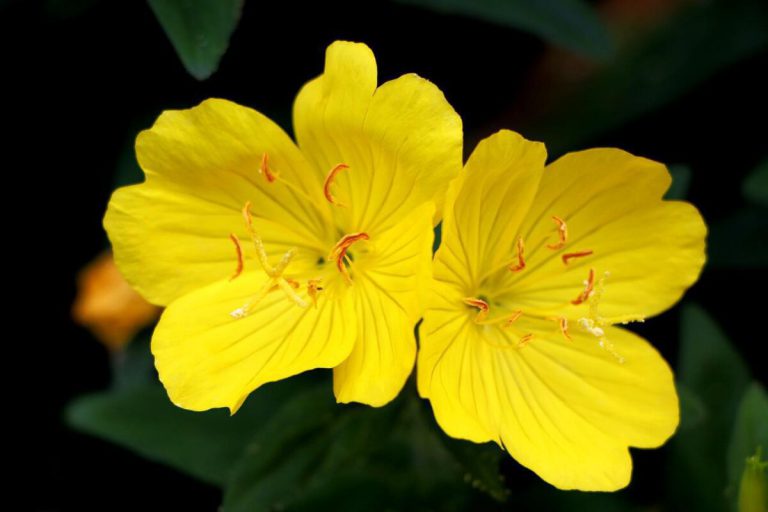
Evening primrose
Oenothera biennis
Evening primrose is a Canadian-native biennial for sunny, dry, free-draining places. Its yellow summer flowers open in the evening, offering nectar access to night-flying moths and early-morning bees. It suits wildlife-oriented plantings, but its self-sowing habit means volunteers should be allowed only where they are welcome.
Plant at a glance
What this plant is like
Oenothera biennis forms a substantial plant during its two-year life cycle. Individual plants are short-lived, while new seedlings may continue the planting. Yellow flowers appear in summer and open in the evening. Maintenance is moderate, largely because seedlings and site conditions need monitoring.
Where it grows best
Choose full sun to part sun and dry, free-draining soil. It is suited to Canadian hardiness Zones 2a to 8b. Water matters most during establishment; once established, it generally needs supplemental water only during prolonged drought. Avoid rich, persistently wet ground, especially heavy or poorly drained soil.
Garden and wildlife value
This is a verified native species in Alberta, Saskatchewan, Manitoba, Ontario, Quebec, New Brunswick, Nova Scotia and Prince Edward Island. It is introduced in British Columbia and Newfoundland and Labrador. Evening-opening flowers can support night-flying moths and early-morning bees. Flowers and later seed capsules may also contribute food or habitat for birds and other wildlife, depending on local conditions.
What to do through the season
Plant or move small seedlings in spring after severe frost risk has passed, using local frost and soil conditions rather than a fixed Canadian date. Fall or early-spring outdoor sowing is also supported. Move seedlings while small: later disturbance can damage the stout taproot. Division and cuttings are unconfirmed.
Corrective and preventive care
Focus on observation and site correction rather than assuming every symptom has the same cause. Keep plants well aired, avoid prolonged moisture around the crown, and remove badly affected growth or severely decayed plants when necessary. Reassess drainage before replanting in a wet location. These signs do not establish a diagnosis for every similar problem.
Preventive care focuses on air movement, prompt observation of young plants, and drainage. These measures do not establish a diagnosis for every similar symptom.
- Leaf Disease Prevention: If leaves develop powdery or mildew-like growth, thin crowded plants, improve air movement, and remove badly affected leaves.
- Young Growth Grazing: If young rosettes are disappearing or freshly chewed, inspect after rain or at night, hand-pick visible slugs and snails, and clear nearby hiding debris.
- Crown And Root Decline: If the crown is black and mushy, reduce excess moisture, improve drainage, and remove severely decayed plants rather than replanting immediately in the same wet spot.
Before you plant
Allow space for volunteer seedlings only where self-sowing is acceptable, and monitor local spread rather than assuming identical behaviour across Canada. Pet safety is unknown for dogs and cats, and edible parts are not confirmed. The plant has no reported privacy value; its strongest approved garden uses are pollinator support, native planting where applicable, and summer colour.
The strongest limits concern local timing, self-sowing behaviour, and the absence of province-specific evidence for several management decisions.
- Research Limits: Use local frost and soil conditions for timing; seed propagation is supported, while division and cuttings remain unconfirmed.
- Self Sowing Caution: Allow self-sowing only where volunteer seedlings are acceptable; local spread and garden impact may differ by site.
Ecological and wildlife value
Common evening primrose can add value for nocturnal and early-day pollinators and may contribute to wildlife habitat, while local use will depend on surrounding habitat.
- Night And Early Morning Pollinators: Evening-opening flowers provide nectar access for night-flying moths and early-morning bees.
- Wildlife Value: Flowers and later seed capsules can contribute food or habitat for insects and birds in a wildlife-oriented planting.
Everyday care
- Soil Management: Prioritize free drainage; avoid rich, persistently wet soil that can produce weak growth or crown problems.
WateringHelp young plants establish without encouraging weak, overly lush growth.
Timing: At planting and during the first weeks after planting; later only during prolonged drought.
When to act
- Newly planted or recently transplanted plants.
- Leaves wilt during prolonged dry weather.
- Soil is dry below the surface without remaining wet around the crown.
How: Water thoroughly at planting and during the establishment period; afterward, water only during prolonged dry conditions, preferably at the soil surface.
Caution: Avoid keeping the crown or soil persistently wet.
Regional note: No directly supported province-specific watering schedule was found.
MulchReduce competition from weeds while avoiding excess moisture around the crown.
Timing: After establishment or when weeds begin competing.
When to act
- Visible weed competition.
- Bare soil is drying rapidly.
- The crown remains uncovered and well ventilated.
How: Apply a thin, loose layer around—not against—the plant, leaving the crown at soil level.
Caution: Keep mulch away from the crown and do not use a thick, moisture-retaining layer on poorly drained soil.
Regional note: No directly supported province-specific mulching difference was found.
Seasonal actions
- Planting And Transplanting Window: Plant or move small seedlings in spring after severe frost risk, or use fall or early-spring sowing where natural outdoor conditioning is preferred.
- Transplant Stage: Move seedlings while small; later disturbance is likely to damage or disrupt the stout taproot.
- Canada: Plant or move small seedlings when soil can be worked and severe frost has passed; in colder areas, use local frost and soil conditions rather than a fixed date.
Problems and symptoms
Possible concern: Slugs and snailsWhat to watch for: Young rosettes or spring seedlings are heavily chewed or disappear overnight.
Check first
- Inspect young rosettes and seedlings at night or after rain for slime trails or missing foliage.
What to do
- Keep the planting area open and free of unnecessary debris; monitor vulnerable seedlings after rain.
- Hand-pick visible slugs and snails after dark or after rain; remove nearby hiding debris where practical.
When to get help
Escalate if repeated overnight grazing removes rosettes or prevents establishment despite hand removal and habitat measures.
Possible concern: Powdery mildew and other mildewWhat to watch for: White powdery growth or other mildew-like spotting appears on leaves.
Check first
- Inspect lower leaves and stems for white powdery growth.
What to do
- Provide adequate spacing and avoid prolonged stress; water at the base during extended dry periods.
- Remove the most affected leaves and improve air circulation by thinning crowded growth where appropriate.
When to get help
Escalate if the disease progresses through much of the plant, repeatedly recurs, or substantially reduces growth after cultural correction.
Possible concern: Crown and root rotWhat to watch for: The rosette or crown becomes black and mushy, with general decline.
Check first
- Inspect the crown and roots for black, soft, water-soaked tissue.
What to do
- Plant on raised or free-draining ground and keep organic mulch away from the crown.
- Remove severely rotted plants; do not replant immediately into the same persistently wet spot without correcting drainage.
When to get help
Escalate by removing and disposing of plants with advanced crown or root decay; reassess drainage before replanting.
Where it grows naturally
- Saskatchewan Native
- Prince Edward Island Native
- Quebec Native
- Alberta Native
- Nova Scotia Native
- Manitoba Native
- New Brunswick Native
- British Columbia Introduced
Propagation
Prefer seed propagation. Collect ripe, dry capsules in autumn, or allow selected plants to self-sow. Sow outdoors in fall or early spring; press seed onto the soil surface or cover only very lightly. Move volunteer or nursery seedlings while small because the species develops a stout taproot.
- Best timing: Collect ripe seed in autumn; sow outdoors in fall or early spring, with one source also documenting early-summer sowing.
- Decision cue: Collect seed when capsules are ripe and dry.
- Decision cue: Use fall sowing or early spring sowing; choose the method based on whether natural outdoor conditioning or controlled sowing is preferred.
- Decision cue: Transplant volunteer seedlings while small, before the taproot becomes strongly established.
- seed collection: Autumn, after capsule maturation.. Collect capsules after flowering when they are ripe and dry; retain some capsules only if self-sowing is acceptable.
- outdoor sowing: Fall or early spring; RHS also reports early summer.. Surface-sow or cover very lightly; fall sowing provides outdoor conditioning, while early spring sowing is also reported.
- seedling transplanting: While seedlings are still small.. Move young volunteer seedlings before the taproot becomes strongly established.
- Method: transplanting young seedlings
- Caution: The species forms a stout taproot; transplant young seedlings while small because later disturbance is likely to be more disruptive.
- Caution: Do not cover seed deeply; the retrieved source indicates that light promotes germination.
- Known limitation: The retrieved authoritative sources confirm seed propagation but do not establish a single best Canadian sowing date across all regions. Division and cuttings were not supported by the strongest sources and are not recommended in this draft.
Read more on GardeningCalendar
Personalize for your garden
Tell us a little about your garden to see how this plant fits your zone, light and growing conditions. No account is required.
These garden conditions stay in this browser for Gardening Calendar. Sign in to keep your garden information with your account.
How this plant fits your garden
Enter your conditions above to see matches, cautions, and seasonal guidance.
Did you find what you were looking for?
Let us know what was useful or what this plant profile is missing.
References
- Evening Primrose (Oenothera biennis) Care Guide - Nature & Garden
- Oenothera biennis L. - USDA Plants Database Plant Profile General
- Oenothera biennis (Common Evening Primrose ... - Plant Toolbox
- Oenothera Biennis - Evening Primrose | Plants, Gardening ...
- Growing
- Common Evening Primrose (Oenothera biennis) | Gardenish Plant ...
- THE BIOLOGY OF CANADIAN WEEDS.: 84. Oenothera biennis L.
- E-Flora BC: Electronic Atlas of the Flora of British Columbia
- Oenothera biennis | common evening primrose - RHS
- PowerPoint Presentation
- BC Conservation Data Centre: Species Summary
- Evening Primrose: How to Grow and Care for Oenothera Biennis
- gardeningcalendar.ca
- list.worldfloraonline.org
- data.canadensys.net
- planthardiness.gc.ca
- aspca.org
- aspca.org
- inspection.canada.ca
- plantiary.com
- forwardplant.com
- bloomingexpert.com
- acegardener.ca
- networkofnature.org
Plant Definition last reviewed: September 29, 2026.
Subscribe free
Get seasonal gardening guidance, nearby events and plant inspiration from Gardening Calendar.
Add Evening primrose to My Garden
Save plants you grow and receive personalized guidance shaped by your garden, location, season and weather.
Already have My Garden?
Sign inNew to My Garden?
My Garden Brief provides personalized briefings and saved plants. My Garden Plus adds personalized browsing across Plant Profiles.