Blue Spruce stonecrop
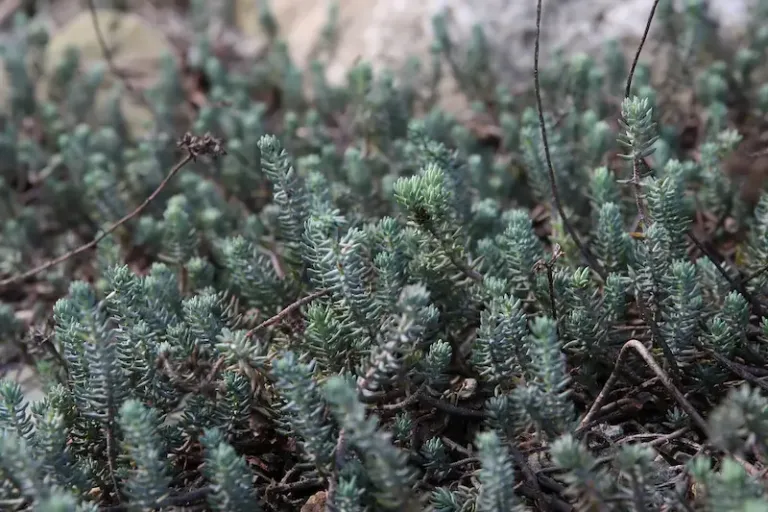
Blue Spruce stonecrop

Sedum rupestre ‘Blue Spruce’

Succulent GroundcoverPerennialFull SunSummer bloom

Blue Spruce stonecrop is a low-growing perennial succulent groundcover with blue-green, spruce-like foliage and summer yellow flowers. It suits sunny or partly sunny locations with excellent drainage, including containers. Its care needs are low, but wet soil can cause serious decline.

Also known as: Reflexed stonecrop, stone orpine, Sedum reflexum ‘Blue Spruce’, Sedum rupestre 'Blue Spruce'

Plant at a glance

Plant typeSucculent Groundcover
LifecyclePerennial
Hardiness3–9
LightFull Sun and Part Sun
SoilDry, Medium, and Excellent
Mature height10–15 cm
Mature width30–60 cm
BloomsSummer
Flower colourYellow
WaterLow

What this plant is like

This introduced cultivar forms a spreading carpet rather than a tall feature plant. Its foliage provides colour and texture, while summer yellow flowers add seasonal interest. It is suited to gardeners seeking an easy-care groundcover for a well-drained site.

Where it grows best

Choose full sun or part sun and dry to medium-moisture soil with excellent drainage. Avoid wet, poorly drained locations and standing water. It is recommended for Canadian hardiness zones 3 to 9. Containers are suitable, provided excess water can drain freely.

Garden and wildlife value

Blue Spruce stonecrop can add colour and low-maintenance coverage to gardens, containers, and other sunny planting areas. Its pollinator value is moderate. It is not suitable for privacy planting, and its ecological benefit in Canada is limited because it is an introduced cultivar.

Everyday care

Keep watering limited once the plant is established, especially where rainfall or soil conditions already provide moisture. The main care priority is maintaining excellent drainage. Its low maintenance needs make it a practical choice for gardeners who want groundcover without intensive routine attention.

Care is low input when drainage is excellent and watering is limited after establishment.

What to do through the season

Spring work is mainly cleanup of old or untidy growth. Propagation can be considered in season when desired. For container-grown plants, provide winter protection appropriate to the container setting, since containers can require more protection than plants established in the ground.

Corrective and preventive care

Select a site with excellent drainage from the start and avoid standing water. If the crown or lower stems become soft, correct the moisture problem promptly and remove severely affected tissue or plants. Severely compromised plants may need replacement from healthy cuttings.

The strongest supported prevention target is excess moisture; diagnostic coverage is intentionally limited.

Before you plant

Confirm that the site drains quickly and will not stay wet after rain or watering. Plan for a spreading groundcover rather than a privacy screen. If planting in a container, ensure the container and growing medium allow excess water to escape. Pet safety for this exact cultivar is unknown, so do not treat it as established pet-safe information.

Use conservative site selection and avoid treating generalized hardiness or safety claims as guarantees.

Ecological and wildlife value

Practical landscape value is supported; Canada-specific ecological benefit remains limited.

Seasonal actions

Seasonal work is mainly spring cleanup, optional propagation, and winter protection for containers.

Problems and symptoms

Possible concern: Slugs and snailsWhat to watch for: Chewed foliage, especially where damp conditions persist.

Check first

  • Inspect leaves and flower stems for chewing or slime trails.

What to do

  • Plant in well-drained soil and avoid standing water.
  • Remove visible slugs or snails and reduce persistently damp conditions using cultural measures.

When to get help

Escalate if chewing is persistent, foliage loss is increasing, or the plant is declining despite correcting wet conditions.

Possible concern: Crown and root rotWhat to watch for: Crown or lower stems become soft and the plant declines in wet soil.

Check first

  • Inspect the crown and lower stems for soft, discoloured tissue.

What to do

  • Use excellent drainage and avoid standing water.
  • Correct drainage and reduce excess moisture; remove severely affected tissue or plants.

When to get help

Escalate by removing and discarding severely rotted material; consider restarting from healthy cuttings if the crown is compromised.

Pruning and deadheading

After flowering, trim spent or straggly stems to maintain the mat’s shape. If stems die back over winter, remove the dead material in early spring before active growth resumes, taking care not to cut the crown.

  • Best timing: After flowering for shape; early spring for winter cleanup.
  • Decision cue: Trim after flowering to maintain shape.
  • Decision cue: If winter-killed stems remain, clean up in early spring before active growth resumes.
  • shape maintenance: After flowering. Use clean shears and remove only spent or overextended stems.
  • Pruning approach: post-flowering trimming
  • Pruning approach: early-spring cleanup
  • Caution: Avoid cutting into the crown when spring growth has not yet made it visible.
  • Caution: Avoid rich, overly shaded conditions that encourage weak growth.
  • Known limitation: Evidence is for this named cultivar or closely matched Blue Spruce stonecrop listings; exact Canadian timing can vary by site and winter conditions.

Propagation

Take softwood stem cuttings from healthy shoots or divide an established mat. Set cuttings in a sharply drained medium and keep conditions from becoming wet; divide established plants with a trowel and replant promptly.

  • Best timing: Active growth for softwood cuttings; spring through early autumn for division.
  • Decision cue: Propagate when established mats need division.
  • Decision cue: Use softwood cuttings when new, flexible shoots are available.
  • softwood stem cuttings: During active vegetative growth. Root healthy flexible stem pieces in sharply drained medium.
  • division: Spring through early autumn. Separate an established mat with a trowel and replant divisions promptly.
  • Caution: Use well-drained, dry-to-moderately moist media; wet conditions increase rot risk.
  • Caution: Prefer healthy stem material and avoid relying on unverified exact-cultivar leaf propagation.
  • Known limitation: The sources do not establish a cultivar-specific Canadian calendar or rooting protocol beyond the methods listed.

Personalize for your garden

Your garden conditions

Tell us a little about your garden to see how this plant fits your zone, light and growing conditions. No account is required.

These garden conditions stay in this browser for Gardening Calendar. Sign in to keep your garden information with your account.

How this plant fits your garden

Enter your conditions above to see matches, cautions, and seasonal guidance.

References

Plant Definition last reviewed: October 29, 2026.