Caucasian stonecrop ‘Fuldaglut’
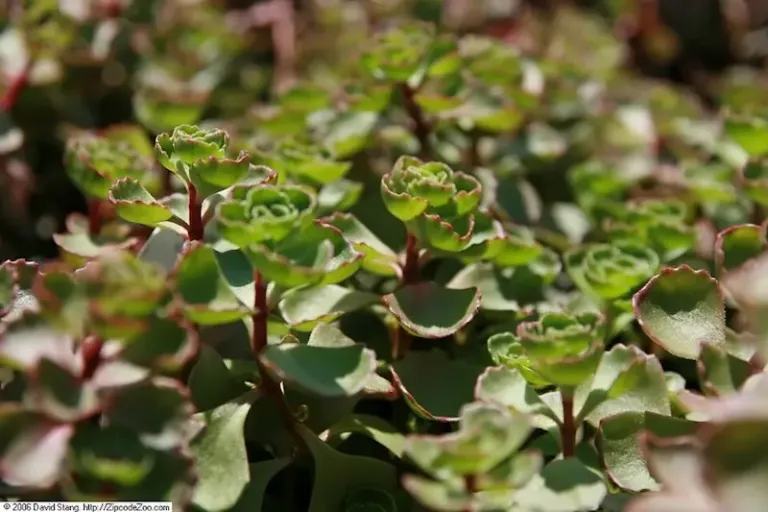
Caucasian stonecrop ‘Fuldaglut’

Phedimus spurius ‘Fuldaglut’

Succulent GroundcoverPerennialFull SunSummer and Autumn bloom

Caucasian stonecrop ‘Fuldaglut’ is a low, spreading succulent groundcover for dry, sharply drained sites. Its pink to red flowers appear in summer and autumn, offering some forage for butterflies and other visiting pollinators. It is easy to maintain, but its winter reliability and spread should be assessed locally in Canada.

Also known as: Two-row stonecrop, Sedum spurium ‘Fuldaglut’, Phedimus spurius 'Fuldaglut'

Plant at a glance

Plant typeSucculent Groundcover
LifecyclePerennial
Hardiness3–9
LightFull Sun and Part Sun
SoilDry To Average and Excellent
Mature height10–15 cm
Mature width30–45 cm
BloomsSummer and Autumn
Flower colourPink and Red
WaterLow

What this plant is like

This introduced perennial forms a spreading mat of succulent foliage. It stays low but can gradually cover open ground, making it useful where a compact, flowering groundcover is wanted. It is suited to containers as well as garden beds and works well with an easy-care planting style. Its flowers add seasonal colour without requiring a high-maintenance plant.

Where it grows best

Choose full sun for the strongest flowering and foliage colour; part sun is also suitable. The essential requirement is excellent drainage. Dry to average soil is appropriate, including sandy, rocky, gritty, or otherwise freely draining ground. Avoid locations that remain wet after rain or snowmelt. Across Canada, drainage is more important than added fertility, and no province-specific growing difference was established.

Garden and wildlife value

The summer flowers can provide forage for butterflies and other visiting pollinators, with moderate wildlife value overall. In Canada, use it as a flowering groundcover rather than as a replacement for regionally native plants. It is an introduced cultivar, not a native-plant equivalent, and offers no privacy screening.

What to do through the season

Divide established mats or take stem cuttings during active growth, when shoots are healthy and not flowering heavily. After flowering, cut back old growth in autumn if you prefer a tidier appearance; leaving it in place is also reasonable where winter cover is useful. In Canada, use local frost timing rather than a nationwide calendar.

Corrective and preventive care

The main protection is keeping the planting sharply drained and avoiding prolonged wetness. Do not propagate from tissue that is collapsing or rotting. If decline continues after drainage is corrected, remove affected material and seek local diagnostic help. No Canada-specific pest or disease pattern was established.

No supported symptom-first corrective or preventive-care record was added from the reviewed sources.

Before you plant

The supplied Canadian range is zone 3–9, but it is not a guarantee of winter survival. Exposure, drainage, snow cover, and local climate can change results, so confirm local winter experience where reliability matters. This spreading groundcover also deserves a local spread check, especially near natural areas. Pet safety for this exact cultivar is unknown.

Use conservative winter and spread expectations because Canadian hardiness and regulatory evidence was not directly established.

  • Winter Reliability Uncertainty: Reported hardiness limits vary by source; Canadian survival can differ with exposure, drainage, snow cover, and local climate, so the supplied Canada-wide range is not independently confirmed.
  • Spread And Regulation Uncertainty: It forms a spreading mat, but the reviewed sources do not establish province-specific invasive status or restrictions; check local guidance before planting near natural areas.
  • Canada: Do not convert the supplied Canada-wide zone 3–9 range into a guaranteed provincial recommendation. Winter survival depends on exposure, snow cover, drainage, and local climate; confirm with local Canadian guidance where winter reliability matters.

Ecological and wildlife value

Useful flowering groundcover for some pollinator activity, but the reviewed evidence does not establish a Canada-specific pollinator value or native-plant equivalence.

Everyday care

WateringHelp new plants establish without encouraging rot.

Timing: During establishment and extended drought; not on a routine schedule for established plants.

When to act

  • Newly planted soil is drying.
  • Established plants show wilt during prolonged drought.
  • Soil is still wet below the surface.

How: Water the root zone when newly planted soil is drying, then allow the soil to dry between waterings. Once established, water only during prolonged dry conditions or visible wilt.

Caution: Do not keep the soil wet; poor drainage can cause decline.

FeedingPrevent excessive growth while maintaining a compact groundcover.

Timing: Only when a soil test or clear site history supports a need; apply during active growth.

When to act

  • A soil test identifies a deficiency.
  • Growth is poor for reasons not explained by wet soil, shade, or establishment stress.

How: Do not fertilize routinely when the plant is growing acceptably in lean soil. Correct a confirmed nutrient deficiency only according to a soil test and its recommendations.

Caution: Avoid routine heavy feeding; rich fertility can produce weak, loose growth and fewer flowers.

MulchLimit weeds without undermining the dry, freely drained conditions this plant needs.

Timing: At planting or when weeds appear; inspect after prolonged wet weather.

When to act

  • Bare soil is allowing weeds to establish.
  • The site remains freely drained after mulch is applied.

How: If mulch is needed, use a thin layer of coarse, fast-draining material and keep the foliage and stem bases exposed.

Caution: Keep mulch shallow and away from stems; thick, moisture-retaining mulch can reduce drainage and cause crown or stem problems.

PlantingEstablish a durable mat in conditions suited to this drought-tolerant groundcover.

Timing: During the local frost-free planting period, when soil can be worked.

When to act

  • The selected site receives several hours of direct sun.
  • Water drains freely after rain.
  • The plant can be kept clear of sustained saturation.

How: Choose full sun for strongest flowering and foliage colour; light shade is tolerated. Use sandy, rocky, gritty, or otherwise well-drained soil. In heavier soil, improve drainage rather than adding rich fertility.

Caution: Do not plant in a site that stays wet after rain or snowmelt.

Seasonal actions

  • Optional Fall Cutback: After flowering, cut back old growth in fall if a tidy winter appearance is preferred; leaving it in place is also reasonable where winter cover is useful.

Problems and symptoms

Possible concern: crown and root rotsWhat to watch for: Soft, collapsing crowns or roots, often accompanied by discolored or dying foliage.

Check first

  • Inspect leaves, stems, and the crown for softening, discoloration, or collapse.

What to do

  • Plant in sharply drained soil and avoid persistently wet conditions.
  • Remove visibly collapsed or rotting tissue and improve drainage around remaining plants.

When to get help

If crown or root collapse continues after correcting drainage, remove affected material and seek local diagnostic help; do not propagate from symptomatic tissue.

Possible concern: slugs, snails, or vine weevil larvaeWhat to watch for: Ragged foliage or unexplained plant decline; slugs and snails may leave slime trails.

Check first

  • Inspect leaf undersides and stems for small insects or clusters.

What to do

  • Maintain good drainage and avoid creating persistently damp debris-filled hiding places beside the mat.
  • Hand-remove visible slugs or snails and clear nearby damp hiding places; isolate and inspect plants showing unexplained decline.

When to get help

Escalate for local diagnosis if damage is extensive, repeated, or the plant declines despite removing the apparent cause.

Propagation

For division, lift a rooted section of the mature mat and replant it promptly in sharply drained soil. For stem cuttings, take healthy softwood pieces, allow the cut surface to dry briefly, then insert them into a well-drained medium and keep it only lightly moist until rooted.

  • Best timing: Divide in spring; take softwood cuttings in early summer.
  • Decision cue: A mature mat has rooted sections that can be separated.
  • Decision cue: Healthy stems are available for cuttings.
  • Decision cue: The plant is actively growing and weather permits establishment.
  • division: Spring. Separate rooted portions of an established mat and replant in well-drained soil.
  • softwood stem cuttings: Early summer. Insert healthy cuttings into a sharply drained medium; avoid saturation during rooting.
  • Caution: Use only healthy, well-rooted material and a sharply draining medium.
  • Caution: Do not keep new divisions or cuttings excessively wet, because the source identifies this as a succulent groundcover and the reviewed record cautions against wet soil.
  • Known limitation: The reviewed sources do not establish exact cultivar-specific success rates or Canadian scheduling beyond the stated seasonal windows.

Personalize for your garden

Your garden conditions

Tell us a little about your garden to see how this plant fits your zone, light and growing conditions. No account is required.

These garden conditions stay in this browser for Gardening Calendar. Sign in to keep your garden information with your account.

How this plant fits your garden

  • The current season is included in this plant’s recorded flowering season. Local timing can vary.

References

Plant Definition last reviewed: October 29, 2026.