Achillea ‘Terracotta’
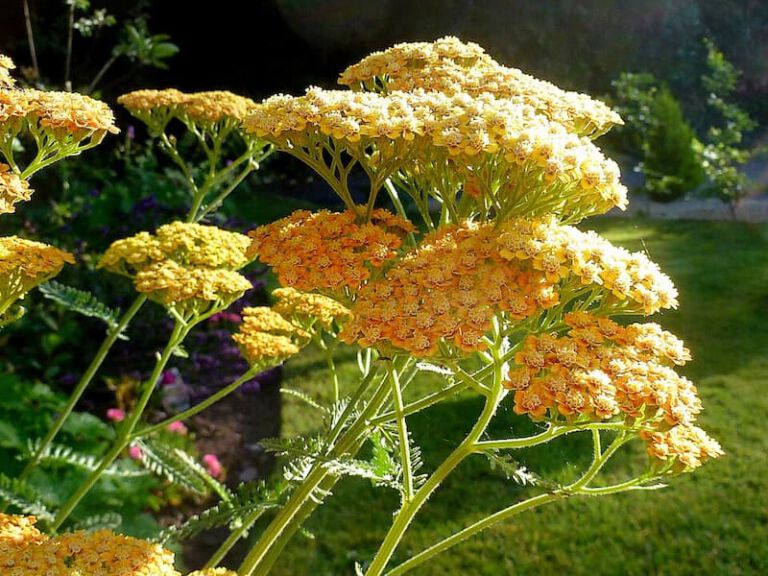
Achillea ‘Terracotta’

Achillea ‘Terracotta’

June and July bloomPollinator / wildlife value

Achillea ‘Terracotta’ is a clump-forming perennial with warm flower colours ranging from deep yellow and orange to terracotta and cream. It blooms from June through September, suits dry, well-drained sites once established, and attracts bees, butterflies and other beneficial insects. Use it in borders, cottage gardens, pollinator plantings, and cut- or dried-flower arrangements.

Plant at a glance

SoilAverage, Dry, and Well Drained
Mature height65–100 cm
Mature width50–60 cm
BloomsJune, July, August, and September
Flower colourCream, Deep Yellow, Orange, and Terracotta
Wildlife valueBees, Butterflies, and Beneficial Insects

What this plant is like

Achillea ‘Terracotta’ forms a clump and reaches about 65–100 cm tall and 50–60 cm wide. Its flower clusters develop in deep yellow, orange, terracotta and cream tones, with colours that may change as the blooms mature. It is a long-blooming herbaceous perennial, typically flowering from June through September.

Where it grows best

Choose a sunny location with well-drained soil and average to dry moisture. Once established, this cultivar is drought-tolerant and is suited to dry, well-drained sites. Avoid wet, poorly drained or waterlogged ground, as well as heavy clay. It can tolerate acidic, neutral or alkaline soil, provided drainage is suitable.

Garden and wildlife value

This cultivar works well as a border perennial, in cottage gardens and pollinator plantings, and for cut or dried flowers. Its blooms are associated with bees, butterflies and other beneficial insects. Achillea ‘Terracotta’ is an ornamental cultivar associated with the Eurasian yarrow lineage; a precise native range does not apply to the cultivar.

Everyday care

Provide well-drained conditions and avoid consistently wet soil. Water needs are generally low to moderate, with improved performance in dry or average-moisture sites once the plant is established. Deadhead spent flower clusters to help prolong bloom. Rich soil or too much shade can contribute to flopping.

What to do through the season

During the flowering season, from June through September, remove spent blooms as needed. After flowering, cut the plant back to its basal leaves; cutting back in spring is also supported. Division in spring is the supported propagation method. Self-seeding may occur.

Problems and symptoms

Plants may flop in rich soil or excessive shade. Performance and longevity can decline in wet, poorly drained or heavy soils, and the plant may be short-lived in these conditions. Deadheading may be needed to prolong flowering. Self-seeding is possible.

Corrective and preventive care

Place the plant in sun and well-drained soil, avoiding wet or heavy sites. If stems flop, review whether the plant is growing in rich soil or too much shade. Remove spent blooms to encourage a longer display, and cut plants back after flowering or in spring. Divide established plants in spring when propagation is desired.

Before you plant

Allow for a mature size of approximately 65–100 cm in height and 50–60 cm in width. Select a sunny, well-drained location rather than a wet, waterlogged or heavy-clay site. Plan for possible deadheading, occasional flopping in unsuitable conditions, and some self-seeding. Consider its warm, changing flower colours and its uses for pollinators, cutting and drying.

Garden and landscape value

  • long-blooming
  • drought-tolerant once established
  • pollinator-friendly
  • cut-flower use
  • suitable for dry, well-drained sites
  • border perennial; cottage garden; pollinator planting; cut flowers; dried flowers

Where it grows naturally

  • native range not applicable to cultivar; parent species is Eurasian yarrow lineage

Pruning and deadheading

For Achillea ‘Terracotta’, deadhead spent flower heads as they fade during the flowering period; the Missouri Botanical Garden advises cutting spent heads back to lateral buds to promote additional bloom, and RHS recommends spring cutback of untidy foliage. After flowering, cut plants back to basal leaves to tidy the planting and encourage new foliage growth and a possible additional fall bloom. For a gardener’s ‘when’ question: deadhead whenever individual flower heads are spent, and do the main cutback after the first flush of flowering or in spring for cleanup.

  • Decision cue: Deadhead when flower heads are spent, brown, or fading.
  • Decision cue: Cut back after the first flush of flowering if you want tidier growth or a possible rebloom.
  • Decision cue: In spring, cut back untidy foliage to basal leaves / clean up before active growth resumes.
  • deadheading: As soon as individual flower heads fade or brown during the flowering season.. Remove spent flower heads back to lateral buds or a lower set of leaves to extend bloom.
  • cutback after flowering: After the first flush of flowering has finished.. Cut plants back to basal leaves / lower foliage to tidy the plant and encourage new foliage and possible rebloom.
  • spring cleanup pruning: In spring, as the plant resumes growth.. Cut back untidy foliage in spring before active new growth becomes established.
  • Caution: Do not deadhead once flowering is finished if you want to leave seed heads for winter interest; source guidance favors spring cleanup instead.
  • Caution: Avoid hard pruning of actively emerging new growth; spring cutback is described as removing untidy or dead foliage before new growth advances.
  • Caution: This cultivar-specific guidance is for established ornamental plants; no source-supported seedling or transplant-stage pruning guidance was found.
  • Known limitation: Plant-specific sources found clear guidance for established plants in the garden, but not for germination, seedling, hardening-off, or transplant-stage pruning/deadheading. The available guidance is consistent across reputable horticultural sources but is limited to pruning/deadheading rather than a full seasonal maintenance program.

Propagation

Propagate by division in spring. Use established clumps rather than young seedlings, and divide when new growth is starting so the sections can re-establish.

  • Decision cue: Clump is established and crowded
  • Decision cue: Plant is being divided during spring
  • Decision cue: New shoots are emerging from the crown
  • division: spring. Divide established clumps in spring.
  • Caution: Only division is directly supported by the authoritative cultivar source captured here.
  • Caution: Do not present seed or cuttings as ready-answer methods without cultivar-specific support.
  • Caution: Divide in spring rather than during active summer bloom.
  • Known limitation: The captured authoritative evidence is sufficient for division only. Seed and stem-cutting methods appear in non-authoritative or general sources but were not directly supported enough here to elevate them to ready status.

Personalize for your garden

Your garden conditions

Tell us a little about your garden to see how this plant fits your zone, light and growing conditions. No account is required.

These garden conditions stay in this browser for Gardening Calendar. Sign in to keep your garden information with your account.

How this plant fits your garden

  • August is included in this profile’s recorded flowering months. Actual timing can vary with local conditions.

Sources used for this profile

Plant Definition last reviewed: August 24, 2026.