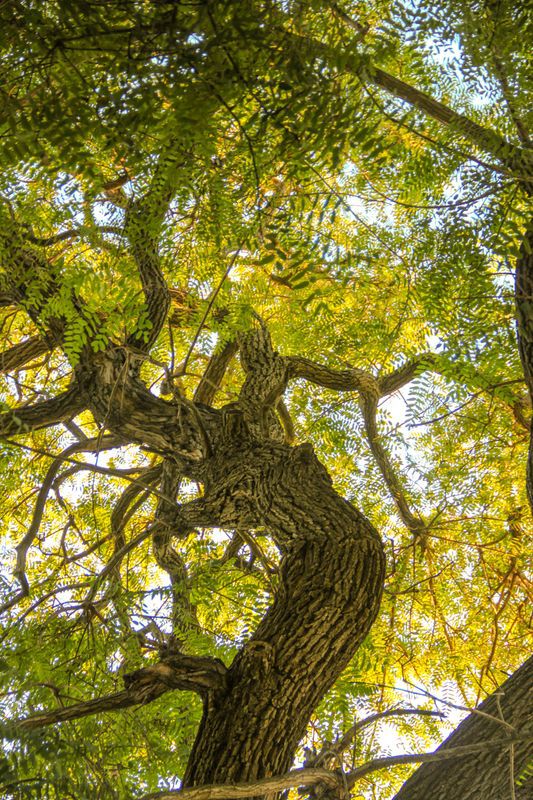
Black walnut

Black walnut

Juglans nigra

Deciduous TreeWoody PerennialPollinator / wildlife value

Black walnut (Juglans nigra) is a deciduous, woody perennial tree valued for its nuts, wildlife food, shade, and restoration uses. It performs best in deep, fertile, moist but well-drained soil near neutral pH. Choose its site carefully: it is shade intolerant, sensitive to poor soil conditions, and can affect many companion plants through juglone.

Also known as: Juglans nigra, black walnut, eastern black walnut, American black walnut

Plant at a glance

Plant typeDeciduous Tree
LifecycleWoody Perennial
SoilMoist, Well Drained, Sandy Loam, Loam, Silt Loam, Silty Clay Loam, Clay, and Sand
Wildlife valueWildlife Food and Nuts
WaterArray

What this plant is like

Black walnut (Juglans nigra), also called eastern black walnut or American black walnut, is a deciduous tree and woody perennial in the Juglans genus. It is valued as a nut-producing tree, wildlife food source, shade tree, and option for native or restoration plantings. Site selection is important because black walnut performs best in deep, fertile, well-drained soil with adequate moisture and good aeration. It is shade intolerant and can perform poorly in shallow, wet, compacted, or poorly drained soils. Juglone-related effects can limit the success of many companion plants, so planting plans should account for the tree’s influence on nearby vegetation.

Garden and landscape value

Grow black walnut for its valuable nuts, wildlife-food value, and potential as a long-term shade tree. It can also suit restoration or native-planting projects where the site provides moist, fertile, well-drained soil. Its deep-rooting taproot and preference for open conditions are notable strengths, but the tree needs thoughtful placement. Black walnut is shade intolerant, sensitive to unsuitable soil conditions, and may affect many companion plants through juglone.

Where it grows best

Provide moist, well-drained soil and avoid wet sites, ponding, flooding, high water tables, and poorly drained conditions. Black walnut performs best in deep, fertile soil with good internal drainage. Suitable textures include sandy loam, loam, silt loam, silty clay loam, clay, and sand, although sandy loam, loam, and silt loam are identified as especially favourable. The approved soil-pH range is 6.0 to 7.5. Water needs are moderate. Avoid shallow, compacted soils and sites where drainage or rooting conditions are restricted. Full site selection should also consider the tree’s shade intolerance and juglone-related planting limitations.

Ecological and wildlife value

Black walnut is a nut-producing tree and provides nuts that contribute to its wildlife-food value. Its use in nut production and forestry is well established in the approved sources. The provided facts do not support a detailed description of flowering, fruiting timing, or specific wildlife species, so those details are omitted. Its value in a planting is therefore best described through its nuts and broader wildlife-food role rather than unsupported seasonal claims.

Regional guidance

In Canada, black walnut is documented as a native or regionally relevant tree and can be considered for native planting or restoration where conditions are suitable. Canadian site selection should emphasize moist, fertile, well-drained soil and avoid wet, compacted, shallow, or poorly drained locations. It is also important to allow for juglone-related effects when choosing nearby plants. No Canadian regional, regulatory, or invasive-status overlays were supplied.

Everyday care

  • seed
  • grafted

Before you plant

  • shade intolerant
  • sensitive to soil conditions
  • poor performance in shallow, wet, compacted, or poorly drained soils
  • juglone allelopathy affecting many companion plants

Personalize for your garden

Your garden conditions

Tell us a little about your garden to see how this plant fits your zone, light and growing conditions. No account is required.

These garden conditions stay in this browser for Gardening Calendar. Sign in to keep your garden information with your account.

How this plant fits your garden

Enter your conditions above to see matches, cautions, and seasonal guidance.

This plant can be found at

Sources used for this profile

Plant Definition last reviewed: August 9, 2026.