Honey garlic (Sicilian honey garlic)
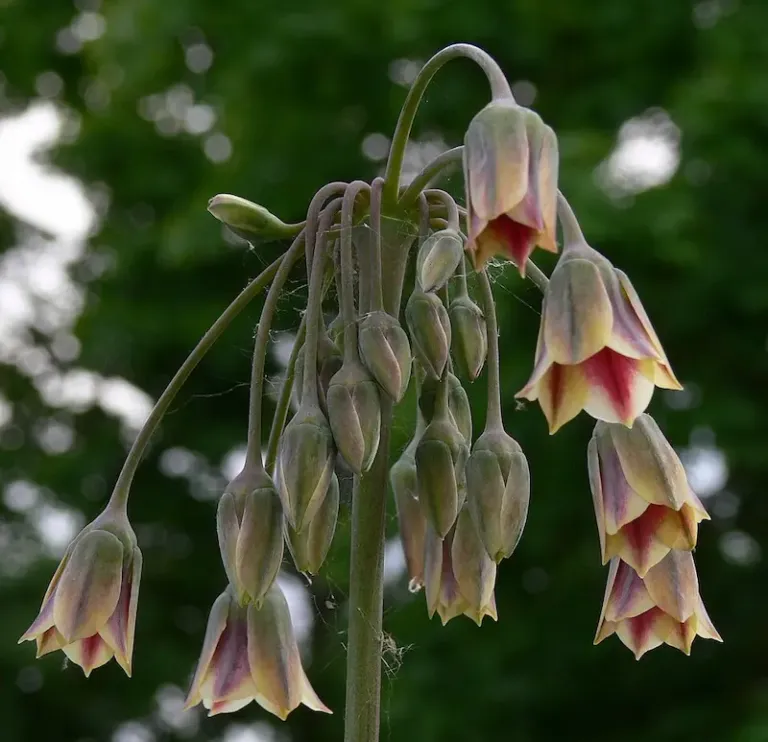
Honey garlic (Sicilian honey garlic)

Allium siculum Ucria

Bulb Corm Or TuberHerbaceous PerennialFull SunMay and June bloomPollinator / wildlife value

Honey garlic (Allium siculum) is an upright, herbaceous perennial bulb valued for nodding, bell-shaped flowers in cream, pink and green. It typically blooms from May to June, followed by decorative seed pods that may remain into late summer. Plants reach about 90–120 cm and suit sunny, well-drained garden settings.

Also known as: honey garlic, Sicilian honey garlic, Sicilian honey lily, Mediterranean bells

Plant at a glance

Plant typeBulb Corm Or Tuber
LifecycleHerbaceous Perennial
Hardiness5–9
LightFull Sun and Partial Sun
SoilModerate, Well Drained, Loam, Sand, and Chalk
Mature height90–120 cm
BloomsMay and June
Flower colourCream, Pink, and Green
Wildlife valuePollinators

What this plant is like

Also called Sicilian honey garlic, Sicilian honey lily and Mediterranean bells, this bulbous perennial has an upright habit and grows approximately 90–120 cm tall. Nodding, bell-shaped flowers appear in late spring to early summer, typically May to June, in cream, pink and green tones. After flowering, erect seed pods can provide interest into late summer. The foliage later yellows and dies back as the bulb enters summer dormancy.

Where it grows best

Plant honey garlic in full sun or partial sun, including light shade, in well-drained loam, sand or chalk. It prefers moderate moisture during active spring growth but does not tolerate waterlogged or poorly drained conditions. Established clumps are fairly drought tolerant, although they perform best with some moisture while leaves and flower stems are developing. The approved hardiness range is zones 5–9; the plant is flagged as frost sensitive, so local winter conditions should be considered before planting.

Garden and wildlife value

Honey garlic is grown as an ornamental bulb for borders and naturalistic plantings. Its long-lasting flowers are useful to pollinators, and its decorative seed pods extend seasonal interest after bloom. The plant is also listed among ornamental onions and has culinary associations, but this profile focuses on its ornamental garden value.

Everyday care

Water moderately in spring while growth is active. As the foliage begins to yellow after flowering, reduce watering and allow the soil to become drier through summer. Avoid excess moisture, especially in containers, where drying risk is moderate but waterlogging remains unsuitable. Remove spent flower stems after the seed pods finish, or earlier if you do not want to collect seed. Leave green foliage in place so the bulb can store energy for the next season.

What to do through the season

In spring, monitor emerging growth and provide moderate moisture in well-drained soil. Expect flowers in May and June. After flowering, decide whether to retain the decorative seed pods; remove stems if they are not wanted. During summer, allow foliage to yellow and die back naturally, then reduce watering as the bulb enters dry dormancy. New growth resumes in the cool season that follows.

Problems and symptoms

The main concerns identified for honey garlic are waterlogged or poorly drained soil, frost sensitivity and its natural winter or summer dormancy phases. In containers, avoid conditions that keep the bulb wet while the plant is dormant.

Corrective and preventive care

Choose a well-drained site and avoid poorly drained beds or containers. Water only moderately during active growth, then reduce irrigation as foliage yellows. Do not cut green foliage hard after flowering. If a clump is crowded, division is an approved propagation method, although species-specific timing and detailed propagation instructions are not sufficiently supported here.

Before you plant

Confirm that the site receives full sun or partial sun and drains freely. Allow room for an upright plant about 90–120 cm tall, and plan for foliage to die back after flowering. Consider the approved zone 5–9 range alongside local frost exposure, since the plant is flagged as frost sensitive. If planting in a container, use a setup that does not remain waterlogged.

Garden and landscape value

  • good for pollinators
  • ornamental seed pods
  • long-lasting flowers
  • ornamental

Pruning and deadheading

Pruning_deadheading: No routine pruning is required for Sicilian honey garlic. If you want a tidier display or cut flowers, deadhead/remove spent flower stems after flowering has finished; leave the plant alone if you want the decorative seedheads or self-seeding. Do not cut back green foliage; wait until the leaves have yellowed and the plant has died back naturally, then remove the dead foliage. Remove only the spent flower stem/flower head, avoiding nearby buds and leaves.

  • Best timing: Deadhead only after flowering is finished; do not prune during active growth. Cut back foliage only after it has yellowed and died back naturally.
  • Decision cue: Flower heads are spent and petals are fading/dropping.
  • Decision cue: The seedhead has formed and you do not want seed set.
  • Decision cue: The foliage has yellowed or died back naturally before cutting back.
  • Pruning approach: post-dieback cleanup
  • Caution: Do not deadhead if you want the plant to set seed or self-sow; remove spent flowers only if you prefer tidiness or cut flowers.
  • Caution: Do not prune foliage while it is still green; let the plant die back naturally and cut back only after the foliage has yellowed or fully died back.
  • Caution: Deadheading will not trigger a second bloom in the same season.
  • Known limitation: Source coverage is strong for mature garden plants and weak for propagation-adjacent stages. No plant-specific pruning guidance was found for germination, newly emerged seedlings, established seedlings, hardening off, or transplanting, and this species is primarily documented here as a bulb grown outdoors rather than as a seedling-care subject.

Personalize for your garden

Your garden conditions

Tell us a little about your garden to see how this plant fits your zone, light and growing conditions. No account is required.

These garden conditions stay in this browser for Gardening Calendar. Sign in to keep your garden information with your account.

How this plant fits your garden

Enter your conditions above to see matches, cautions, and seasonal guidance.

Sources used for this profile

Plant Definition last reviewed: August 13, 2026.